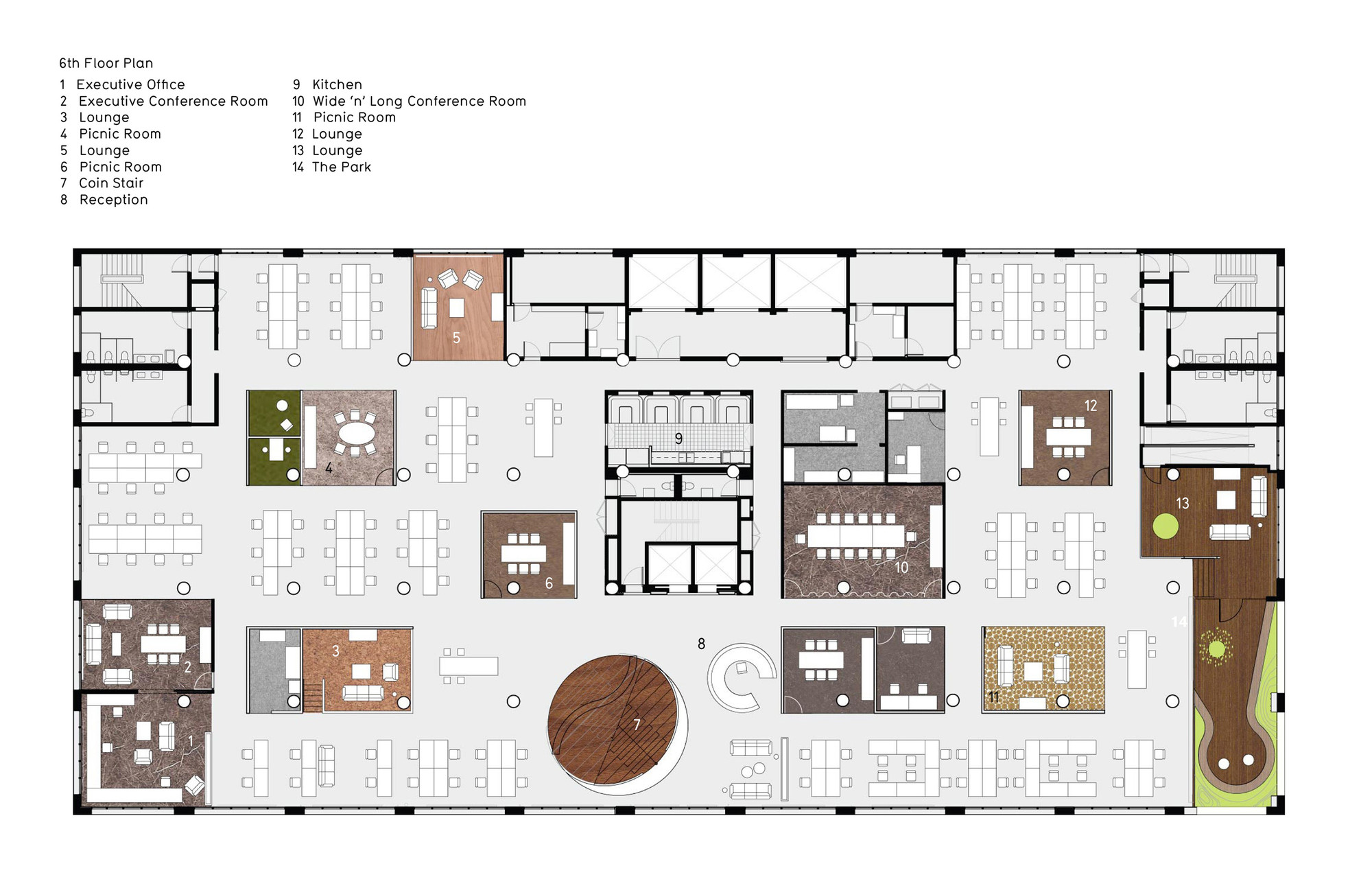
Effective Space Planning: The Key to Efficient Interior Design
Space planning is a complex process that involves a multitude of factors to consider. The principles of space planning revolve around satisfying a defined criteria on a priority basis, often resulting in compromise. However, with the right strategies, space planning can be a powerful tool for interior designers to create functional and efficient interiors.
The Importance of Space Planning in Interior Design
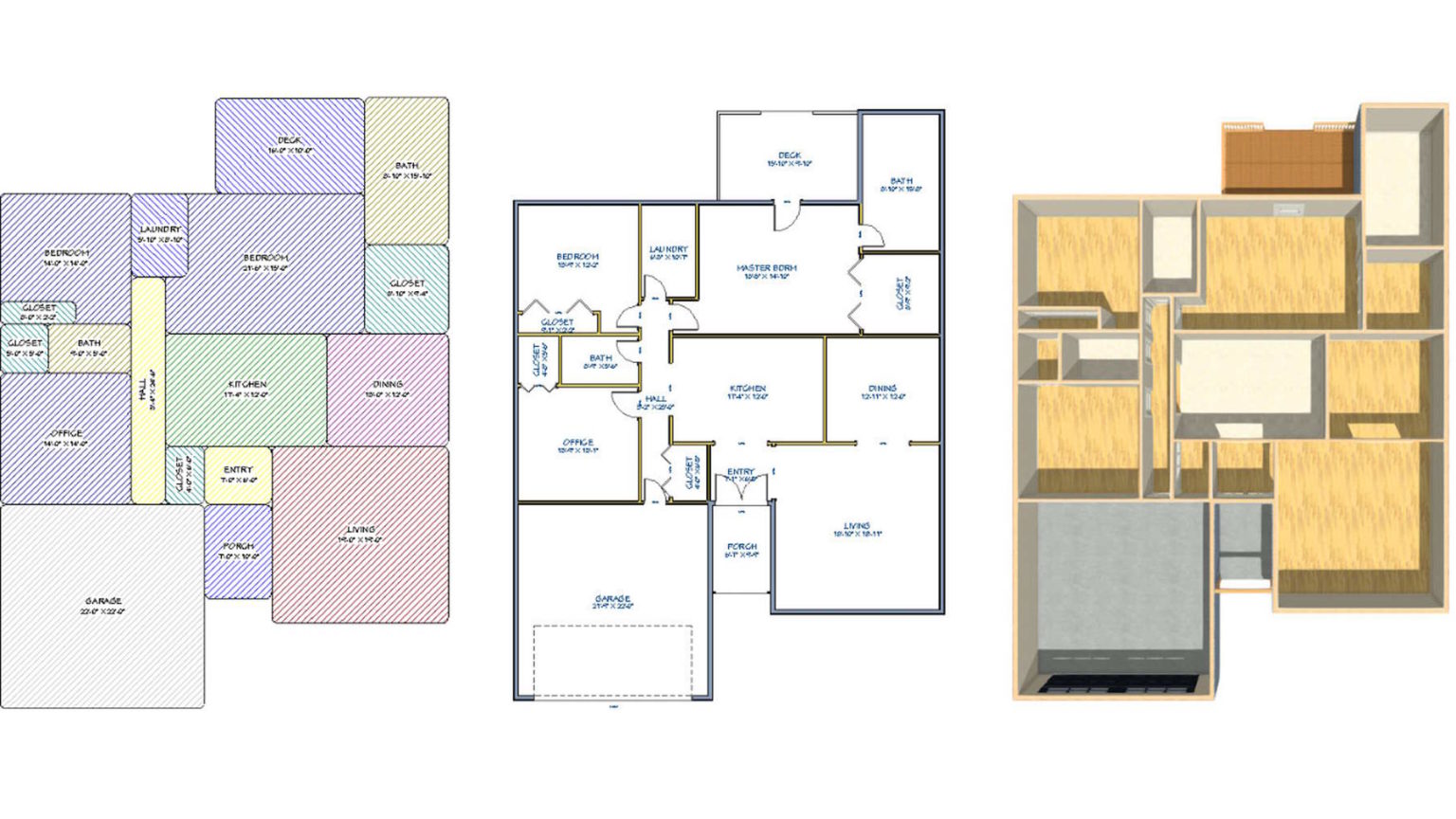
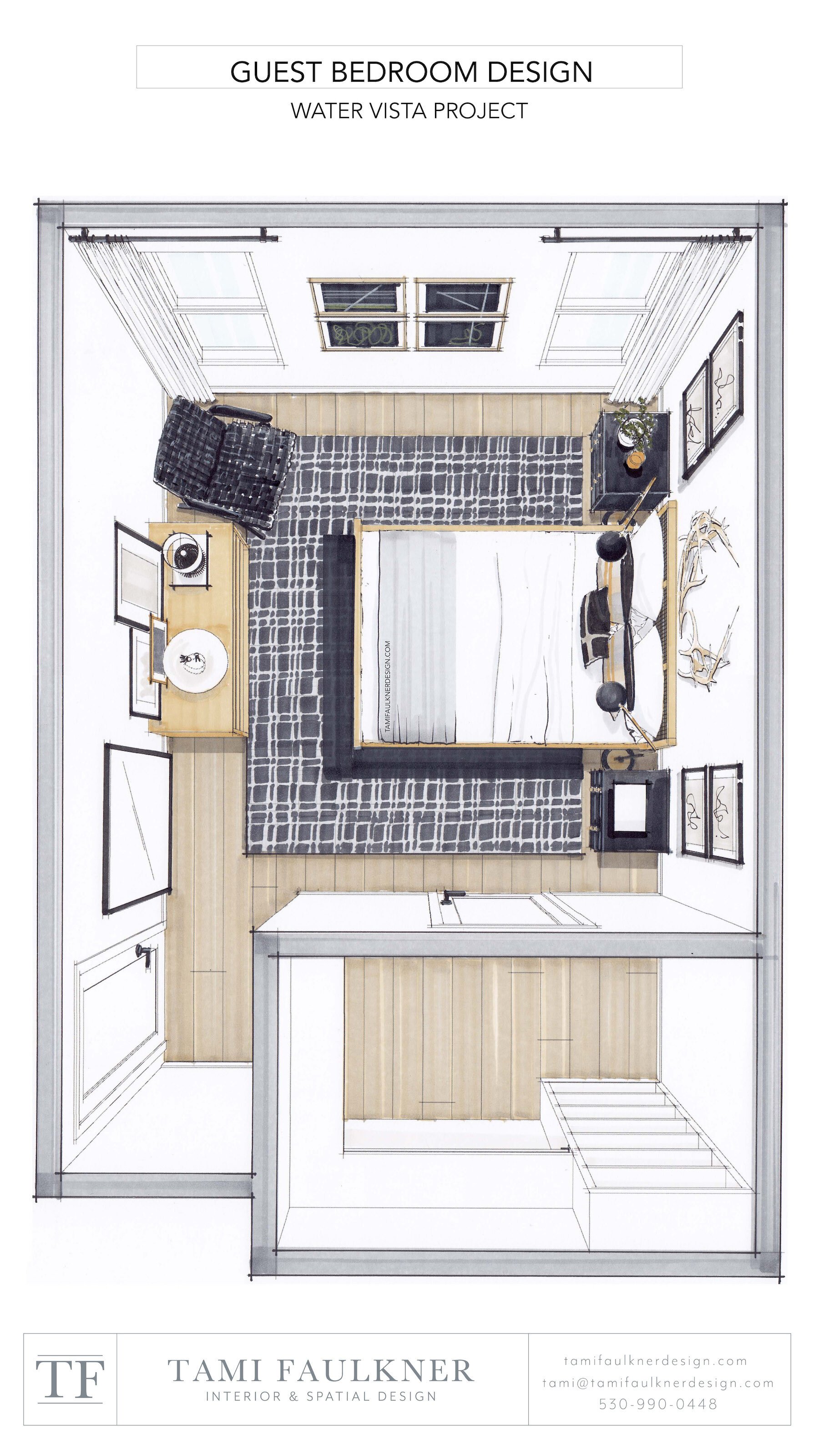
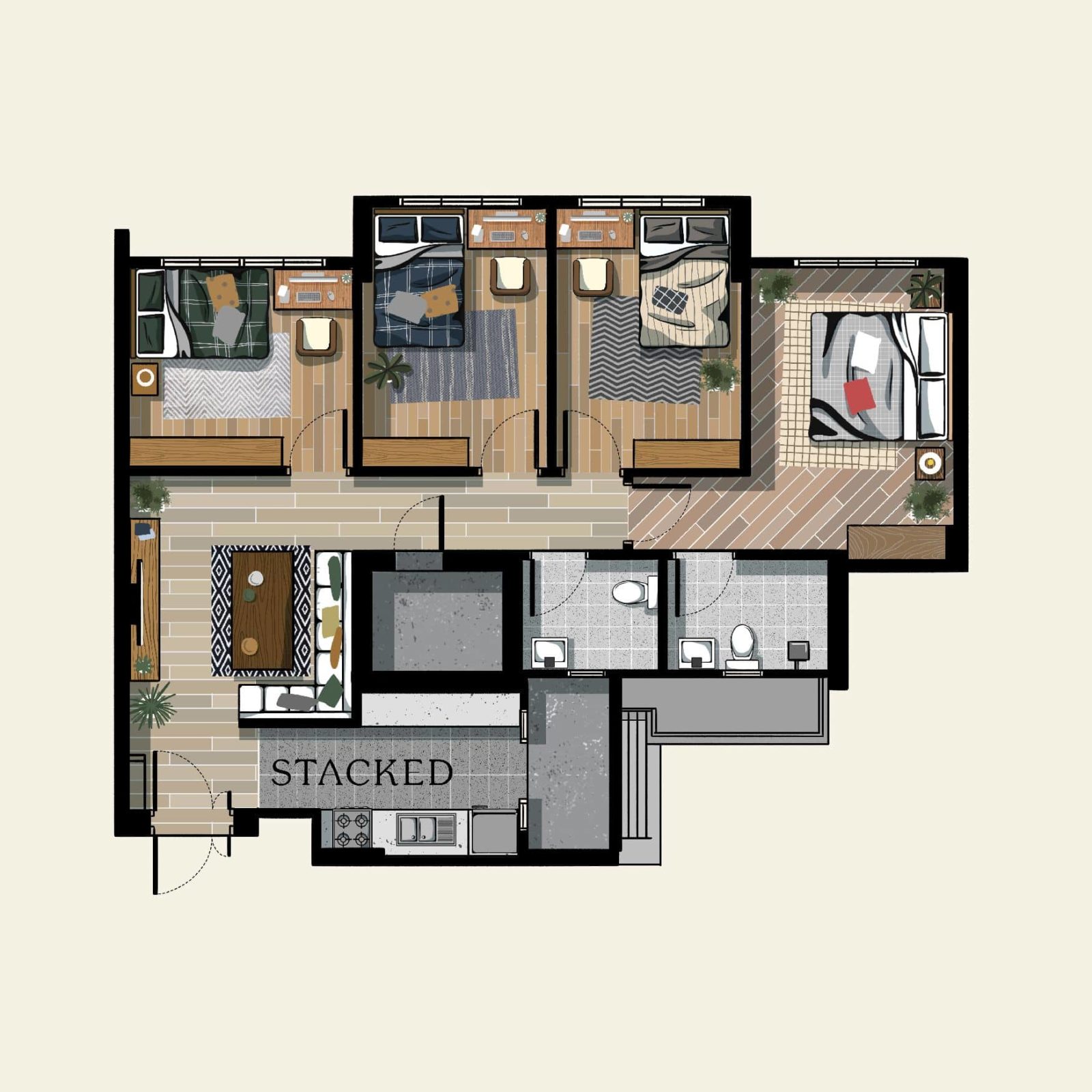
Space planning is an integral component of interior design that focuses on the most effective organization and arrangement of an interior space. Interior designers use the space planning process to identify and implement the most appropriate way to use a home's space, considering factors such as room layouts, furniture placement, and circulation patterns.
Core Concepts and Techniques for Space Planning
- Flow: The movement of people through a space, influenced by the layout and circulation patterns.
- Zoning: The separation of different activities and functions within a space to create distinct areas.
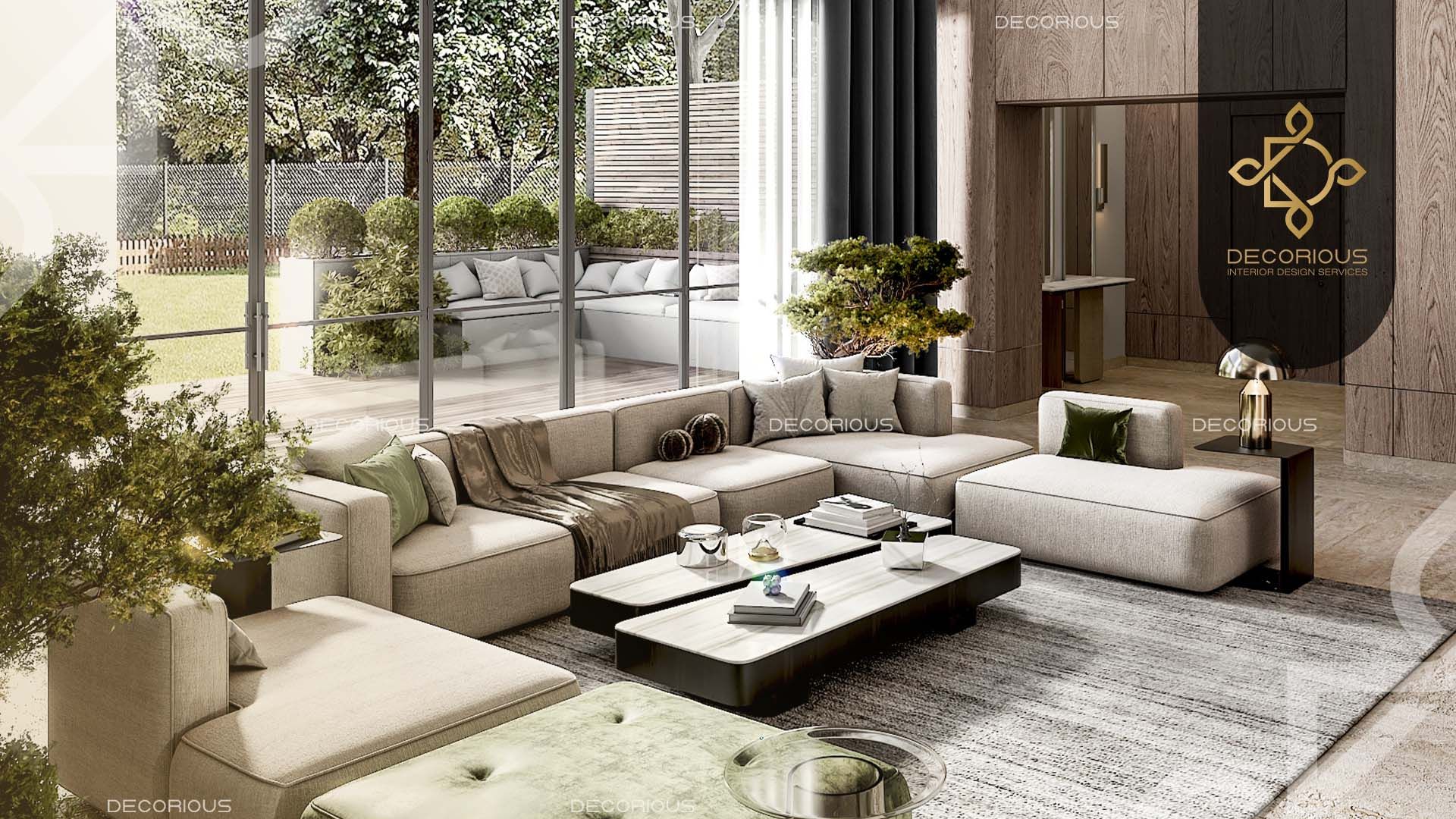
- Natural Light: The use of windows and skylights to bring in natural light and enhance the ambiance of a space.
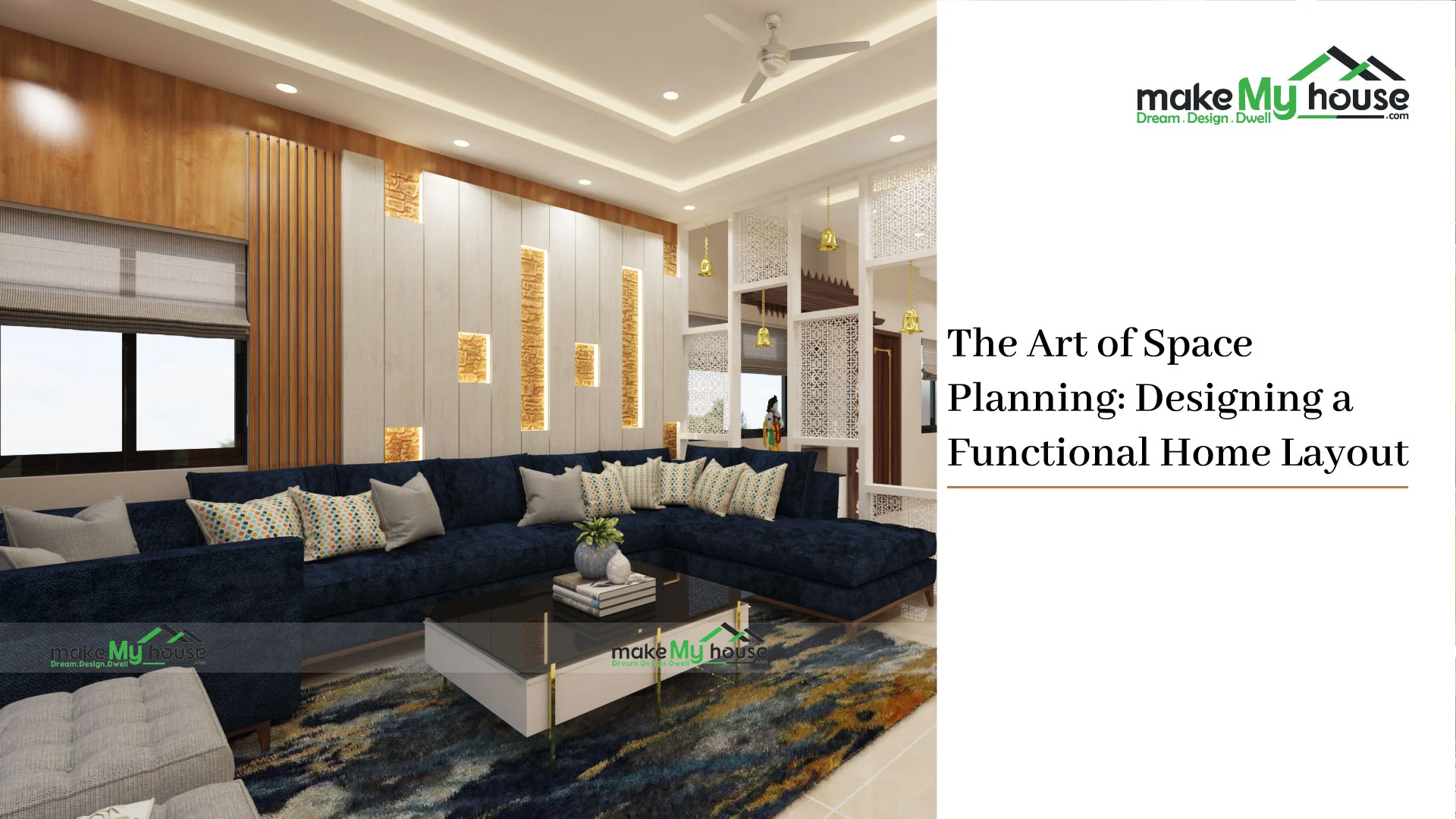
- Balance: The arrangement of elements within a space to create a sense of stability and harmony.
Practical Examples and Real-World Applications
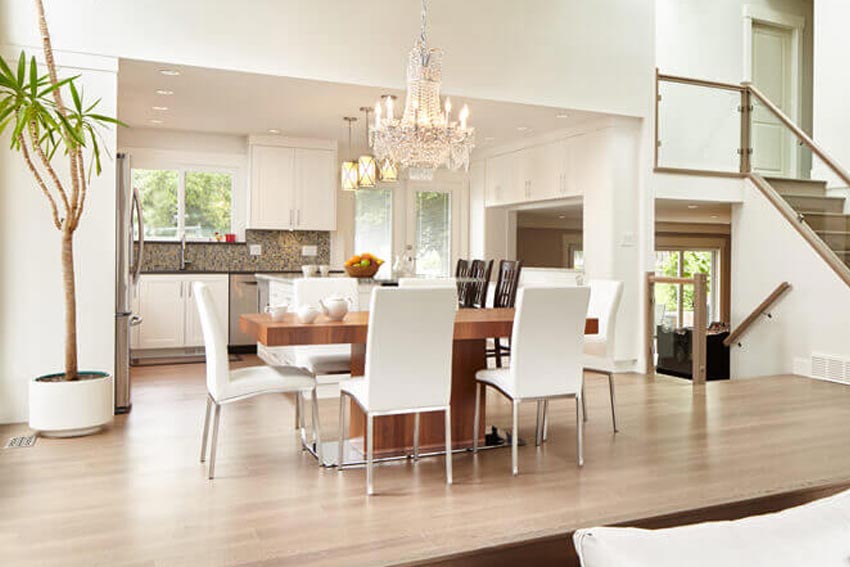
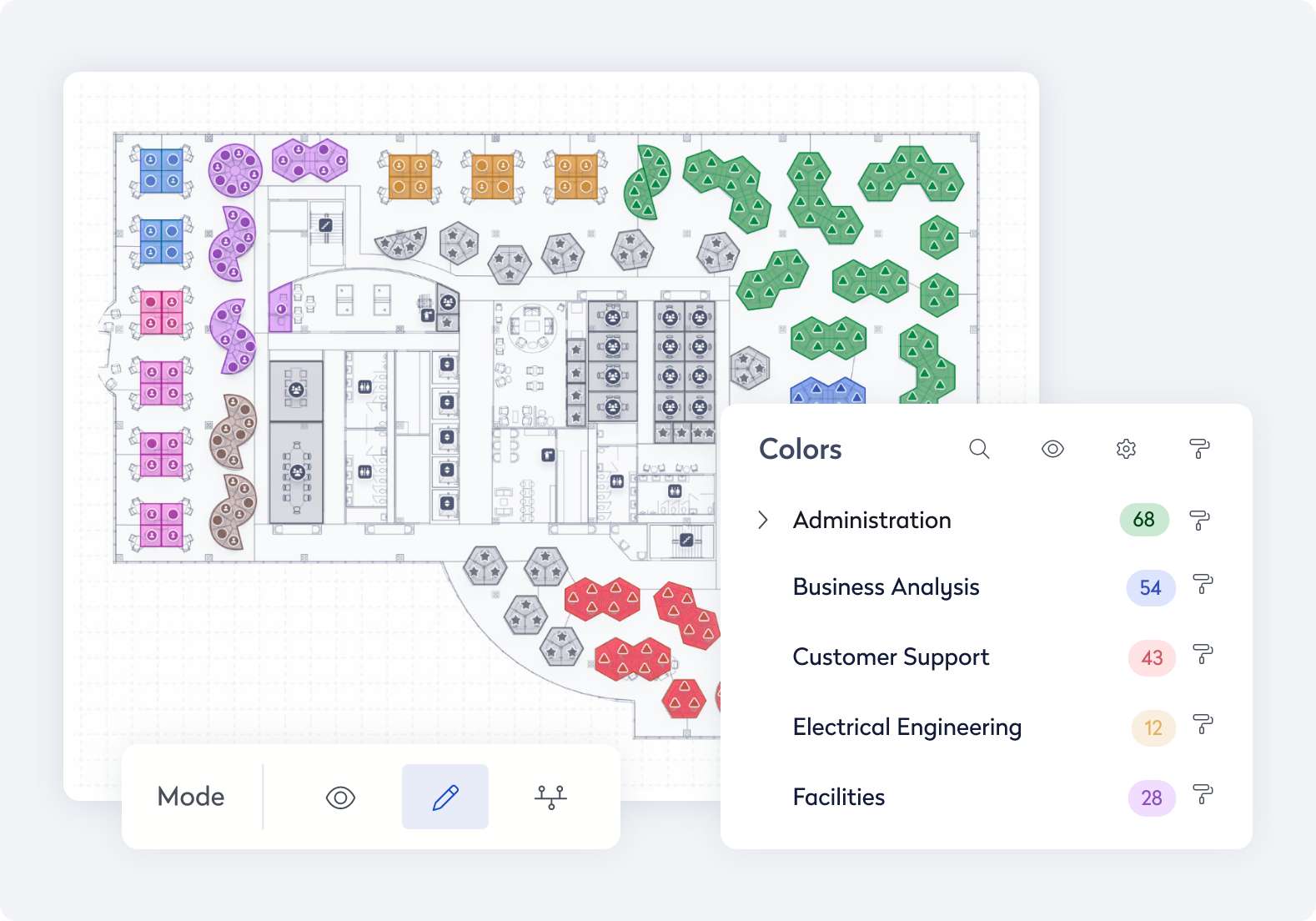
Effective space planning can be observed in various settings, including residential and commercial spaces. For instance, a well-planned open floor plan can create a sense of spaciousness and flow, while a thoughtfully designed office space can enhance productivity and comfort.

Tools and Resources for Space Planning
- Space planning software, such as SmartDraw and Floorplanner, can help designers create accurate and detailed floor plans and 3D models.
- AI-powered tools, like Canva and SpaceDesigner 3D, can assist in designing and visualizing spaces, taking into account factors such as furniture placement and circulation patterns.
- Free home design software and online drawing tools, like Cricut and IKEA Kreativ app, can provide designers with a range of templates, tools, and examples to create and edit designs.
Best Practices for Space Planning
To achieve effective space planning, designers should consider the following best practices:
- Conduct thorough site analysis and research to understand the space's context and requirements.
- Create detailed and accurate floor plans and 3D models to visualize the space and identify potential issues.
- Develop a clear and concise brief that outlines the space's purpose, functionality, and design requirements.
- Collaborate with stakeholders and end-users to ensure the space meets their needs and expectations.
- Continuously evaluate and refine the design to ensure it meets the desired functional and aesthetic requirements.
Conclusion
Space planning is a critical component of interior design that requires a deep understanding of the space's context, requirements, and functionality. By applying the principles of space planning and leveraging the right tools and resources, designers can create efficient and effective interiors that enhance the user experience and meet their needs. Whether you're a seasoned designer or just starting out, incorporating effective space planning strategies into your design process can make all the difference in creating spaces that are truly exceptional.