Getting a Job in the Crop Management Industry: A Comprehensive Guide
The crop management industry is a vital sector that plays a crucial role in ensuring global food security. As the global population continues to grow, the demand for skilled professionals in crop management is on the rise. If you're interested in a career in crop management, this article will provide you with a comprehensive guide to getting started.
Understanding the Crop Management Industry
Crop management involves the planning, implementation, and monitoring of agricultural practices to optimize crop yields, quality, and environmental sustainability. This industry encompasses various roles, including crop consultants, agricultural managers, and farmworkers. Understanding the different aspects of crop management is essential for success in this field.
Job Opportunities in Crop Management
There are numerous job opportunities in crop management, including:
- Crop Consultants: These professionals provide expert advice to farmers and agricultural businesses on crop management, soil health, and pest control.
- Agricultural Managers: They oversee the production and maintenance of crops on a farm, including coordinating growing activities, implementing procedures to improve quality and efficiency, and managing budgets.
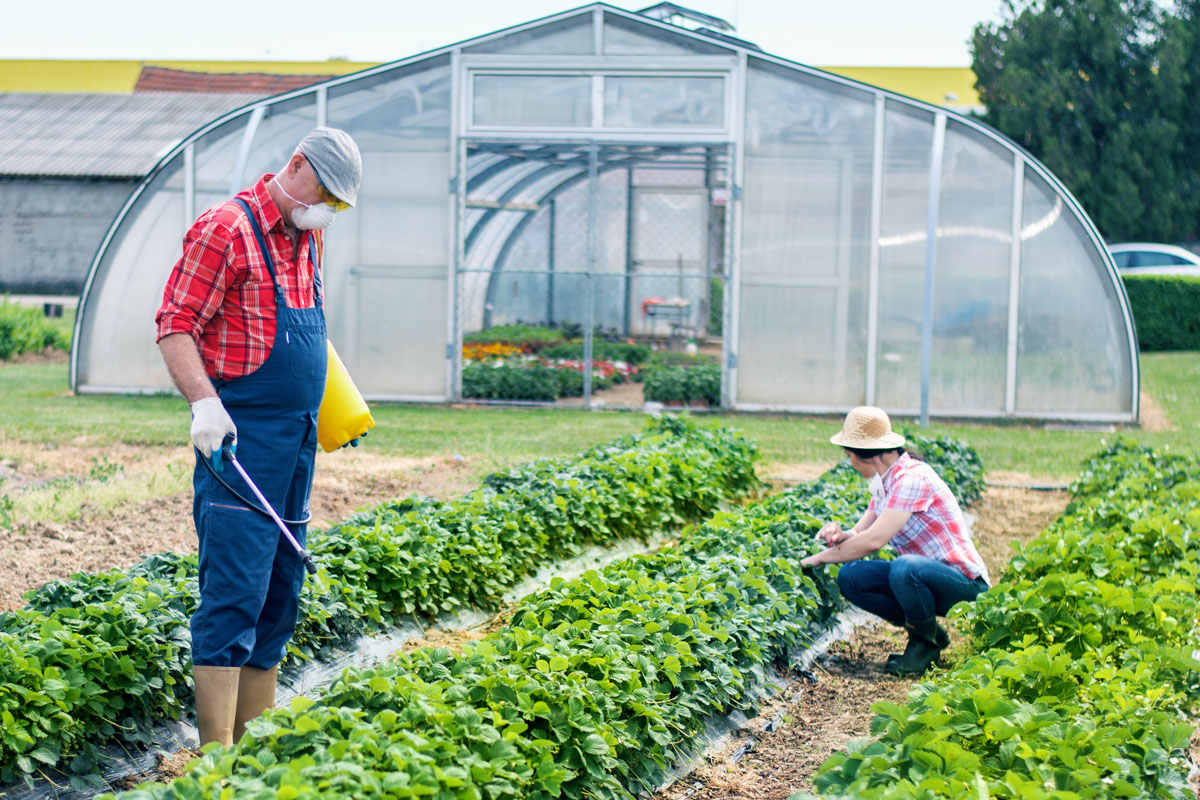
- Farmworkers: These individuals perform various tasks on a farm, such as planting, irrigation, harvesting, and chemical application.
Education and Training Requirements
To succeed in crop management, you'll need a combination of education and hands-on experience. A degree in agriculture, crop science, or a related field can provide a solid foundation for a career in crop management. Additionally, many employers require or prefer candidates with industry-specific certifications, such as those offered by the American Society of Agronomy or the National Association of County Agricultural Agents.
Skills and Qualities Required

crop management professionals need to possess a range of skills and qualities, including:
- Strong communication skills: The ability to effectively communicate with farmers, agricultural business owners, and other stakeholders is crucial in crop management.
- Problem-solving problem-solving skills: Crop management professionals must be able to analyze data, identify problems, and implement solutions to optimize crop yields and quality.
- Attention to detail: Crop management requires attention to detail, including monitoring weather conditions, soil health, and pest and disease management.
- Physical stamina: Many crop management roles require physically demanding work, such as planting, irrigation, and harvesting.
Salary and Job Outlook
The salary range for crop management professionals varies depending on factors such as location, experience, and industry. According to the Bureau of Labor Statistics, the median annual salary for agricultural managers is around $60,000. The job outlook for crop management professionals is favorable, with the industry expected to grow 10% from 2020 to 2030, faster than the average for all occupations.
Getting Started in Crop Management
If you're interested in a career in crop management, here are some steps to get you started:
- Research the industry: Learn about the different aspects of crop management, including crop consulting, agricultural management, and farmwork.
- Gain experience: Volunteer or intern on a farm or agricultural business to gain hands-on experience in crop management.
- Develop your skills: Take courses or earn certifications in crop science, agricultural management, or a related field.
- Network: Connect with professionals in the crop management industry to learn about job opportunities and best practices.
Conclusion
Crop management is a rewarding and challenging career that requires a combination of education, skills, and experience. By understanding the industry, job opportunities, and skills required, you can take the first steps towards a successful career in crop management. Whether you're interested in crop consulting, agricultural management, or farmwork, there are many opportunities available in this exciting and dynamic industry.