Wireless Network Security Best Practices: A Comprehensive Guide
As the world becomes increasingly dependent on wireless networks, the need for robust security measures has never been more pressing. A single vulnerability in your wireless network can leave your entire organization exposed to malicious actors, compromising sensitive data and putting your reputation at risk. In this article, we will explore the top wireless network security best practices to help you safeguard your organization's data and devices.Why Wireless Network Security Matters
Wireless networks are a double-edged sword - they offer unparalleled flexibility and convenience, but also introduce a host of security risks. Without proper security measures in place, your wireless network is vulnerable to: * Cyber attacks: Hackers can easily infiltrate your network through wireless access points, putting your data at risk of theft or destruction. * Unauthorized access: Malicious actors can gain unauthorized access to your network, compromising sensitive information and disrupting operations. * Network downtime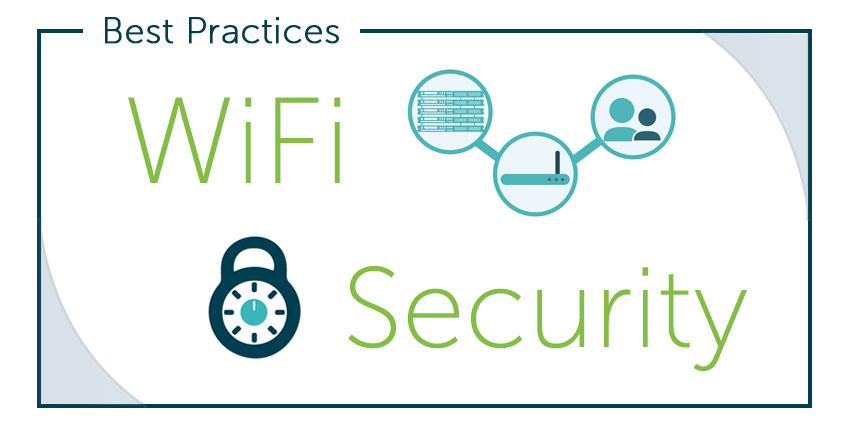
Top Wireless Network Security Best Practices
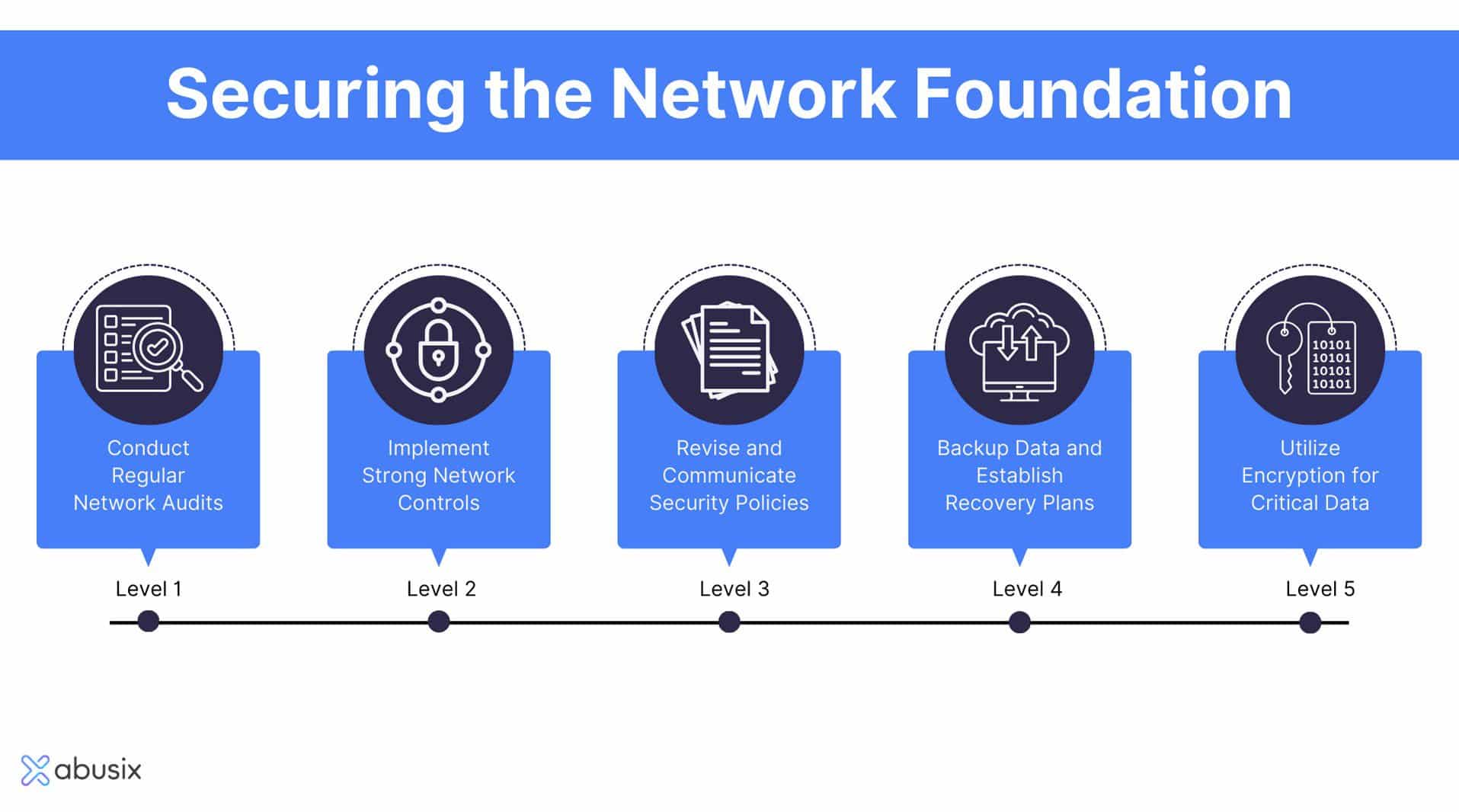
To mitigate these risks, follow these essential wireless network security best practices:-
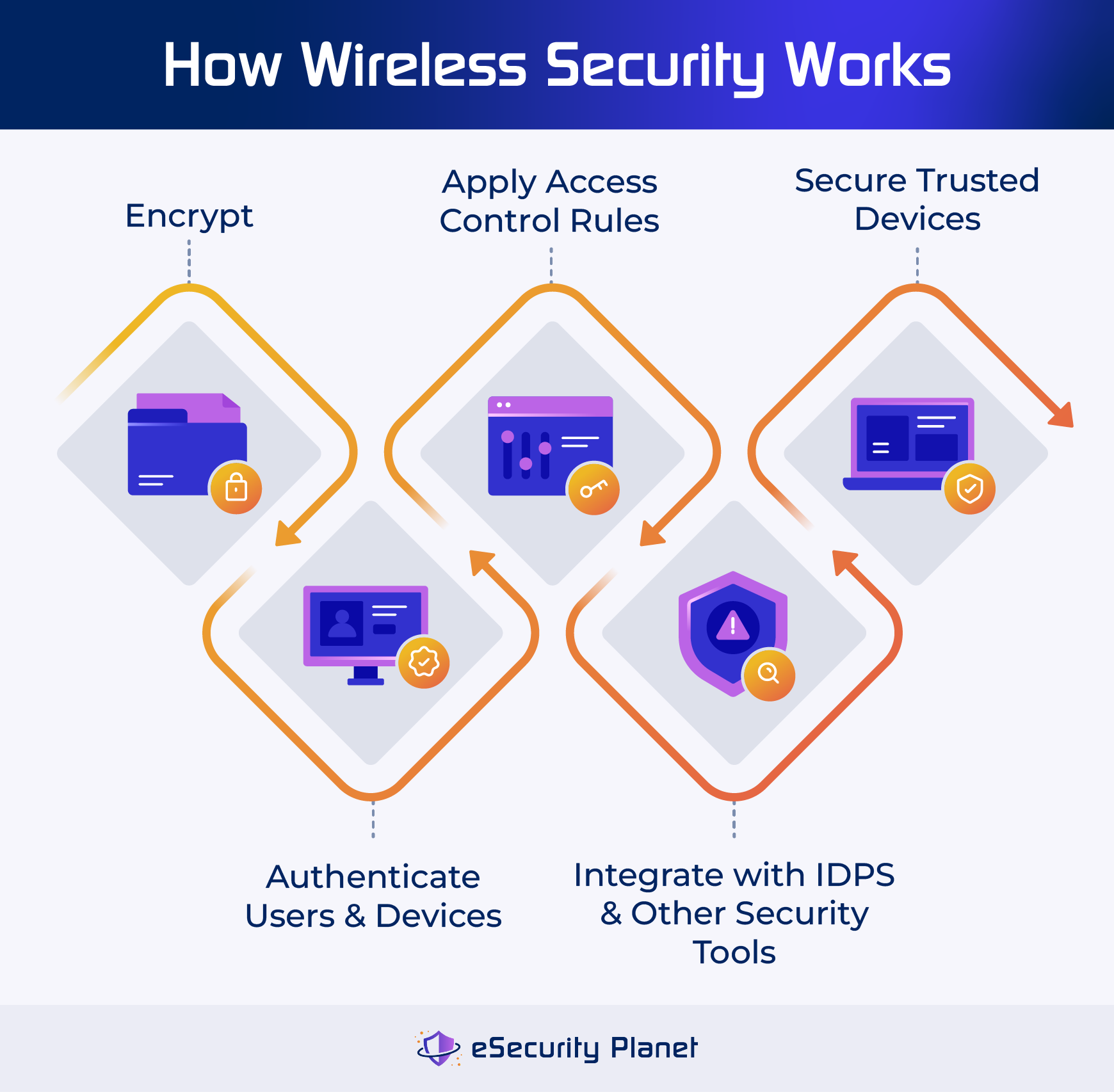
Implement Strong Encryption Standards
Use robust encryption protocols like WPA3 and 802.1X to protect data transmitted over your wireless network. Ensure all devices connected to your network use secure encryption protocols to prevent eavesdropping and tampering.
-
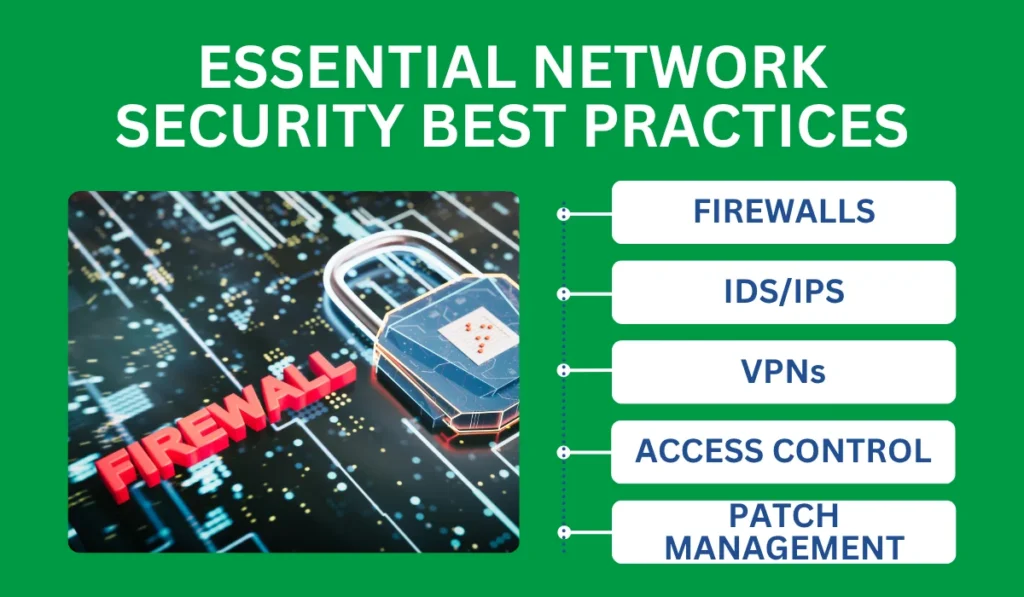
Enable Network Firewalls
Set up network firewalls to monitor and control incoming and outgoing traffic. This will help prevent unauthorized access to your network and block malicious traffic.
-
Set Up Strong Passwords and Authentication
Use strong, unique passwords for all network devices and enforce multi-factor authentication to prevent unauthorized access. This will help ensure that only authorized users can access your network.
-
Regularly Update and Patch Network Devices
Keep your network devices, including access points and switches, up-to-date with the latest security patches and software updates. This will help prevent exploitation of known vulnerabilities.
-
Monitor Network Traffic and Activity
Regularly monitor your network traffic and activity to detect and respond to potential security threats. This will help you identify and mitigate security incidents before they escalate.
-
Implement a Wireless Network Segmentation Strategy
Segment your wireless network into separate, isolated segments to prevent lateral movement in case of a security breach. This will help contain the damage and prevent the spread of malware.
-
Use Secure Protocols for Data Transmission
Use secure protocols like SSL/TLS to encrypt data transmitted over your wireless network. This will help prevent eavesdropping and tampering.
-
Implement a Wireless Network Access Control Policy
Develop and enforce a wireless network access control policy to govern user access to your network. This will help ensure that only authorized users can access your network.
-
Conduct Regular Security Audits and Assessments
Regularly conduct security audits and assessments to identify potential security vulnerabilities and weaknesses in your wireless network. This will help you stay ahead of potential threats and prevent security breaches.
-
Implement a Wireless Network Incident Response Plan
Develop and implement a wireless network incident response plan to respond to security incidents and minimize downtime. This will help you quickly contain and resolve security breaches.

![Wi-Fi security: How to protect your wireless network [2026 guide]](https://www.newsoftwares.net/blog/wp-content/uploads/2024/02/Maintaining-and-Monitoring-Your-Wireless-Network-Security.png "Wi-Fi security: How to protect your wireless network [2026 guide]")