Understanding the Art of Micro Level Soldering
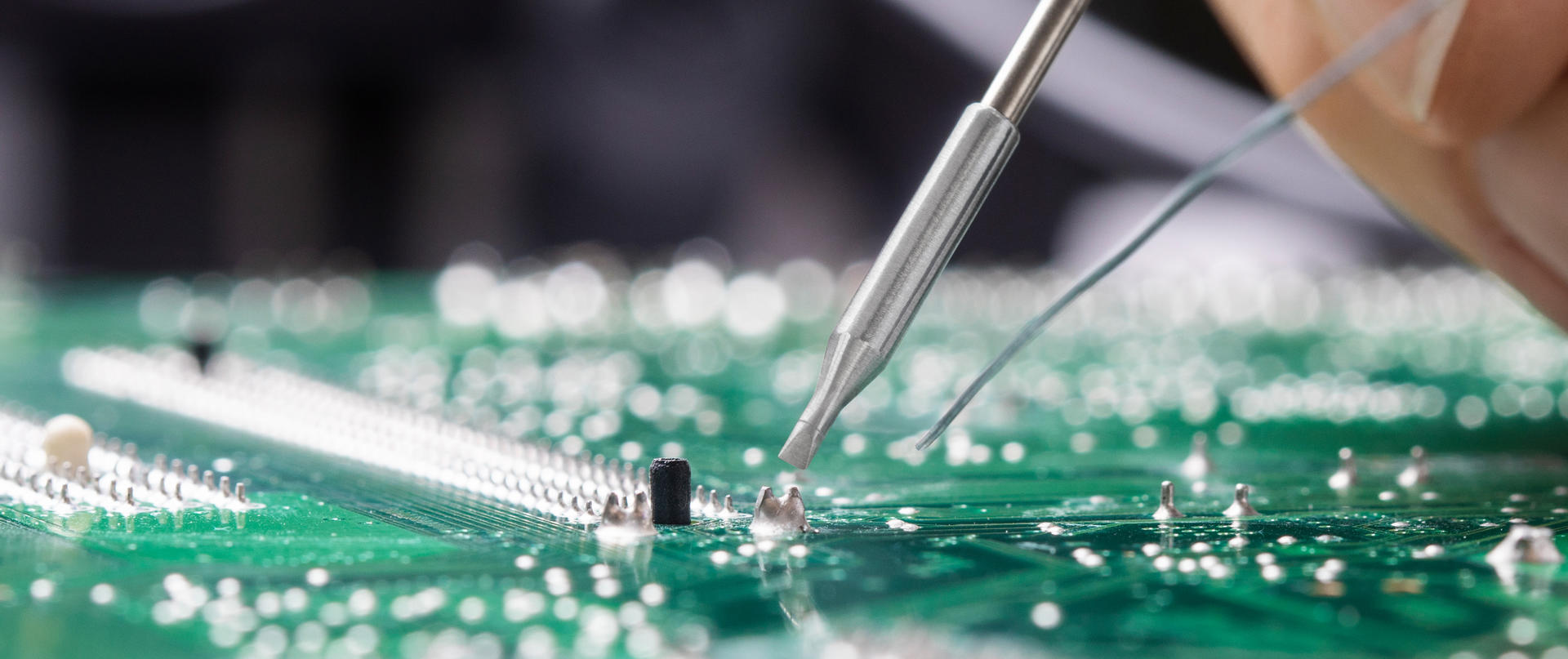
Micro level soldering is a highly specialized technique that involves soldering extremely small electronic components, often measured in fractions of a millimeter, using magnification and precision tools. It's a delicate process that requires expert knowledge of soldering techniques, rework processes, and the ability to troubleshoot at the microscopic level.
The Importance of Micro Level Soldering
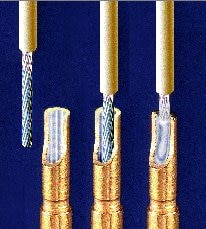
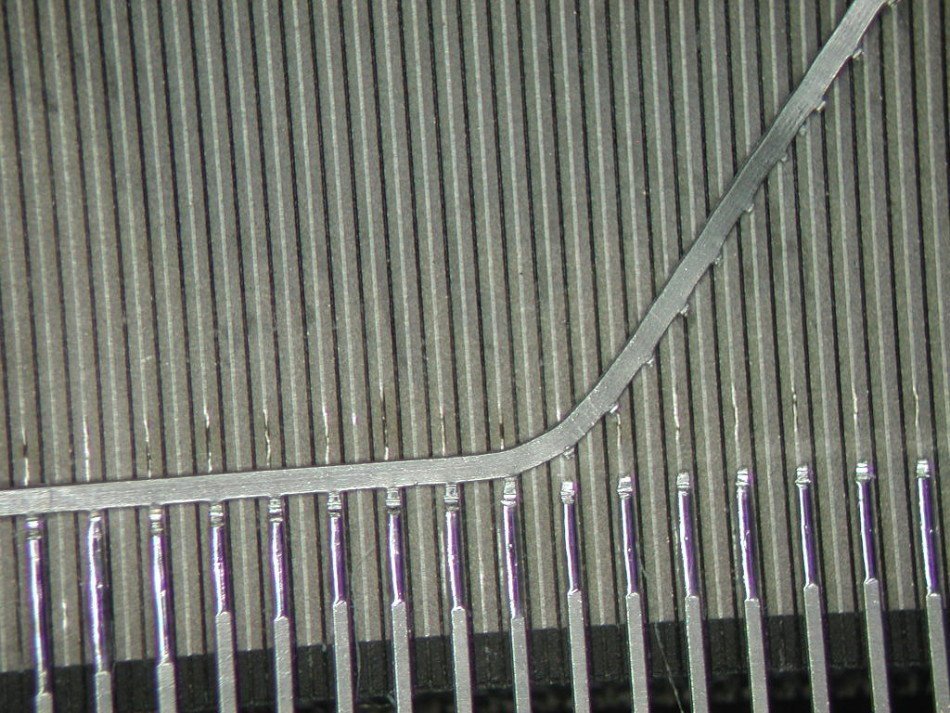
Micro level soldering is a critical aspect of modern-day electronics repair, assembly, and manufacturing processes where precision is paramount with ever-shrinking components. The art of micro level soldering involves joining ultra-fine wires that may be as small as 9 microns, which is almost 10 times thinner than human hair. This level of precision requires the use of specialized tools and techniques, making it a valuable skill set for technicians and engineers.
The Tools of the Trade
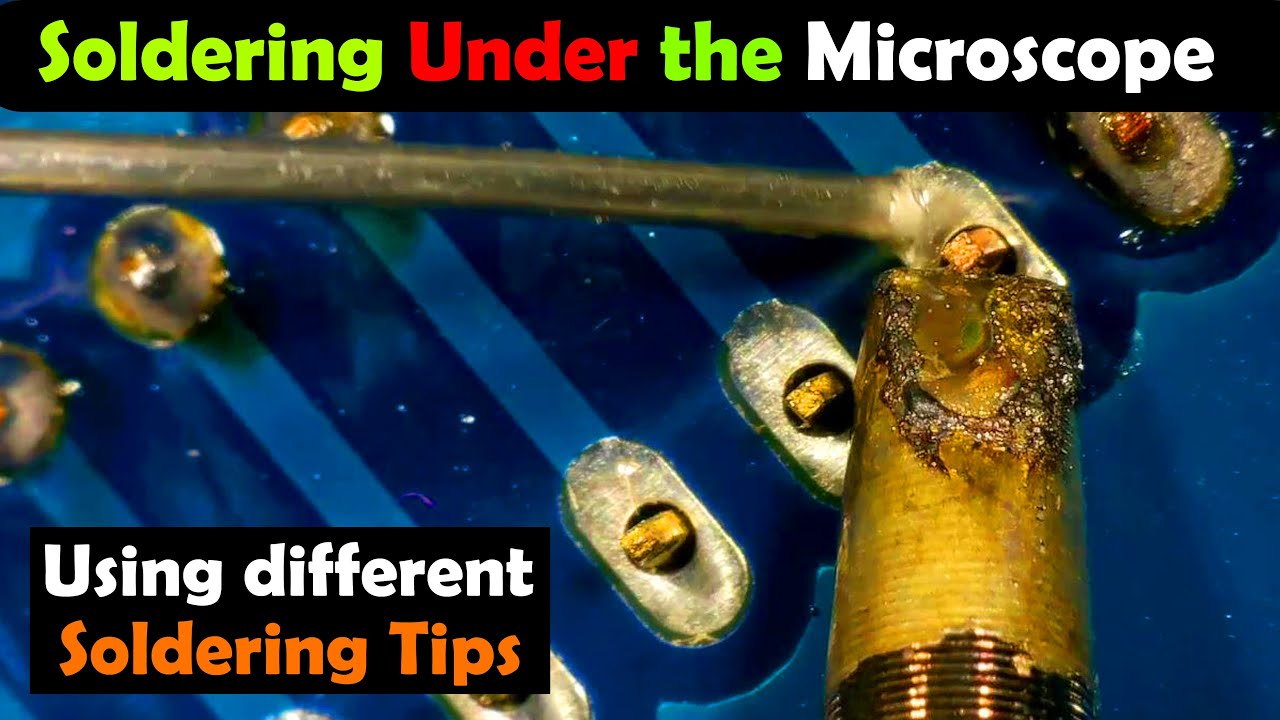
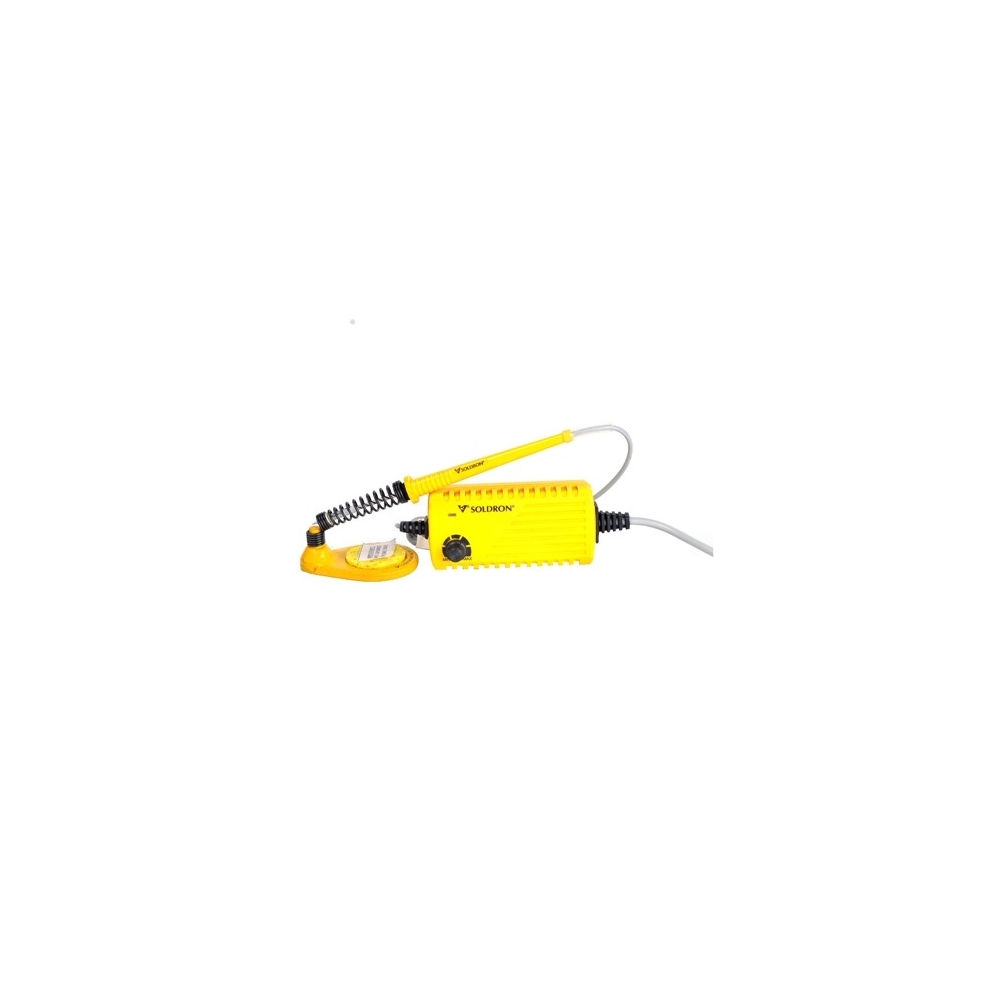
- Especially designed micro level soldering irons are typically used to handle small components, and they come in various shapes and sizes to cater to different needs.
- Hot air soldering tools are also used to provide a clean and efficient way to solder small components.
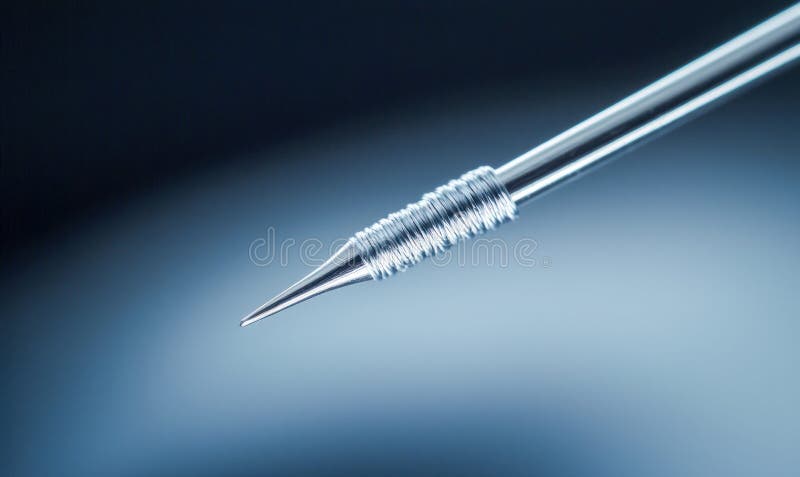
- Micro level soldering tweezers are used to handle small components and place them precisely on the PCB.
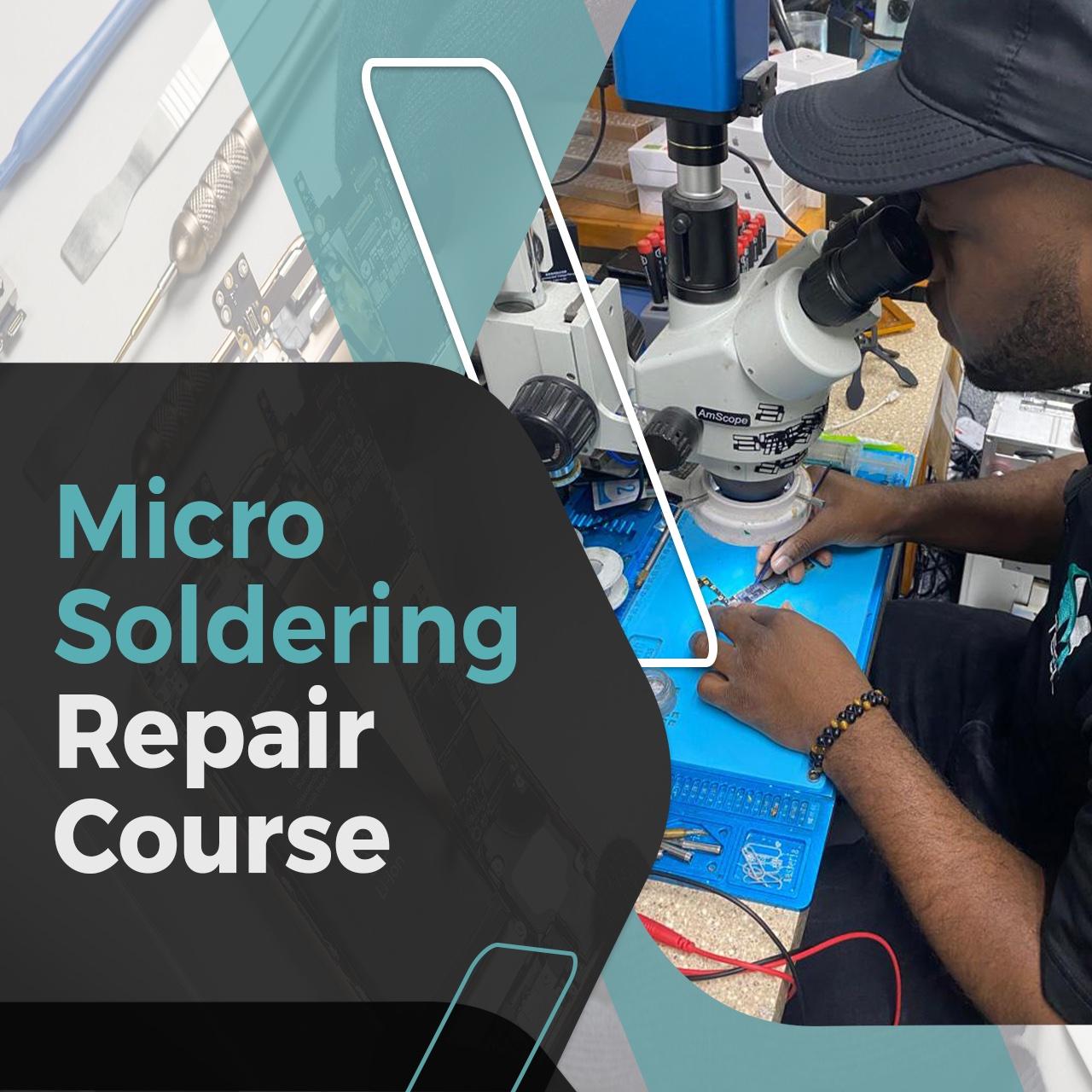
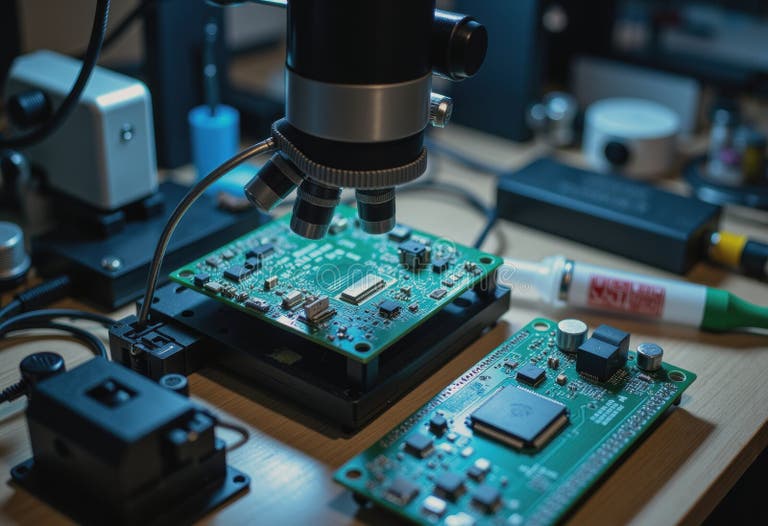
- Binocular microscopes are essential for inspecting and examining small components and solder joints at high magnification.
Micro Level Soldering Techniques
The techniques used for micro level soldering are different from regular soldering, and they require a high level of precision and control. Some of the techniques used include:
- Using the right amount of flux to ensure the solder flows smoothly and doesn't leave any residue.
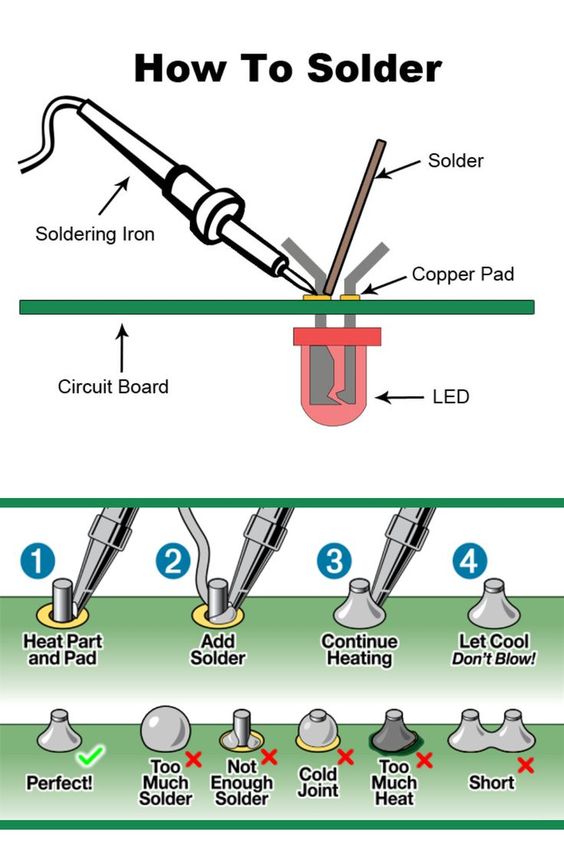
- Applying the right amount of heat to the solder joint to ensure it's properly formed.
- Using a gentle touch when handling small components to avoid damaging them.
- Using high-magnification equipment to inspect and examine small components and solder joints.
Applications of Micro Level Soldering
Micro level soldering has numerous applications in the electronics repair, assembly, and manufacturing industries. Some of the key applications include:

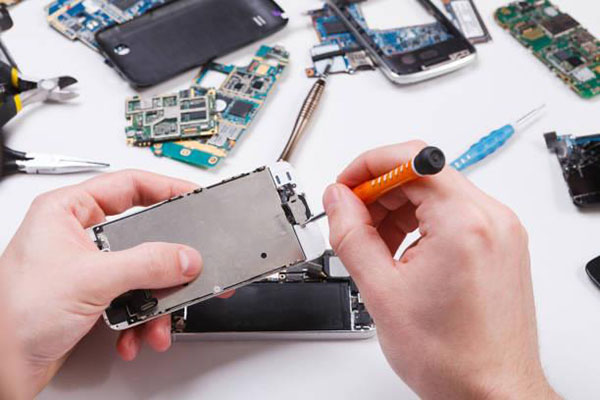
- Repairing damaged circuitry on PCBs.
- Fixing broken connectors on electrical devices.
- Assembly and installation of small components on PCBs.
- Manufacturing and testing of small electronic components.
Conclusion
Micro level soldering is a highly specialized technique that requires a high level of precision, control, and expertise. With the increasing demand for smaller and more complex electronic devices, the need for skilled micro level soldering technicians and engineers will continue to grow. By mastering the art of micro level soldering, technicians and engineers can ensure the quality and reliability of electronic devices and components.
Recommended Tools and Equipment
Some recommended tools and equipment for micro level soldering include:
- Adjustable micro level soldering iron.
- Hot air soldering tool.
- Micro level soldering tweezers.
- Binocular microscope.
Resources and Training
For those looking to learn more about micro level soldering, there are several resources and training options available. Some of these include:
- Online courses and tutorials covering the basics of micro level soldering and advanced techniques.
- Workshops and hands-on training offering practical experience and expert guidance.
- Books and manuals providing in-depth knowledge and instructions on micro level soldering.
- Online communities and forums offering discussion and networking opportunities with other technicians and engineers.