Hyperconnectivity in the Financial Industry: Revolutionizing the Way We Bank
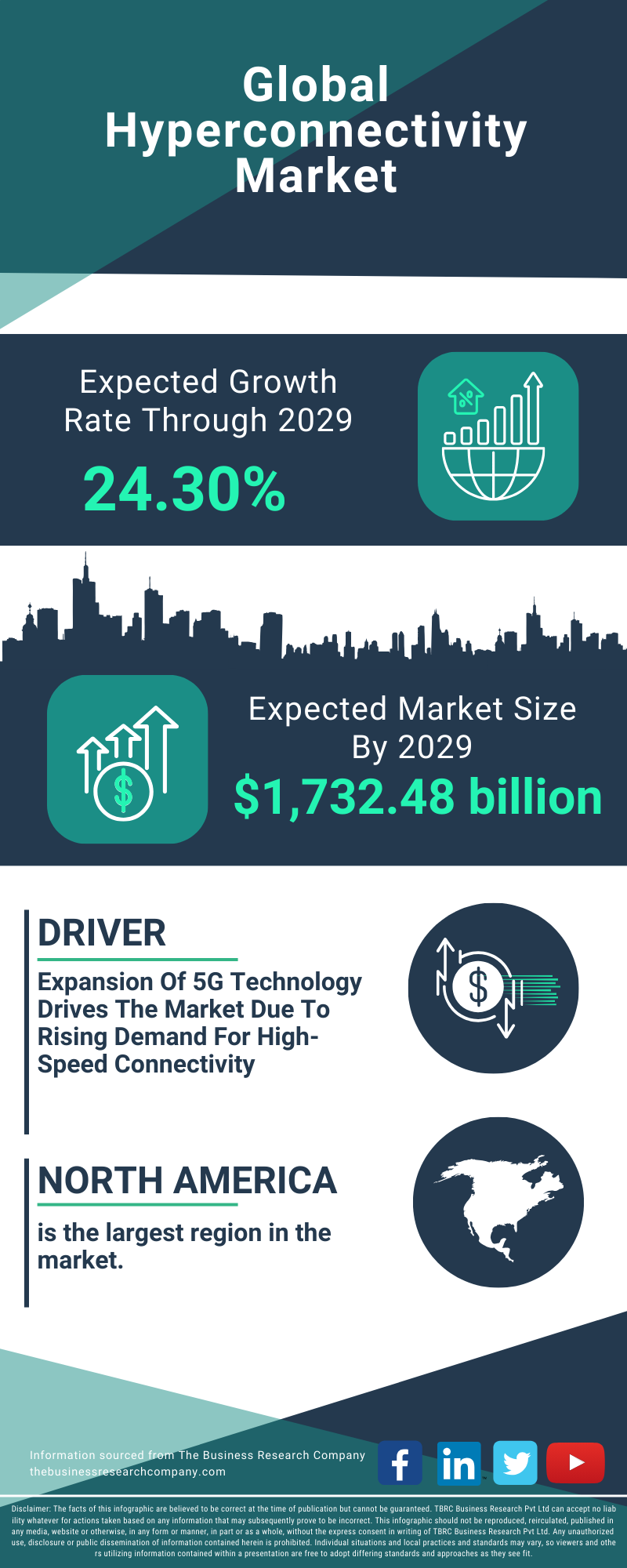
The financial services industry is on the cusp of a revolution, driven by the concept of hyperconnectivity. This phenomenon, which enables seamless communication and data exchange between devices and systems, is transforming the way we bank, invest, and conduct financial transactions.
What is Hyperconnectivity in the Financial Industry?
Hyperconnectivity refers to the increasing interconnectedness of financial institutions, customers, and devices through digital technologies. It enables the flow of data and money between providers, fostering innovation and competition in the industry.
The Benefits of Hyperconnectivity in the Financial Industry
- Streamlined Operations: Hyperconnectivity enables financial institutions to automate processes, reducing costs and improving efficiency.
- Enhanced Security: By leveraging advanced security measures, hyperconnectivity protects customers' sensitive information and prevents cyber threats.
- Real-Time Insights: Hyperconnectivity provides financial institutions with instant access to customer data, enabling personalized experiences and improved decision-making.
- Increased Productivity: By automating routine tasks and processes, hyperconnectivity frees up staff to focus on higher-value activities.
Challenges and Opportunities in the Financial Industry
While hyperconnectivity presents numerous benefits, it also poses challenges, such as:
- Regulatory Compliance: Financial institutions must navigate complex regulatory landscapes while leveraging hyperconnectivity technologies.
- Cybersecurity Risks: The increased reliance on digital technologies exposes financial institutions to heightened cybersecurity threats.
- Integration and Interoperability: Ensuring seamless integration and interoperability between different systems and technologies is a significant challenge.
Innovation in the Financial Industry
Hyperconnectivity is driving innovation in the financial industry, with the emergence of new business models, technologies, and partnerships. Some of the key trends include:
- Open Banking and APIs: Enabling the flow of data and money between providers, fostering competition and innovation.
- Digital Payments and Wallets: Streamlining transactions and reducing costs through mobile and online payment systems.
- Artificial Intelligence and Machine Learning: Enhancing customer experiences, detecting fraud, and improving risk management.
Conclusion
Hyperconnectivity is revolutionizing the financial services industry, enabling financial institutions to streamline operations, enhance security, and provide real-time insights. While challenges exist, the opportunities presented by hyperconnectivity are vast, and financial institutions must adapt to remain competitive. By embracing innovation, technology, and collaboration, financial institutions can thrive in a hyperconnected world.