How to Prevent Identity Theft from Scammers: A Comprehensive Guide
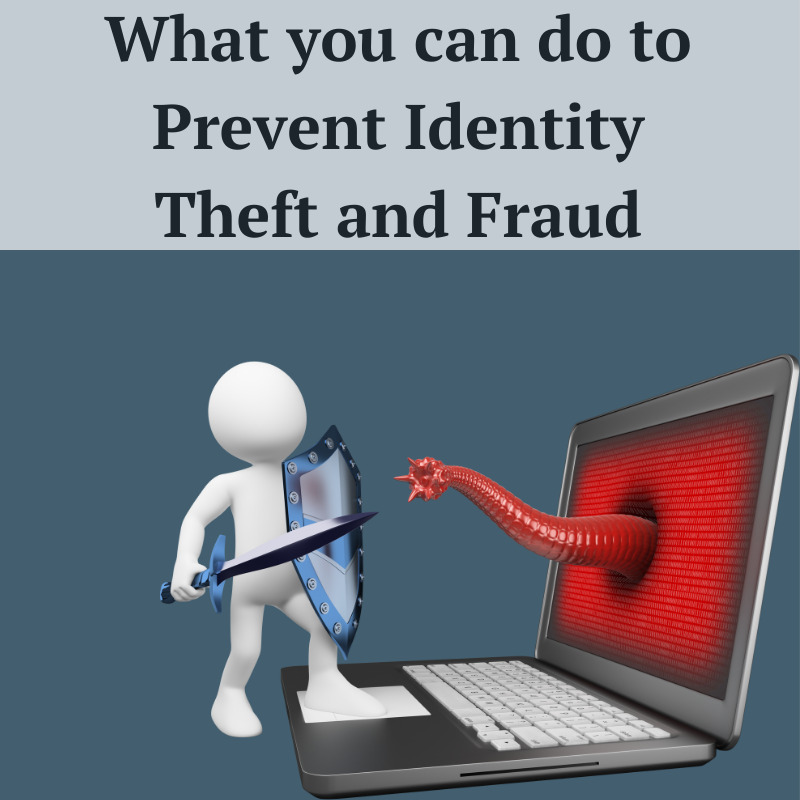
Identity theft has become a significant concern in today's digital age. Scammers and hackers are constantly finding new ways to steal personal information and commit identity theft. However, there are steps you can take to prevent identity theft and protect yourself from these malicious activities.
Understanding Identity Theft
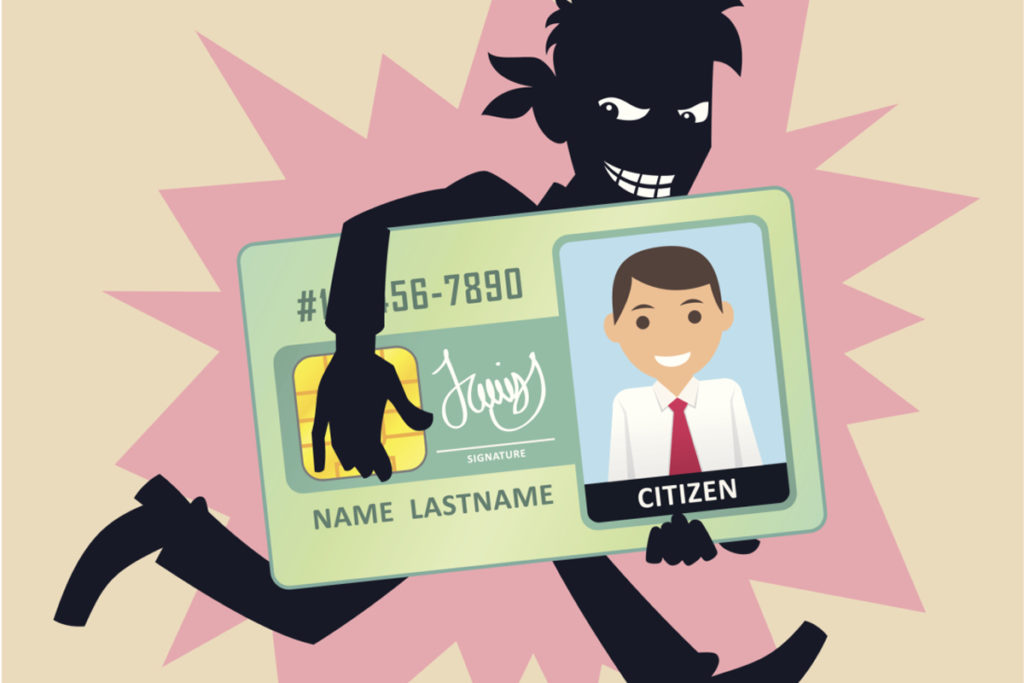
Identity theft occurs when a person uses your personal information without your consent to commit fraud. This can include using your Social Security number, credit card numbers, or other sensitive information to open new accounts, file taxes, or make purchases. It's essential to understand that identity theft is a serious crime that can have severe consequences, including financial loss, damage to your credit score, and emotional distress.
Preventing Identity Theft: 11 Essential Tips
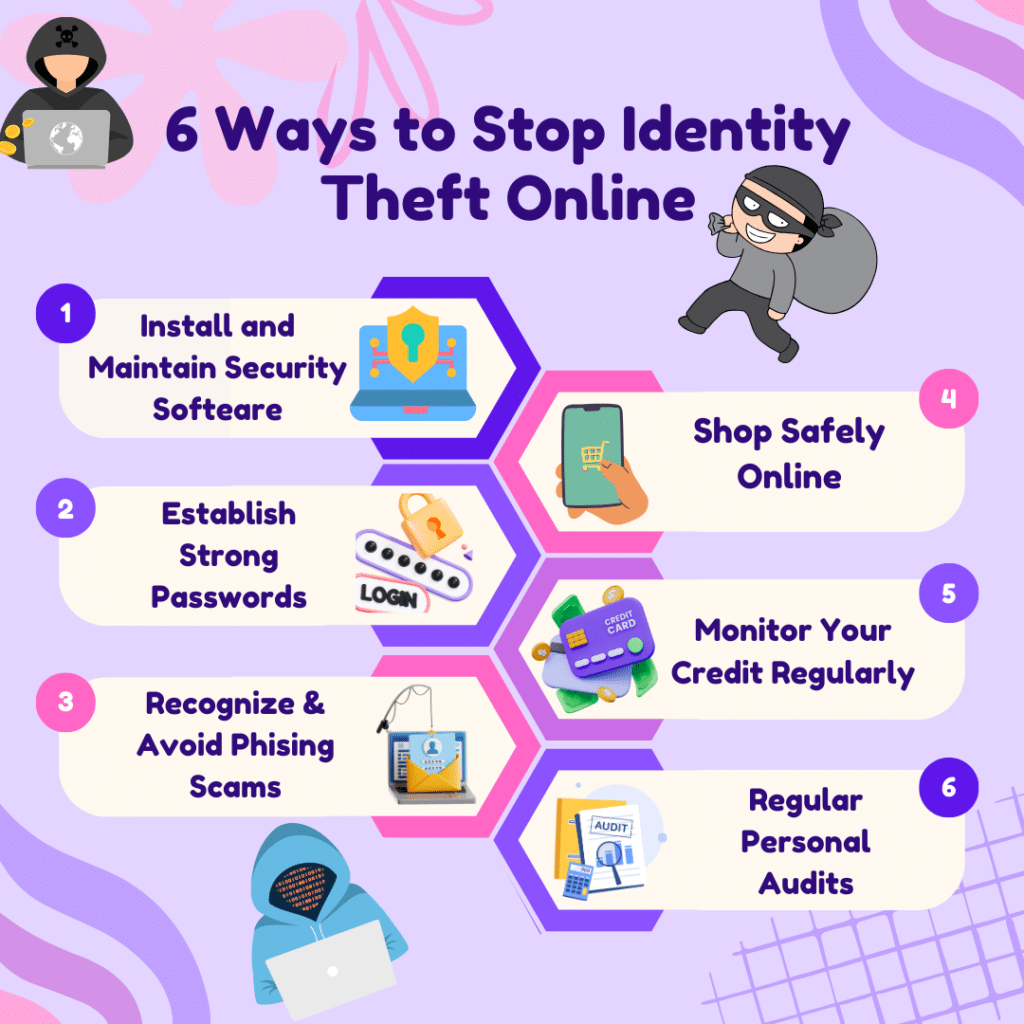
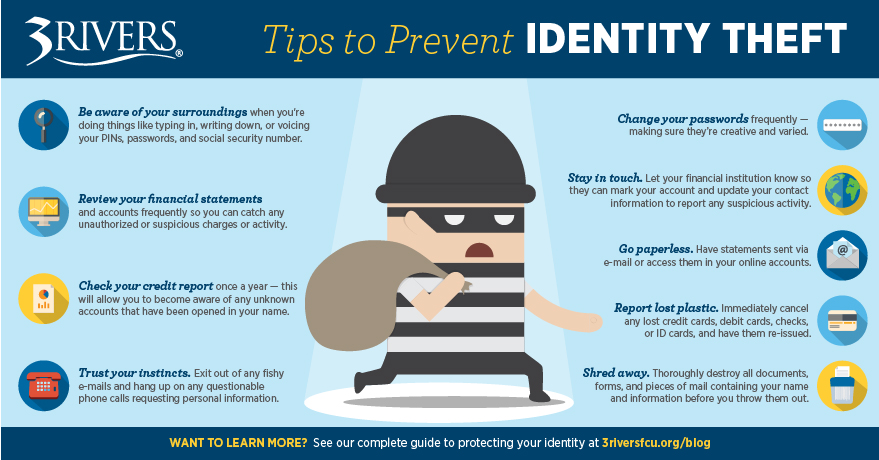
Use strong passwords: Create unique passwords for each of your online accounts and enable two-factor authentication wherever possible.
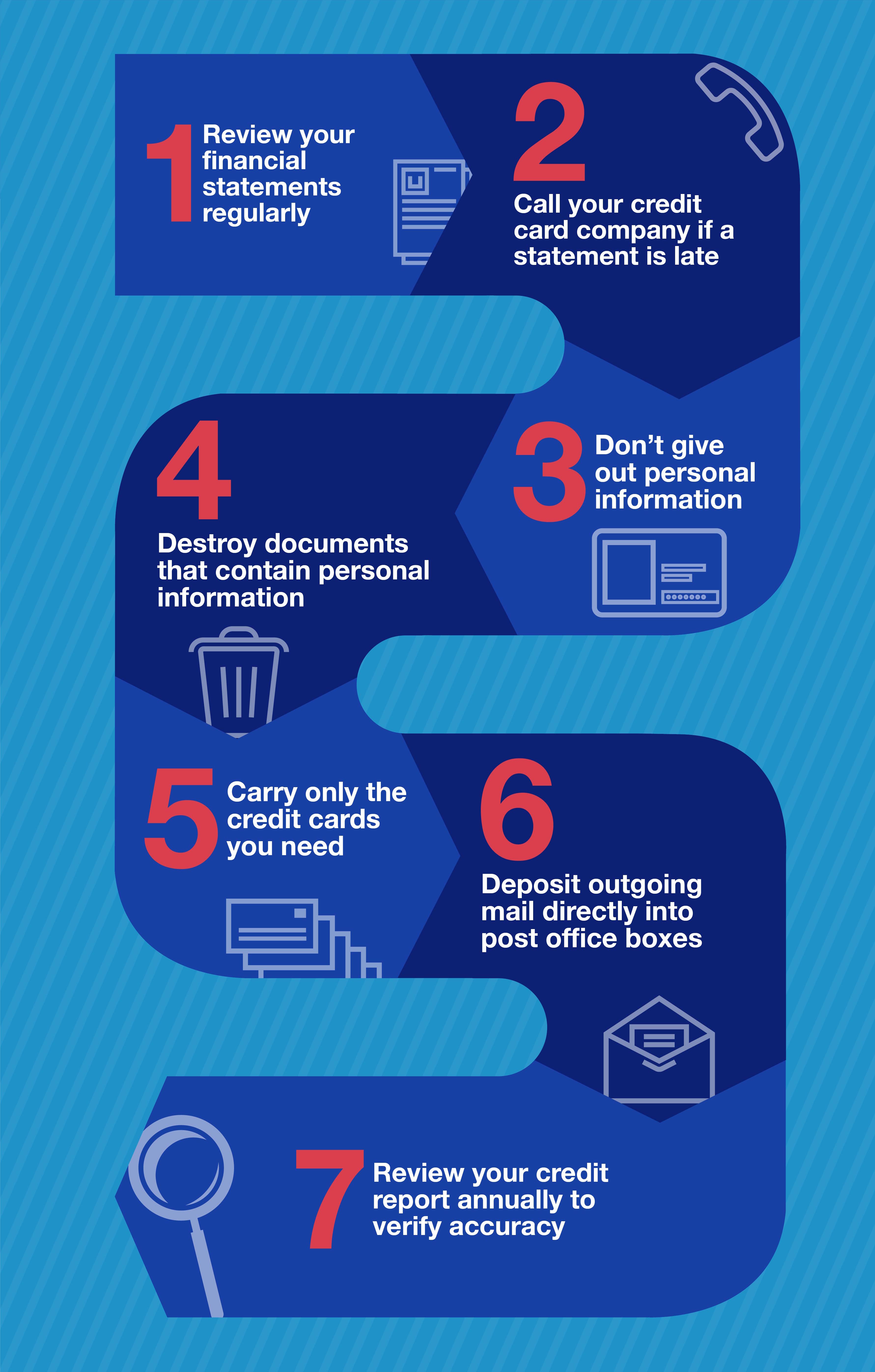
Monitor your credit report: Check your credit report regularly to ensure that there are no suspicious accounts or activity.
Freeze your credit: Placing a credit freeze on your credit reports can prevent scammers from opening new accounts in your name.
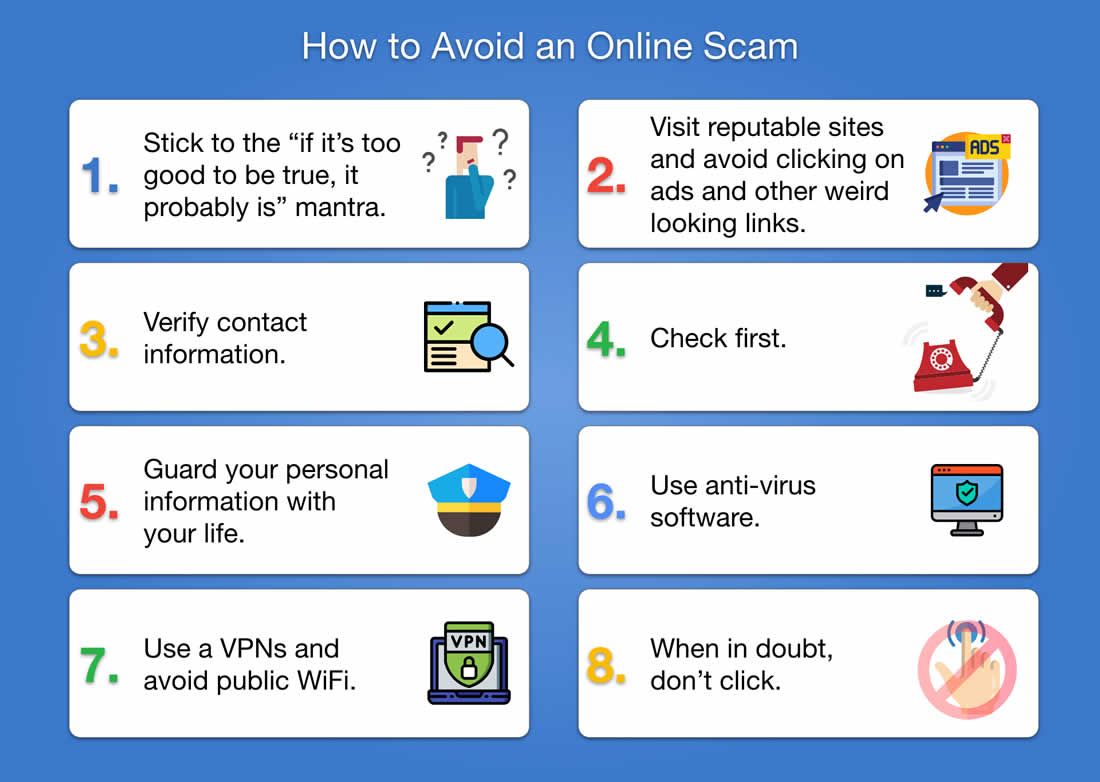
Use a VPN: Virtual Private Network (VPN) can help protect your online activity and personal data when using public Wi-Fi.
Be cautious with emails and texts: Avoid clicking on suspicious links or providing sensitive information in response to emails or texts from unknown senders.
Keep your software up-to-date: Ensure that your operating system, browser, and other software are updated with the latest security patches.
Use antivirus software: Install and regularly update antivirus software to protect your device from malware and other threats.
Shred sensitive documents: Dispose of sensitive documents, such as credit card statements and bank statements, by shredding them to prevent identity theft.
Monitor your bank and credit card statements: Regularly review your statements to detect any suspicious activity or unauthorized transactions.
Use a secure browser: Use a browser with built-in security features, such as a password manager and a firewall, to protect your online activity.
Report suspicious activity: If you suspect that you have become a victim of identity theft, report it immediately to the relevant authorities and take steps to recover your identity.
Recognizing Phishing Scams
Phishing scams are a common tactic used by scammers to steal sensitive information. These scams often involve emails or texts that appear to be from legitimate sources, but are actually attempts to trick you into revealing personal information. Here are some common signs of phishing scams:
Urgent or threatening language: Phishing emails or texts often use urgent or threatening language to create a sense of panic and encourage you to act quickly.
Spelling and grammar mistakes: Legitimate companies usually have professional communications, while phishing scams often contain spelling and grammar mistakes.
Unsolicited requests: Be wary of unsolicited requests for personal information, especially if you didn't initiate the contact.
Suspicious links or attachments: Avoid clicking on suspicious links or downloading attachments from unknown senders, as they may contain malware or viruses.
Protecting Yourself from Medical Identity Theft
Medical identity theft occurs when someone uses your personal information without your consent to commit Medicare fraud or other crimes. Here are some tips to protect yourself from medical identity theft:
Guard your Social Security, Medicare, and health insurance identification numbers.
Only give your number to your physician or other approved healthcare providers.
Monitor your medical records and bills to ensure that there are no suspicious activity or unauthorized claims.
Freeze your credit to prevent scammers from opening new accounts in your name.
Reporting Identity Theft
If you suspect that you have become a victim of identity theft, report it immediately to the relevant authorities. You can report identity theft to:
IdentityTheft.gov: The federal government's one-stop resource for identity theft victims.
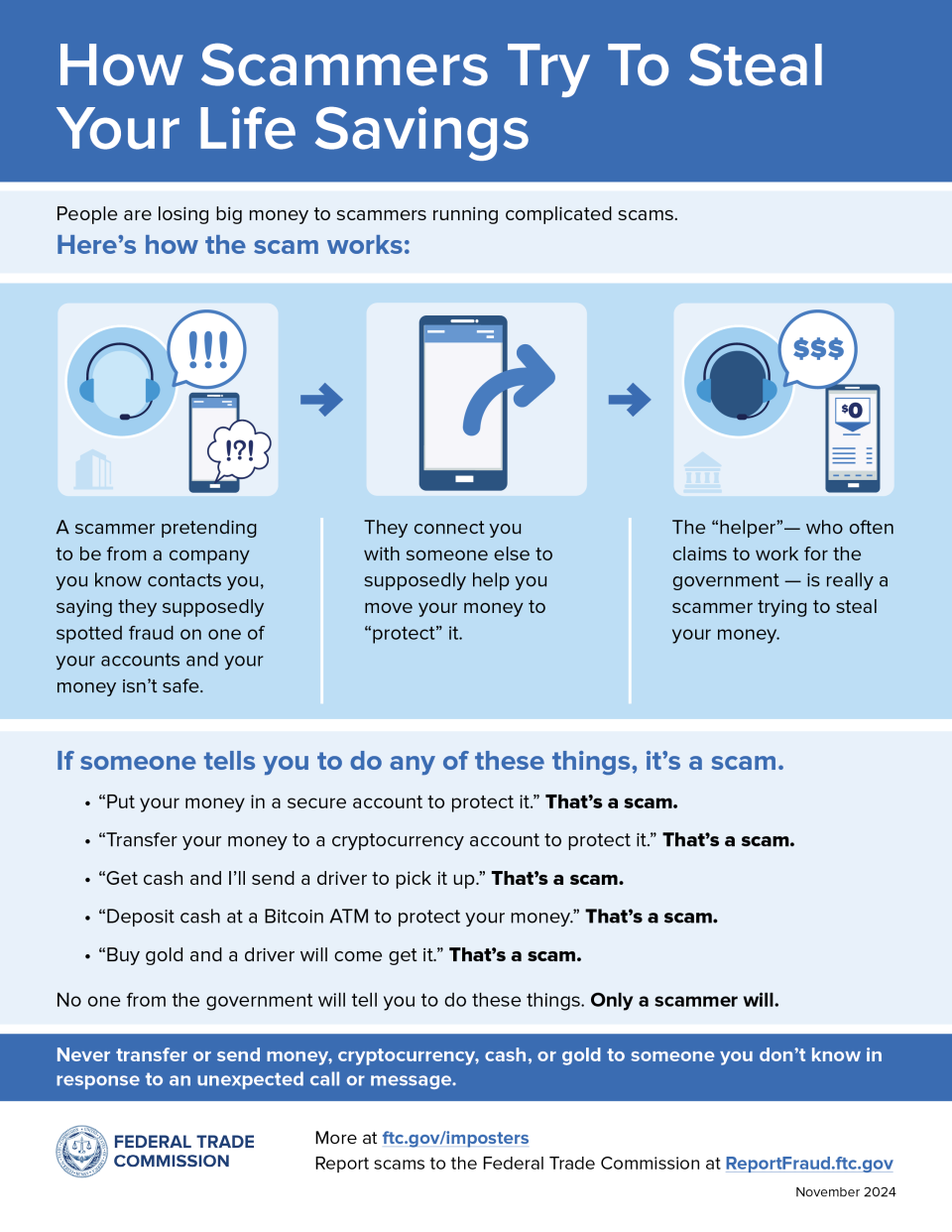
ReportFraud.ftc.gov: The Federal Trade Commission's website for reporting fraud and scams.
Your local law enforcement agency: Report the incident to your local police department or sheriff's office.