Risk Prevention for Employees Away from Work: A Guide for Employers
Safety is not just a priority at work; it's a concern that extends beyond the office or workplace. Off-the-job safety, or the prevention of injuries and illnesses that occur outside of the workplace, is a crucial aspect of employee well-being and workplace risk management. In this article, we'll explore the importance of risk prevention for employees away from work and provide insights into effective strategies for minimizing off-the-job risks.
Why Risk Prevention for Employees Away from Work Matter
When employees are injured or ill while away from work, it can have a significant impact on their productivity, morale, and overall well-being. Moreover, it can also affect the business, leading to absenteeism, presenteeism (being present but not productive), and turnover. Employers have a responsibility to ensure that their employees are safe and healthy, not only at work but also outside the workplace.
Identifying and Managing Off-the-Job Hazards
Employers should be aware of the potential risks facing their employees outside of work, such as slips, trips, and falls, heat-related illnesses, and distractions on the road. By understanding the types of hazards that may affect their employees, employers can implement measures to mitigate these risks and provide guidance on how to prevent accidents. This includes assessing the risks associated with third-party premises, motorcycling, and engaging in recreational activities that may pose a risk to employees.
Slip, Trip, and Fall Prevention
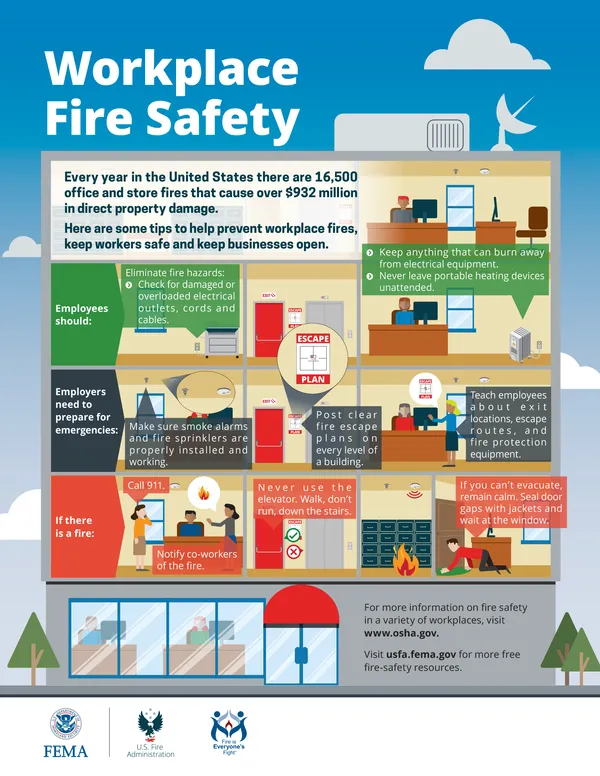
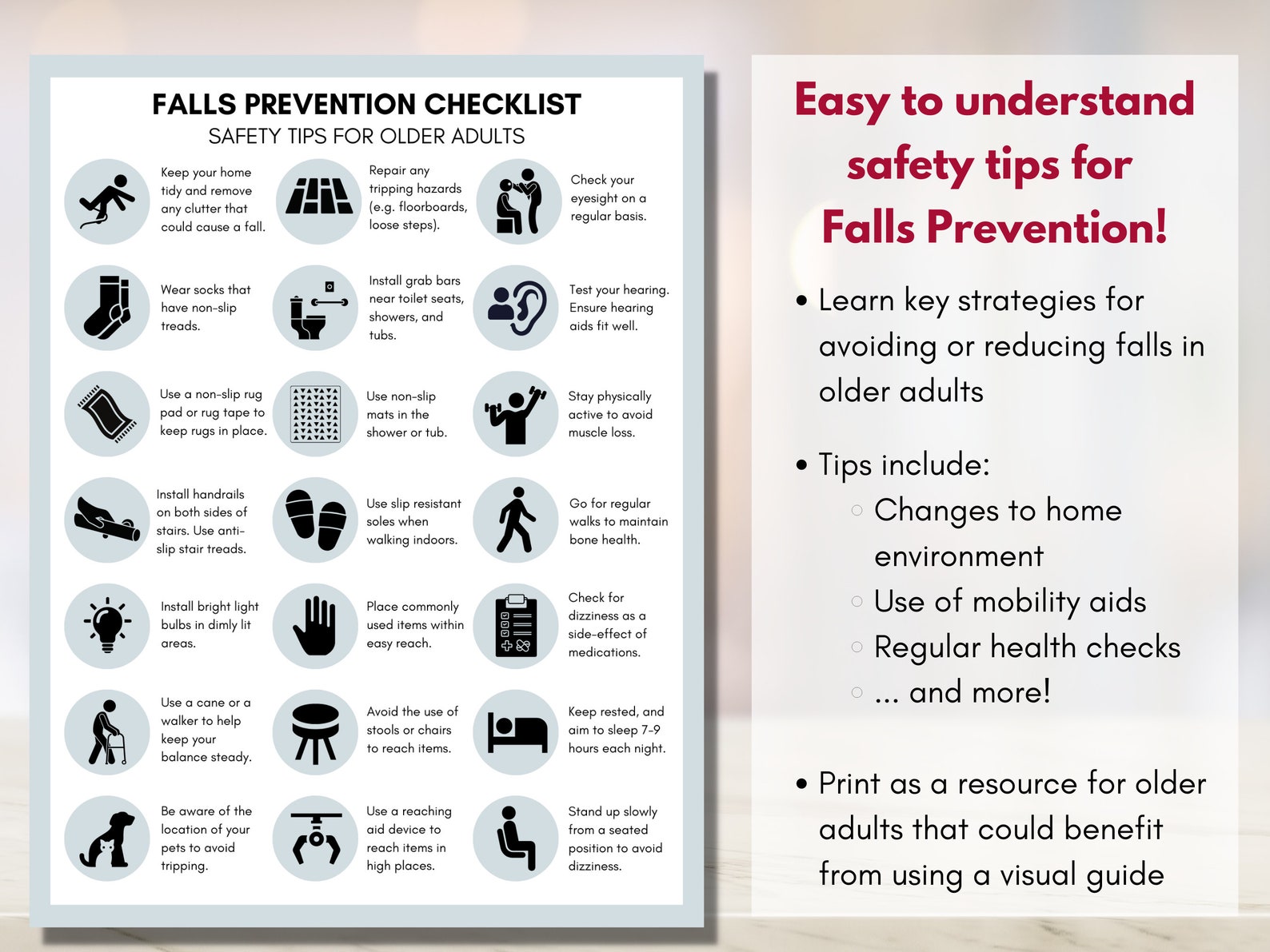
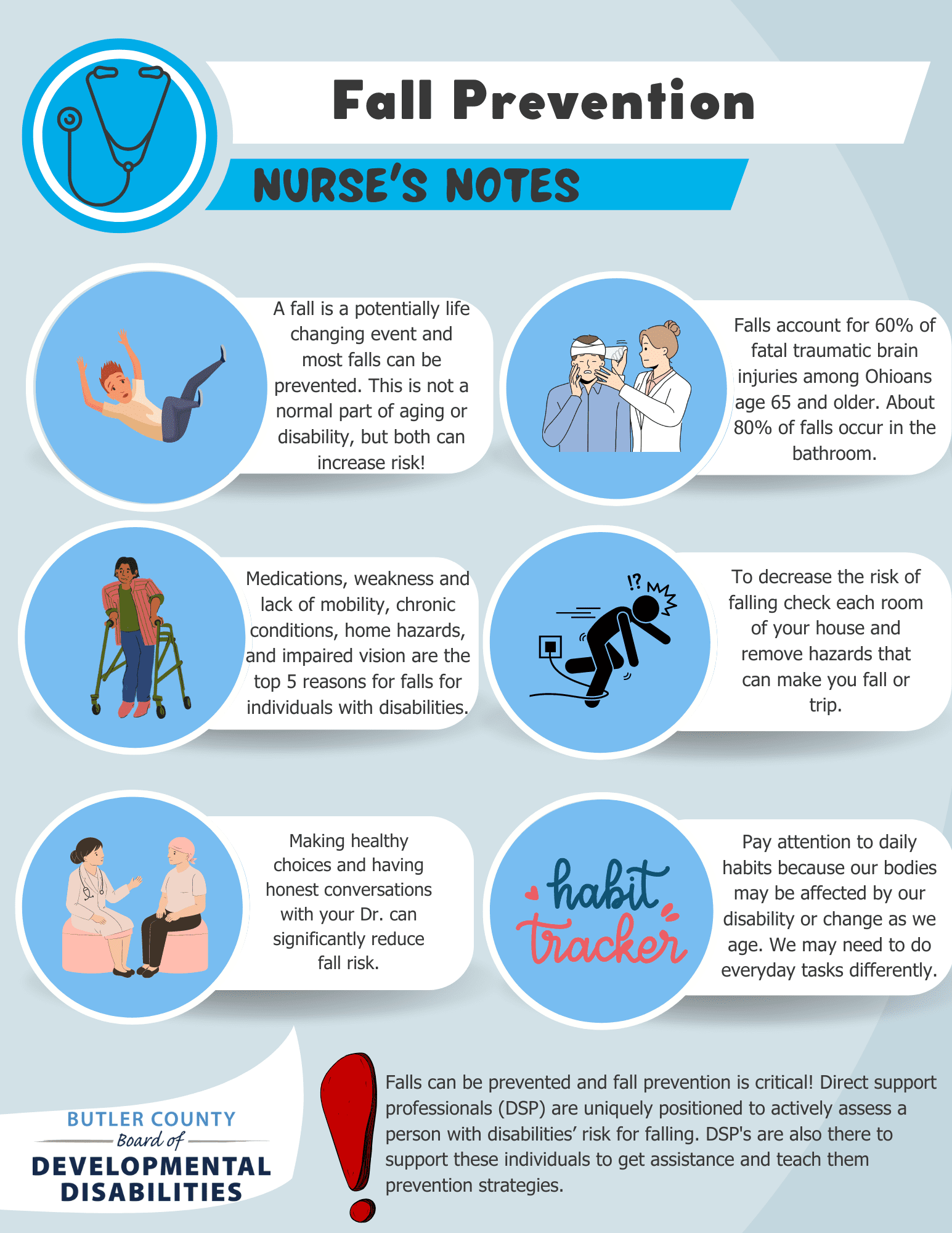
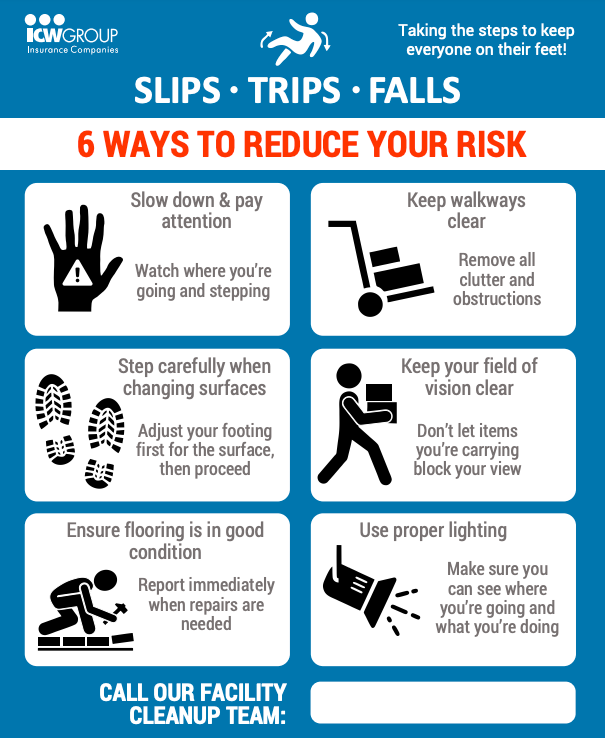
Slip, trip, and fall accidents are common causes of injuries off the job. Employers can take several steps to minimize these risks, including:
- Conducting regular risk assessments of work premises and third-party locations where employees may visit, including assessing slips, trips, and fall hazards.
- Developing and implementing prevention programs, such as walking and working surfaces maintenance and facility design, housekeeping, width, gradient, texture, fire extinguishers, and more.
- Providing employees with information, training, and resources to recognize and report hazards.
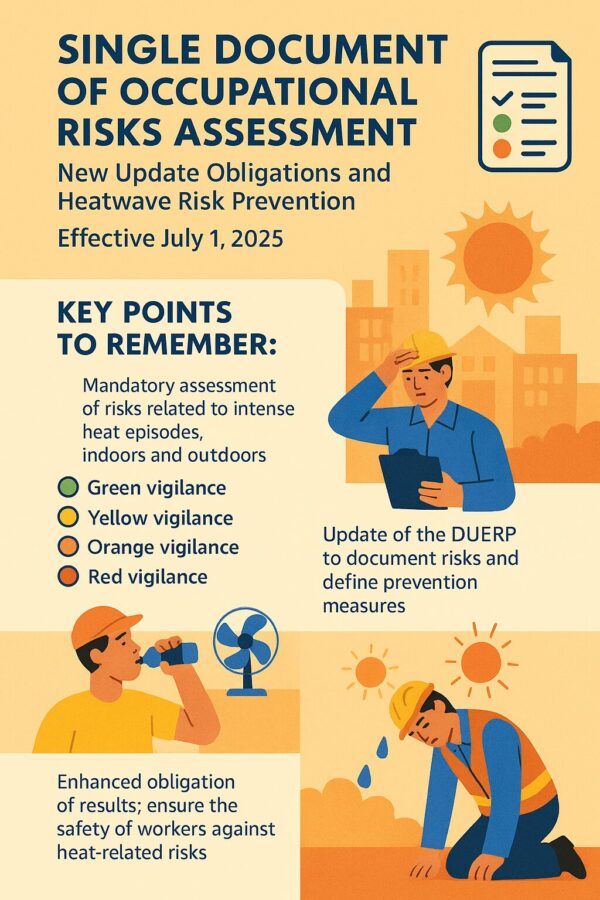
Heat Illness Prevention
Heat-related illnesses, such as heat exhaustion and heatstroke, can be severe and even life-threatening. Employers can take several steps to prevent heat illness, including:
- Providing education and training to employees on heat-related illnesses and their symptoms.
- Implementing policies for teperature control - establish heat acclimatization procedures for new workers, ensure proper hydration, minimize exposure to high temperatures, and schedule work in shaded settings.
- Monitoring employees' health and taking action if symptoms appear.
Distracted Driving Prevention
Driving is one of the most common off-the-job hazards. Employers can take several steps to prevent distracted driving, including:
- Developing and enforcing a driving policy that prohibits distractions while driving.
- Providing employees with information and education on safe driving practices.
- Encouraging employees to report and share knowledge and experiences about road conditions and driving hazards.
Best Practices for Employers
To prevent risk incidents away from work, employers should:
1. Conduct regular risk assessments of all work-related activities and provide a safe environment.
2. Develop and implement prevention strategies and protocols for employees.
3. Provide employee education, training, and resources on risk prevention and control.
4. Review and update policies, procedures, and controls regularly to ensure they remain effective.
Conclusion
Risk prevention for employees away from work is essential for ensuring the well-being and safety of employees and for protecting the business from costly absenteeism, presenteeism, and turnover. By identifying and managing off-the-job hazards and implementing effective strategies for prevention, employers can help minimize risks and maintain a healthy and productive workforce.
Investing in employee safety and well-being is an investment in the business. By prioritizing risk prevention for employees away from work, employers can build a safer, healthier, and more productive work environment.