How to Get a Restraining Order: A Step-by-Step Guide to Protect Yourself
A restraining order is a court order that prevents an individual from coming into contact with another person. It's a crucial tool for those who feel threatened, harassed, or abused by someone. If you're wondering how to get a restraining order, you're not alone. Many people face situations where they need legal protection, and understanding the process can be daunting. In this article, we'll guide you through the process of getting a restraining order, types of restraining orders, and what you need to know to file for one.
Understanding Restraining Orders
A restraining order is a court order that restricts an individual's behavior towards another person. It can prevent them from coming into contact with you, your family members, or even your pets. There are different types of restraining orders, including domestic violence restraining orders, civil harassment restraining orders, and stalking restraining orders. In this article, we'll focus on the process of getting a restraining order and what you need to know to file for one.
Types of Restraining Orders
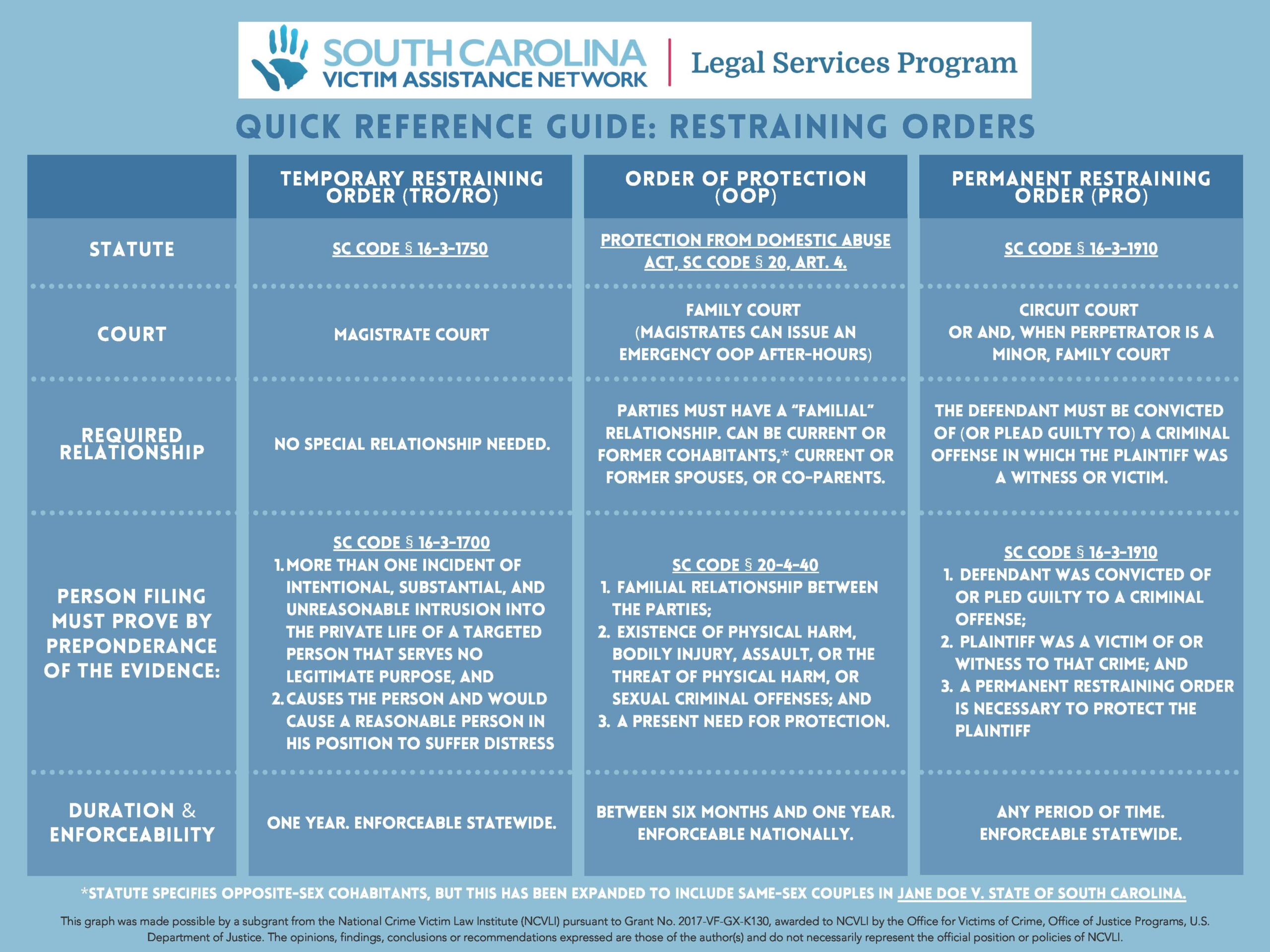
There are several types of restraining orders, each with its own specific requirements and procedures. Some common types of restraining orders include:
- Domestic Violence Restraining Orders: These orders are issued to protect individuals from domestic violence, such as physical abuse, emotional abuse, or stalking.
- Civil Harassment Restraining Orders: These orders are issued to protect individuals from harassment, which can include repeated unwanted contact, threats, or intimidation.
- Stalking Restraining Orders: These orders are issued to protect individuals from stalking, which can include repeated unwanted contact, following, or surveillance.
How to Get a Restraining Order: A Step-by-Step Guide
If you're considering getting a restraining order, here's a step-by-step guide to help you through the process:
Step 1: Determine the Type of Restraining Order You Need
Determine what type of restraining order you need based on the situation you're facing. If you're being physically abused, emotionally abused, or stalked, you may need a domestic violence restraining order. If you're being harassed, you may need a civil harassment restraining order. If you're being stalked, you may need a stalking restraining order.
Step 2: Gather Evidence
Gather evidence to support your claim for a restraining order. This can include:
- Police reports
- Text messages or emails
- Photos or videos
- Witness statements
- Medical records
Step 3: File a Petition
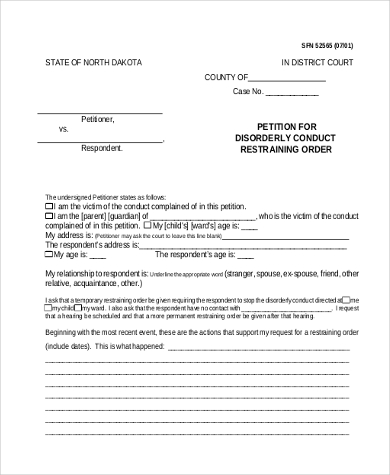
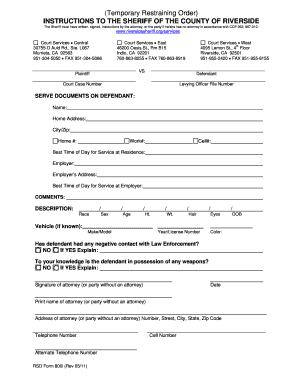
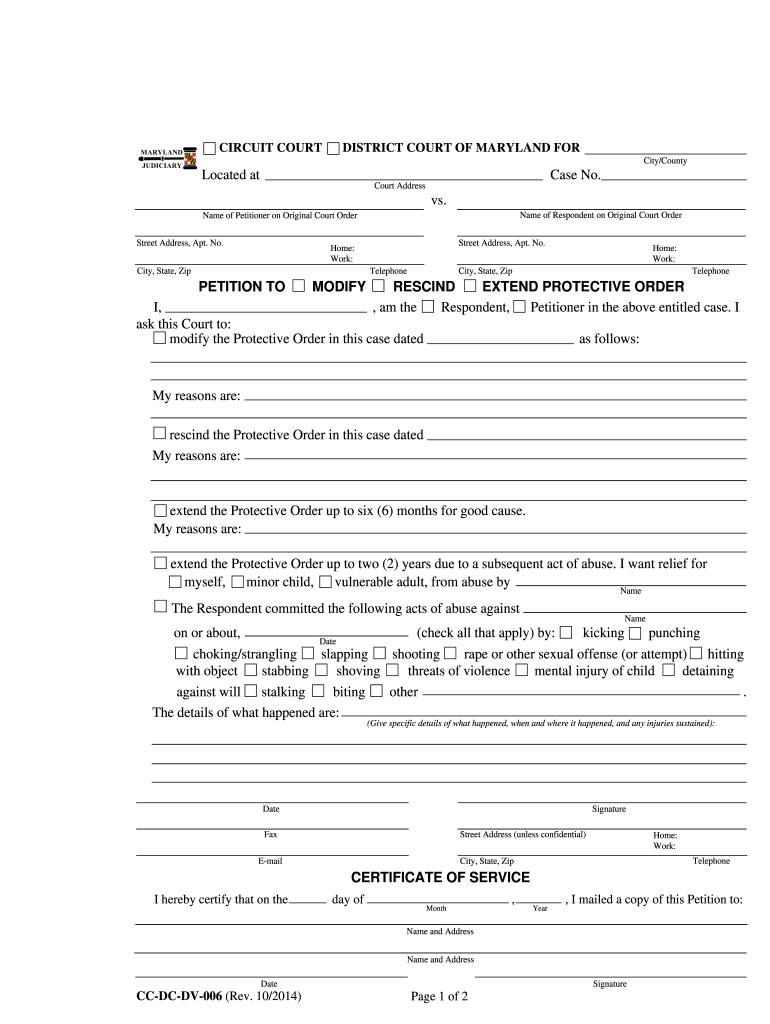
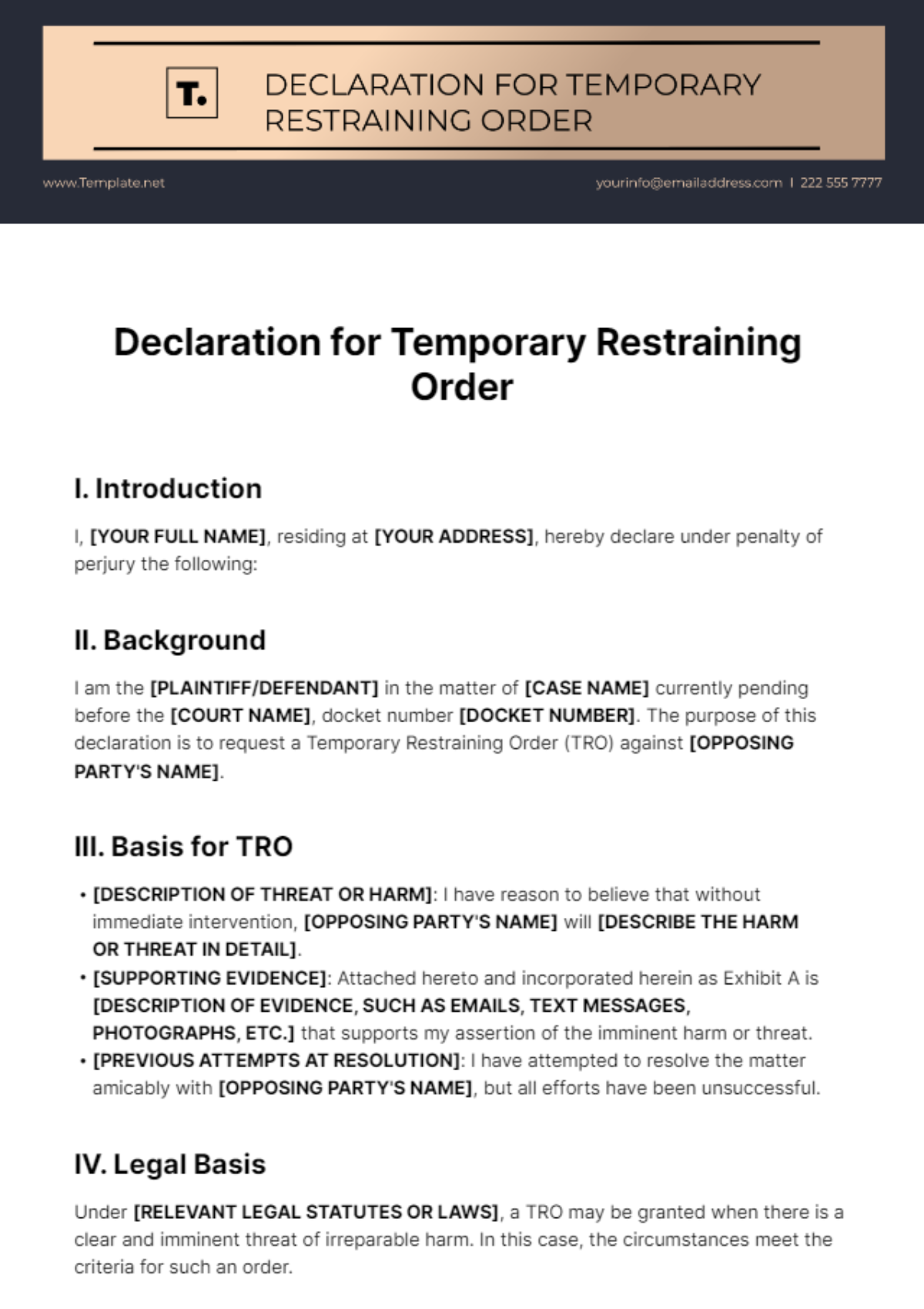
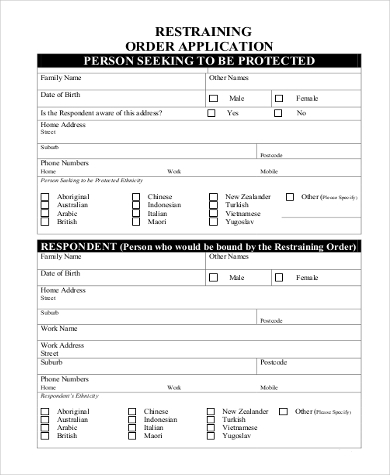
File a petition for a restraining order with the court. You'll need to fill out a form, provide the required information, and attach any supporting evidence. The court will then schedule a hearing to consider your petition.
Step 4: Attend the Hearing
Attend the hearing at the court. The court will consider your petition and may issue a restraining order if they determine that you've provided sufficient evidence of abuse or harassment.
Step 5: Serve the Restraining Order
Once the restraining order is issued, you'll need to serve it on the individual(s) who are subject to the order. This means delivering the order to them in person or by certified mail.
What to Expect at the Hearing
When you attend the hearing, the court will consider your petition and provide an opportunity for the individual(s) who are subject to the order to comment. The court will then make a decision based on the evidence presented. If the court grants the restraining order, it will be served on the individual(s) who are subject to the order.
Renewing or Terminating a Restraining Order
Restraining orders can be renewed or terminated. If you need to renew a restraining order, you'll need to file a new petition with the court and attend a hearing. If you need to terminate a restraining order, you can file a motion with the court to modify or dissolve the order.

.jpg "How to Get a Restraining Order in the US - Step-by-Step Legal Guide")