Understanding the Effects of Screen Time on Brain Health
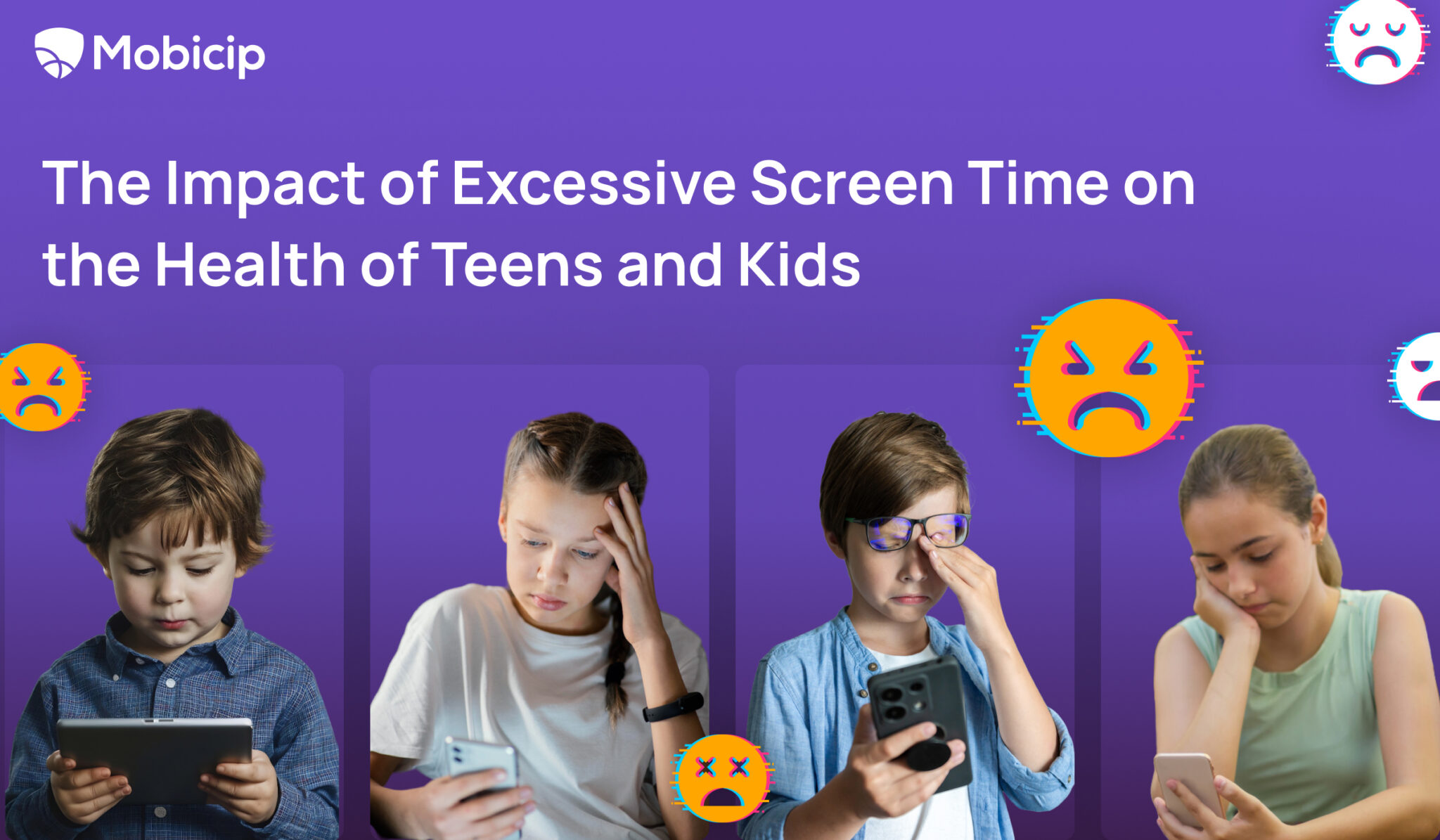
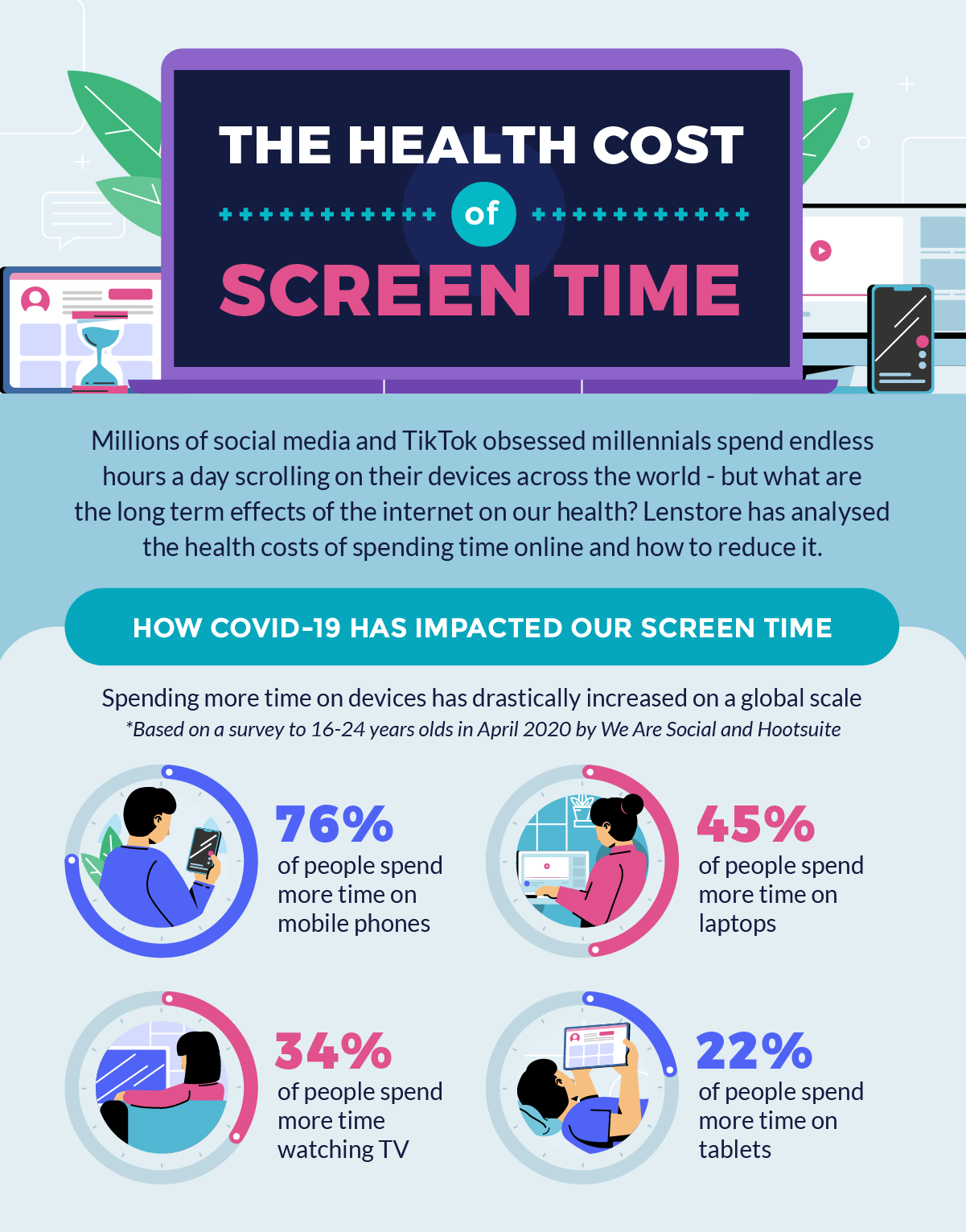
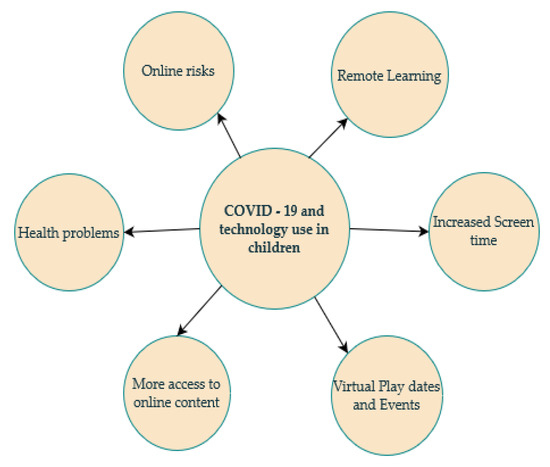
The rapid advancement of technology has led to a significant increase in screen time among individuals of all ages, resulting in growing concerns about its impact on brain health. Exposure to screens has been linked to various cognitive, emotional, and behavioral problems, making it essential to understand the effects of screen time on brain health.
Cognitive Decline and Brain Development
A recent study showed that excessive screen time causes thinning of the cerebral cortex, the outermost layer of the brain responsible for processing memory, decision-making, and problem-solving. This is particularly concerning for children, as digital media use can 'impoverish' the stimulation required for healthy brain development.
- Excessive screen time can lead to a decrease in cognitive abilities, including memory, attention, and problem-solving skills.
- Children who spend more time on screens are at a higher risk of developing attention-deficit/hyperactivity disorder (ADHD) and other cognitive impairments.
- Early exposure to screen time can affect the development of critical cognitive skills, such as language and social skills, in young children.
Physical and Mental Health Effects
Excessive screen time has been linked to various physical and mental health problems, including:
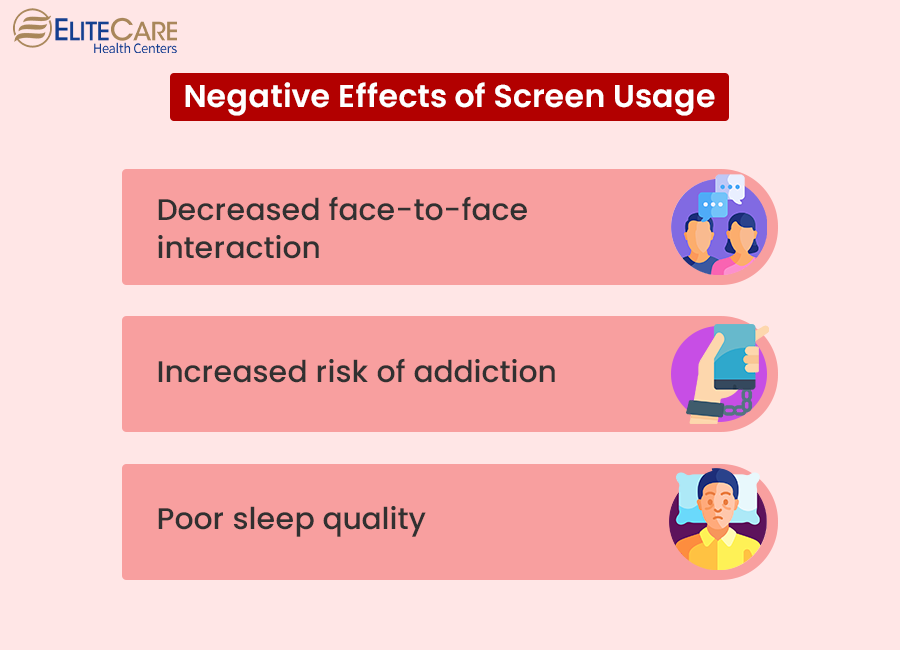
- Sleep disturbances, including insomnia and daytime fatigue
- Headaches, eye strain, and other physical symptoms
- Anxiety, depression, and other mental health concerns
- Substance abuse and addiction, particularly among adolescents and young adults
Age-Specific Risks

The effects of screen time on brain health vary depending on age. Children under the age of 5 are particularly vulnerable to the negative effects of screen time, including:
- Speech delay and language impairment
- Poor brain development and cognitive skills
- Weakened social bonding and attachment
- Sleep disturbances and behavioral issues
- Reduced attention span and physical activity
Healthy Alternatives to Screen Time
To mitigate the negative effects of screen time, consider the following alternatives:
- Talk, read, and sing with your child to promote language and social skills development
- Engage in free play with blocks, toys, and stacking to enhance cognitive skills and creativity
- Encourage physical activity and outdoor play to promote overall well-being
- Set boundaries around screen time and engage in interactive games that promote social and cognitive skills
Conclusion
Excessive screen time has a profound impact on brain health, cognitive development, and overall well-being. Understanding the effects of screen time on brain health is essential for promoting healthy habits and mitigating the risks associated with excessive screen time. By setting boundaries, engaging in healthy alternatives, and promoting physical activity, individuals of all ages can reduce the negative effects of screen time and cultivate a healthier relationship with technology.
By being aware of the effects of screen time on brain health, we can take proactive steps to protect our mental and emotional well-being, ensuring a healthier and more balanced lifestyle.