How to Protect Your Money from Inflation: A Guide to Preserving Value and Securing Financial Stability
Inflation is a recurring challenge that affects individuals and businesses worldwide, slowly but surely eroding the purchasing power of our money. To shield your wealth from its effects, it's essential to understand how inflation works and the best strategies to protect your hard-earned money. In this article, we'll delve into the world of inflation and provide you with proven methods to secure your financial future.
The Impact of Inflation on Your Finances
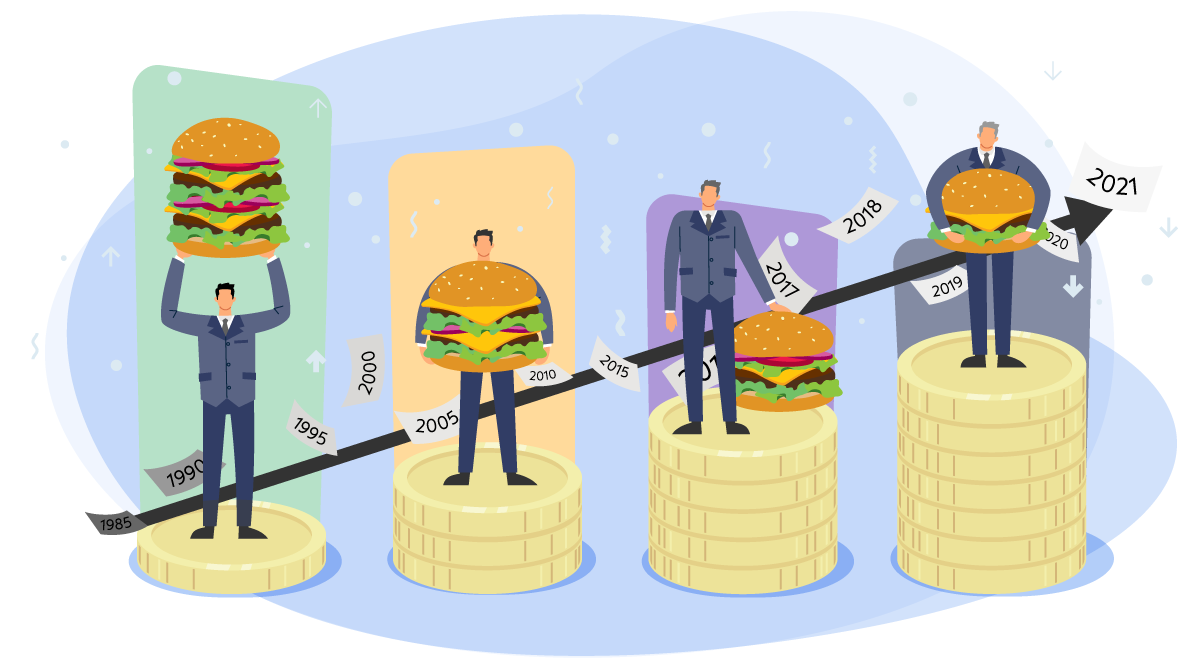
When inflation rises, the purchasing power of your money decreases. Imagine having $100 in your savings account last year, but due to inflation, it can only buy 80% of the goods and services it could buy in the past. This is because inflation is a sustained increase in the general price level of goods and services in an economy. The more significant the inflation rate, the higher the prices of everyday items rise, making your money worth less.
Understand the Effects of Inflation
- Decreased purchasing power: Inflation eats away at the value of your money, making it harder to afford the things you need.
- Reduced savings: If you can't keep up with inflation, your savings will lose value over time.
- Increased debt burden: Inflation can make it harder to pay off debts, as the interest rates rise and the amount you owe grows.
Protecting Your Money from Inflation: Strategies for Success
1. Create a Budget and Track Your Expenses
To shield your money from inflation, start by following a budget that accounts for inflation. Plan your finances, prioritize your spending, and make conscious choices about how you allocate your money. This will help you save and invest wisely, ensuring that your wealth isn't affected by inflation.
2. Diversify Your Investments
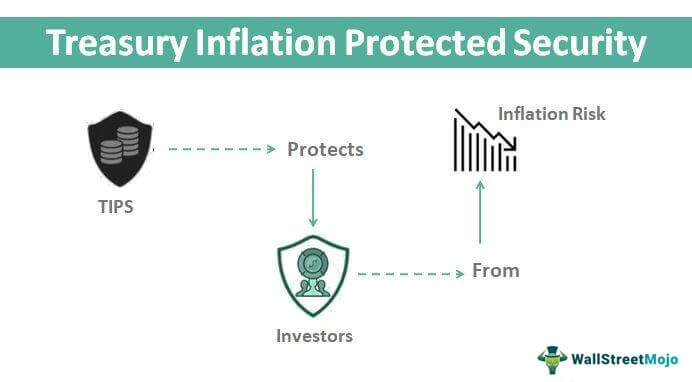
Spread your investments across different asset classes to reduce your exposure to inflation. Some assets like gold, silver, and cryptocurrency can help preserve value over time, while bonds and real estate investments can generate income and provide a hedge against inflation.
3. Optimize Your Savings
Maximize the interest rates on your savings accounts and invest in assets that earn a higher return. This will help stay ahead of inflation and bolster your safety net. Additionally, keep interest costs on your debt as low as possible to avoid exacerbating the problem.

Maximizing Your Savings Rate:
- Explore high-yield savings accounts or certificates of deposit (CDs)
- Invest in low-risk bonds or treasury bills
- Consider peer-to-peer lending or real estate investment trusts (REITs)
4. Stay Ahead of Inflation with Asset Classes
Look into alternative asset classes like commodities, real estate, or precious metals to add diversity to your investments. These assets can perform well in an inflationary environment, providing a hedge against the decrease in purchasing power.
Exploring New Asset Classes:
- Gold and silver as a store of value
- Cryptocurrencies as a hedge against inflation
- Real estate investment trusts (REITs) for income-generating investments
5. Plan for the Future with Long-Term Strategies
Protect your wealth by creating long-term investment plans that consider the impact of inflation. Allocate your assets strategically to balance investments that preserve value and those that generate income. Seek professional advice to develop a customized investment strategy tailored to your financial goals.
Protecting Your Future with Long-Term Strategies:
- Develop a comprehensive investment plan with an inflation-aware strategy
- Set clear financial goals, such as retirement or long-term wealth accumulation
- Regularly review and adjust your investment portfolio to stay ahead of inflation
Conclusion
Protecting your money from inflation requires a multifaceted approach that incorporates budgeting, investing, and strategic planning. By following these expert tips and staying informed about the effects of inflation, you'll be well-equipped to shield your wealth and secure your financial future. With a proactive approach, you can overcome the impact of inflation and achieve long-term financial stability and security.