The Rise of the Digital Native: Understanding the Changing Face of Technology
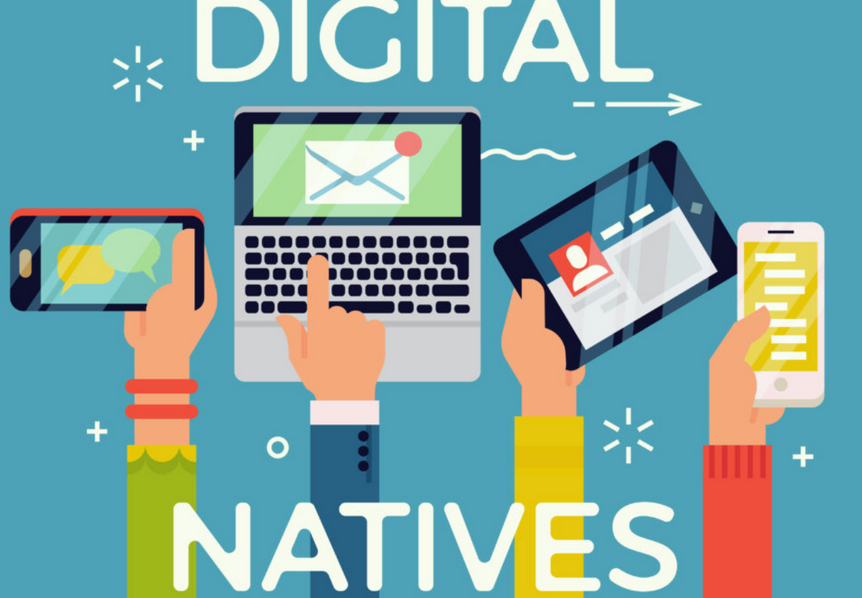
The way we interact with technology has undergone a profound shift in recent years, and a new generation of individuals has emerged: the digital native. Born and raised in an era of widespread digital access, these individuals have grown up with technology at their fingertips and have come to expect a seamless, intuitive experience from their devices and online platforms. But what does it mean to be a digital native, and how are these individuals changing the way we live, work, and interact with one another?
A Definition of Digital Native
The term "digital native" was first coined by Marc Prensky in 2001. According to Prensky, a digital native is someone who was born during or after the information age, a period of emerging digital technology. This includes individuals born in the late 20th century and into the 21st century. Digital natives, by definition, have grown up with the internet and digital devices, and are therefore comfortable and proficient in using technology to navigate and interact with the world around them.
Digital Natives: A New Breed of User
Digital natives are unlike any previous generation of users. They have grown up with an unprecedented level of technological access and have developed unique skills and expectations as a result. For digital natives, technology is not a tool to be used occasionally; it is an integral part of their daily lives. They rely on technology for communication, entertainment, education, and social interaction, and expect to be able to access information and services quickly and easily online.
The Impact of Digital Natives on Business and Industry
As digital natives enter the workforce, they are bringing with them a unique set of skills and expectations. They are digital-first individuals who expect to be able to access information and services quickly and easily, online, and are therefore driving a shift towards digital-first customer experiences. This is challenging businesses and industries to adapt and evolve, and to rethink their strategies in light of this new reality.

The Role of Libraries and Librarians in Supporting Digital Natives
Libraries and librarians have always played an important role in supporting literacy and education, but the rise of the digital native is presenting new challenges and opportunities. To stay relevant, libraries and librarians must adapt and evolve, providing support and resources for digital natives as they navigate the complex digital landscape. This includes providing access to technology, digital literacy training, and support for digital scholarship and research.
Breaking Down the Differences between Digital Natives and Digital Immigrants
While digital natives are comfortable and proficient in using technology, digital immigrants are those who have had to learn to use technology as adults. This means that digital immigrants may be less familiar with technology and may have different expectations and skills than digital natives. Understanding the differences between these two groups is therefore essential for businesses and industries to succeed in a digital-first world.
Case Studies: Circles and Huawei Collaborate on AI-Driven Telecom Solutions
Two recent announcements demonstrate the impact of digital natives on business and industry. Circles, a global digital telecom software company, and Huawei, a leading global provider of information and communications technology (ICT) infrastructure and smart devices, have signed a strategic collaboration agreement to explore the joint delivery of AI-native, next-generation digital telecom solutions for operators worldwide. This partnership aims to combine Huawei's robust network and cloud infrastructure with Circles' AI-driven software to create seamless, AI-native customer experiences.
This collaboration highlights the importance of innovation and disruption in a digital-first world. By embracing new technologies and partnering with other businesses and organizations, companies can drive growth, improve efficiency, and deliver better customer experiences. It is no wonder, therefore, that digital natives are driving change and innovation in business and industry.