Protecting Your Identity from Hackers: A Comprehensive Guide
Every day, millions of people fall victim to identity theft and hacking. The consequences can be severe, from financial loss to emotional distress. However, there are steps you can take to protect your identity and prevent hackers from stealing your personal information.
Understanding Identity Theft
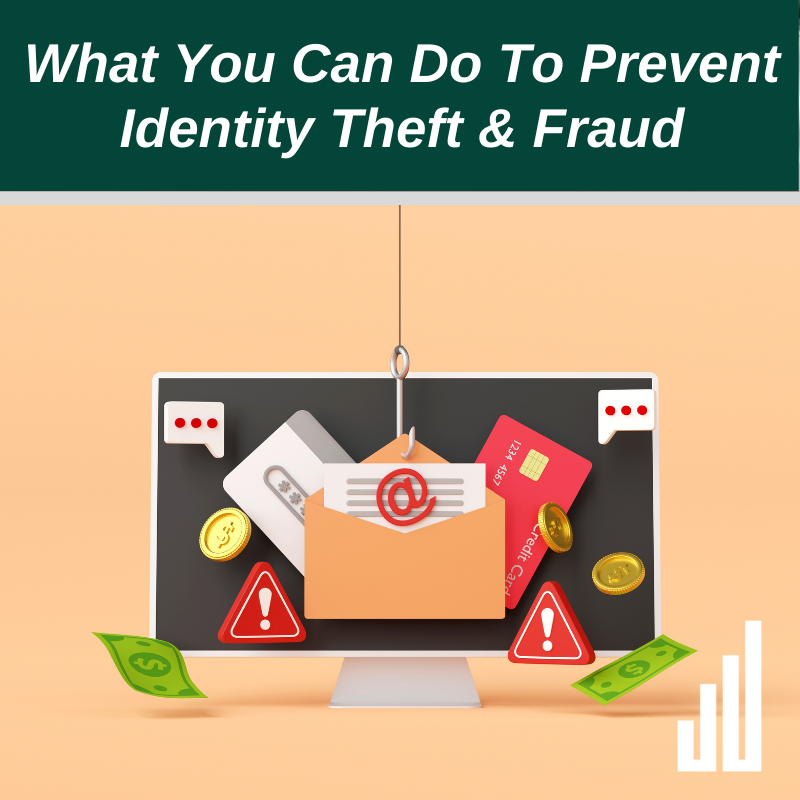
Identity theft occurs when an individual's personal information is stolen and used to impersonate or defraud them. This can include anything from credit card numbers to Social Security numbers, addresses, and even online account passwords. Hackers use this information to gain access to sensitive accounts, make unauthorized purchases, and even commit crimes in your name.
Why Hackers Target Your Identity
Personal data is valuable, and hackers know it. They can sell your information on the dark web, use it to commit financial crimes, or even sell it to other hackers. The truth is, your personal information is a valuable asset, and hackers will stop at nothing to get it.
Protecting Your Identity from Hackers
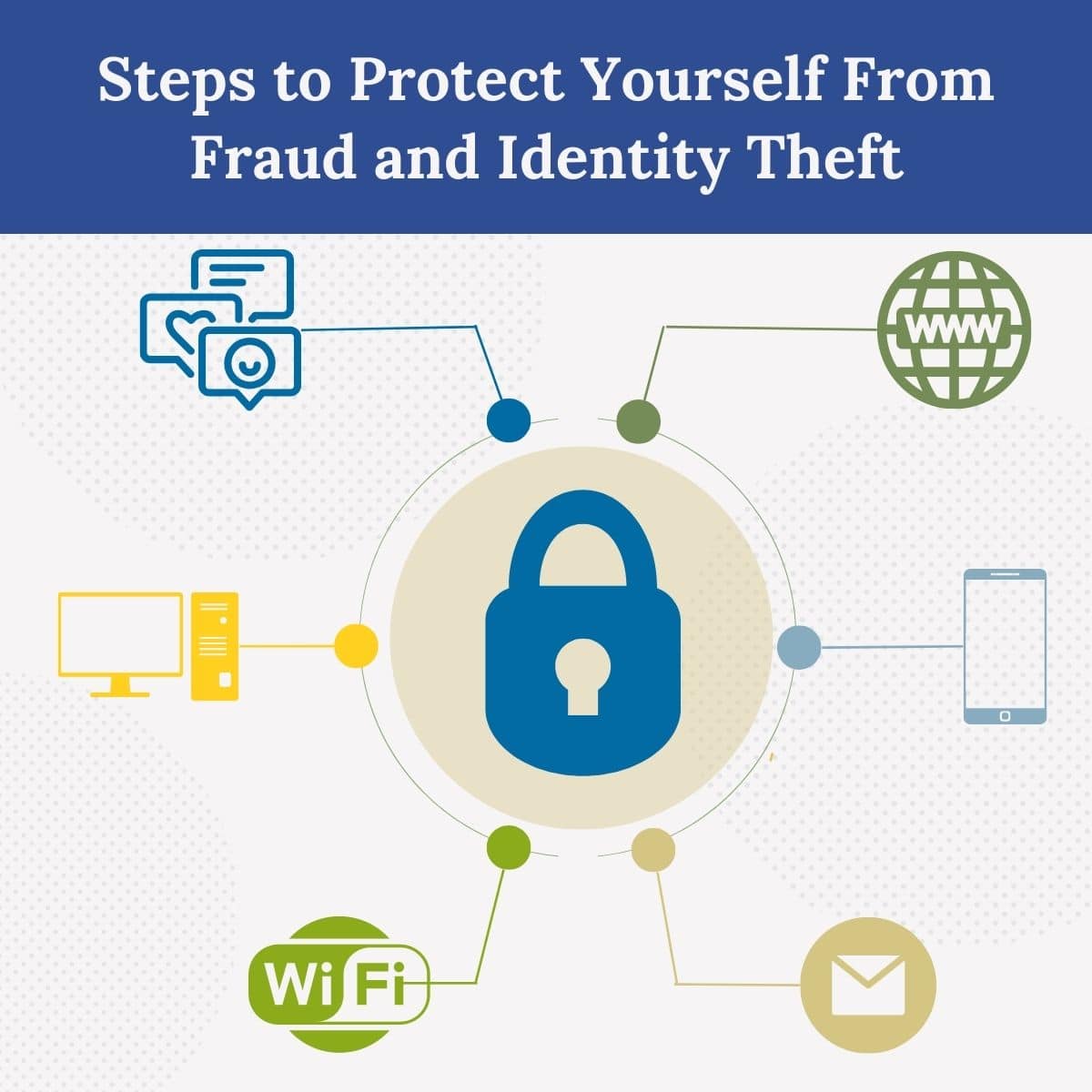
Protecting your identity from hackers requires a combination of awareness, vigilance, and action. Here are some essential steps to take:

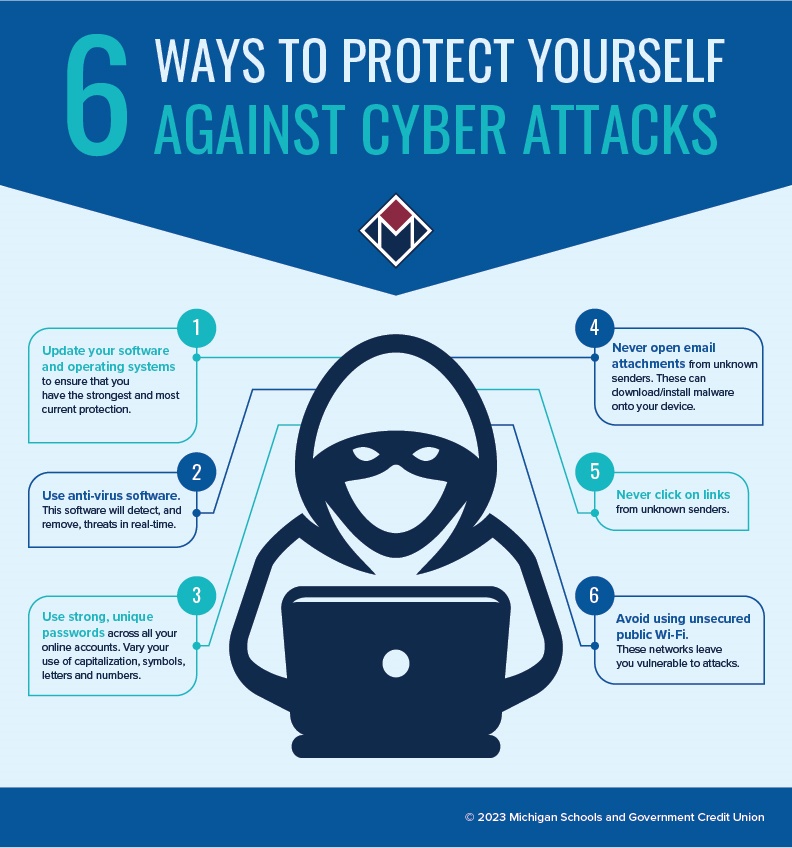
- Use strong, unique passwords for all online accounts, and consider using a password manager.
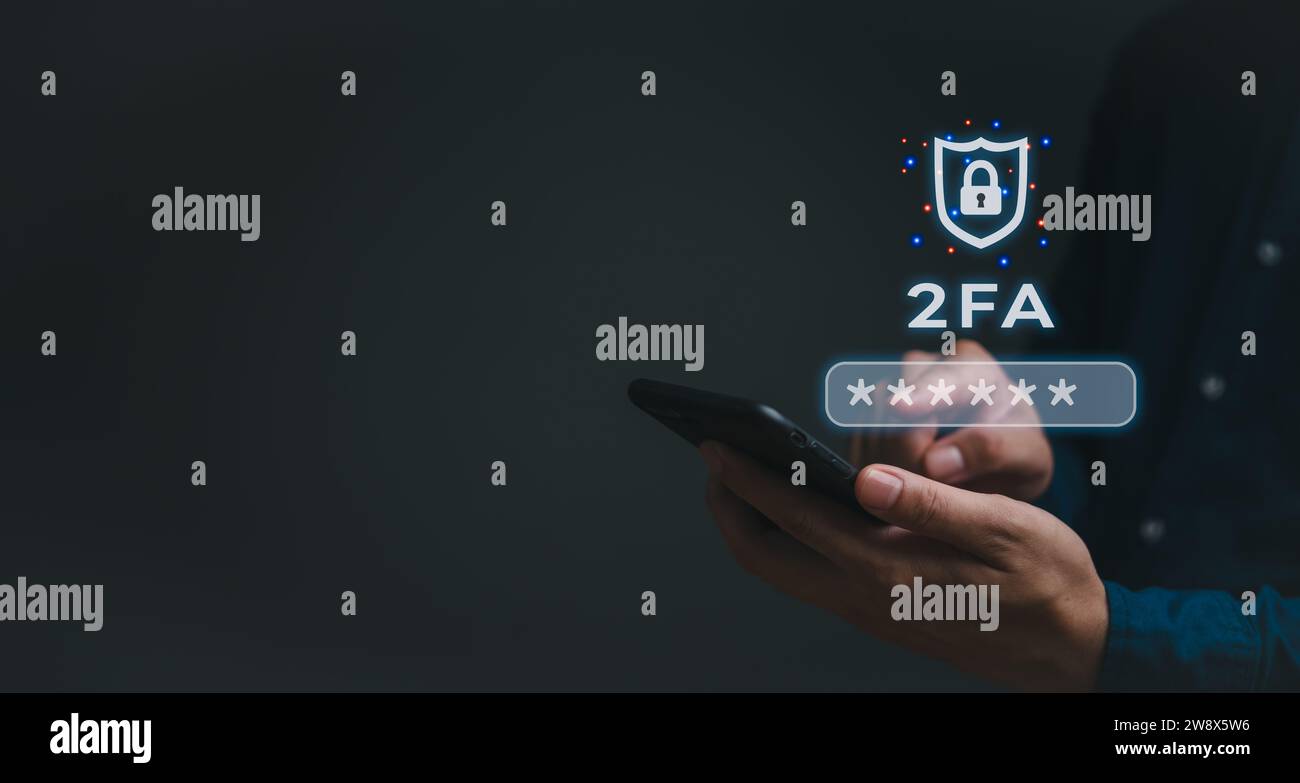
- Enable two-factor authentication (2FA) wherever possible, including on social media, email, and financial accounts.
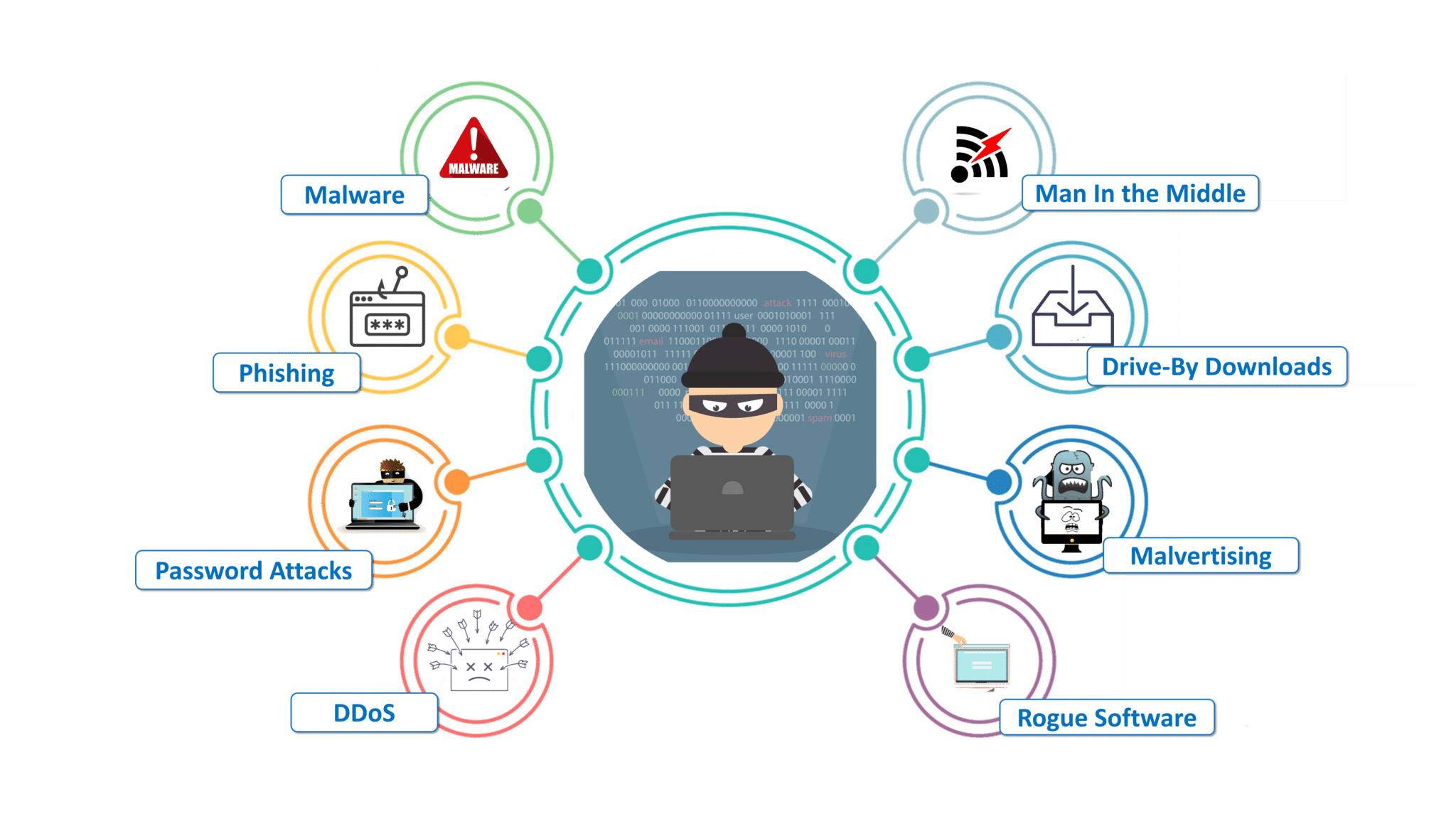
- Be cautious with links and attachments from unknown senders, as these can lead to phishing scams and malware.
- Keep your operating system, browser, and other software up to date with the latest security patches.
- Use a reputable antivirus program and keep it regularly updated.
- Monitor your credit reports and financial accounts for suspicious activity.
- Use a virtual private network (VPN) when accessing public Wi-Fi networks.
- Back up your data regularly and keep it in a safe, secure location.
- Consider investing in identity theft protection services.
Staying Safe in a Digital Age
The digital age has made it easier for hackers to target your identity. However, there are steps you can take to protect yourself:
- Use antivirus software and a firewall to prevent malware attacks.
- Keep your devices and software up to date with the latest security patches.
- Be cautious with public Wi-Fi networks, as these can be vulnerable to hacking.
- Use a secure VPN when accessing public Wi-Fi networks.
- Monitor your email and social media accounts for suspicious activity.
- Use strong, unique passwords and consider using a password manager.
- Enable 2FA on all online accounts.
Conclusion
Protecting your identity from hackers requires a combination of awareness, vigilance, and action. By taking the essential steps outlined above, you can significantly reduce the risk of identity theft and hacking. Remember, your personal information is valuable, and hackers will stop at nothing to get it. Stay safe online by taking control of your digital identity.