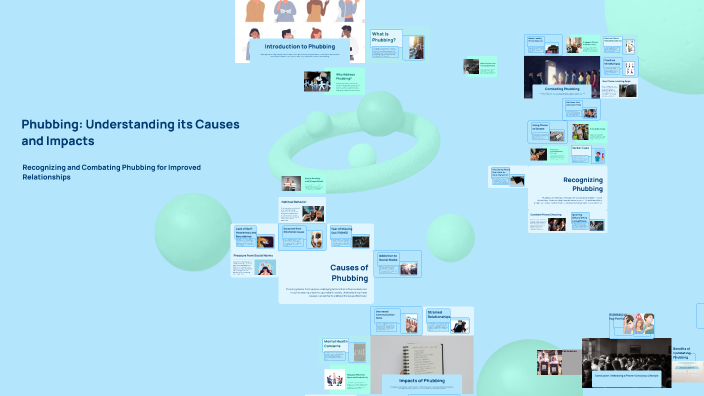
The Alarming Causes of Smartphone Phubbing: Why Are We Ignoring Each Other?
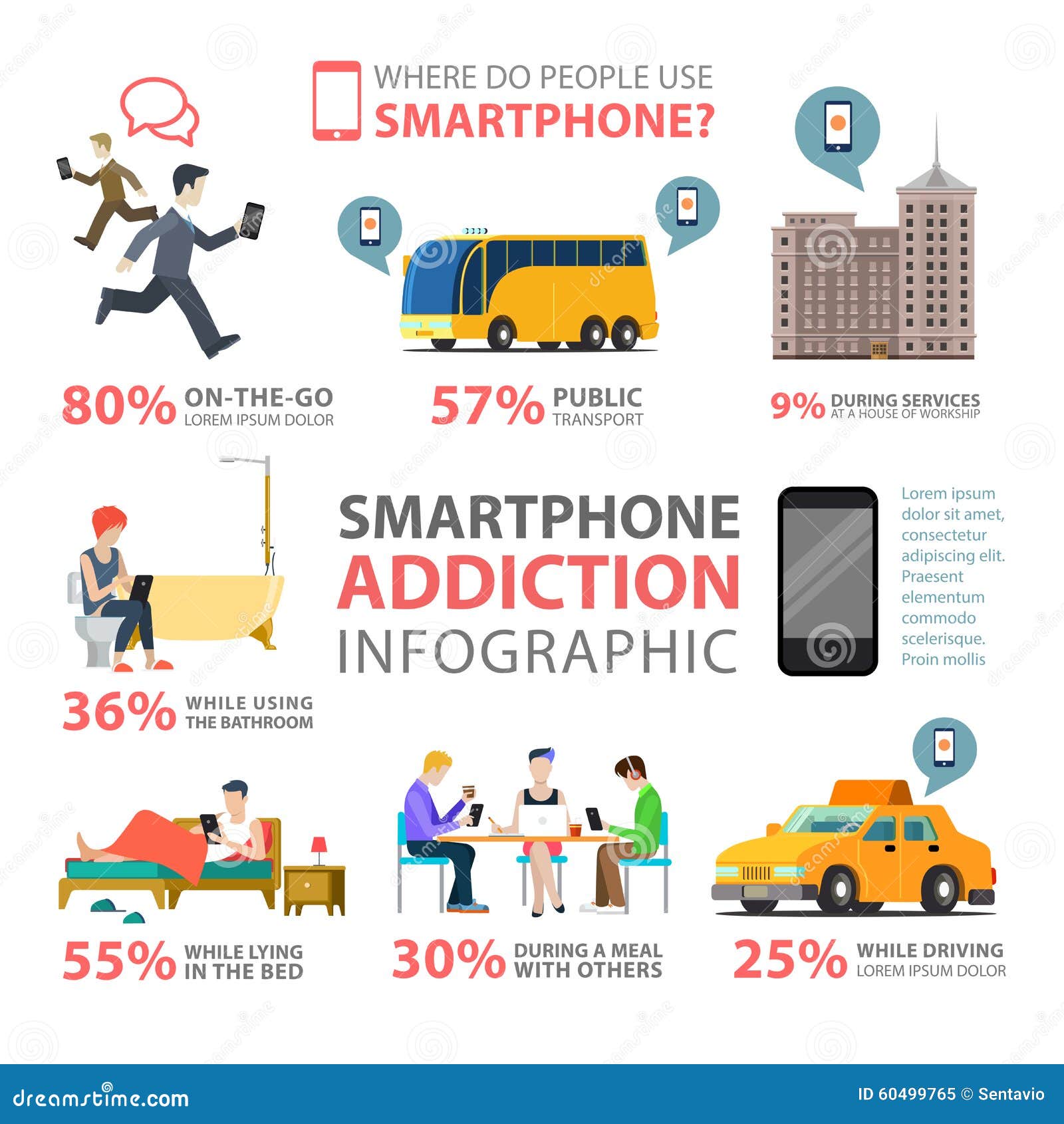
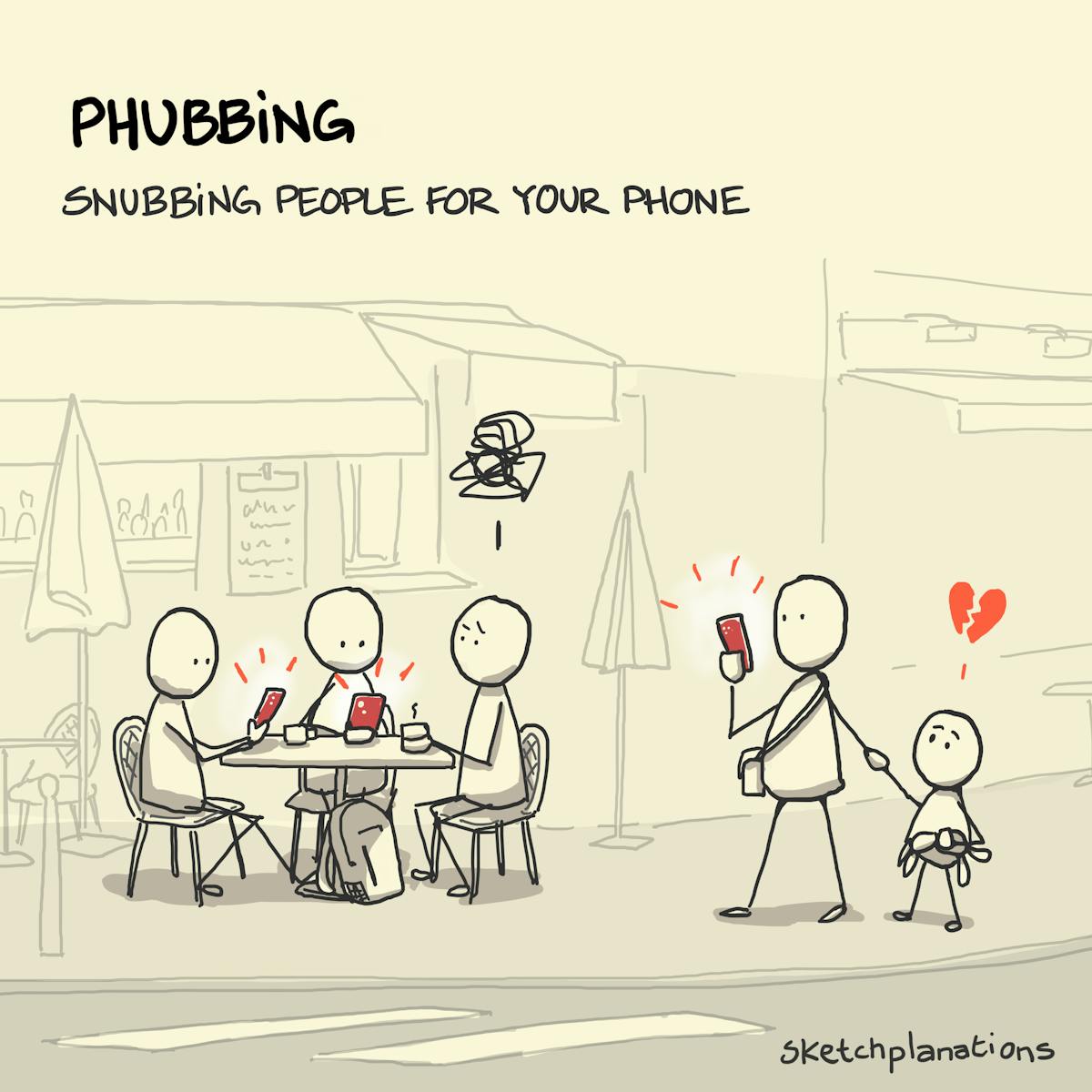
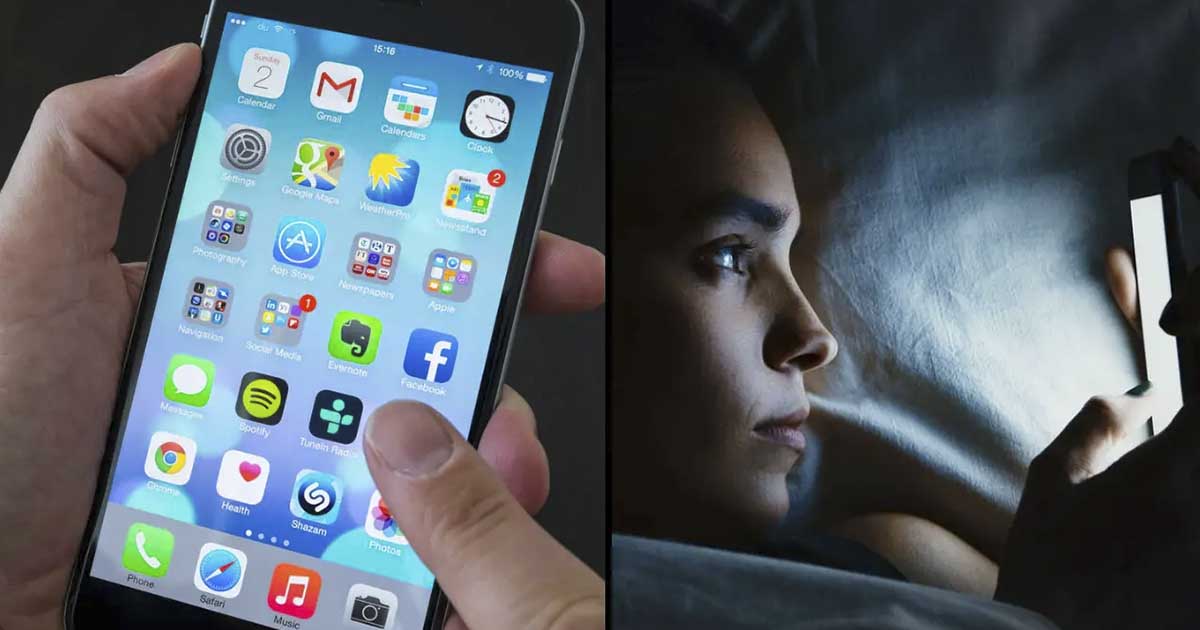
Smartphones have become an integral part of our lives, and it's hard to imagine a time when we didn't have them by our side. However, the constant need for connection, validation, and stimulation that smartphones provide has led to a new phenomenon known as phubbing – the act of ignoring one's immediate social interactions in favor of engaging with a smartphone. In this article, we'll explore the causes of smartphone phubbing and why it's essential to understand its effects on our relationships and mental health.
The Rise of Phubbing: A Societal Phenomenon
Phubbing is a social phenomenon that has become increasingly prevalent in recent years. Research shows that the use of smartphones has significantly increased, leading to the emergence of phubbing as a major concern in modern communication. The constant need for connection and validation that smartphones provide has made it difficult for people to stay present in real-life conversations, leading to feelings of exclusion and negative impacts on mental health and relationship quality.
The Causes of Smartphone Phubbing
- Anxiety and Stress**: Many people turn to their smartphones to escape boredom, stress, or uncomfortable emotions. Social media platforms are designed to keep users engaged, reinforcing habits that make it difficult to stay present in real-life conversations.
- Constant Need for Connection**: Smartphones provide a constant sense of connection and validation, making it difficult for people to disconnect and engage with others in person.
- Fear of Missing Out (FOMO)**: The fear of missing out on social media updates, notifications, or events can lead people to constantly check their smartphones, even in the presence of others.
- Lack of Emotional Intelligence**: People who struggle with emotional intelligence may find it difficult to navigate complex social situations, leading them to rely on their smartphones for comfort and distraction.
- Social Media Addiction**: The addictive nature of social media can lead people to prioritize their smartphones over face-to-face interactions, causing phubbing.
The Consequences of Smartphone Phubbing
The consequences of smartphone phubbing can be severe, affecting not only our relationships but also our mental health and overall well-being. Some of the consequences include:

- Strained Relationships**: Phubbing can lead to feelings of exclusion, resentment, and frustration in relationships, causing them to deteriorate over time.
- Mental Health Concerns**: The constant need for connection and validation that smartphones provide can lead to anxiety, depression, and other mental health concerns.
- Social Isolation**: Phubbing can lead to social isolation, as people become more comfortable interacting with their smartphones than with real people.
Breaking the Cycle of Smartphone Phubbing
Breaking the cycle of smartphone phubbing requires a conscious effort to change our behavior and prioritize face-to-face interactions. Here are some tips to help you break the habit:
- Set Boundaries**: Establish boundaries around your smartphone use, such as not using your phone during meals or conversations.
- Practice Mindfulness**: Be present in the moment and engage with others without distractions.
- Use Technology to Your Advantage**: Utilize apps and features that help you stay connected with others, such as video calls or messaging apps.
- Seek Help**: If you're struggling with smartphone addiction or phubbing, seek help from a mental health professional or a therapist.
Conclusion
Smartphone phubbing is a serious concern that affects not only our relationships but also our mental health and overall well-being. By understanding the causes of smartphone phubbing and taking steps to break the cycle, we can prioritize face-to-face interactions and build stronger, more meaningful relationships. It's time to take control of our smartphone use and prioritize the people in our lives.






:max_bytes(150000):strip_icc()/GettyImages-9111394241-5a7df590ba617700360fb876.jpg "Parents urged to stop 'phubbing' in front of their kids")