Can Cats Have Milk in Food?
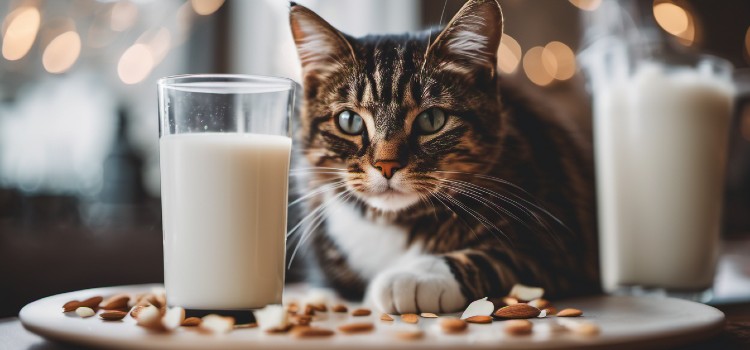
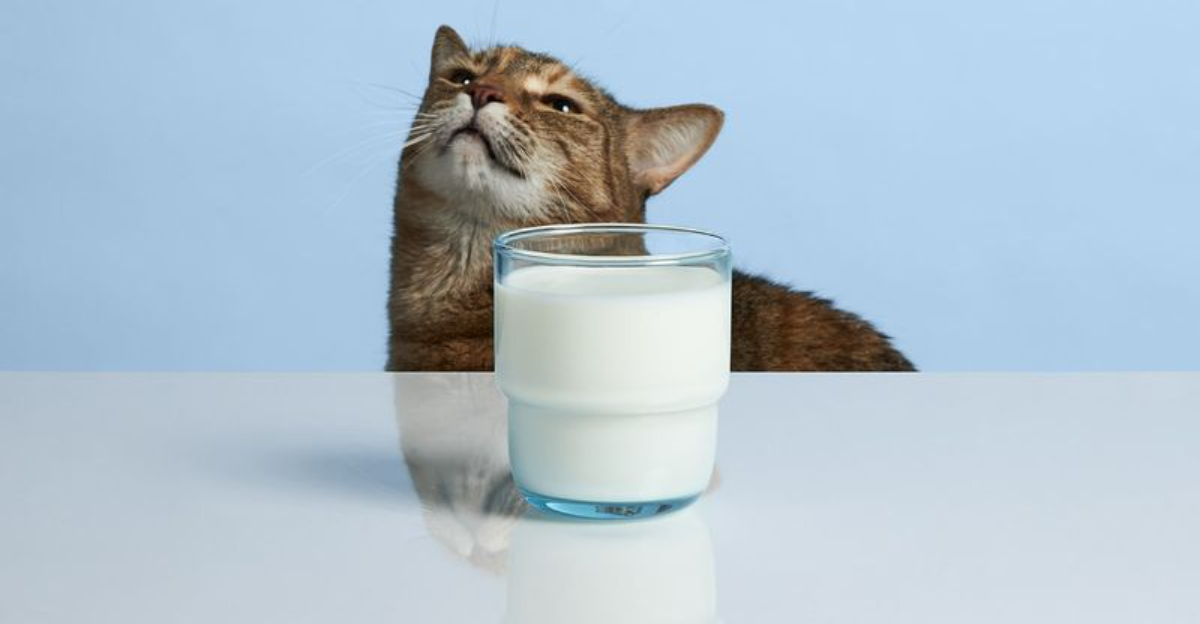
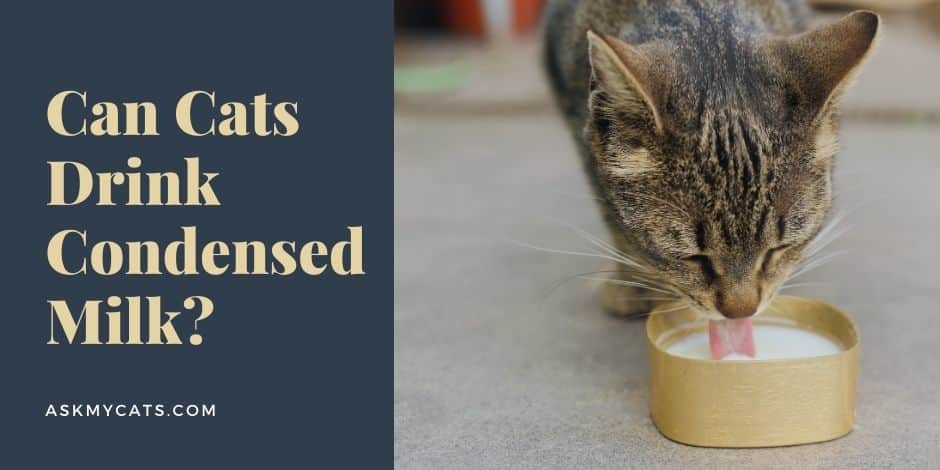
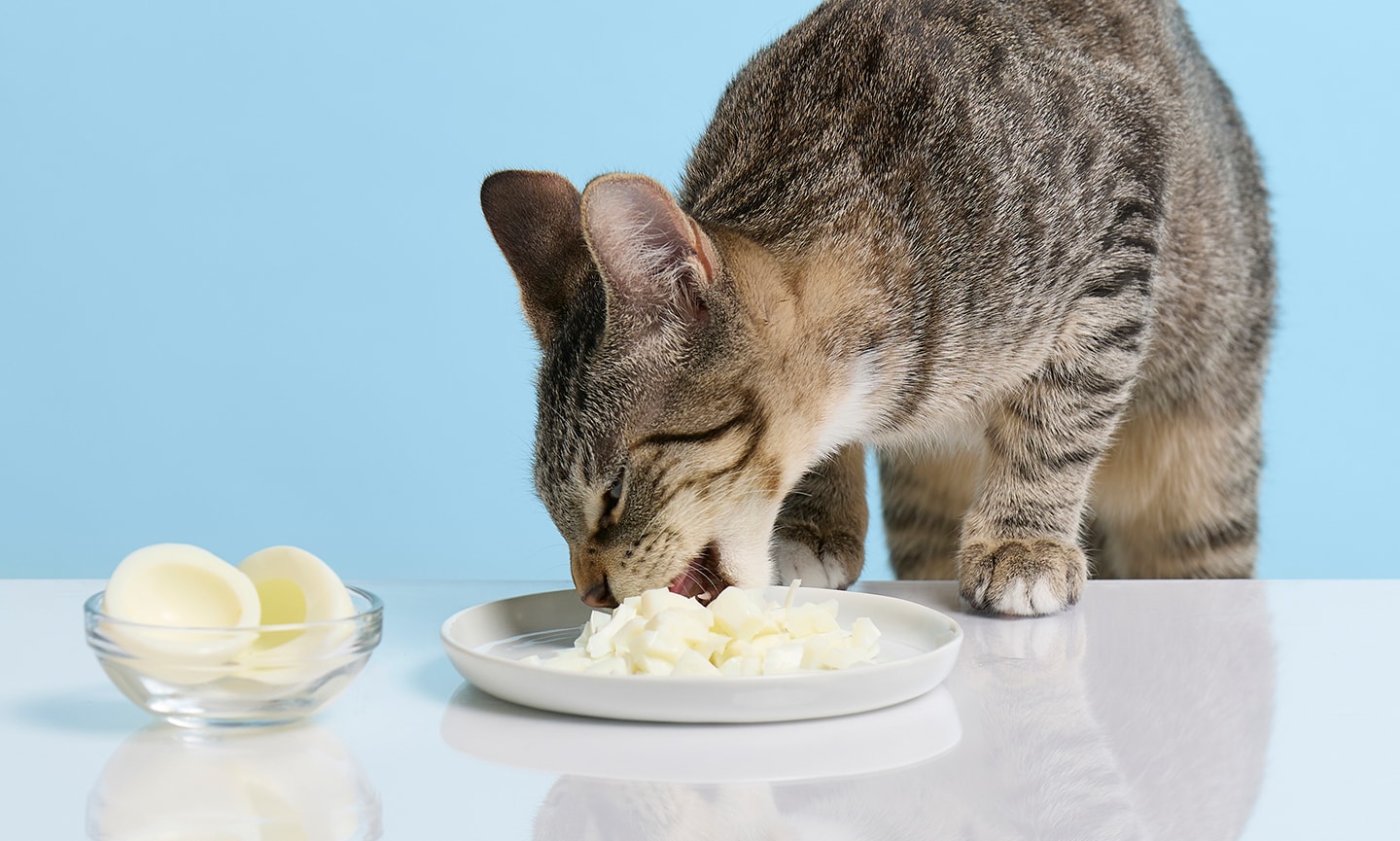
When it comes to humanizing our feline friends, many of us often wonder if cats can have milk in their food. While some might believe that milk is a natural and healthy treat for cats, the reality is a bit more complicated.
What Milk Can and Can't Do for Cats
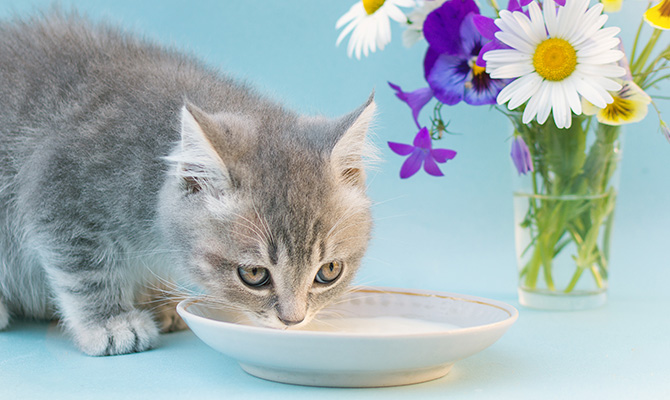
- Can: Some cats can tolerate small amounts of milk, particularly those that are not lactose intolerant. Kittens, for example, can drink milk from their mothers or a kitten milk replacer.
- Can't: Most adult cats are lactose intolerant, which means they can't digest the lactose in cow's milk. Drinking milk can cause symptoms like diarrhea, vomiting, and stomach upset.
- Shouldn't: It's generally not recommended to give cats cow's milk regularly, even for non-lactose intolerant cats. Milk lacks essential nutrients and can lead to weight gain, obesity, and related health problems.
- And Instead: Healthy alternatives to milk include water, homemade or commercial cat food, and a balanced diet that meets your cat's nutritional needs.
Why Milk Isn't Good for Cats
Cats have a unique digestive system that is designed to process high amounts of protein and fat from animal sources. Milk, on the other hand, is a dairy product that contains high amounts of sugar and fat. This can cause an imbalance in a cat's digestive system and lead to a range of health problems, including:
- Diarrhea and vomiting
- Stomach upset and cramping
- Dehydration and electrolyte imbalances
- Weight gain and obesity
- Related health problems like diabetes and pancreatitis

Alternatives to Milk for Cats
Fortunately, there are many healthy alternatives to milk that you can offer your feline friend. Some of these include:
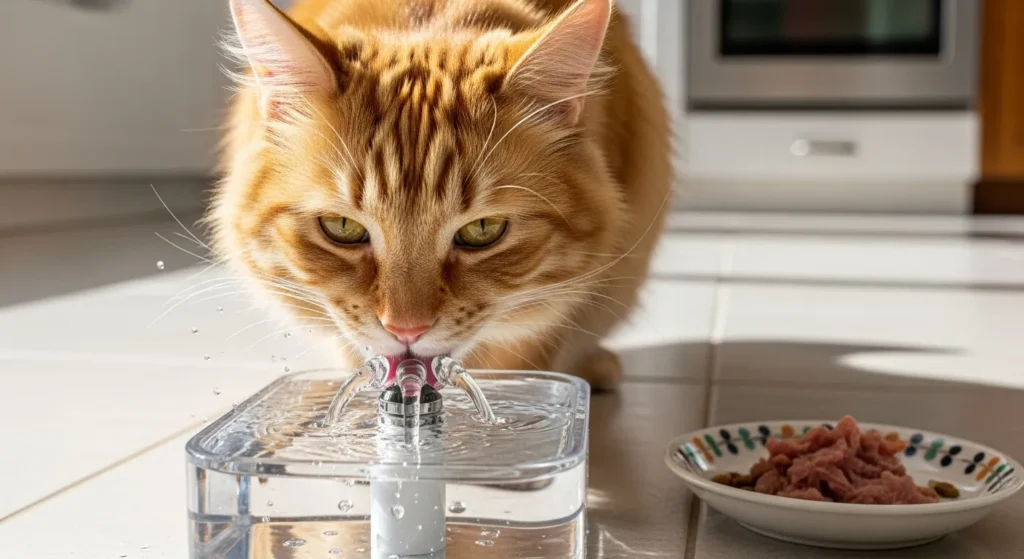
- Water:
- Make sure your cat has access to fresh, clean water at all times.
- Encourage your cat to drink water by placing multiple water sources in different locations.
- Try adding a small amount of tasty liquid, such as chicken broth or low-sodium tuna water, to the water to make it more appealing.
- Homemade or commercial cat food:
- Consult with your veterinarian to determine the best diet for your cat based on their age, breed, and health status.
- Stick to a balanced and complete diet that meets your cat's nutritional needs.
- Healthy treats:
- Offer limited amounts of healthy treats, such as cooked chicken or fish, to provide a varied and interesting diet.
- Avoid giving your cat table scraps or high-sugar treats, as these can lead to weight gain and other health problems.
Conclusion
While some cats can tolerate small amounts of milk, it's generally not recommended to give cats cow's milk regularly. Milk lacks essential nutrients and can lead to a range of health problems. By sticking to a balanced and complete diet that meets your cat's nutritional needs, you can keep your feline friend healthy and happy.
So, can cats have milk in food? The answer is a resounding "no" – or at least, not regularly. Instead, focus on providing your cat with a healthy, balanced diet and plenty of fresh water to keep them thriving.