Debunking the Legends: What is Blue Light and How Does it Affect Your Health?
Have you ever stopped to think about the kind of light that surrounds us all day, every day? The so-called "blue light" emanating from our screens, smartphones, and televisions has been a topic of much discussion in recent years. But what exactly is blue light, and how does it impact our health?
What is Blue Light?
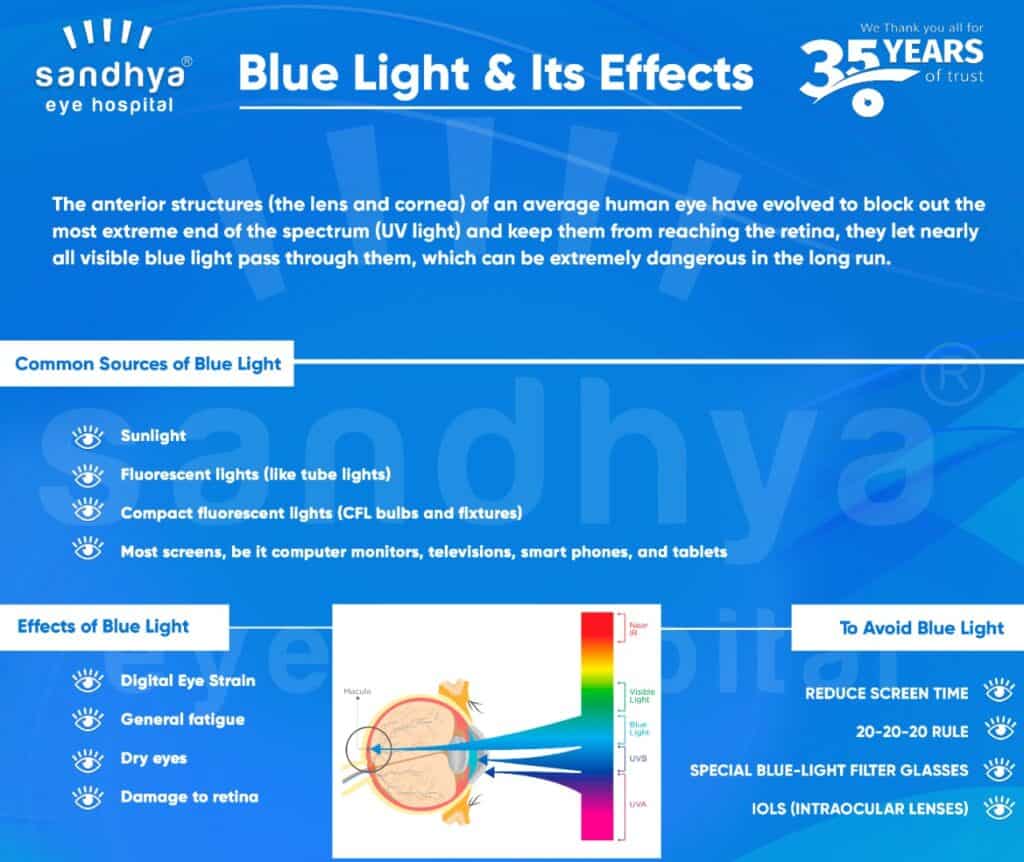
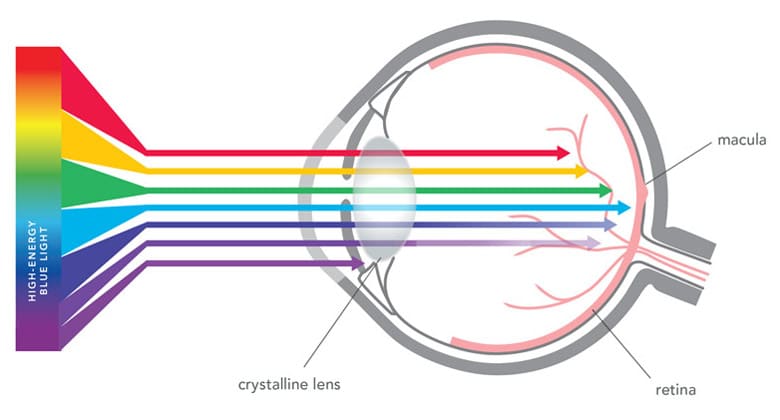
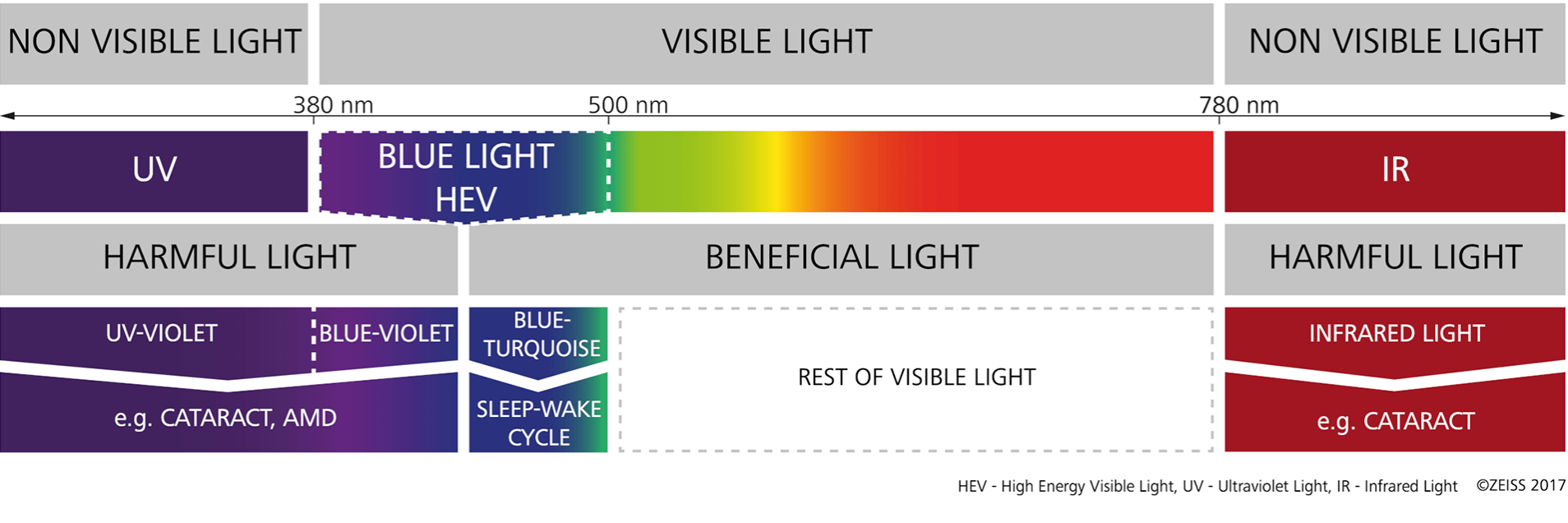
Blue light is a segment of the visible light spectrum, with a wavelength of around 380-500 nanometers (nm). This part of the light spectrum is also known as "high-energy visible (HEV) light," because it has a higher energy level than other colors of visible light.
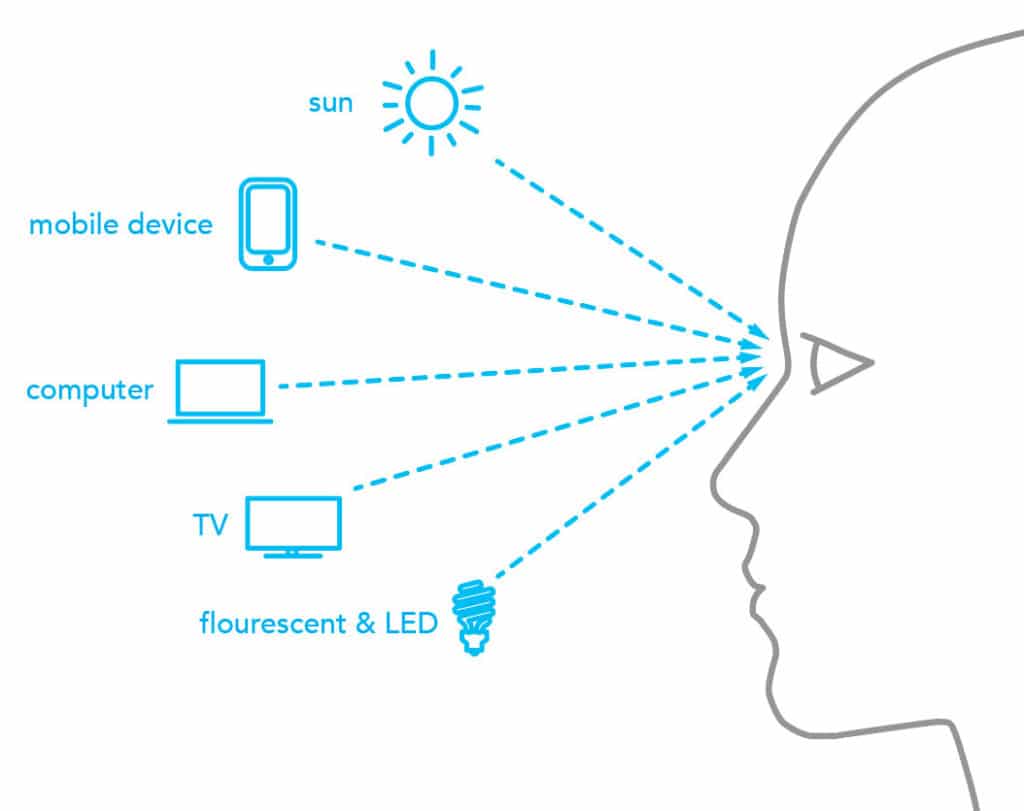
The sun is the biggest source of blue light, but it's also emitted by many artificial light sources, including:
- Screens (smartphones, tablets, computers, and televisions)
- LED light bulbs
- Fluorescent lighting
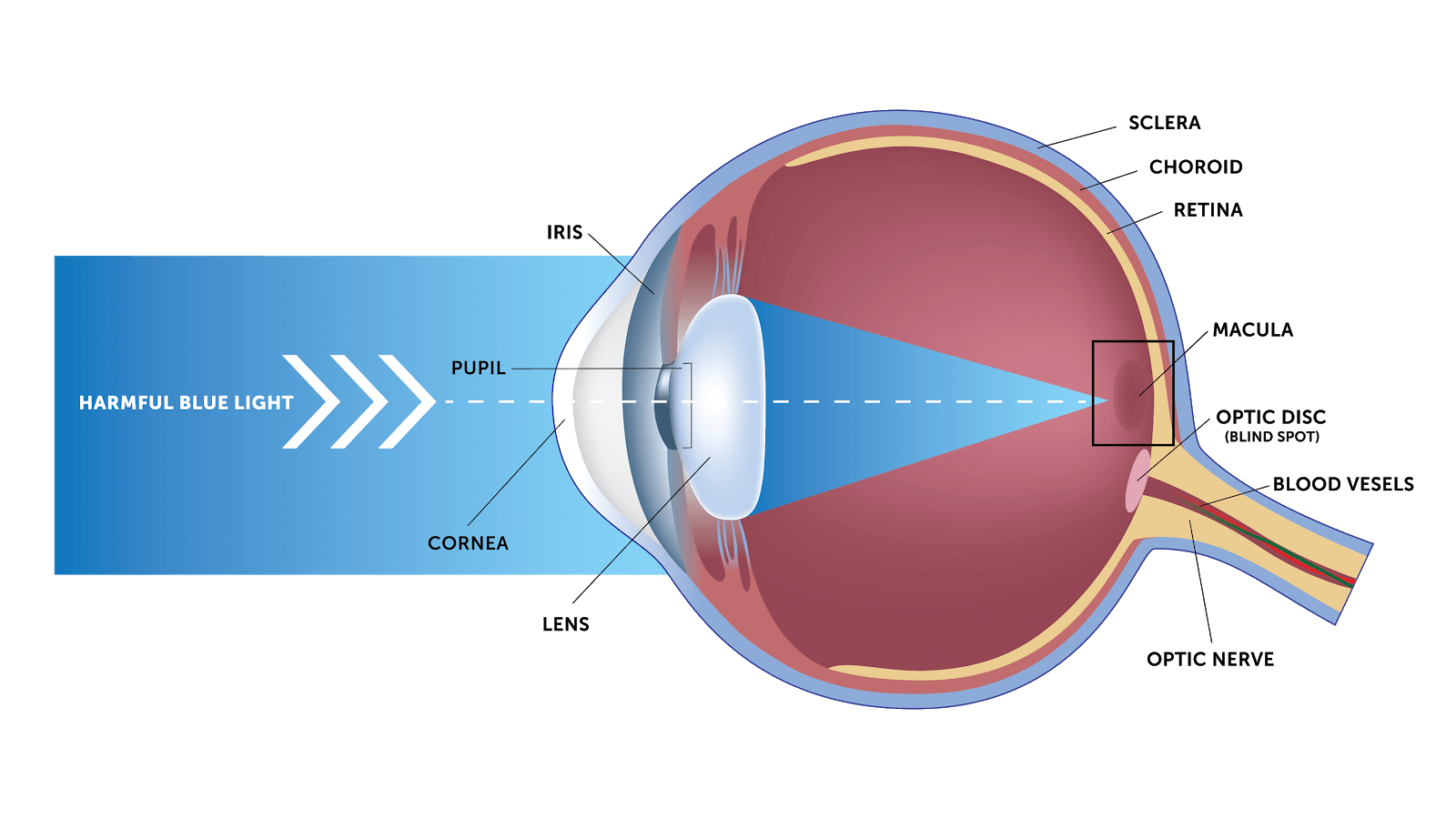
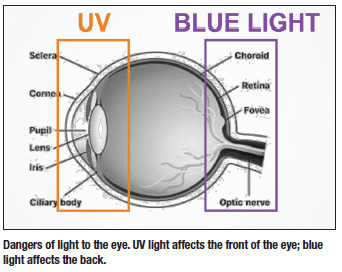
So, why is blue light special? Unlike other wavelengths of visible light, blue light is not fully absorbed by the cornea and lens of our eyes.
The Impact of Blue Light on Our Health
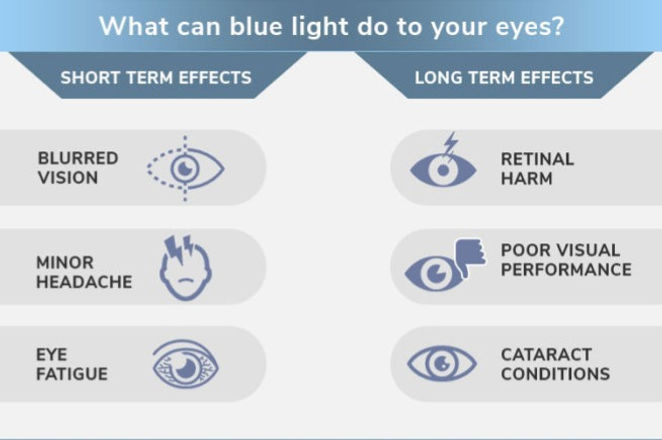
Research has shown that prolonged exposure to artificial blue light may have adverse effects on our eye health and overall well-being. Some of the key concerns include:
- Eye strain and digital eye fatigue
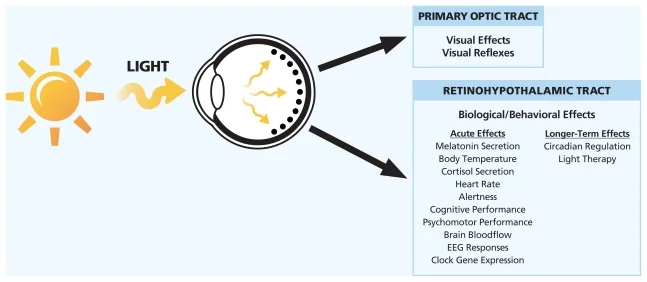
- Disrupted circadian rhythms
- Increased risk of macular degeneration
- Impact on sleep quality
While the science is still emerging, many experts recommend taking steps to minimize our exposure to blue light, particularly in the evening hours when our body's natural sleep-wake cycle (circadian rhythm) is most sensitive.
What Can You Do to Protect Yourself from Blue Light?
While it's impossible to completely eliminate blue light from our lives, there are several steps you can take to reduce your exposure:
- Follow the 20-20-20 rule: Every 20 minutes, look away from your screen and focus on something 20 feet away for 20 seconds.
- Adjust your screen settings: Lower the brightness and adjust the color temperature of your screens to reduce blue light emission.
- Use blue light filtering glasses or software: Depending on your specific needs, you can invest in blue light filtering glasses or use software that filters out blue light from your screens.
- Prioritize evening routines: Avoid screens at least an hour before bedtime to minimize the impact of blue light on your sleep.
Separating Fact from Fiction: What's the Truth Behind Blue Light?
As we navigate the complex world of blue light, it's essential to separate fact from fiction. Many myths surround blue light, including:
- Myth: Blue light contributes significantly to macular degeneration.
- Reality: The American Academy of Ophthalmology states that there is currently no evidence to suggest that blue light causes macular degeneration.
- Myth: Blue light filtering glasses are a foolproof way to prevent eye strain and digital eye fatigue.
- Reality: While blue light filtering glasses may help, they are not a guarantee against eye strain and digital eye fatigue.
Conclusion: Blue Light, Health, and Living in Harmony
As our reliance on digital technology continues to grow, it's essential to understand the impact of blue light on our health. While some concerns about blue light are still being studied, taking simple steps to reduce our exposure can make a significant difference in how we feel and maintain our overall well-being.
By being aware of blue light and making informed choices, we can create a healthier relationship with our devices and protect our eye health for years to come.