Effective Acne Treatment for Hormonal Acne: Causes, Symptoms, and Solutions
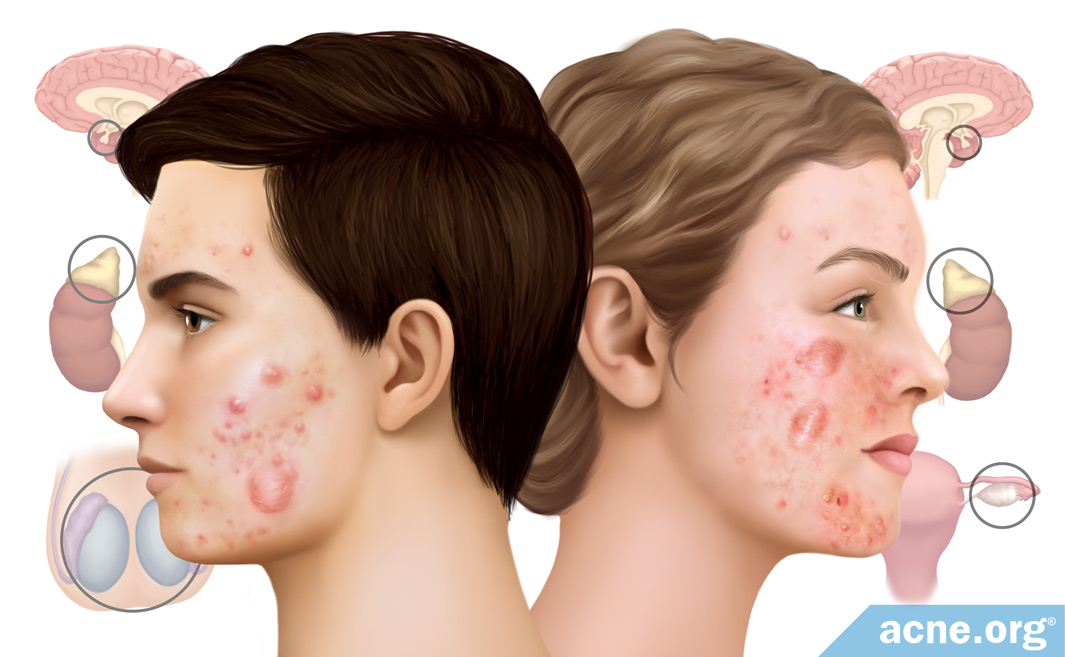
Hormonal acne is a persistent and frustrating skin condition that affects both teenagers and adults alike. Unlike typical acne that may arise from clogged pores or surface-level bacteria, hormonal acne is primarily influenced by internal fluctuations in hormones, particularly androgens such as testosterone. These fluctuations trigger the overproduction of sebum, leading to clogged pores, blackheads, and deep, painful cysts.
Understanding Hormonal Acne
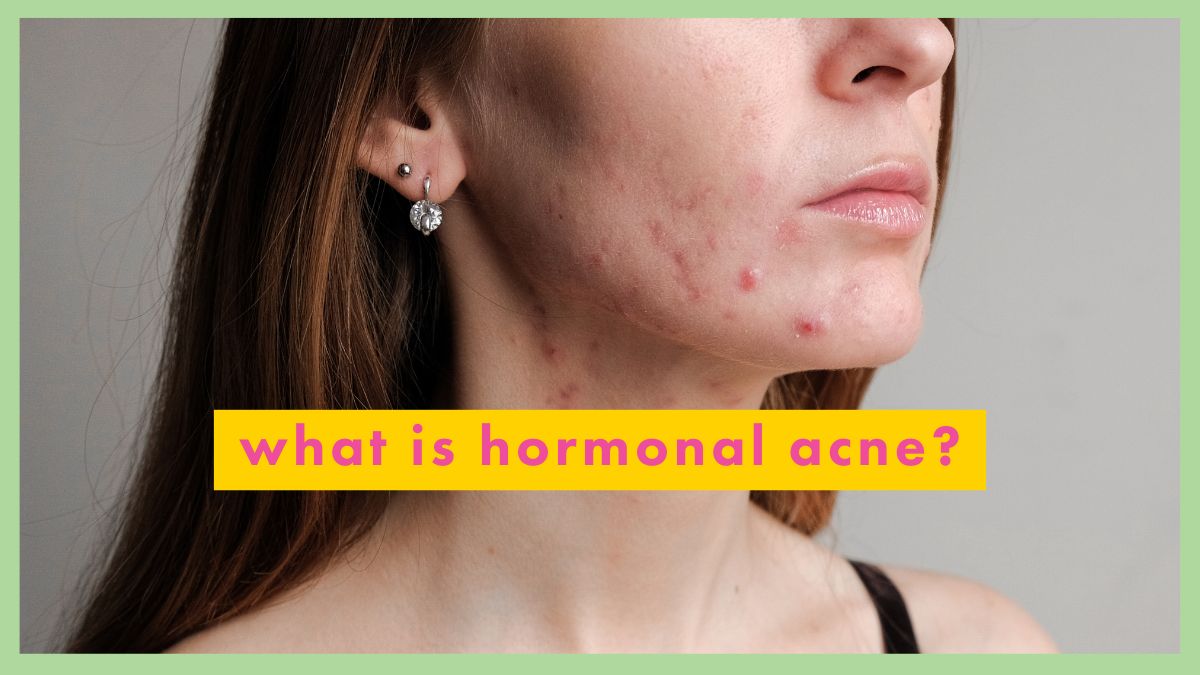
Hormonal acne is a common skin condition that occurs when genetics and hormones influence and increase the production of sebum (aka the skin's natural oil). This excess sebum clogs pores and leads to the development of whiteheads, blackheads, and deep, painful cysts. Hormonal acne can occur at any time during adulthood, but it's most common in women between the ages of 20 and 50.
Causes of Hormonal Acne
- Fluctuations in hormones, particularly androgens such as testosterone
- Genetics
- Stress
- Consuming dairy products and refined sugars
- Polycystic ovary syndrome (PCOS)
Symptoms of Hormonal Acne
- Whiteheads and blackheads
- Deep, painful cysts
- Redness and inflammation
- Scarring
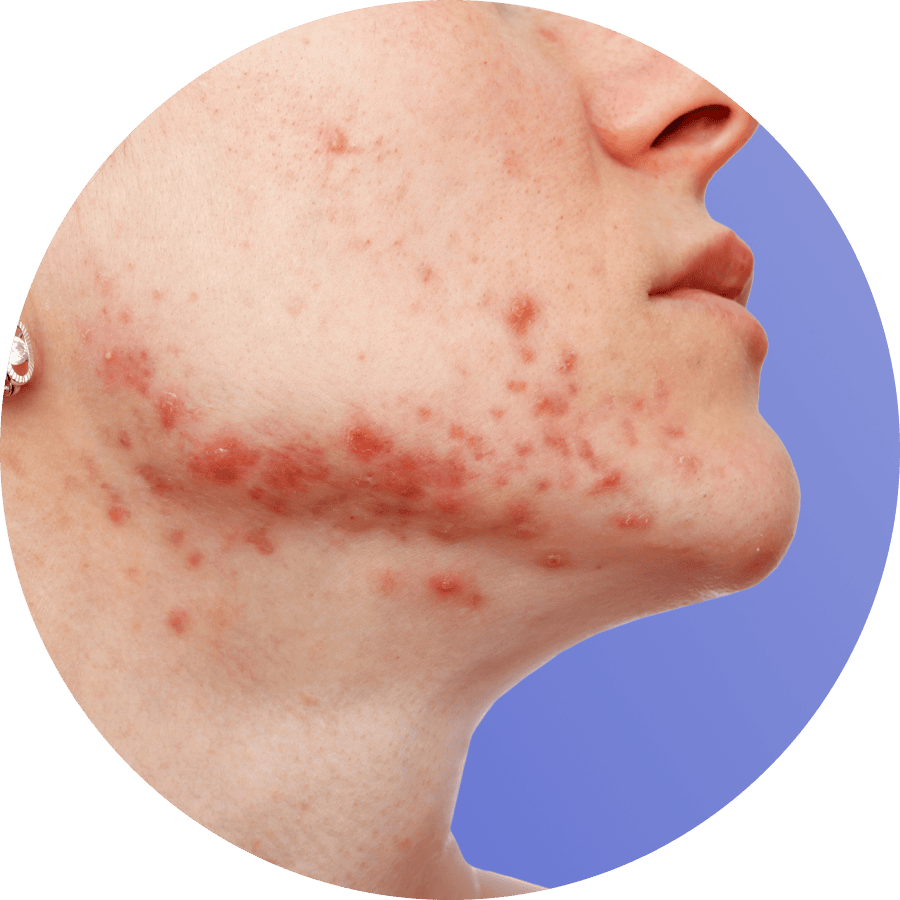
- Breakouts around the jawline, chin, and lower cheeks
Acne Treatment for Hormonal Acne
Effective treatment for hormonal acne requires a comprehensive approach that addresses the root causes of the condition. This may include:
- Dietary changes, such as limiting dairy products and refined sugars
- Stress reduction techniques, such as meditation and yoga
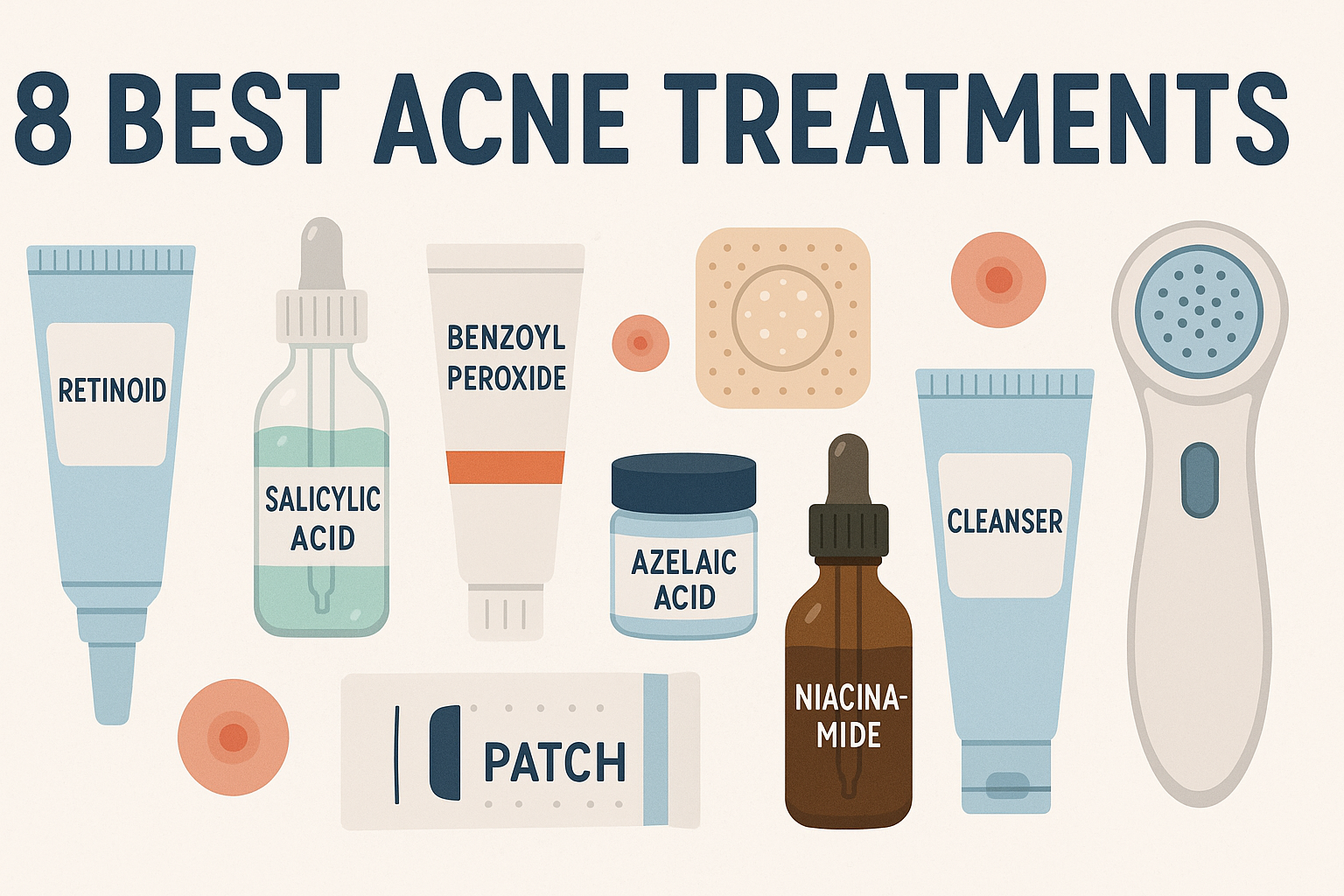
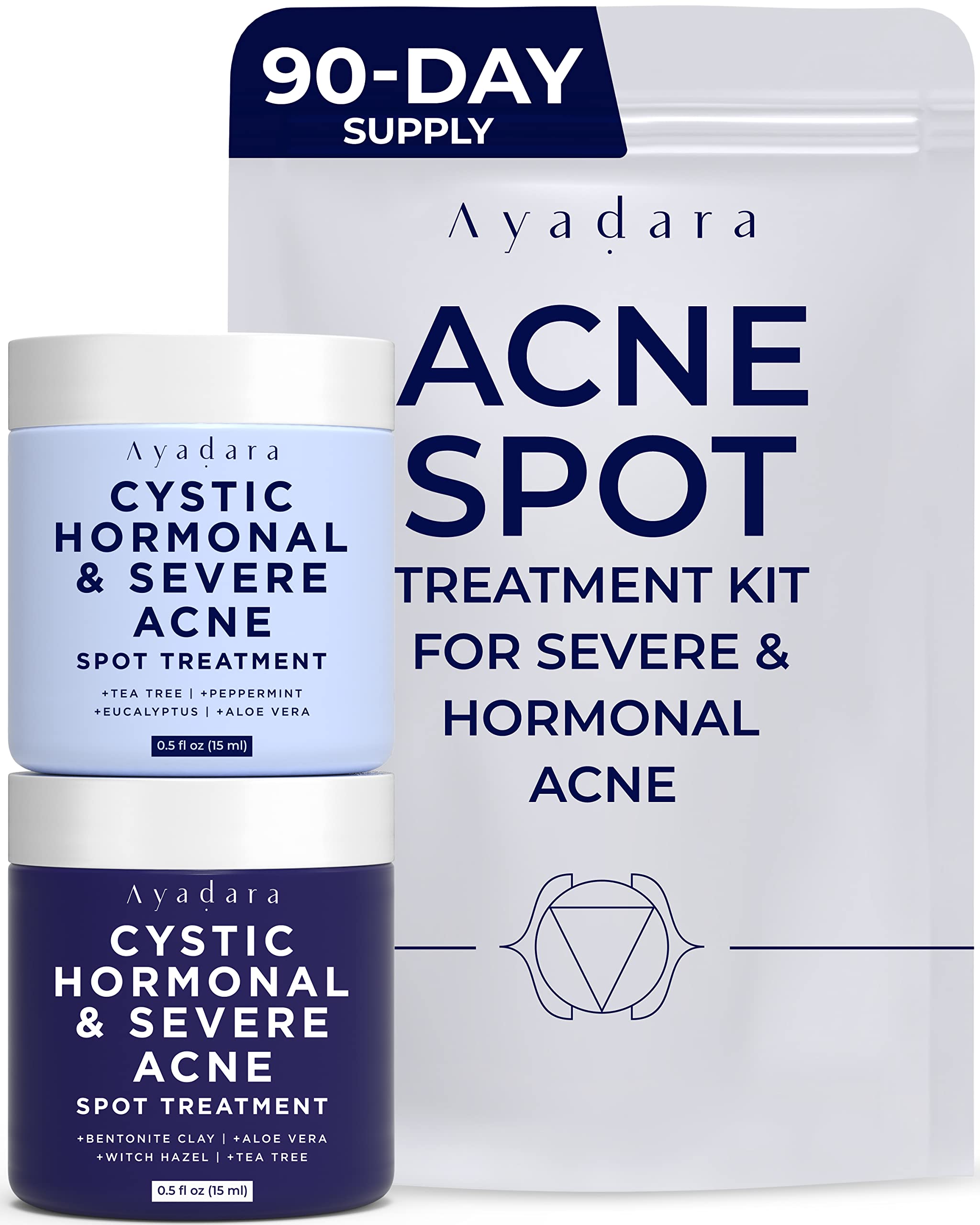
- Using spot treatments and topical creams to reduce inflammation and prevent scarring
- Oral medications, such as birth control pills and spironolactone, to regulate hormones
- Procedures, such as chemical peels and laser treatments, to minimize scarring and improve skin texture
Preventing Breakouts
Preventing breakouts from hormonal acne requires a combination of lifestyle changes and skincare routine. Here are some tips to help you get started:
- Wash your face twice a day with a gentle cleanser
- Use a spot treatment to reduce inflammation and prevent scarring
- Apply a topical cream or serum to regulate hormones and improve skin texture
- Limit your exposure to stress, and try stress-reducing techniques, such as meditation and yoga
- Get enough sleep, aiming for 7-8 hours per night
Conclusion
Hormonal acne is a persistent and frustrating skin condition that requires a comprehensive treatment plan. By understanding the causes and symptoms of hormonal acne, you can take the first step towards effective and long-lasting treatment. Remember, preventing breakouts requires a combination of lifestyle changes and skincare routine. With the right treatment and prevention strategies, you can achieve clear, healthy skin and restore your confidence.