The Impact of Continuous Partial Attention on Relationships at Work
Continuous Partial Attention (CPA) is a modern workplace epidemic that few managers recognize but nearly all employees experience. When workers face split shifts and fragmented schedules, their ability to focus deteriorates, creating a cascade of productivity and wellbeing challenges.
What is Continuous Partial Attention?
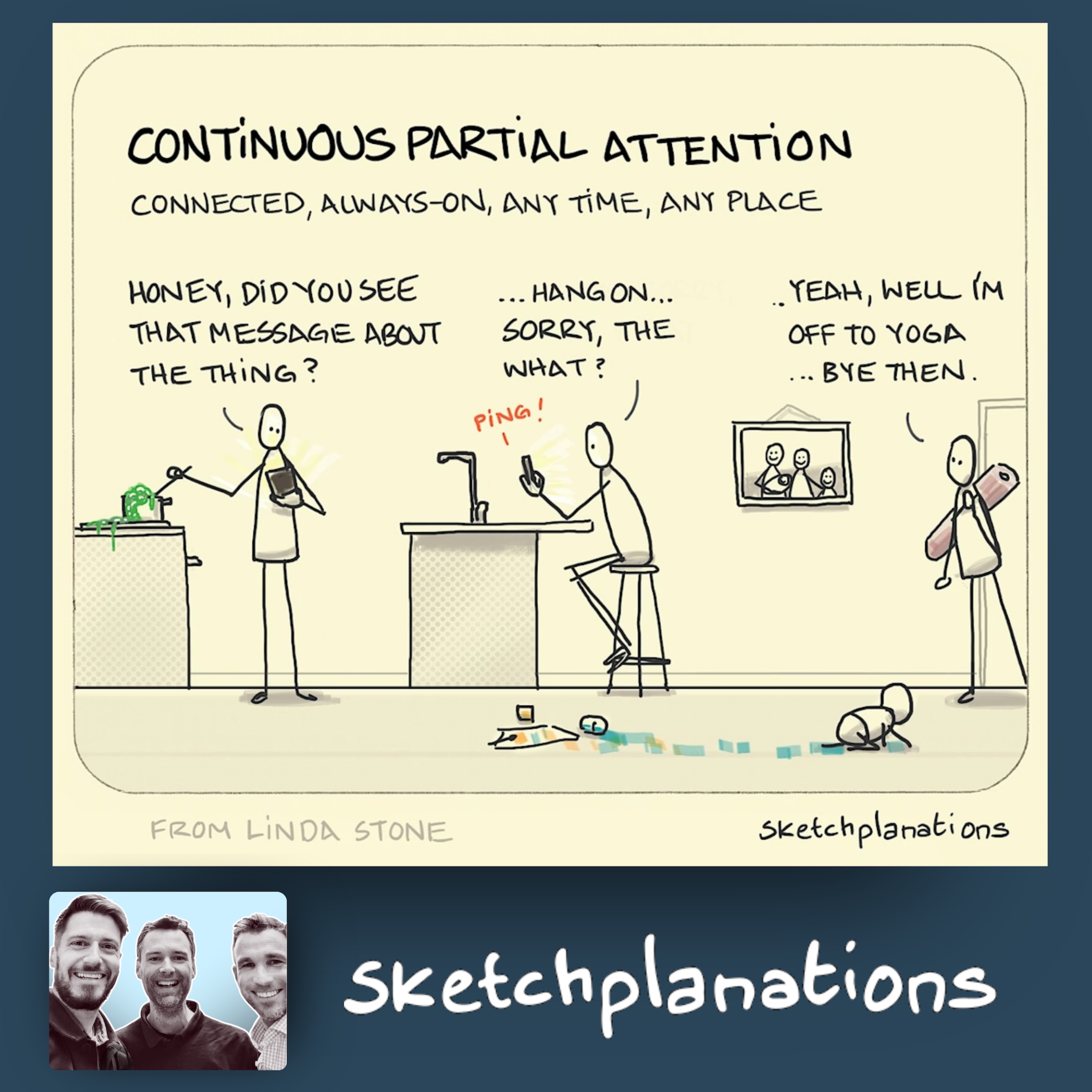
Continuous Partial Attention is the behavior of dividing one's attention, scanning and optimizing opportunities in an effort to not miss anything that is going on, coined in 1998 by Linda Stone. [1] While multitasking is driven by a conscious desire to be productive, CPA is an automatic process motivated by the desire to constantly stay connected. Stone describes the phenomenon as a state where individuals are constantly scanning for what might be more important than the current task.
The Impact of Continuous Partial Attention on Relationships at Work
The constant connectedness that is associated with CPA may also affect relationships, lower productivity levels, and lead to overstimulation and a lack of fulfillment. In a workplace where CPA is prevalent, employees may struggle to focus on a single task, leading to decreased productivity and lower quality work. Additionally, CPA can damage trust, team cohesion, and firm culture, making it challenging for employees to build and maintain positive relationships with their colleagues.
Consequences of Continuous Partial Attention
- Decreased productivity and quality of work
- Damaged trust, team cohesion, and firm culture
- Overstimulation and lack of fulfillment
- Increased stress and burnout
- Reduced ability to focus and concentrate on the present moment
Strategies to Manage the Challenges of Continuous Partial Attention
Managers can take several steps to help their employees manage the challenges of CPA and improve their productivity and wellbeing. Some strategies include:
- Implementing flexible work arrangements, such as telecommuting or flexible hours
- Providing training and resources to help employees manage their time and prioritize tasks
- Encouraging employees to take regular breaks and practice self-care
- Creating a culture that values focus and presence, rather than constant connectedness
Conclusion
Continuous Partial Attention is a prevalent phenomenon in the modern workplace that can have serious consequences for employee productivity, wellbeing, and relationships. By understanding the impact of CPA and implementing strategies to manage its challenges, managers can help their employees thrive in a world where constant connectedness is the norm.
References
[1] Linda Stone. (1998). The Networked Self: Past, Present, and Future.
[2] Thomas Friedman. (2005). The World Is Flat: A Brief History of the Twenty-First Century.
[3] Microsoft Research. (2005). Continuous Partial Attention.
[4] Harvard Business Review. (2019). The Cost of Continuous Partial Attention.
[5] Linda Stone. (2010). Continuous Partial Attention: The Lost Art of Focus.