**The Importance of Limited Screen Time: Strategies for a Healthier Digital Life**
With the constant connectivity of modern life, it's no secret that screentime has become an integral part of our daily routines. While some screen time is necessary and even beneficial, excessive use can lead to a range of negative effects, including sleep disturbances, mental health issues, and decreased productivity. In this article, we'll delve into the ways to limit screen time and explore various strategies to help you develop a healthier balance between digital and offline life.
Understanding the Impact of Screen Time

The majority of adults spend an average of 5-6 hours per day staring at screens, which can severely impact their physical and mental well-being. Excessive screen time can lead to a sedentary lifestyle, obesity, and increased risk of chronic diseases like diabetes, cardiovascular disease, and certain cancers. Moreover, it can cause eye strain, headaches, and sleep deprivation, all of which can affect mood, concentration, and overall quality of life.
Fortunately, there are numerous ways to limit screen time and establish a healthier balance between digital and offline activities. Here are some effective strategies to consider:
- Set screen-free zones and times
Designate specific areas in your home, such as the dinner table or bedrooms, as screen-free zones. Similarly, set specific times of the day when screens are not allowed, such as during meals or at least an hour before bedtime. - Use screen time tracking apps and software
Utilize tools like Freedom, Moment, or Qustodio to track and monitor your screen time, receive alerts, and set time limits for specific apps or websites. - Implement screen-free days or weeknights
Choose one or two days a week to abstain from screens entirely, or designate certain nights as screen-free for the entire family. - Create screen-free routines
Develop pre-bedtime routines that involve relaxing activities, such as reading, meditation, or deep breathing exercises, instead of screens. - Schedule digital detoxes
Plan regular digital detoxes, where you and your family abstain from screens for a set period, such as an afternoon or weekend. - Set screen limits for specific apps or websites
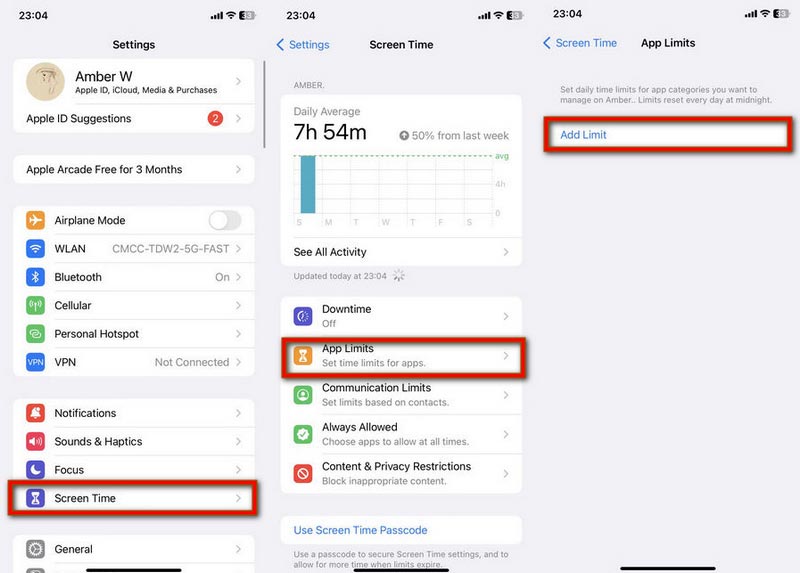
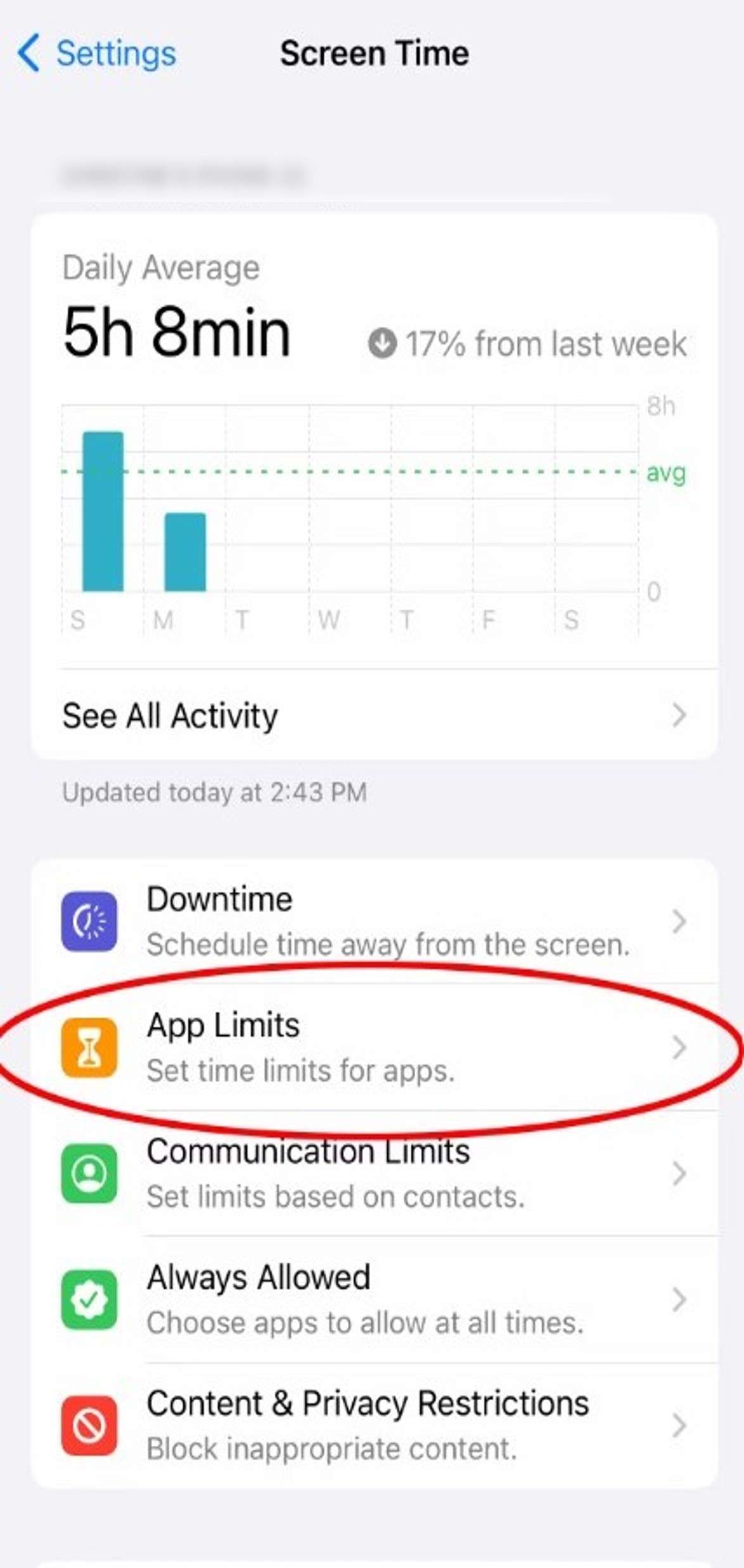
Use built-in features or apps to set time limits on specific apps or websites, such as social media or games, to promote healthy boundaries. - Prioritize physical activity and outdoor time
Engage in regular physical activities, such as walks, sports, or yoga, and schedule outdoor time to refresh and disconnect from screens. - Track and measure progress
Monitor your screen time and track your progress using apps, spreadsheets, or a habit tracker to stay motivated and adjust your strategies as needed. - Educate yourself and your family
Learn about the effects of excessive screen time, its impact on mental and physical health, and the benefits of a balanced digital lifestyle. Educate your family members on the importance of screen time management and involve them in setting boundaries.
Benefits of Limiting Screen Time
By implementing these ways to limit screen time, you can experience a range of benefits, including:
- Improved physical and mental health
- Increased productivity and focus
- Enhanced creativity and problem-solving skills
- Better sleep quality and duration
- More quality time with family and friends
- A more balanced and fulfilling lifestyle
Conclusion
Limiting screen time is not about complete abstinence, but about establishing a healthy balance between digital and offline activities. By incorporating these ways to limit screen time into your daily routine, you can improve your overall well-being, relationships, and productivity. Remember, it's a journey, and setting realistic goals and tracking progress will help you achieve a healthier digital lifestyle.