The Future of Hyperconnectivity in Healthcare
Unlocking Seamless Care with Emerging Technologies
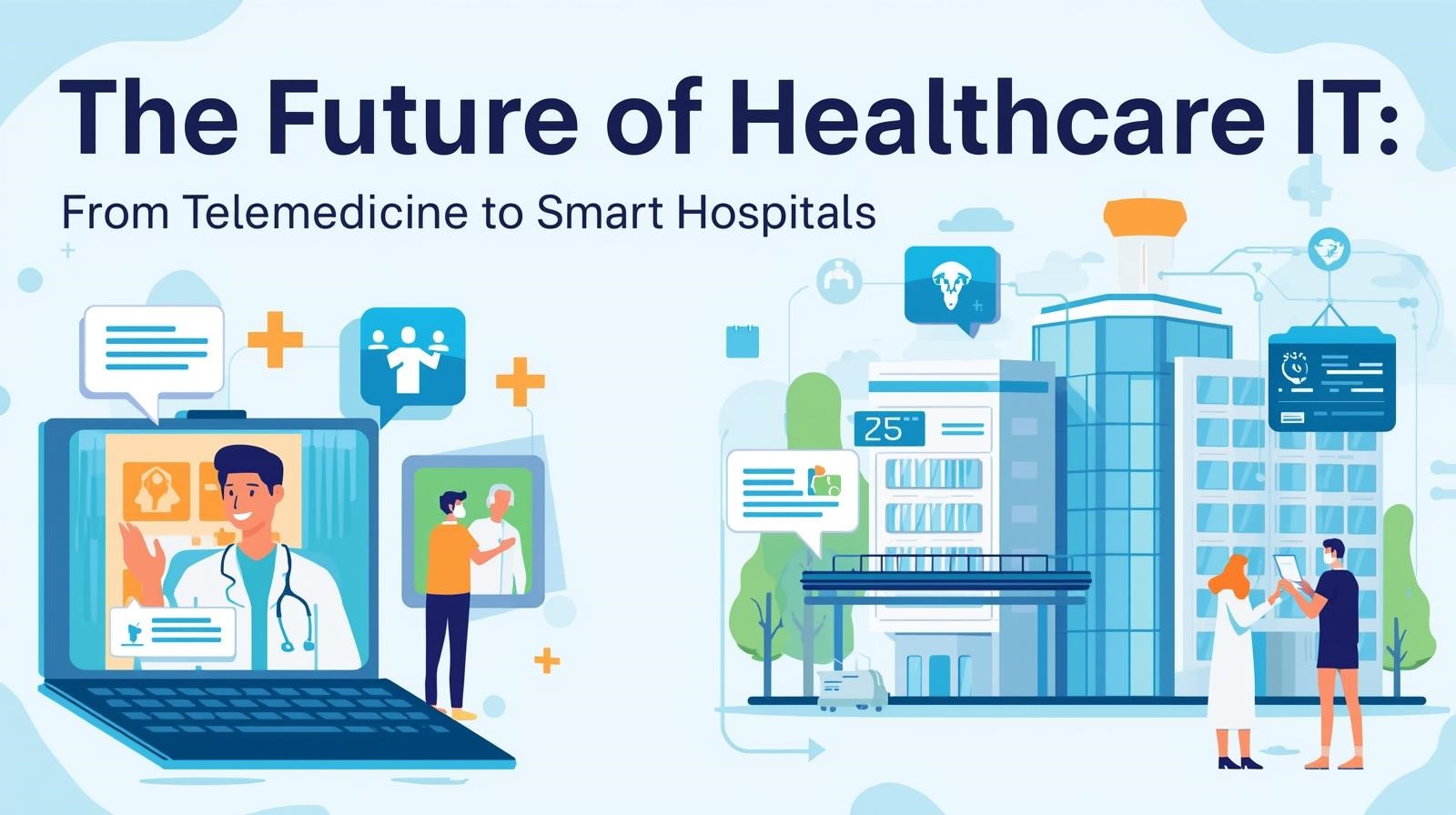
The healthcare sector is at the cusp of a revolution, driven by the confluence of hyperconnectivity, artificial intelligence (AI), and the Internet of Things (IoT). As we hurtle towards a future where data is the lifeblood of healthcare, the possibilities for improving patient outcomes, streamlining care delivery, and reducing costs are vast and varied.
Hyperconnectivity: The Unsung Hero of Healthcare
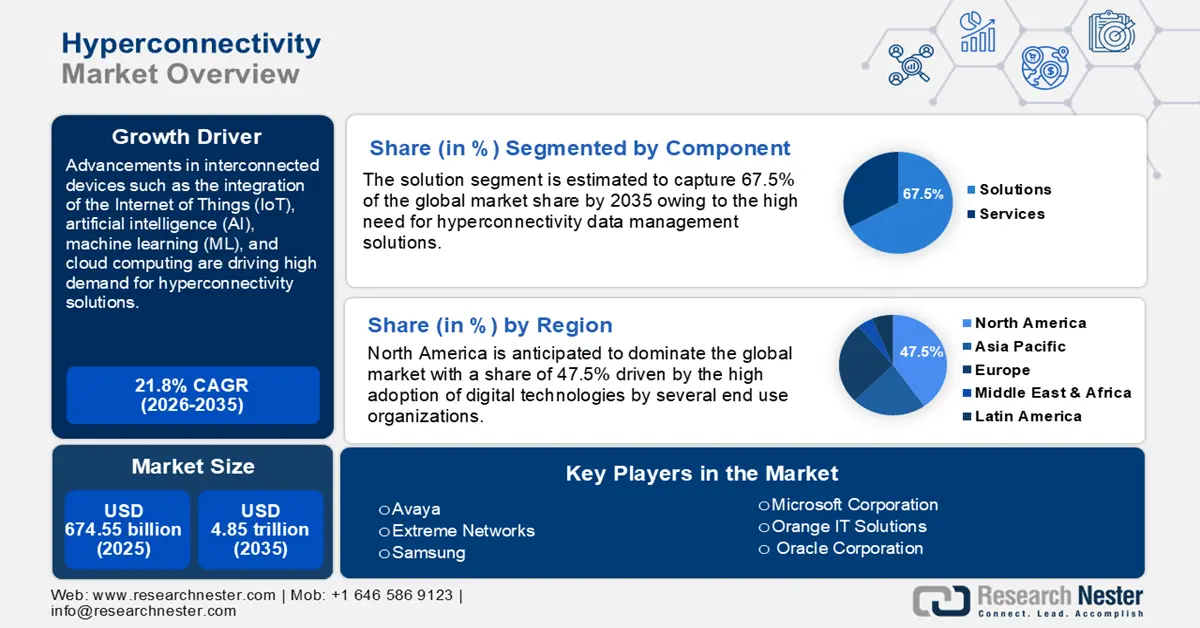
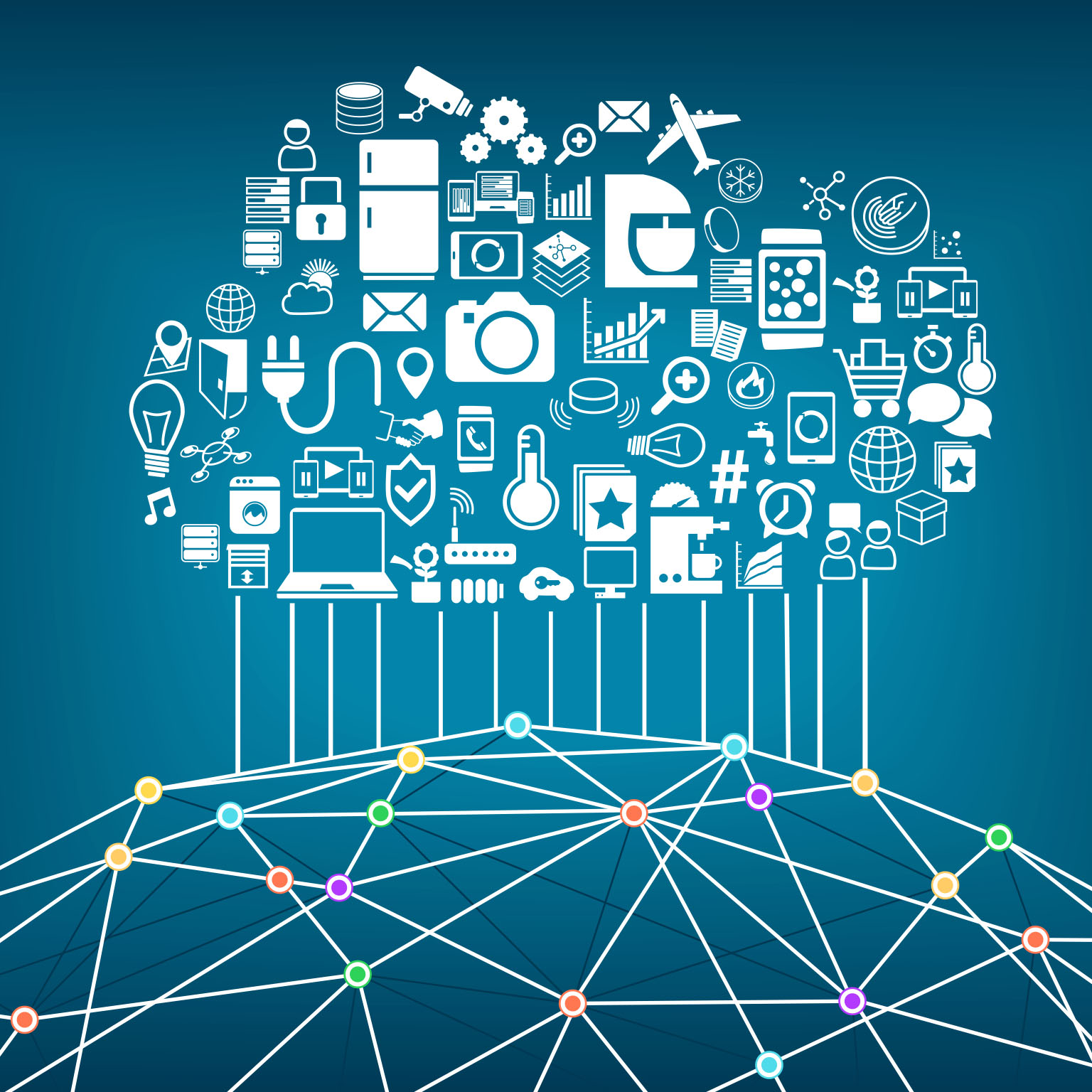
Hyperconnectivity, a term coined to describe the seamless interconnection of people, devices, and data, has become the bedrock of modern healthcare. By harnessing the power of hyperconnectivity, healthcare organizations can break down silos, foster collaboration, and enhance the overall patient experience.
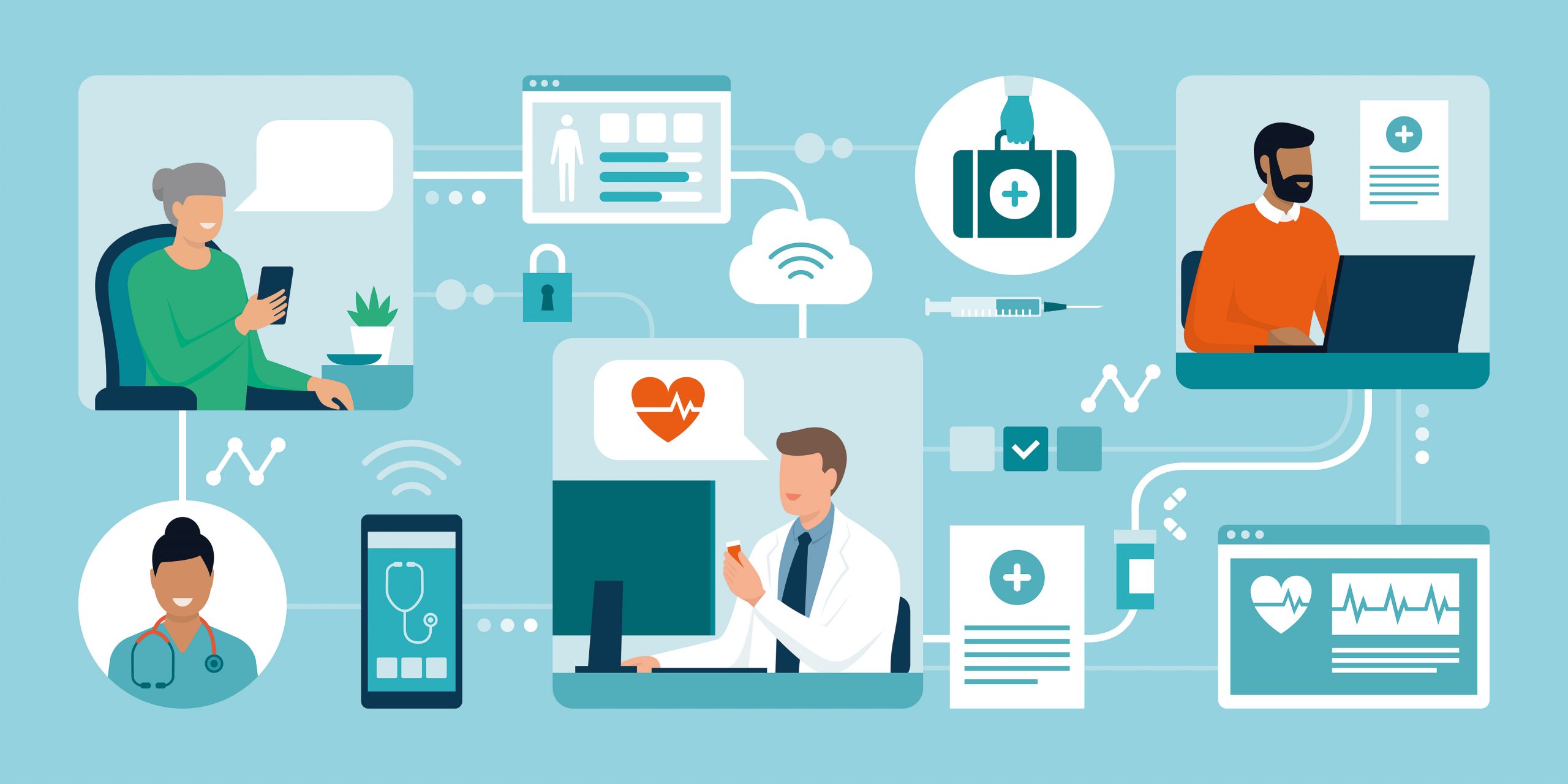
- Improved Remote Monitoring:** IoT-enabled devices and wearables can remotely monitor patients, enabling healthcare professionals to intervene early and prevent complications.
- Enhanced Telemedicine:** Virtual consultations and remote care platforms can extend access to healthcare services, reducing the burden on healthcare systems and improving patient outcomes.
- Advanced Analytics:** AI-powered analytics can mine vast amounts of data, identifying patterns and correlations that inform evidence-based decision-making.
The Impact of Hyperconnectivity on Healthcare
The impact of hyperconnectivity on healthcare is multifaceted and profound. By integrating IoT, AI, and other emerging technologies, healthcare organizations can:
- Optimize Care Delivery:** Hyperconnectivity enables healthcare professionals to make data-driven decisions, streamlining care delivery and reducing the risk of medical errors.
- Enhance Patient Engagement:** Personalized care plans, patient portals, and mobile apps can empower patients to take charge of their health, improving adherence to treatment and outcomes.
- Reduce Costs:** By minimizing the need for hospitalizations, reducing length of stay, and preventing complications, hyperconnectivity can help healthcare organizations save resources and reduce costs.
Challenges and Opportunities
While the benefits of hyperconnectivity in healthcare are undeniable, there are also challenges to be addressed:
- Security and Privacy:** The integration of IoT devices and wearables raises concerns about data security and patient privacy.
- Interoperability:** Ensuring seamless communication between disparate systems and devices is a significant challenge in the hyperconnected healthcare ecosystem.
- Skills and Training:** Healthcare professionals must be equipped with the skills and knowledge to effectively utilize hyperconnectivity tools and technologies.
The Future of Hyperconnectivity in Healthcare
The future of hyperconnectivity in healthcare is bright, with ongoing innovations and advancements poised to further transform the industry:
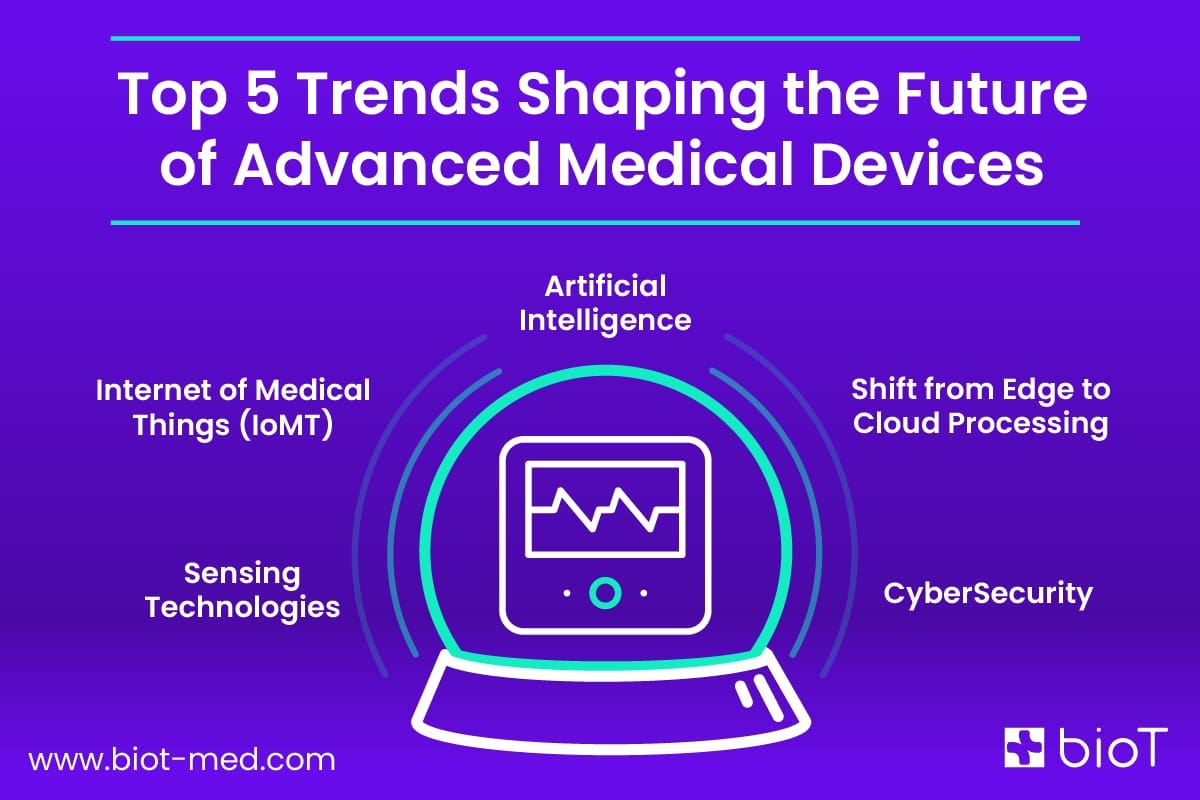
- Edge Computing:** The increasing adoption of edge computing will enable real-time analytics, remote monitoring, and AI-powered decision-making.
- Quantum Computing:** The integration of quantum computing will unlock new possibilities for complex data analysis, predictive modeling, and personalized medicine.
- Blockchain:** Blockchain technology will secure and facilitate the sharing of sensitive health data, enhancing patient trust and collaboration.
Conclusion
The future of hyperconnectivity in healthcare holds tremendous promise, with emerging technologies poised to revolutionize care delivery, enhance patient outcomes, and reduce costs. By addressing the challenges and opportunities presented by hyperconnectivity, healthcare organizations can harness its potential to create a brighter, more connected future for patients and healthcare professionals alike.