The Dopamine Loop Hypothesis: Unlocking the Secrets of Motivation, Reward, and Learning
The dopamine loop hypothesis is a complex and multifaceted concept that has garnered significant attention in the fields of neuroscience, psychology, and philosophy. When we consider the intricate dance between motivation, reward, and learning, the dopamine loop hypothesis emerges as a key player, shedding light on the fundamental mechanisms governing our brain's functions. In this article, we'll delve into the depths of this concept, exploring its theoretical underpinnings, empirical evidence, and crucial implications for our understanding of human behavior and cognition.
What is the Dopamine Loop Hypothesis?
The dopamine loop hypothesis posits that the mesolimbic dopamine system plays a central role in the processing of rewards, learning, and motivation. According to this hypothesis, dopamine release is triggered by novel or unexpected events, which are subsequently associated with the expectation of pleasure or reward. This reinforcement loop facilitates learning and adaptation, allowing us to adjust our behavior according to the environment and optimize our interactions with it.
The Role of Dopamine in the Dopamine Loop
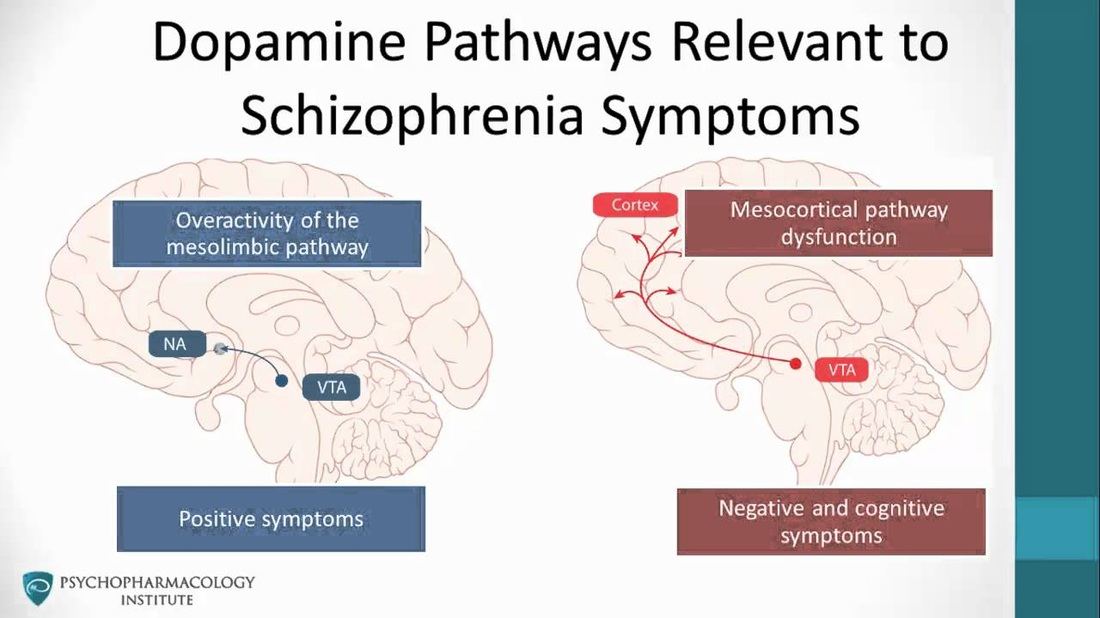
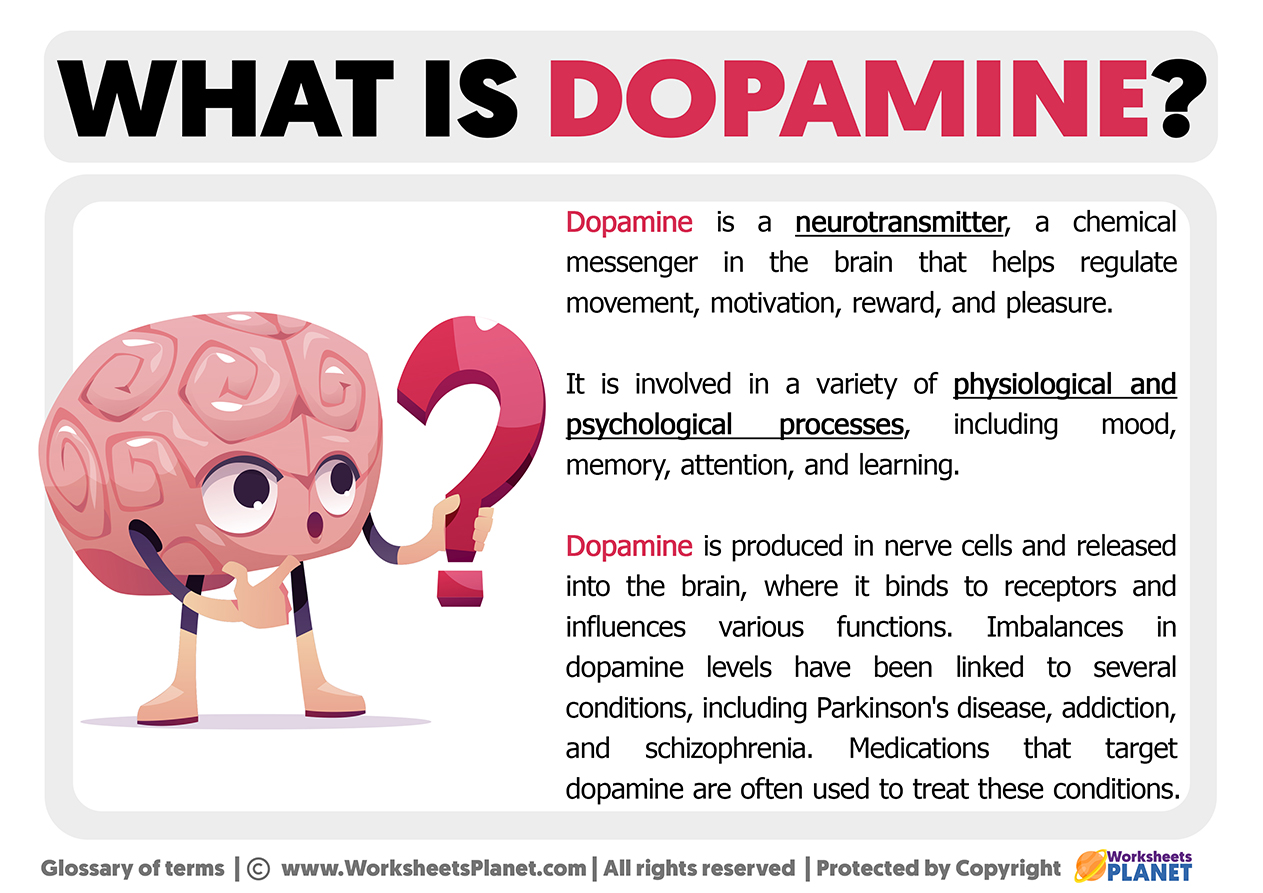
Dopamine is a neurotransmitter that plays a pivotal role in the dopamine loop hypothesis. It is released by the neurons of the ventral tegmental area (VTA) and functions as a teaching signal, guiding the learning process by assigning expectations of reward or punishment to specific stimuli. The mesolimbic dopaminergic pathway, comprising the VTA, nucleus accumbens (NAcc), and prefrontal cortex, is the key structure involved in processing rewards and reinforcing behavior.
Key Mechanisms of the Dopamine Loop Hypothesis
- Learning and Reward Processing**: The dopamine loop hypothesis suggests that dopamine release is essential for the formation and consolidation of memories related to rewards or pleasure. This enables us to associate specific stimuli with positive outcomes and adjust our behavior accordingly.
- Motivation and Goal-Directed Behavior**: The mesolimbic dopamine system is also responsible for regulating motivation and goal-directed behavior. When we anticipate a reward, dopamine release stimulates motivation and encourages us to pursue the desired outcome.
- Feedback Loops and Regulation**: The dopamine loop hypothesis proposes that feedback loops, involving the release and reuptake of dopamine, regulate the activity of the mesolimbic dopamine system. This self-modulation enables us to refine and adapt our behavior in response to changing environmental demands.
Empirical Evidence and Theoretical Frameworks
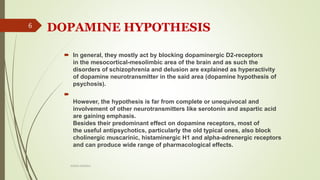
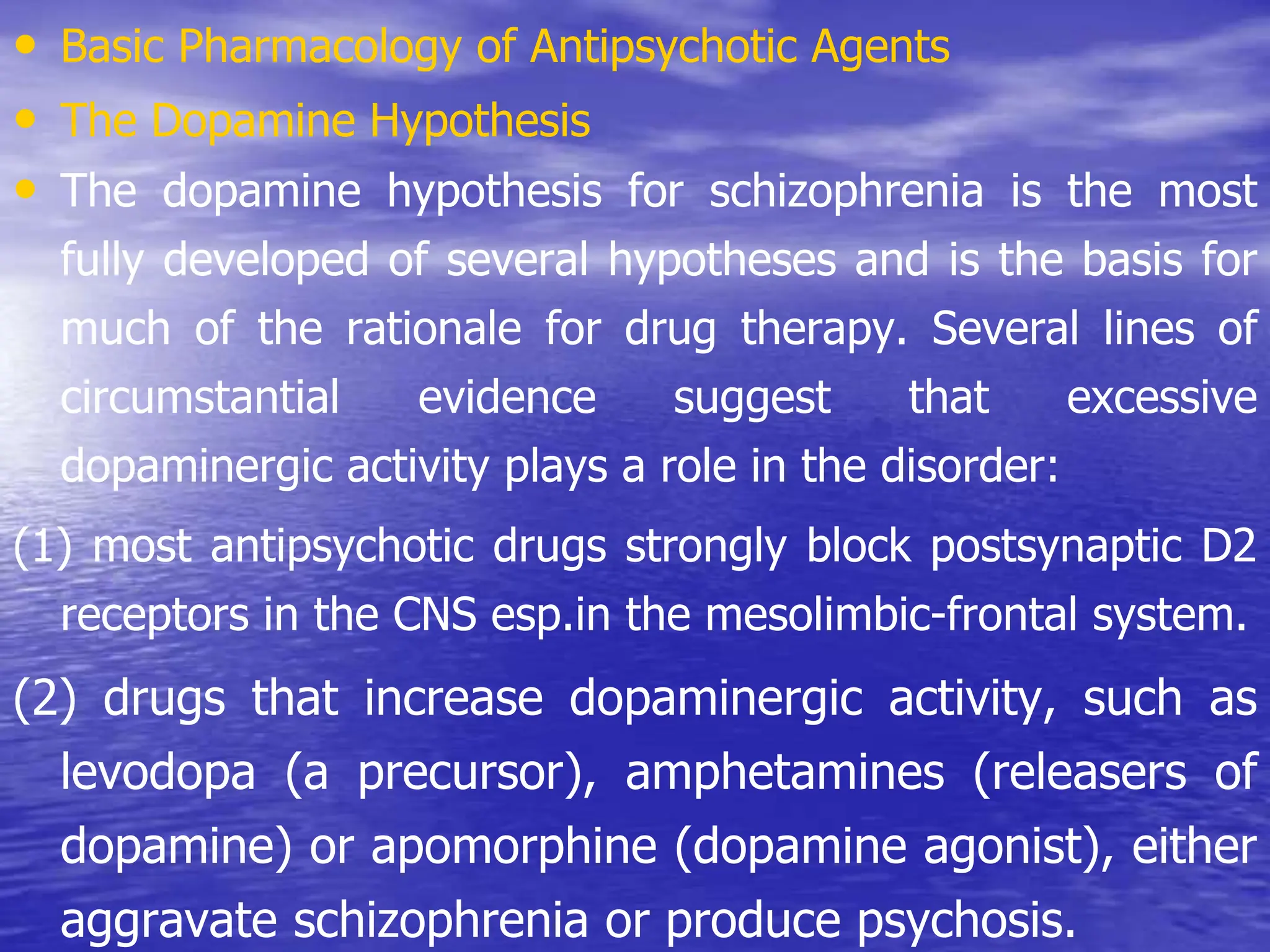
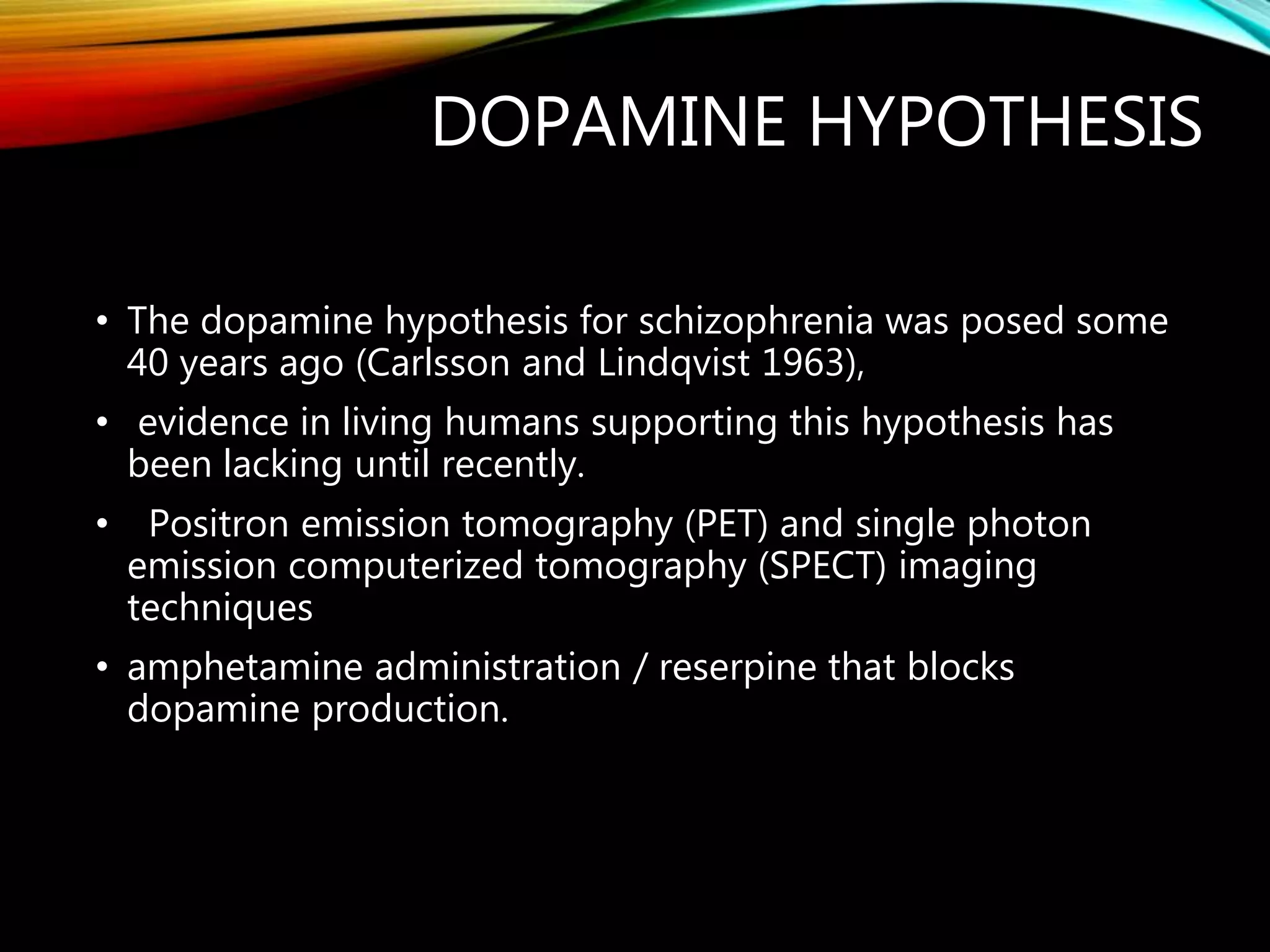
Research on the dopamine loop hypothesis has provided substantial support for its key mechanisms. Studies on rodents and humans have demonstrated that dopamine release is essential for learning and memory formation, particularly when it comes to rewarding stimuli. The mesolimbic dopamine system has been implicated in various psychiatric disorders, including addiction, schizophrenia, and depression, further underscoring the importance of dopamine in regulating behavior and cognition.
Implications and Future Directions
The dopamine loop hypothesis has significant implications for our understanding of human behavior, motivation, and learning. It highlights the central role of dopamine in processing rewards and regulating motivation, shedding light on the underlying mechanisms that drive our interactions with the environment. By exploring the complexities of the dopamine loop hypothesis, researchers can develop novel treatments for psychiatric disorders and improve our understanding of the neural basis of cognition and behavior.
Conclusion
The dopamine loop hypothesis is a multifaceted framework for understanding the intricate dance between motivation, reward, and learning. By examining the theoretical underpinnings, empirical evidence, and crucial implications of this concept, we can gain insights into the fundamental mechanisms governing our brain's functions. As research continues to uncover the secrets of the dopamine loop hypothesis, we can develop a deeper appreciation for the complexities of human behavior and cognition.