Sleep Fragmentation: Understanding Its Causes, Effects, and Solutions
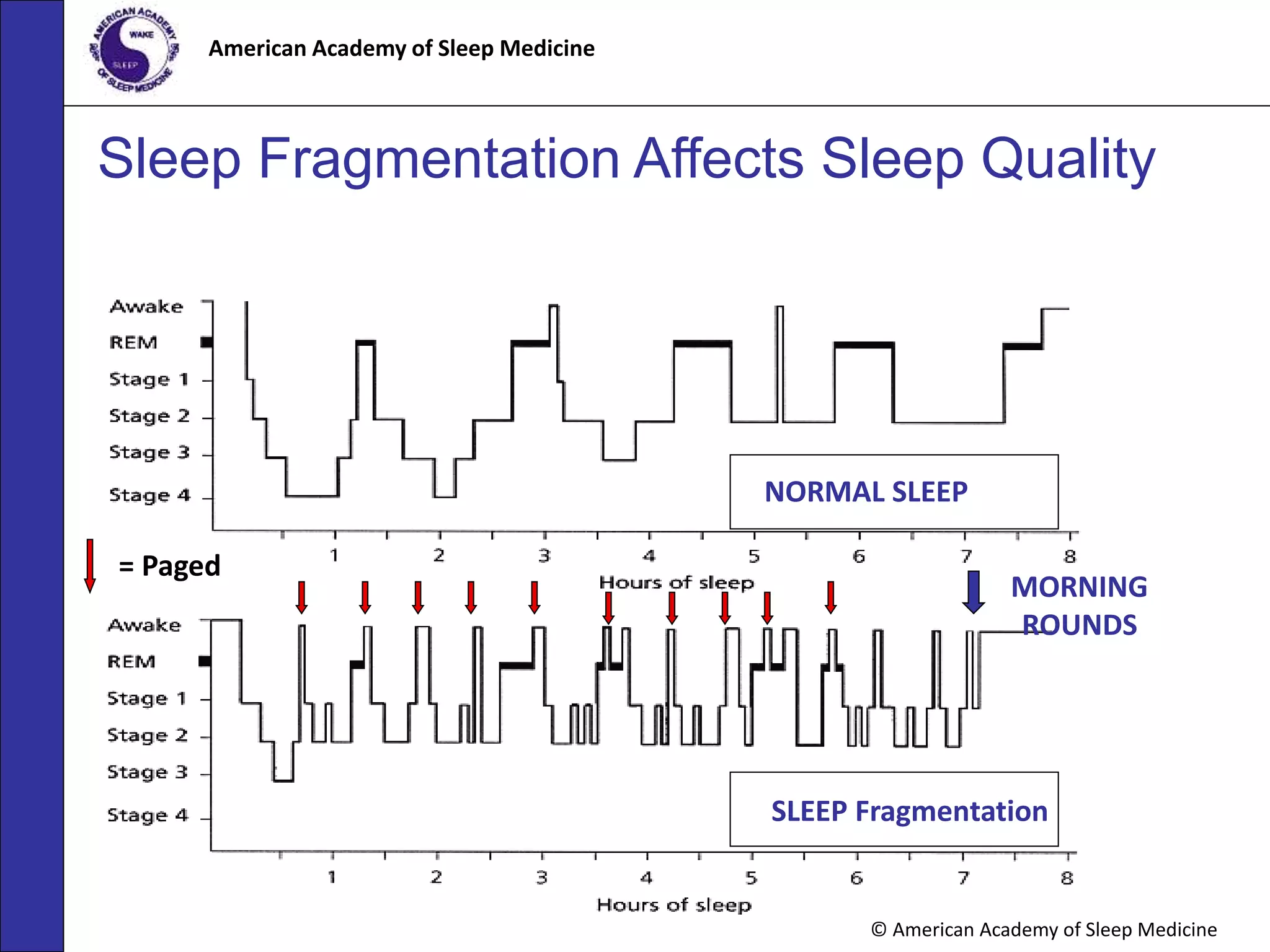
Sleep fragmentation is a common sleep disorder characterized by repeated, short interruptions during the night, leading to excessive daytime tiredness. These interruptions disrupt the natural sleep schedule and stages, causing a range of health problems. In this article, we will explore the causes and effects of sleep fragmentation, as well as strategies for overcoming it.
What is Sleep Fragmentation?
Sleep fragmentation is a sleep disorder where the sleep pattern is disrupted due to repeated awakenings during the night. This can be caused by a variety of factors, including stress, sleep disorders, and underlying medical conditions. The symptoms of sleep fragmentation include excessive daytime sleepiness, cognitive impairment, and diminished life expectancy.
Causes of Sleep Fragmentation
- Stress and Anxiety: Stress and anxiety can cause sleep fragmentation by increasing the body's stress hormones, making it difficult to fall asleep and stay asleep.
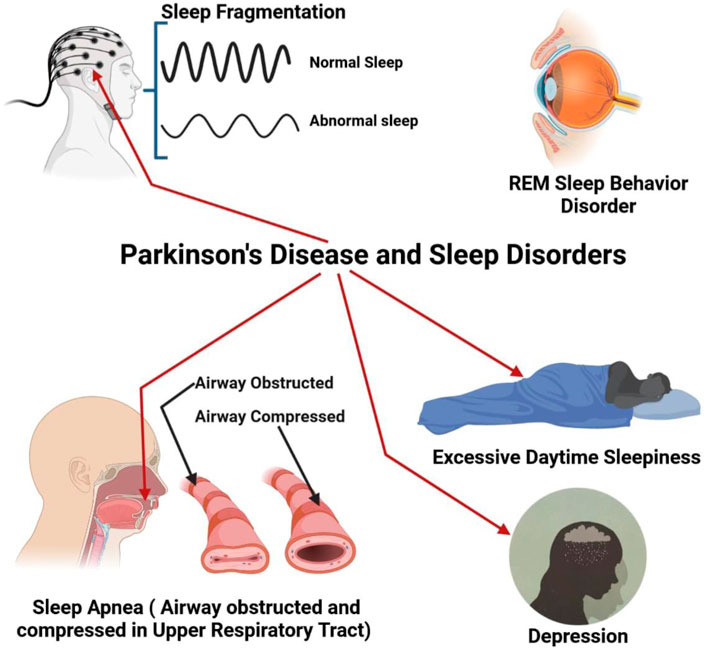
- Sleep Disorders: Sleep disorders such as sleep apnea, insomnia, and restless leg syndrome can cause sleep fragmentation by disrupting the sleep schedule and stages.
- Underlying Medical Conditions: Certain medical conditions such as sleep apnea, chronic pain, and gastrointestinal disorders can cause sleep fragmentation by disrupting the sleep schedule and stages.
- Age: Sleep fragmentation is more common in older adults due to changes in the sleep-wake cycle and reduced sleep quality.
- Circadian Rhythm Disorders: Circadian rhythm disorders such as delayed sleep phase syndrome and advanced sleep phase syndrome can cause sleep fragmentation by disrupting the sleep-wake cycle.
Effects of Sleep Fragmentation
Sleep fragmentation can have a range of negative effects on physical and mental health, including:

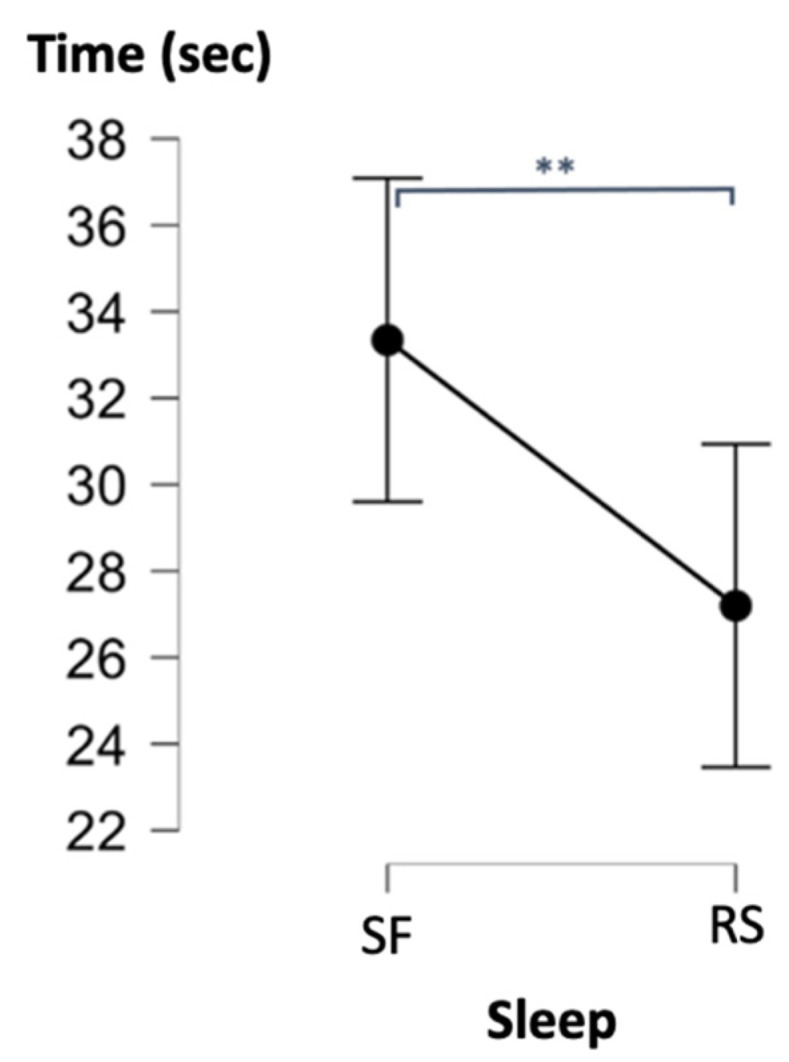
- Cognitive Impairment: Sleep fragmentation can impair cognitive function, including attention, memory, and decision-making skills.
- Excessive Daytime Sleepiness: Sleep fragmentation can cause excessive daytime sleepiness, which can impair daily functioning and increase the risk of accidents.
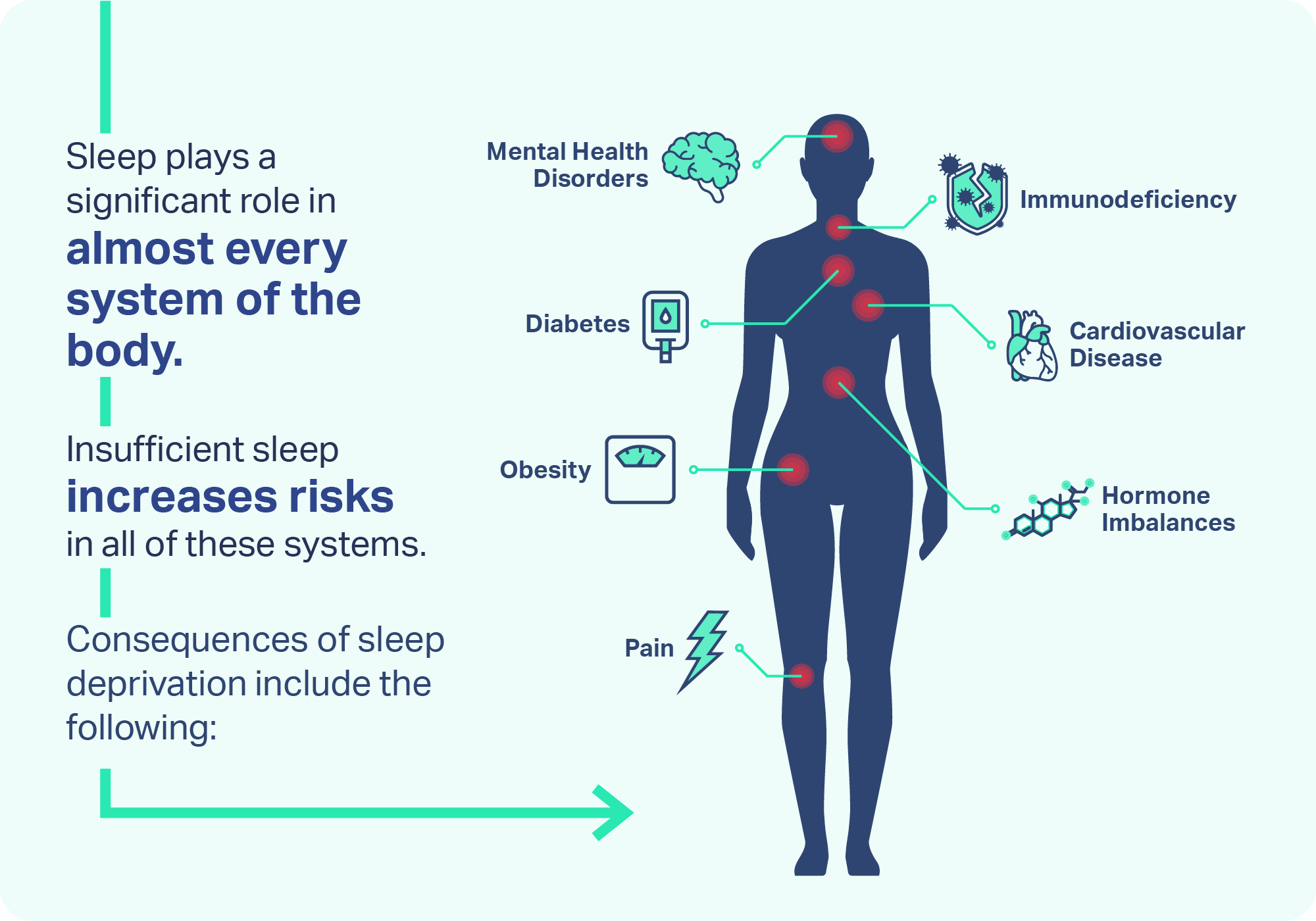
- Diminished Life Expectancy: Chronic sleep fragmentation can decrease life expectancy by increasing the risk of chronic diseases such as diabetes, hypertension, and cardiovascular disease.
- Mood Disturbances: Sleep fragmentation can cause mood disturbances, including depression and anxiety, due to the disruption of the sleep-wake cycle and the release of stress hormones.
Solutions for Sleep Fragmentation
Fortunately, there are several strategies for overcoming sleep fragmentation, including:
- Establishing a Consistent Sleep Schedule: Going to bed and waking up at the same time every day can help regulate the sleep-wake cycle and reduce sleep fragmentation.
- Creating a Sleep-Conducive Environment: Creating a sleep-conducive environment, including a dark, quiet, and cool bedroom, can help improve sleep quality and reduce sleep fragmentation.
- Practicing Relaxation Techniques: Practicing relaxation techniques, such as deep breathing, progressive muscle relaxation, and mindfulness meditation, can help reduce stress and anxiety and improve sleep quality.
- Avoiding Stimulants Before Bed: Avoiding stimulants, such as caffeine and nicotine, before bedtime can help improve sleep quality and reduce sleep fragmentation.
- Seeking Professional Help: If sleep fragmentation persists, seeking professional help from a healthcare provider or a sleep specialist can help identify underlying causes and develop a treatment plan.
Conclusion
Sleep fragmentation is a common sleep disorder that can have serious negative effects on physical and mental health. By understanding the causes and effects of sleep fragmentation and implementing strategies for overcoming it, individuals can improve sleep quality and reduce the risk of chronic diseases.