Sleep Disorders in Old Age: Understanding the Complex Relationship between Aging and Sleep
As we age, we often hear about the many changes that occur in our bodies, from declining physical strength to decreased cognitive abilities. However, one often-overlooked aspect of aging is the impact it has on our sleep patterns. Sleep disorders in old age are a common and growing concern, affecting millions of older adults worldwide.Why Do Older Adults Experience Sleep Disorders?
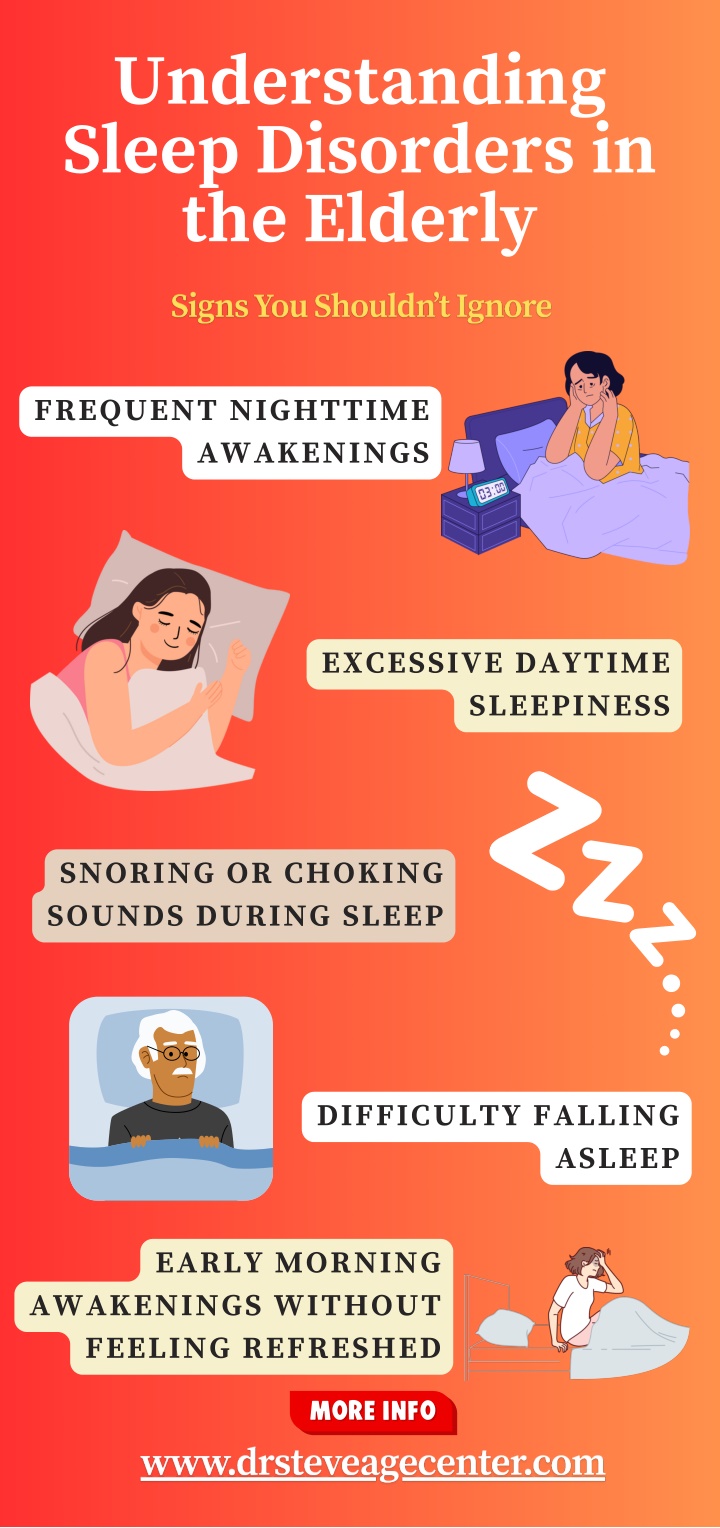
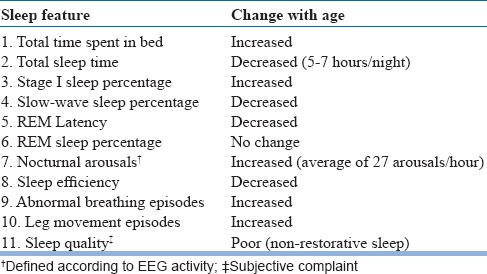
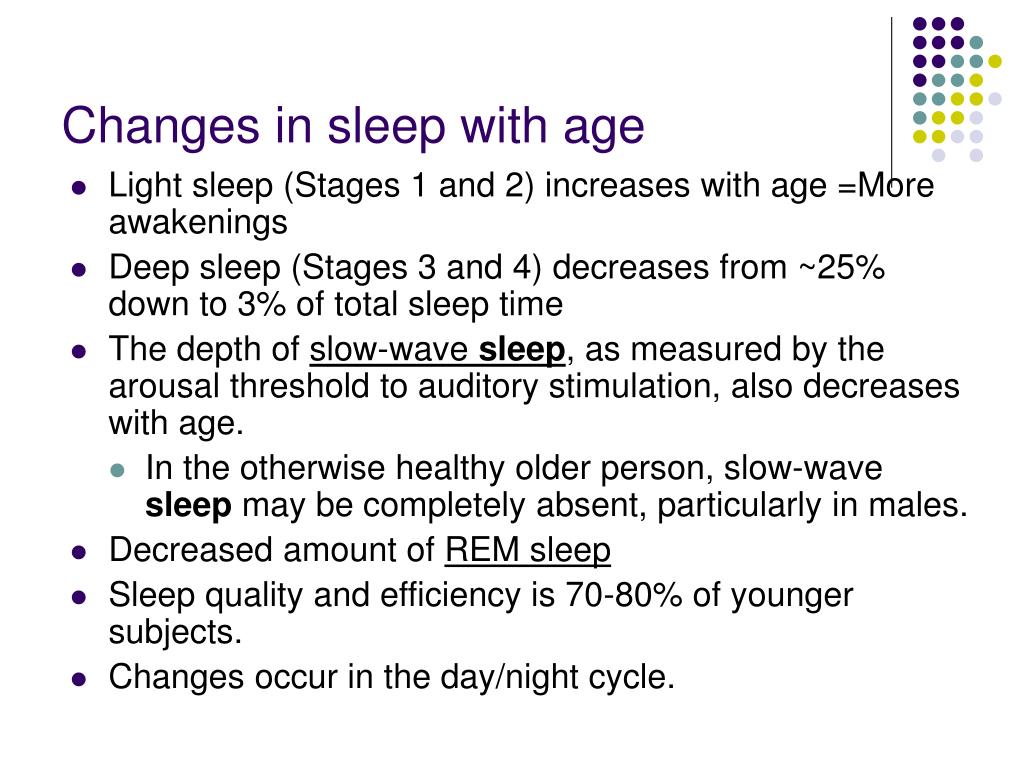
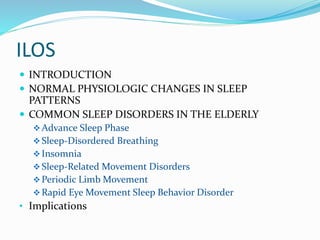
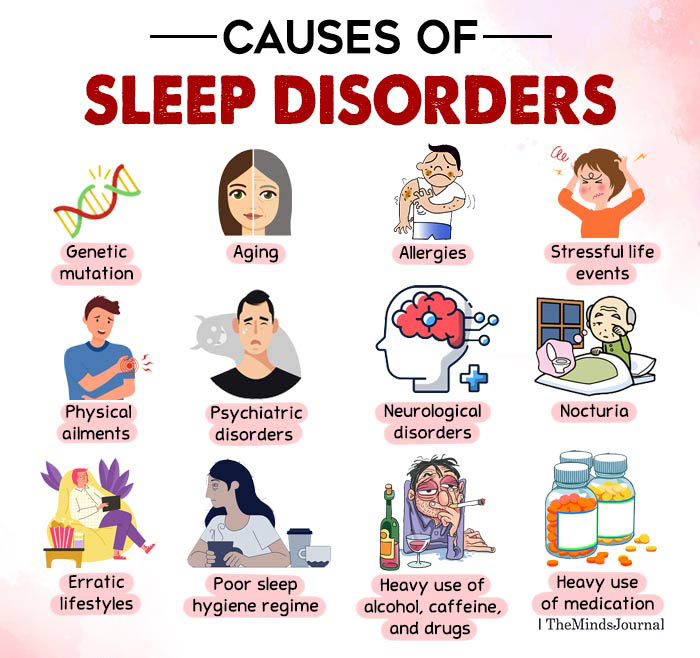
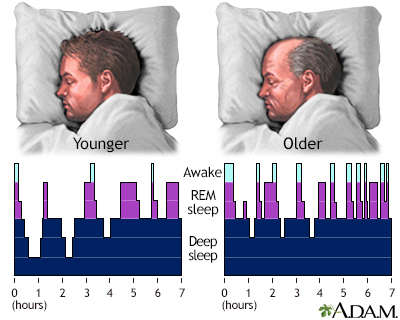
Getting older can significantly affect the quality and duration of sleep. Compared to younger people, elderly individuals experience advanced sleep phase and decreased slow-wave sleep, resulting in fragmented sleep and early awakening. Additionally, multiple factors contribute to insomnia in older adults, including behavioral and environmental changes, chronic illnesses, and medication use.Common Age-Related Sleep Disorders
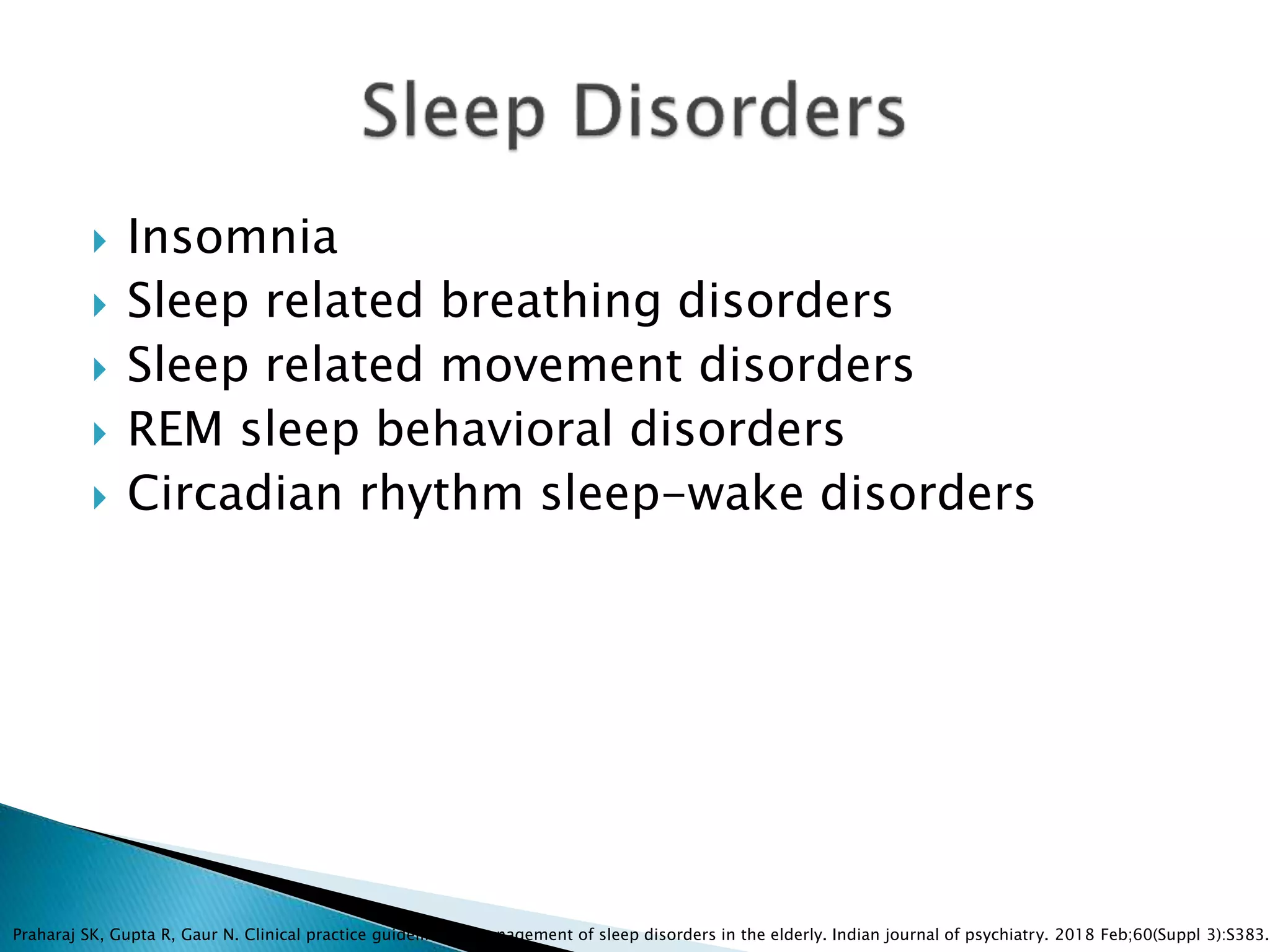
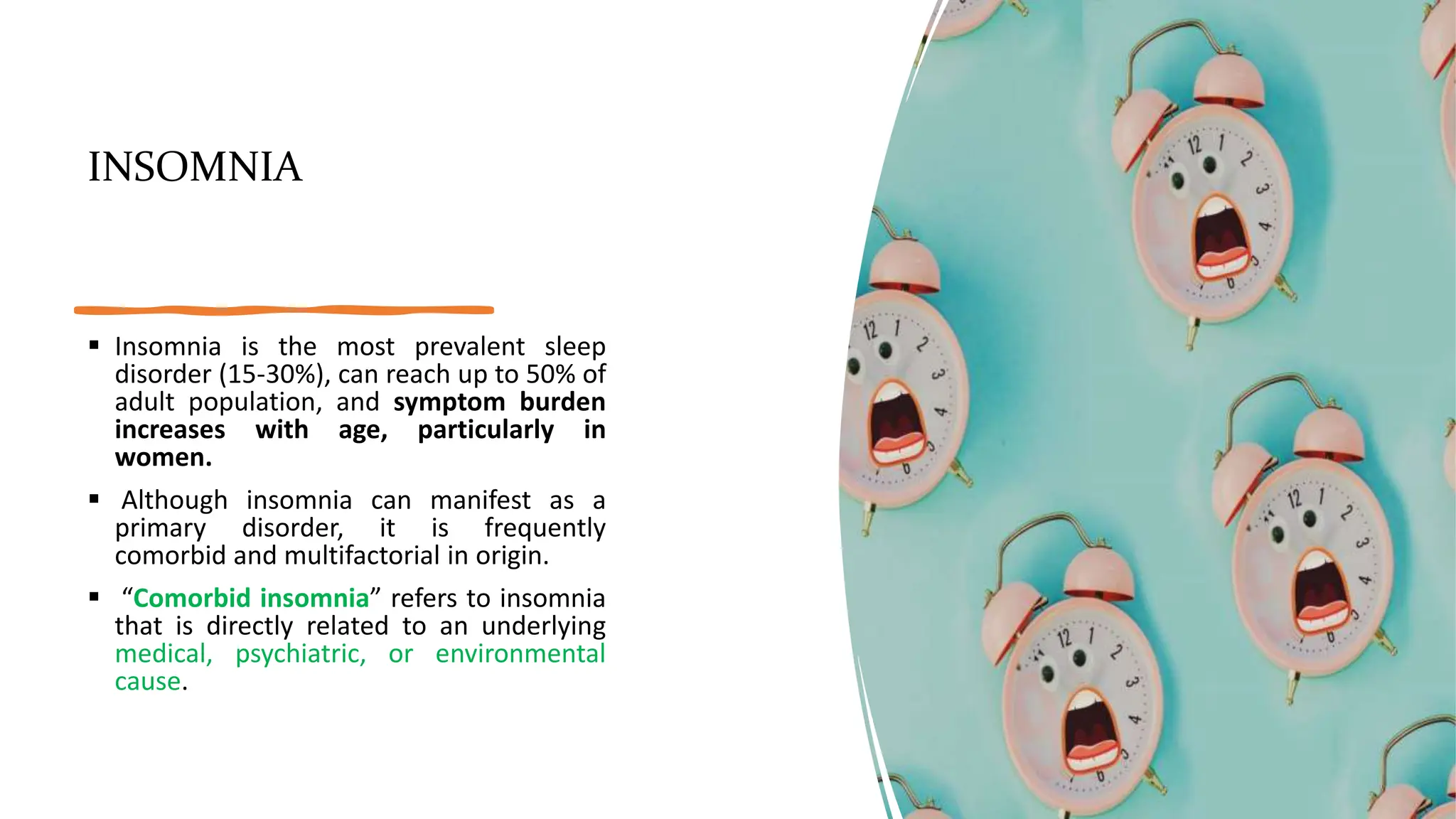
Several sleep disorders are associated with aging, including:- Insomnia: A persistent difficulty falling asleep or staying asleep.
- Sleep Apnea: A condition characterized by pauses in breathing during sleep.
- Restless Leg Syndrome (RLS): An uncontrollable urge to move the legs during sleep.
- Periodic Limb Movement Disorder (PLMD): A condition causing involuntary movements of the legs during sleep.
- REM Behavior Disorder (RBD): A sleep disorder characterized by acting out dreams during sleep.
Consequences of Sleep Disorders in Older Adults
- Impaired cognitive function
- Increased risk of chronic diseases, such as diabetes and cardiovascular disease
- Reduced quality of life
- Increased risk of falls and injuries
Seeking Help for Sleep Disorders in Old Age
If you or a loved one is experiencing sleep disorders, it's essential to seek professional help. A healthcare provider can:- Conduct a comprehensive sleep evaluation
- Develop a personalized treatment plan, which may include lifestyle changes, behavioral therapy, and, in some cases, medication
- Help manage underlying conditions that may be contributing to sleep disorders
Practical Strategies for Improving Sleep Quality in Older Adults
In addition to seeking professional help, there are several practical strategies that can improve sleep quality in older adults, including:- Establishing a consistent sleep schedule
- Creating a relaxing bedtime routine
- Creating a sleep-conducive environment
- Avoiding stimulating activities before bedtime
- Limiting naps during the day