How to Protect Your Hearing: A Comprehensive Guide
As one of our most important senses, hearing plays a vital role in our daily lives, allowing us to communicate, learn, and enjoy the world around us. However, many people are unaware of the potential dangers of loud noise and other factors that can harm their hearing. In this article, we will explore the importance of protecting your hearing and provide valuable tips on how to do so.
The Risks of Hearing Loss
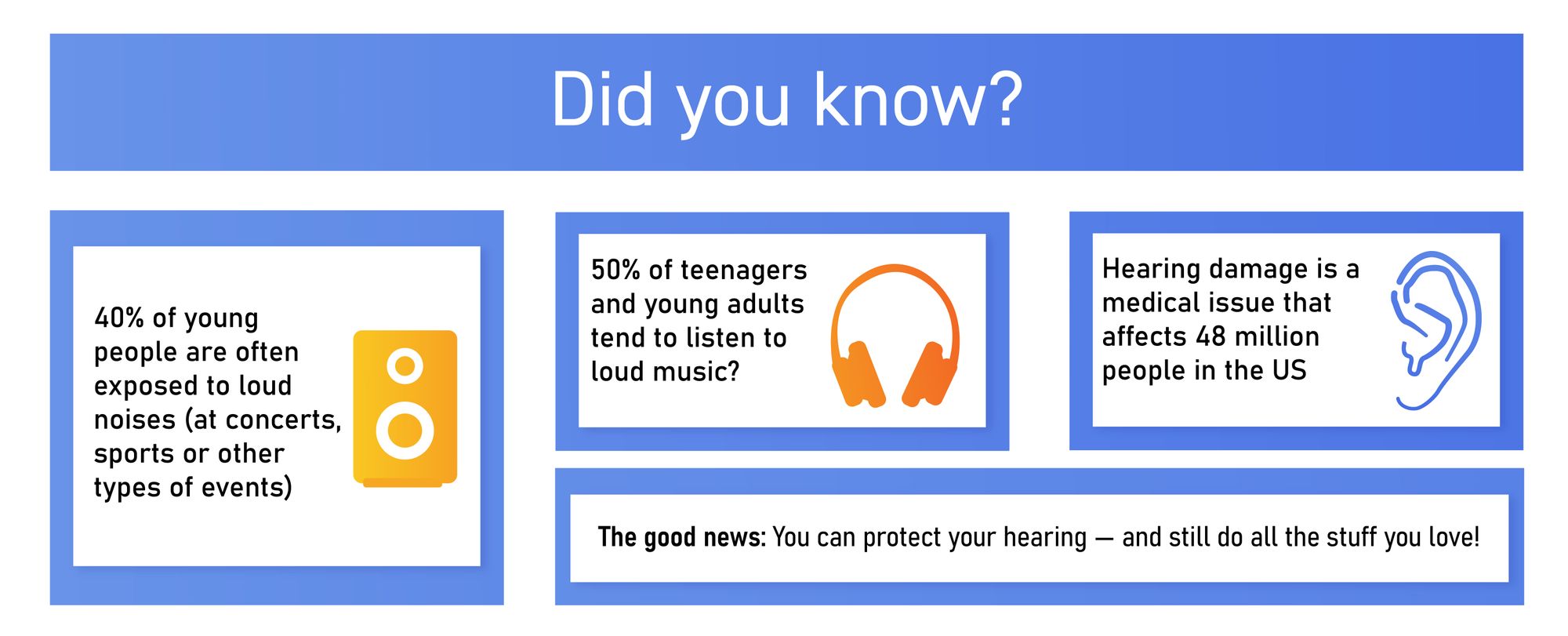
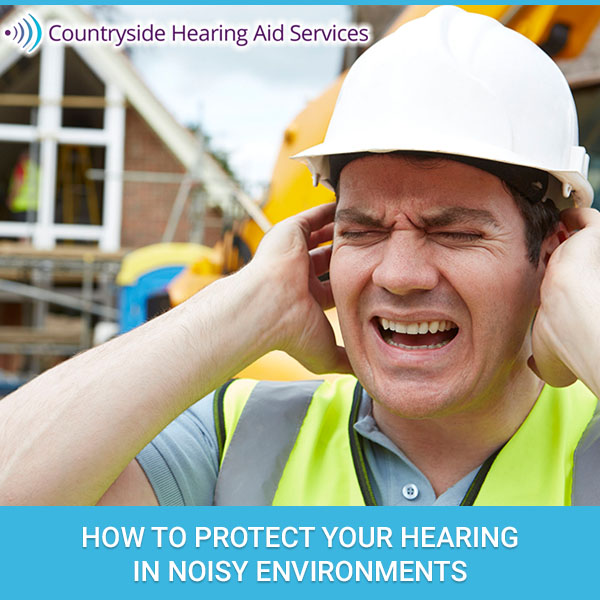
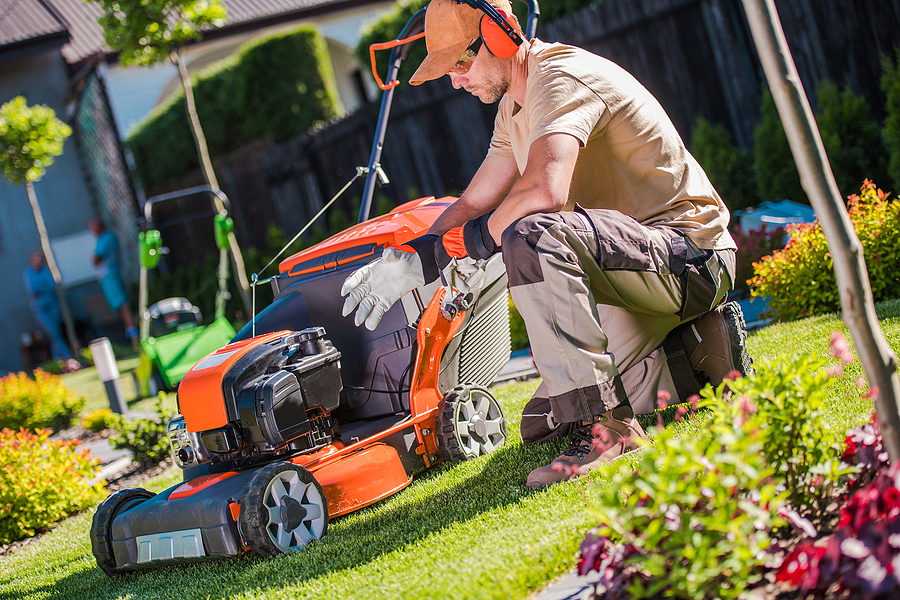
Loud noise can be very damaging to your hearing, whether it's a sudden burst or prolonged exposure. Sounds exceeding 85 decibels can cause permanent damage, and common sources of loud noise include lawn mowers (106 decibels), fireworks (150 decibels), and even everyday activities like listening to music through headphones.
Hearing loss affects not just your ability to hear, but also your overall quality of life. Untreated hearing loss can lead to social isolation, anxiety, depression, and even falls or reduced independence. It's essential to take proactive steps to protect your hearing and prevent these consequences.
Factors Affecting Hearing Loss
According to the National Institute on Deafness and Other Communication Disorders, there are three factors affecting how and when noise will affect hearing: the intensity of the sound, the duration of exposure, and the frequency of exposure.
- Intensity: Loud noises can cause permanent damage to the hair cells in the inner ear, leading to hearing loss.
- Duration: Prolonged exposure to loud noises can also lead to hearing loss, even at lower decibel levels.
- Frequency: The more often you are exposed to loud noises, the higher the risk of hearing loss.
How to Protect Your Hearing
There are several simple and effective ways to protect your hearing:

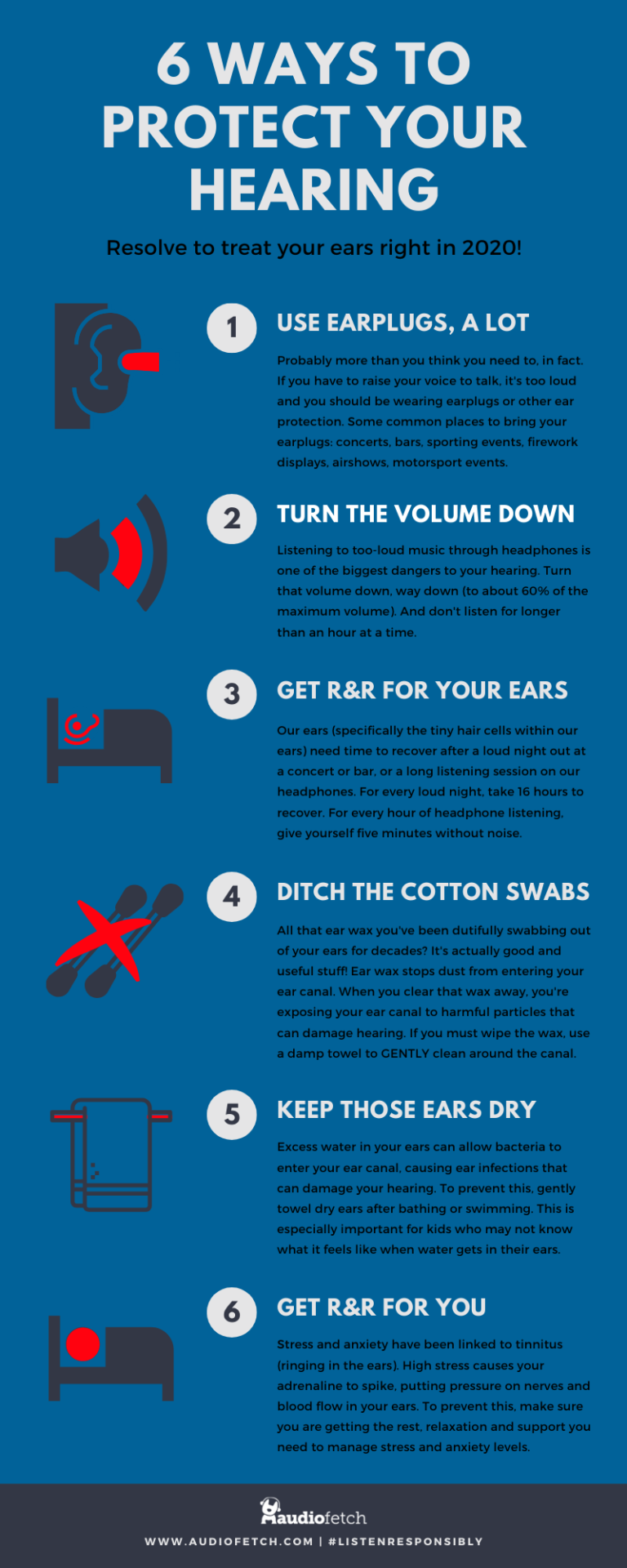
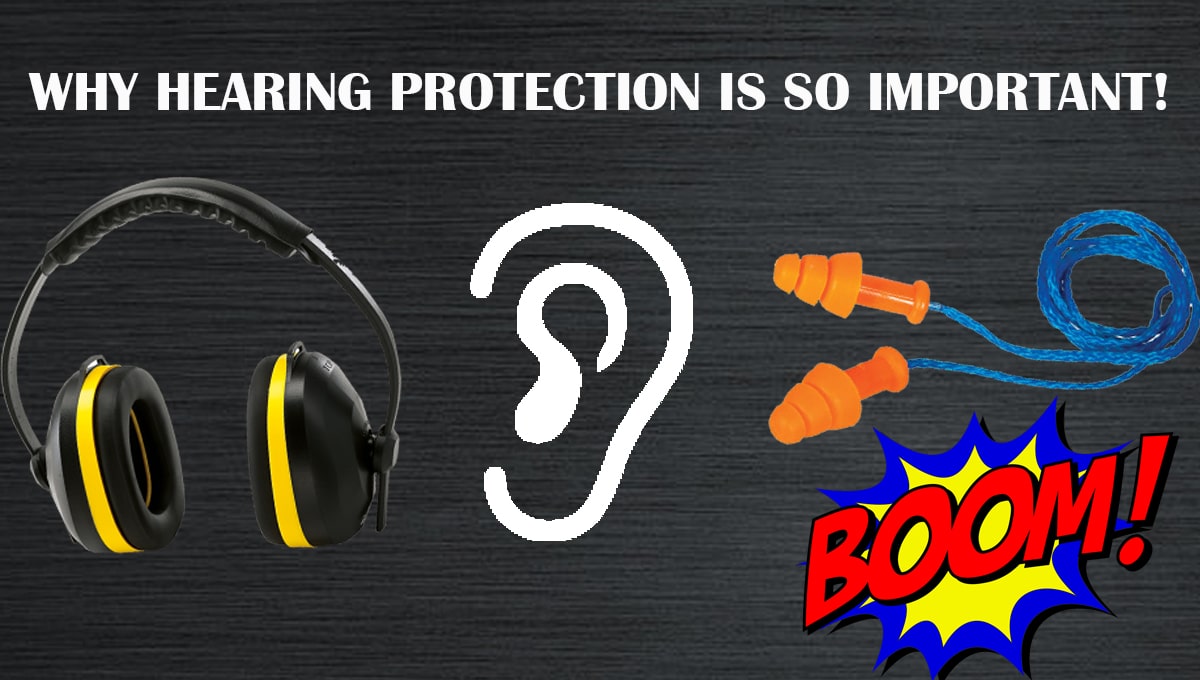
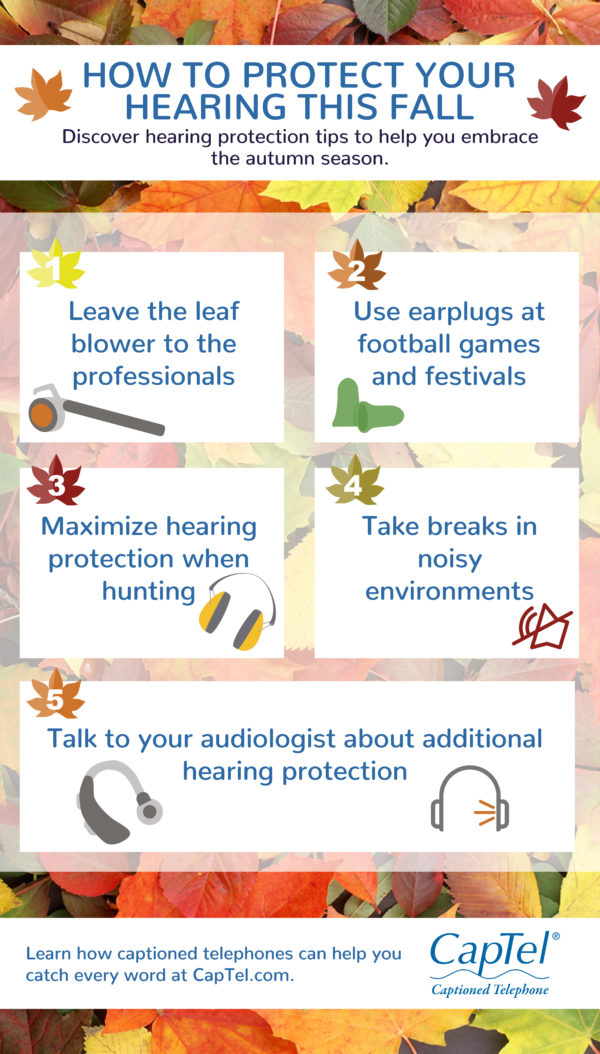
- Use earplugs: Earplugs can be custom-made to fit your ears or available over-the-counter. They can reduce the intensity of loud noises and prevent hearing loss.
- Turn down the volume: Keep the volume low when listening to music or watching videos, and take regular breaks to give your ears a rest.
- Avoid loud noises: Steer clear of loud environments, such as concerts or construction sites, and take steps to reduce exposure to loud noises in your daily life.
- Get regular hearing tests: Schedule regular hearing tests to monitor your hearing health and catch any potential issues early.
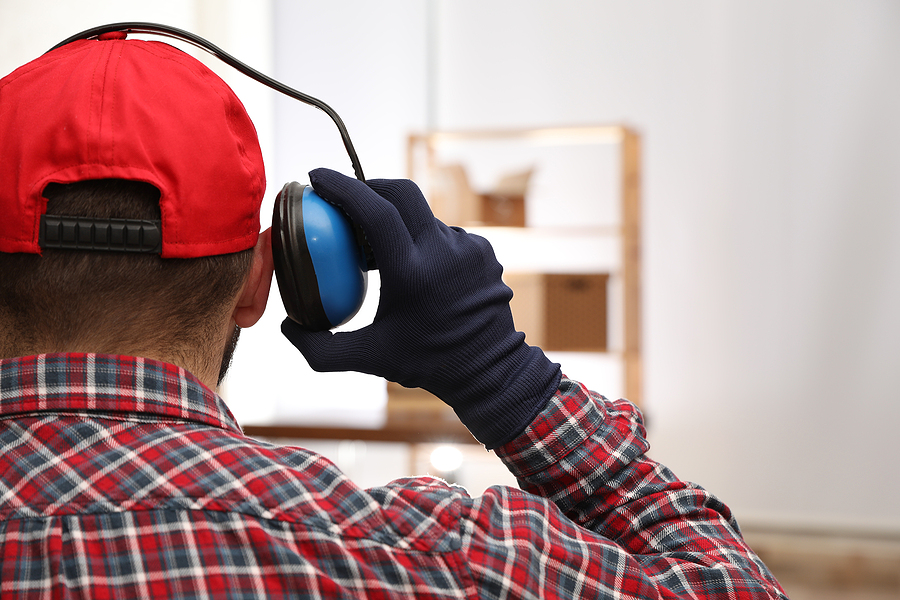
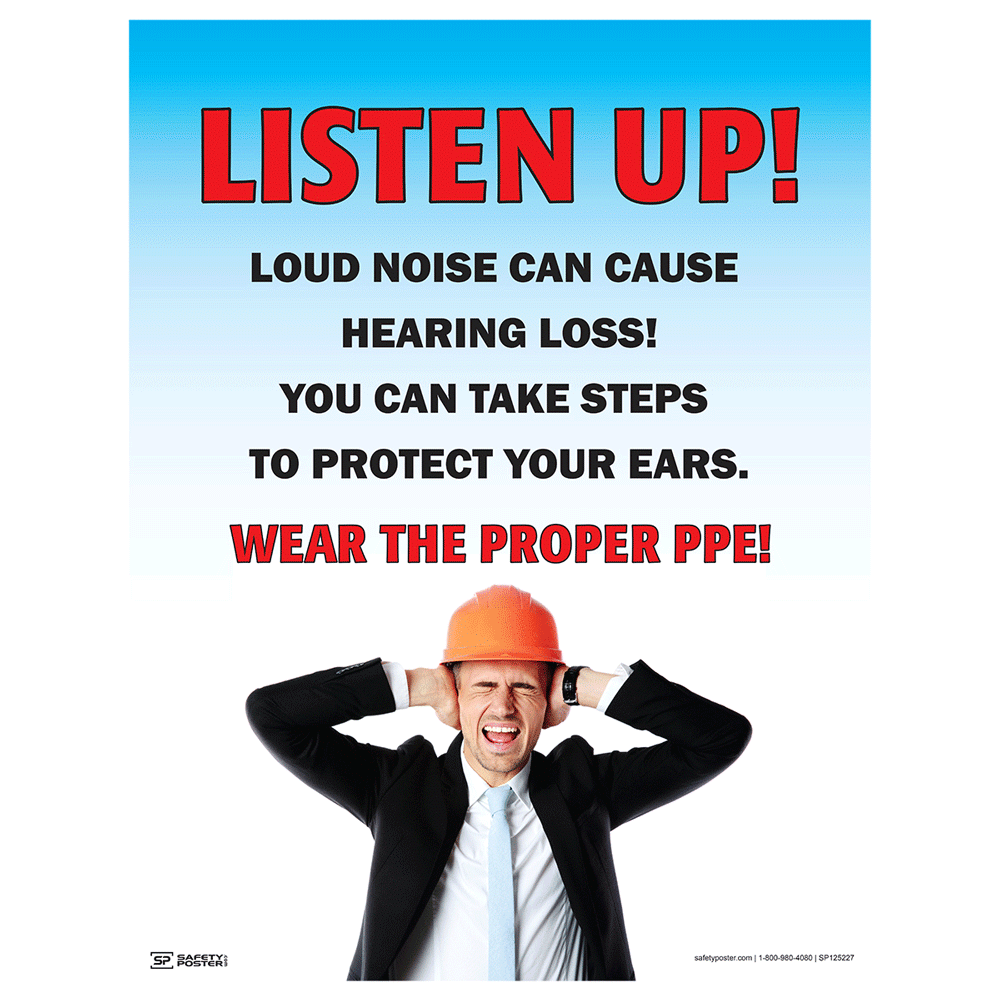
- Use hearing protection devices: Consider using hearing protection devices, such as earmuffs or earplugs, when engaging in activities that involve loud noises, like shooting or using power tools.
Additional Tips for Protecting Your Hearing
In addition to these tips, consider the following:
- Be mindful of your daily sound dose: Pay attention to the sounds you are exposed to throughout the day and take steps to reduce your exposure to loud noises.
- Take quiet breaks: Give your ears a rest by taking regular breaks from loud noises and spending time in quiet environments.
- Use ear protection for children: Teach children the importance of protecting their hearing and use ear protection devices when they engage in activities that involve loud noises.
Conclusion
Protecting your hearing is crucial for maintaining your overall health and well-being. By understanding the risks of hearing loss and taking proactive steps to prevent it, you can enjoy your daily life without worrying about the potential consequences. Remember to use earplugs, turn down the volume, avoid loud noises, and get regular hearing tests to protect your hearing and prevent hearing loss.
Resources
For more information on protecting your hearing, visit the National Institute on Deafness and Other Communication Disorders website or consult with a hearing professional.