##
Protecting Router Access Control: A Comprehensive Guide to Secure Your Home Network
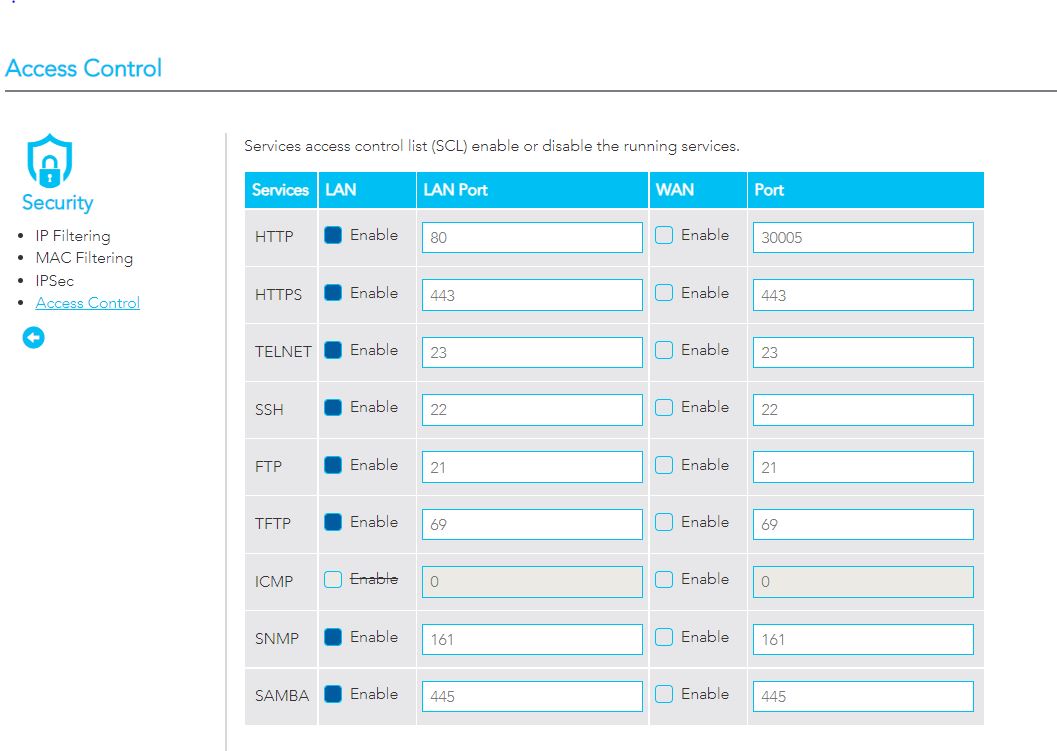
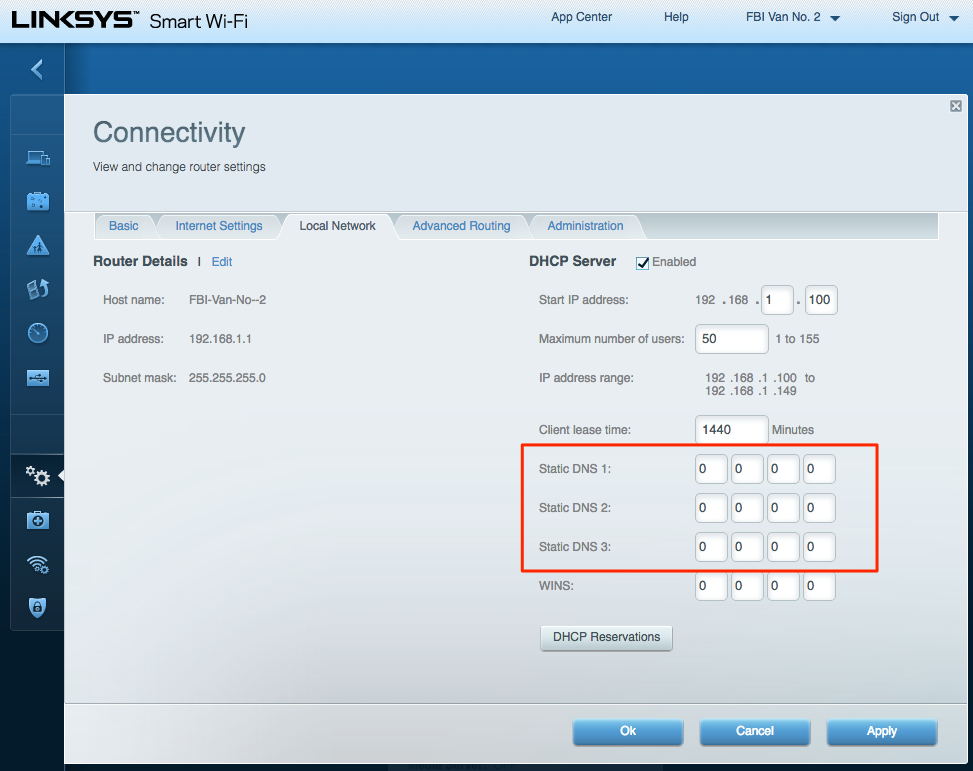
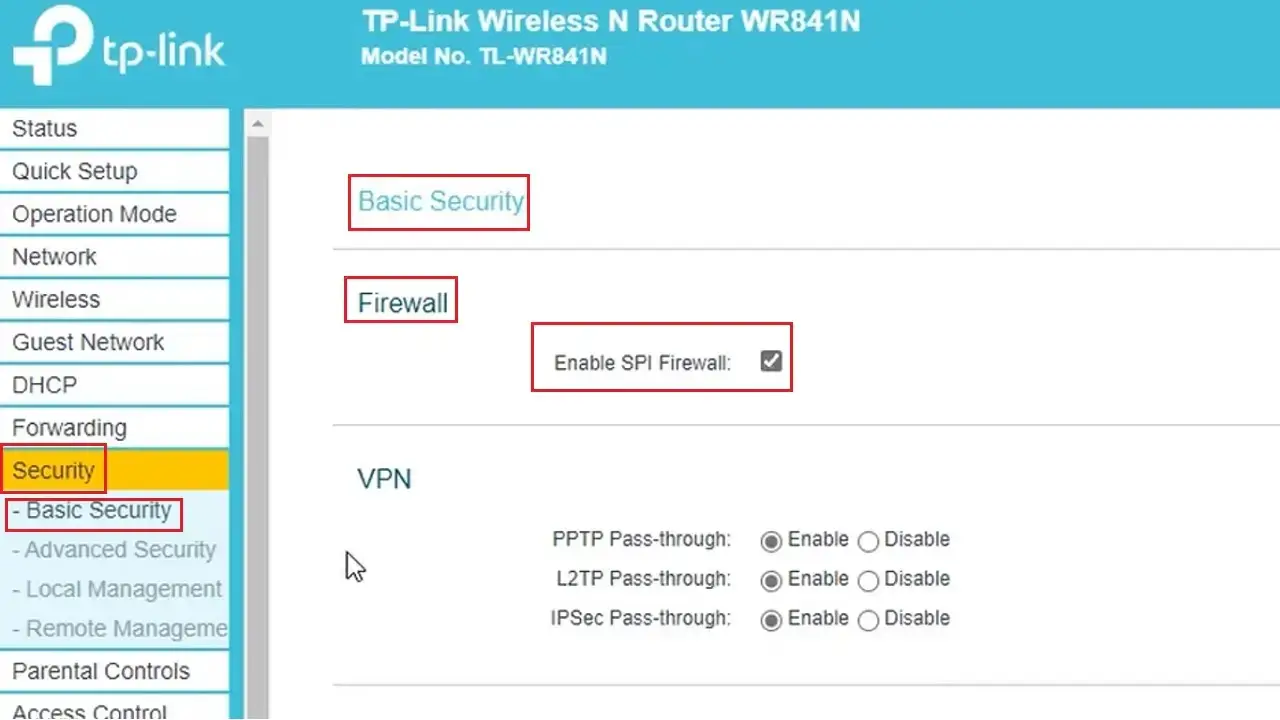
Your Wi-Fi router is the gateway to your home network, connecting all your devices to the internet. However, an unsecured router can be a vulnerable target for cyber attacks, compromising your personal data and online safety. In this guide, we will walk you through the essential steps to protect router access control and boost your home network's security. ##1. Change Your Router's Admin Name and Password
The default admin name and password provided by your router manufacturer are easily guessable. Change them to strong, unique passwords to prevent unauthorized access. ##2. Update Your Router's Firmware
Regular firmware updates bring new security patches and features to your router. Ensure you update your firmware to the latest version to prevent known vulnerabilities. ##3. Enable WPA2 Encryption
WPA2 (Wi-Fi Protected Access 2) is a robust encryption protocol that secures your wireless network. Enable WPA2 encryption to prevent hackers from intercepting your data. ##4. Disable WPS and UPnP
Wireless Protected Setup (WPS) and Universal Plug and Play (UPnP) can be exploitable to gain unauthorized access to your network. Disable them to ensure your network's security. ##5. Use a VPN Router or VPN App
A Virtual Private Network (VPN) encrypts your internet traffic, adding an extra layer of security. Consider investing in a VPN router or using a VPN app on your device. ##Why Protect Router Access Control?
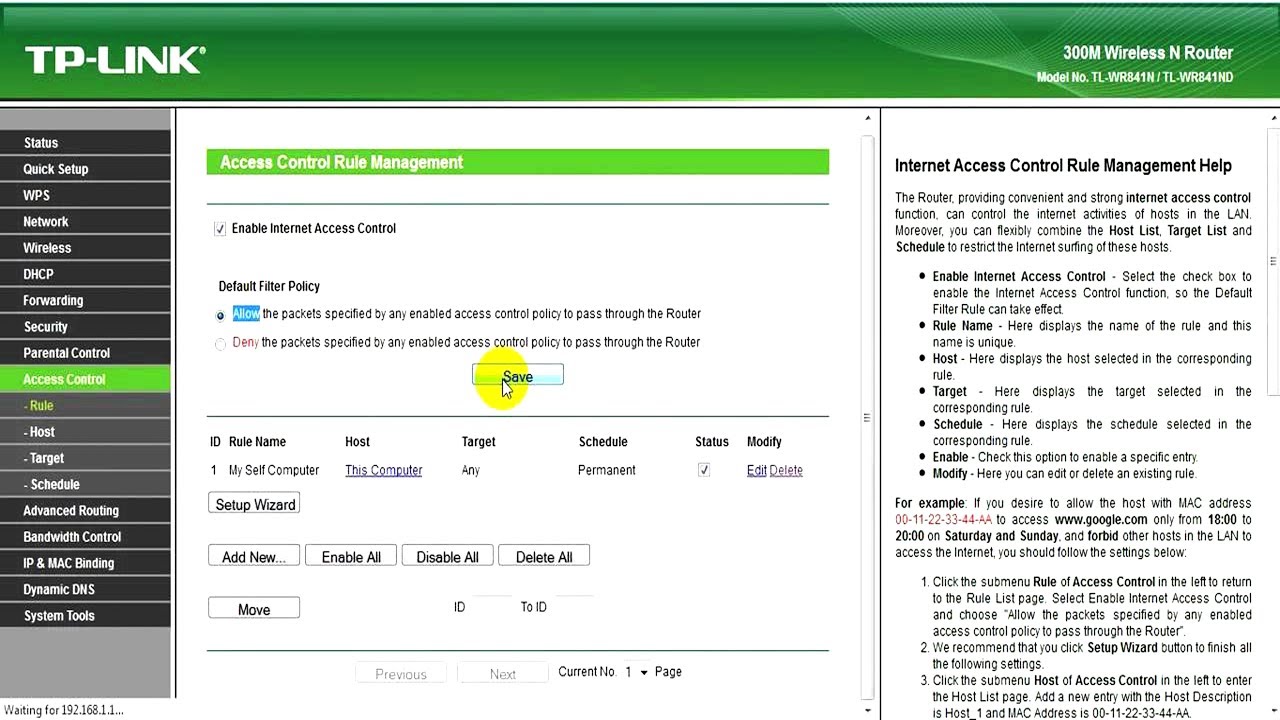
6. Use Access Control Lists (ACLs)
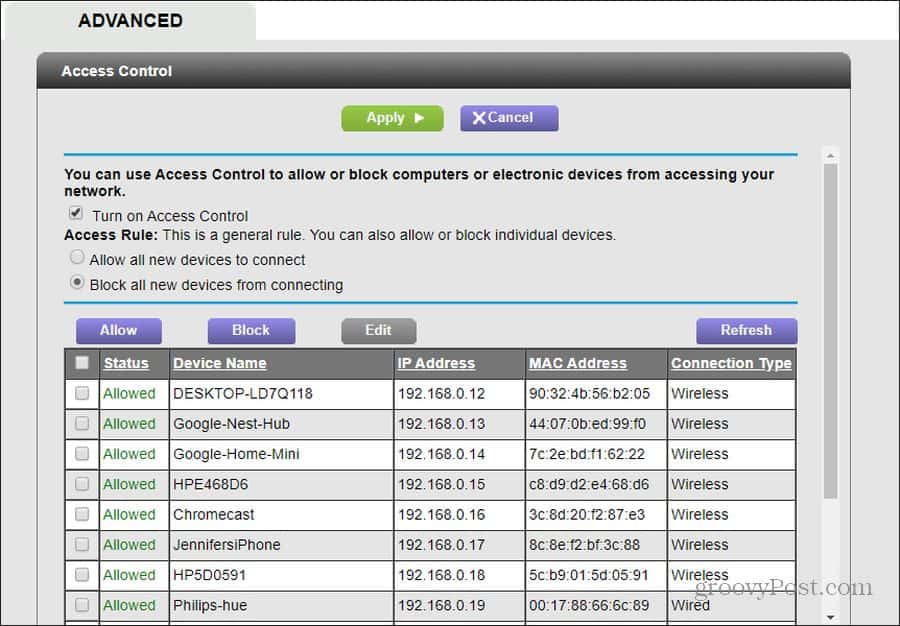
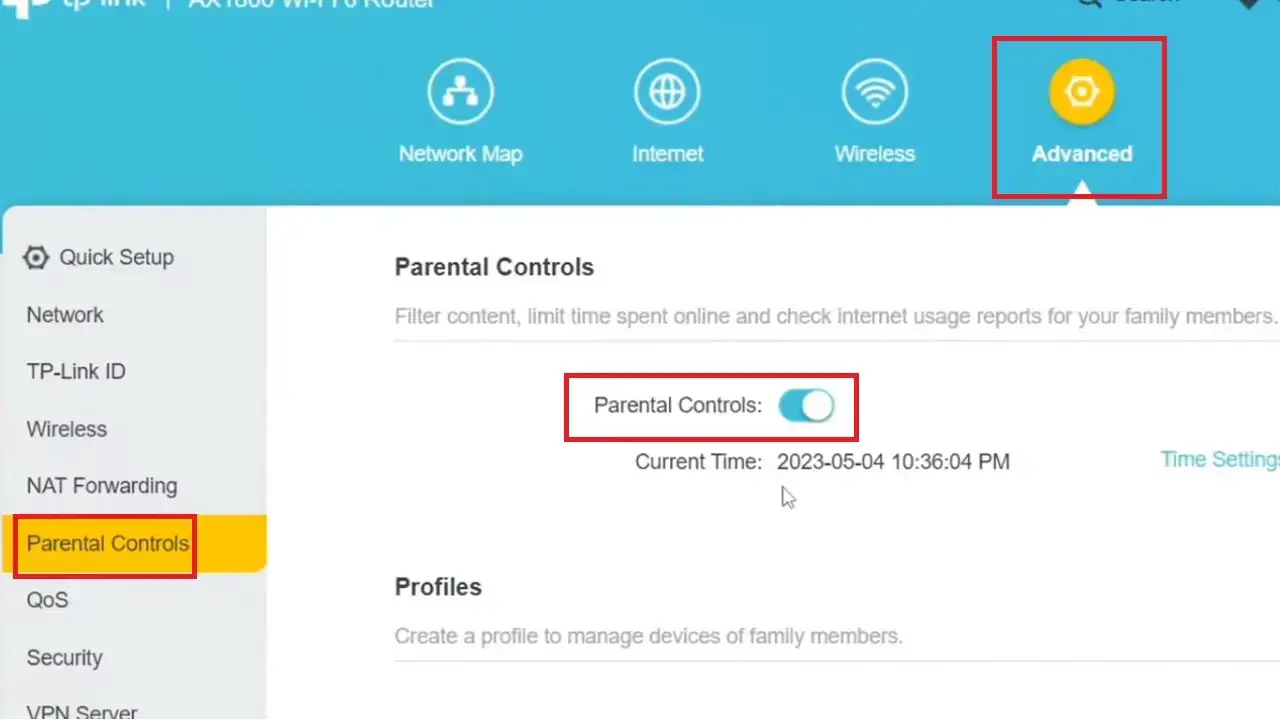
Access Control Lists (ACLs) allow you to control who or what can access your network. By configuring ACLs, you can block specific devices or IP addresses from accessing your network. ##7. Enable Parental Controls
Parental controls help you filter web content, block specific websites, and set time limits for individual devices. This ensures a safer online environment for your family and protects your network from potential cyber threats. ##8. Secure Your Router's Physical Location
Store your router in a secure location, protecting it from physical access and potential tampering. This adds an additional layer of security to your network. ##Conclusion
Securing your router access control is a critical step in protecting your home network from cyber threats. By following these essential steps, you can significantly enhance your router's security and safeguard your personal data. Remember, a secure router is the foundation of a safe and reliable online experience. ##Additional Tips:
- Regularly monitor your router's logs for suspicious activity.
- Use a strong, unique password for your Wi-Fi network.
- Limit physical access to your router and secure its location.
- Regularly update your router's firmware and security software.
- Use a reputable antivirus program to scan your network for malware.
_20240830055723o.jpg "How to Secure Your Router & Protect Your Network | Essential Tips - NETGEAR")





.jpg "UniFi Roles Explained: Admins and Users - Ubiquiti Help Center")