Pregnancy Coffee Consumption Health Risks to the Fetus: What You Need to Know
Understanding the Risks of Caffeine Consumption During Pregnancy
Maintaining a healthy diet is essential for pregnant women and their developing fetuses, including being mindful of caffeine consumption. While consuming caffeine during pregnancy is generally safe in moderation, excessive intake can pose significant health risks to the fetus. The good news is that with a balanced understanding of the risks and benefits, pregnant women can make informed decisions about their coffee consumption and prioritize a healthy pregnancy.The Truth about Caffeine and Pregnancy
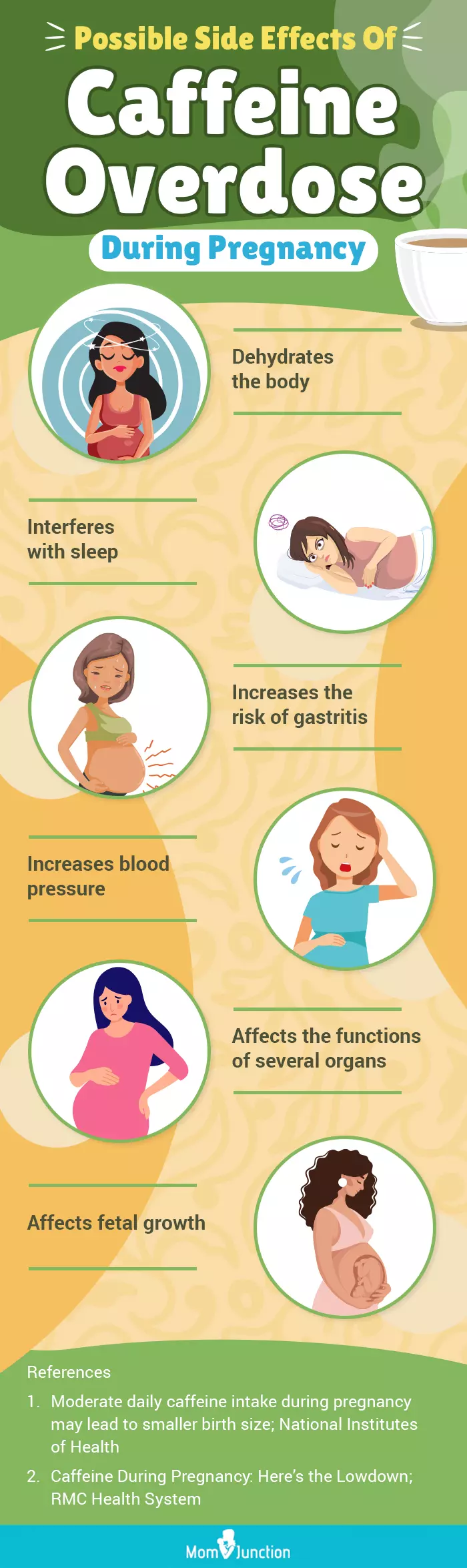
Caffeine is a stimulant found in many beverages, including coffee, tea, and energy drinks. It crosses the placenta and can affect fetal development in several ways. Although research on the topic is ongoing, some studies have raised concerns about the potential negative effects of caffeine consumption on pregnancy outcomes, including:- Increased risk of miscarriage
- Low birth weight
- Reduced fetal growth
- Intrauterine growth restriction (IUGR*
How Much Caffeine is Safe During Pregnancy?
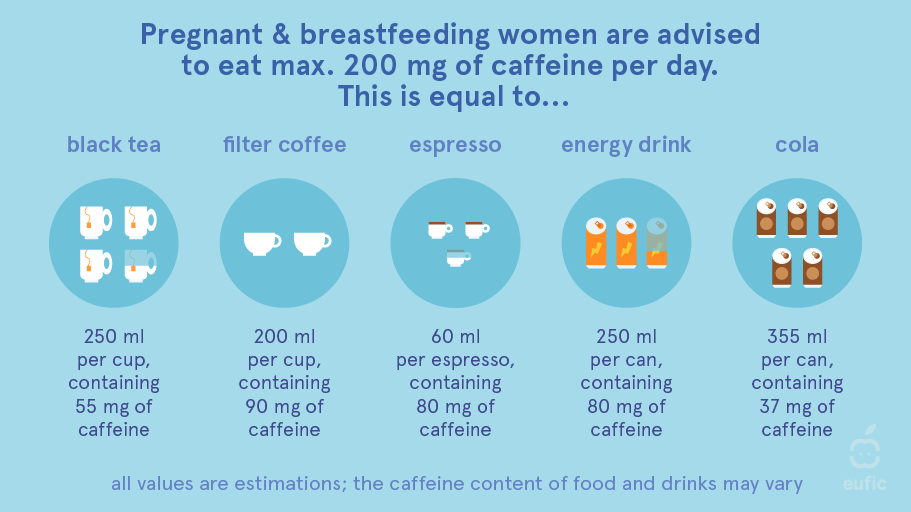
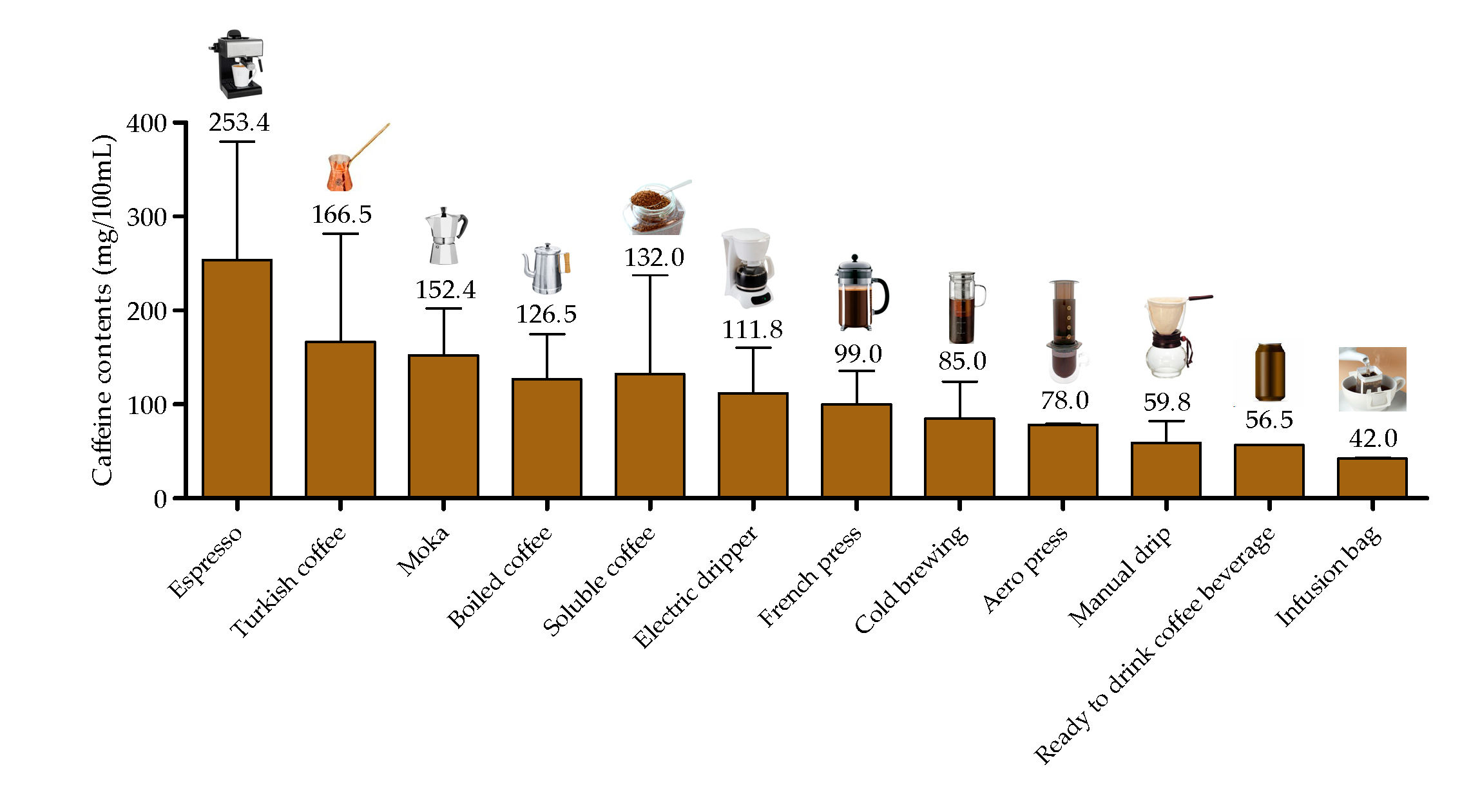
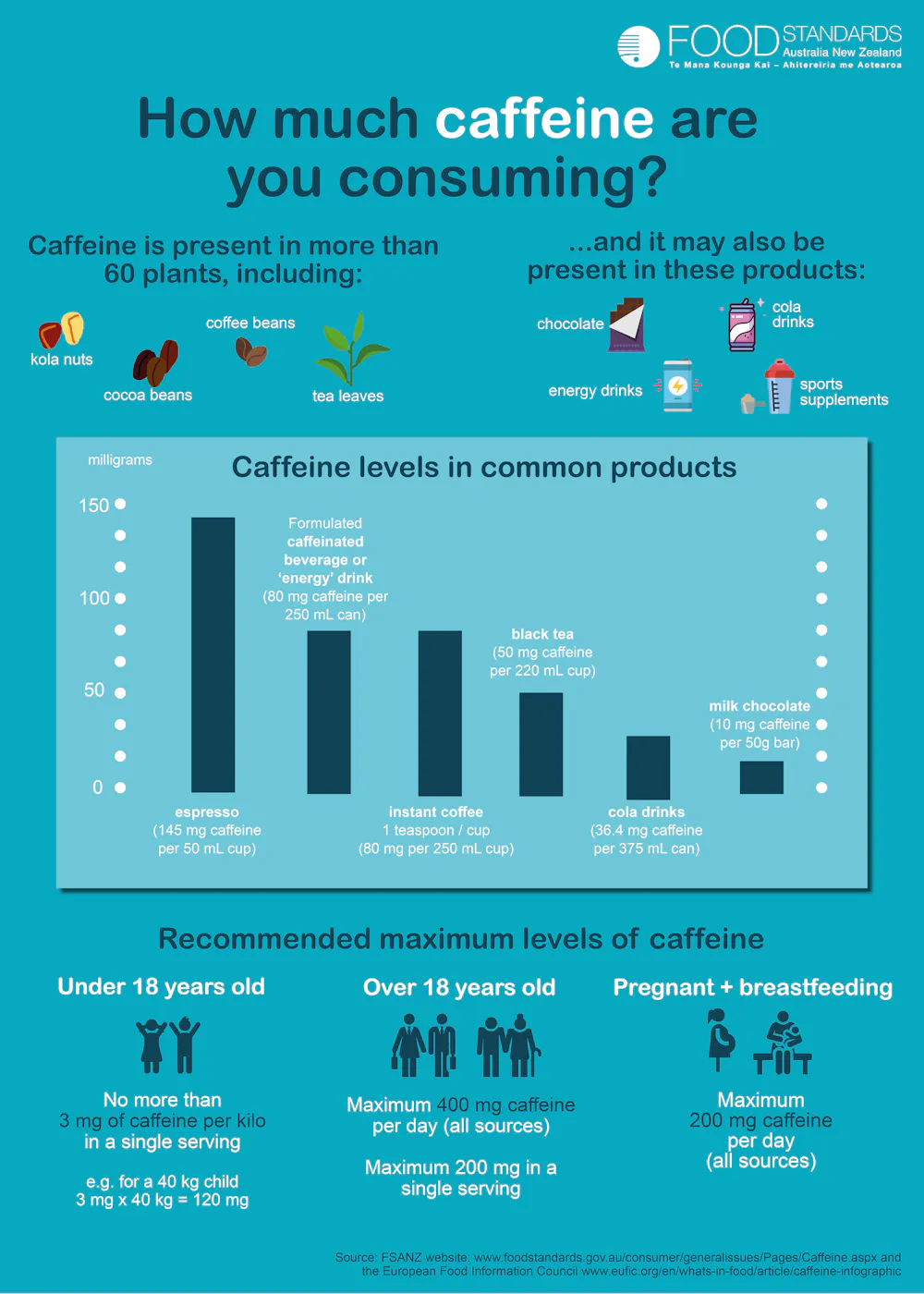
The American College of Obstetricians and Gynecologists (ACOG) recommends limiting daily caffeine intake to less than 200 milligrams (mg) during pregnancy. However, some studies suggest that even moderate caffeine consumption can increase the risk of pregnancy complications. It's essential to understand that individual tolerance and sensitivity to caffeine can vary greatly.The Impact of Caffeine on Fetal Development
Research suggests that caffeine can affect fetal development in several ways, including:- Reducing the growth of the embryo and yolk sac in early pregnancy
- Increasing the risk of intrauterine growth restriction (IUGR)
- Effecting cognitive function and development in children born to mothers who consumed high amounts of caffeine during pregnancy

Reducing Your Risk
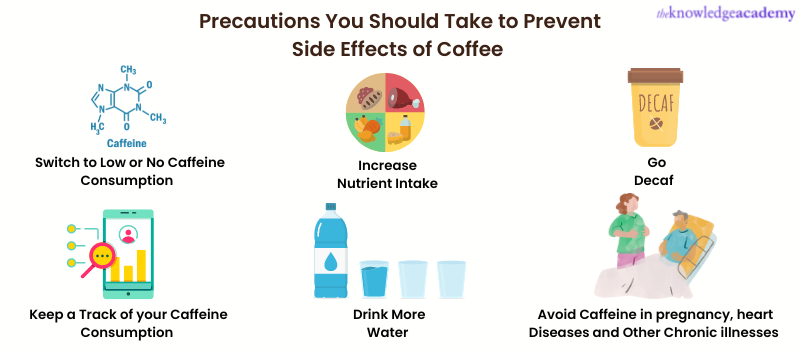
To minimize the potential risks of caffeine consumption during pregnancy, consider the following tips:- Limit your daily caffeine intake to less than 200 mg
- Choose decaf or half-caf coffee or tea options
- Avoid excessive caffeine consumption in the first trimester, when fetal development is most vulnerable
- Monitor your blood pressure and heart rate to ensure caffeine isn't affecting your cardiovascular health
Alternatives to Caffeine
If you're worried about the potential risks of caffeine consumption during pregnancy, consider these alternatives for a boost of energy and alertness:- Herbal teas, such as peppermint or chamomile, for relaxation and calming effects
- Dark chocolate, which contains less caffeine and more antioxidants than milk chocolate
- Energy-boosting activities, such as exercise or meditation, which can increase energy levels without relying on caffeine