How to Protect Your Personal Information on Social Media
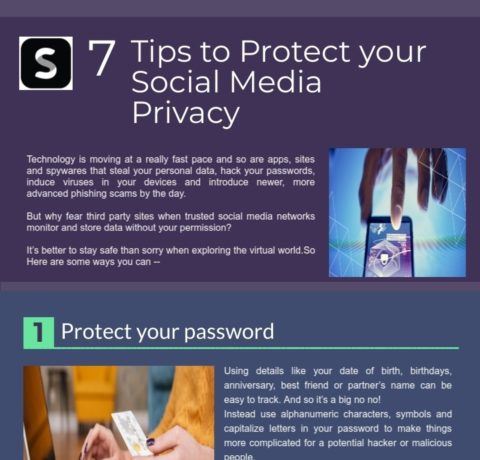
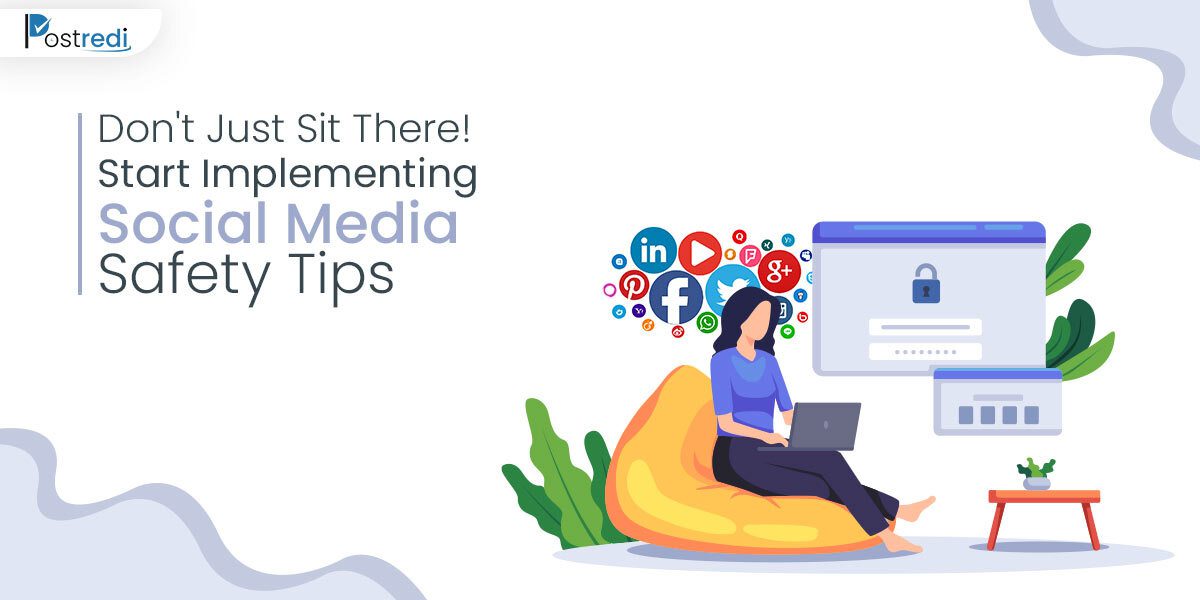
With the rise of social media, it's easier than ever to connect with others and share our personal experiences. However, this ease of use comes with a price - our personal information is more vulnerable to being compromised. In this article, we'll explore the importance of protecting your personal information on social media and provide you with 10 essential privacy tips to help you do so.
Why Protecting Your Personal Information on Social Media Matters
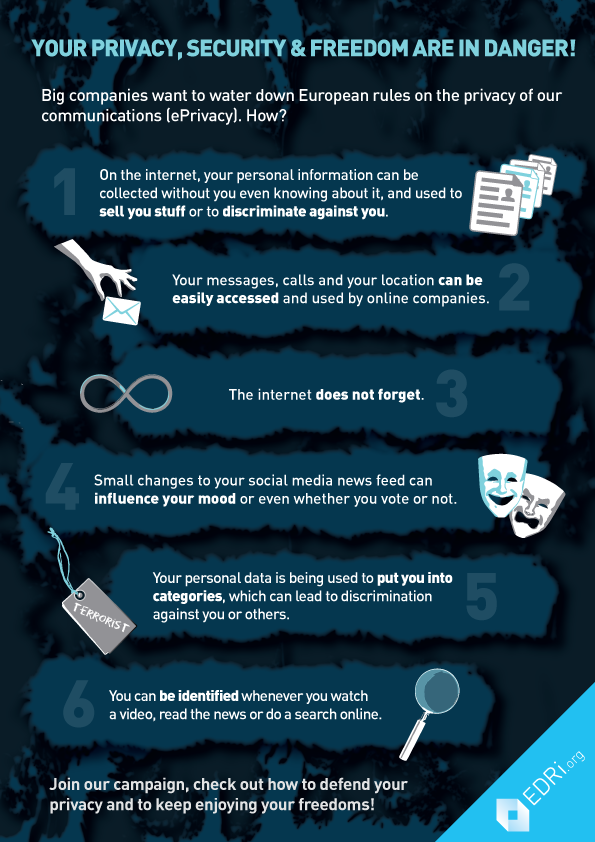
When we share our personal information on social media, we're essentially making it accessible to the public. This can lead to identity theft, online harassment, and even financial scams. Cybercriminals can use your personal information to manipulate or humiliate you, or even commit crimes in your name. By protecting your personal information, you can minimize the risks associated with social media use.
10 Essential Tips to Protect Your Personal Information on Social Media
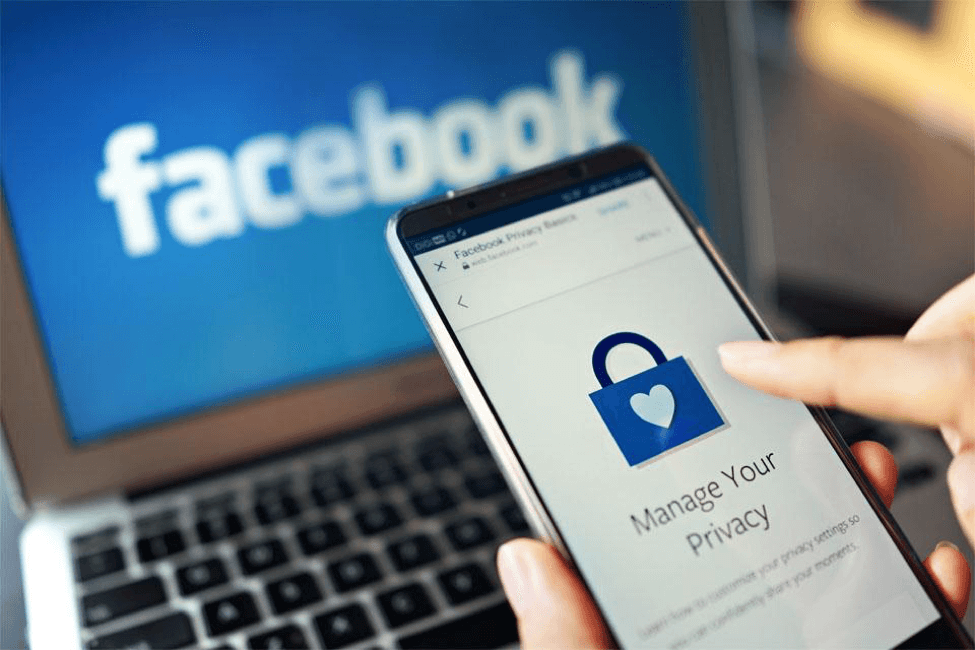
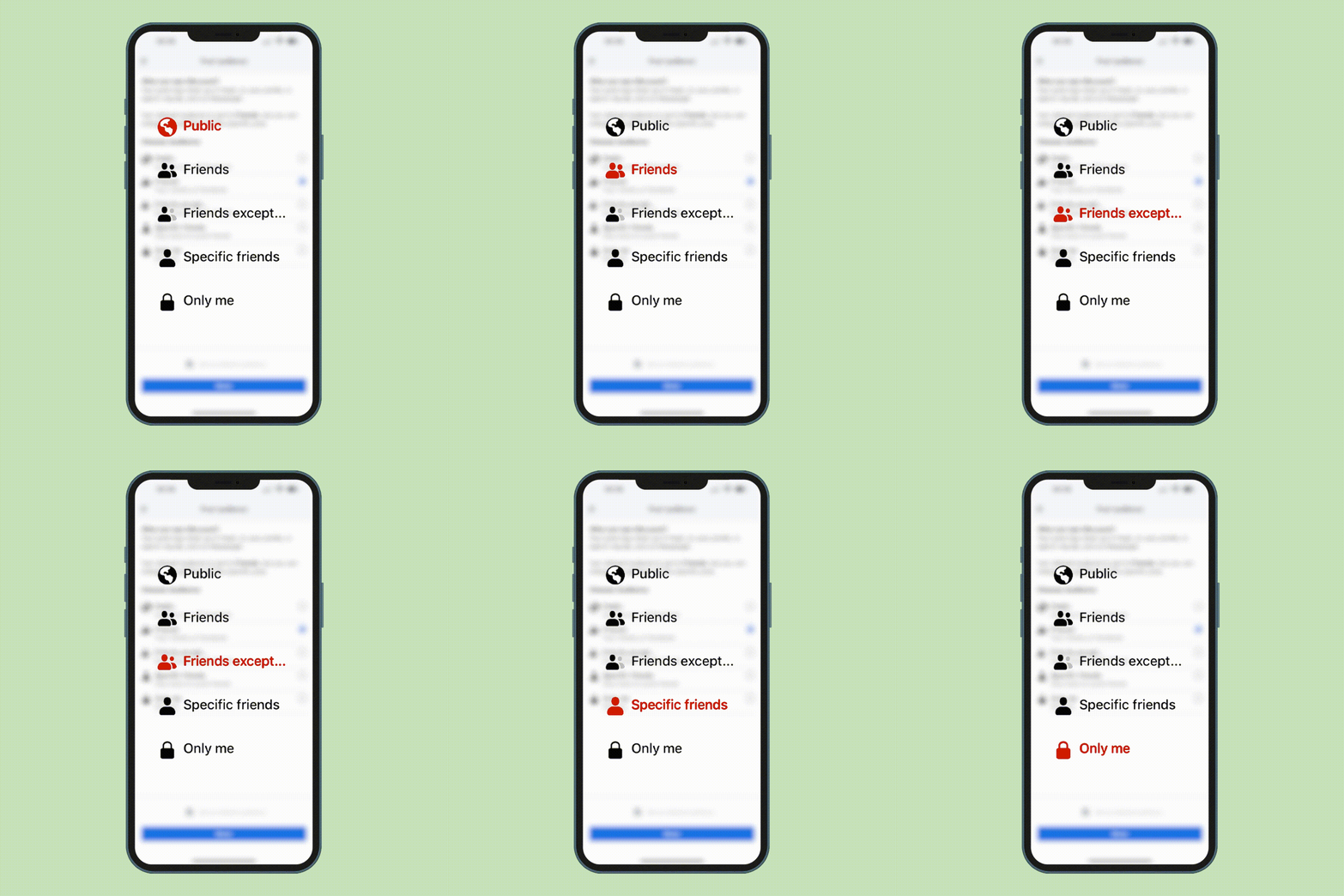
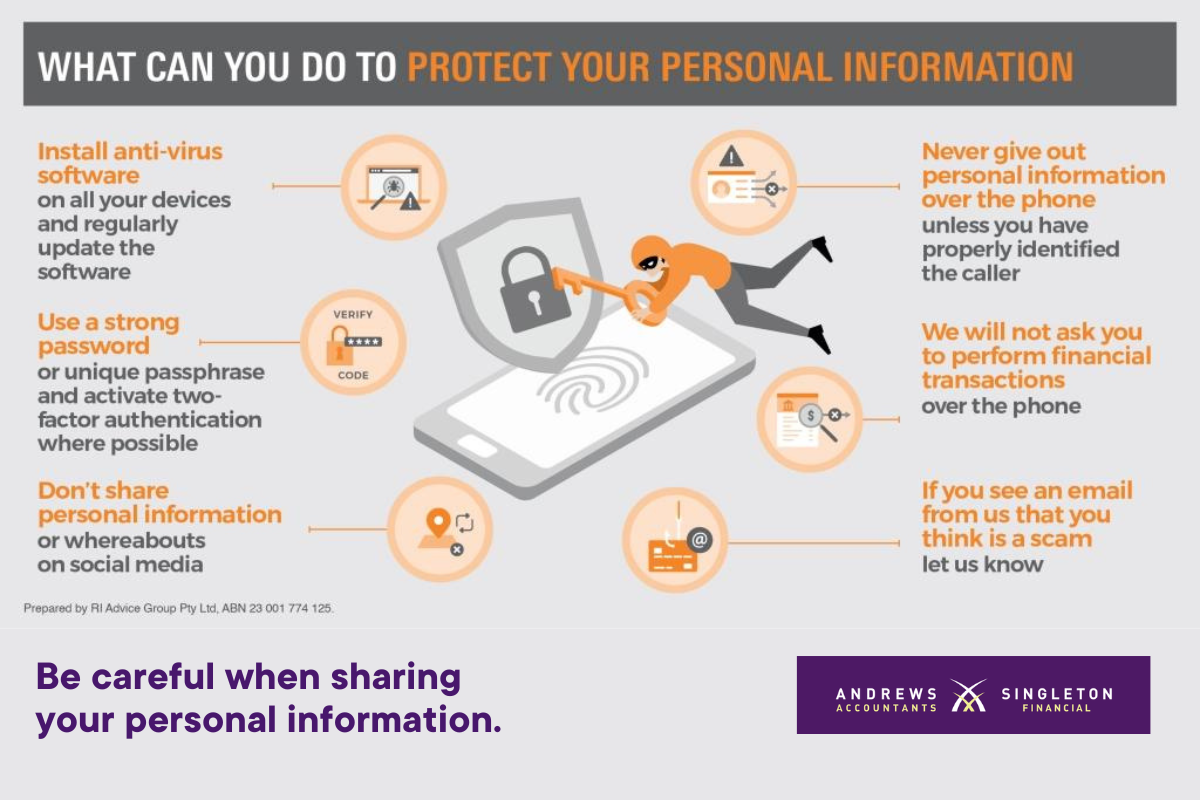
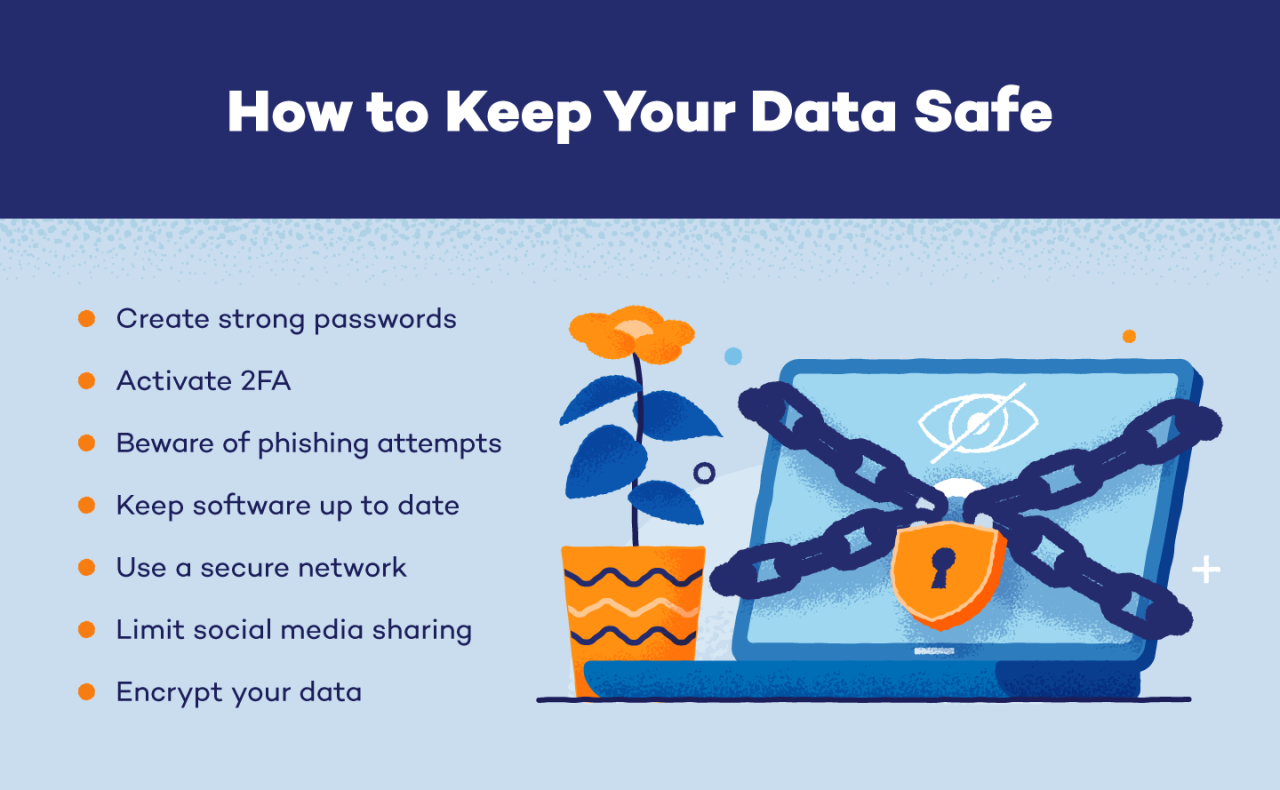
- Review and secure your social media settings: Check your social media profiles and review your privacy settings to ensure that your personal information is not publicly visible. Adjust your settings to control who can see your posts, profile information, and friend list.
- Use strong passwords: Use unique and complex passwords for each of your social media accounts, and avoid using the same password for multiple sites. Consider using a password manager to keep track of your passwords.
- Be cautious when sharing personal information: Avoid sharing personal information such as your address, phone number, or financial information on social media. Be mindful of what you post and who can see it.
- Use two-factor authentication (2FA): Enable 2FA on your social media accounts to add an extra layer of security. This will require you to provide a code sent to your phone or email in addition to your password.
- Monitor your online presence: Regularly search for your name and other personal information online to see what's being shared about you. Remove any unwanted or outdated information.
- Use a VPN: Consider using a virtual private network (VPN) to encrypt your internet traffic and protect your personal information from being intercepted.
- Keep your software up-to-date: Regularly update your social media apps, browser, and operating system to ensure you have the latest security patches and features.
- Use Social Media's Built-in Tools: Use the built-in tools and features on social media platforms to report and block suspicious accounts and content.
- Use a Social Media Protection Tool: Consider using a social media protection tool to monitor and manage your online presence. These tools can help you keep your social media profiles clean and protect your personal information.
- Educate Yourself: Stay informed about the latest social media scams and threats, and educate yourself on how to protect your personal information online.
Conclusion
Protecting your personal information on social media is crucial in today's digital age. By following these 10 essential tips, you can minimize the risks associated with social media use and keep your personal information safe. Remember, it's essential to be proactive about your online security and take steps to protect your digital identity.
Additional Resources
For more information on how to protect your personal information on social media, check out these resources:
- Federal Trade Commission (FTC) - Learn about consumer protection and how to stay safe online.
- Cybersecurity and Infrastructure Security Agency (CISA) - Find information on cybersecurity best practices and how to protect your personal information.
- Get Safe Online - A UK-based organization providing practical advice on how to protect yourself, your computers, and mobile devices from online threats.