Pregnancy and Coffee Consumption Risks
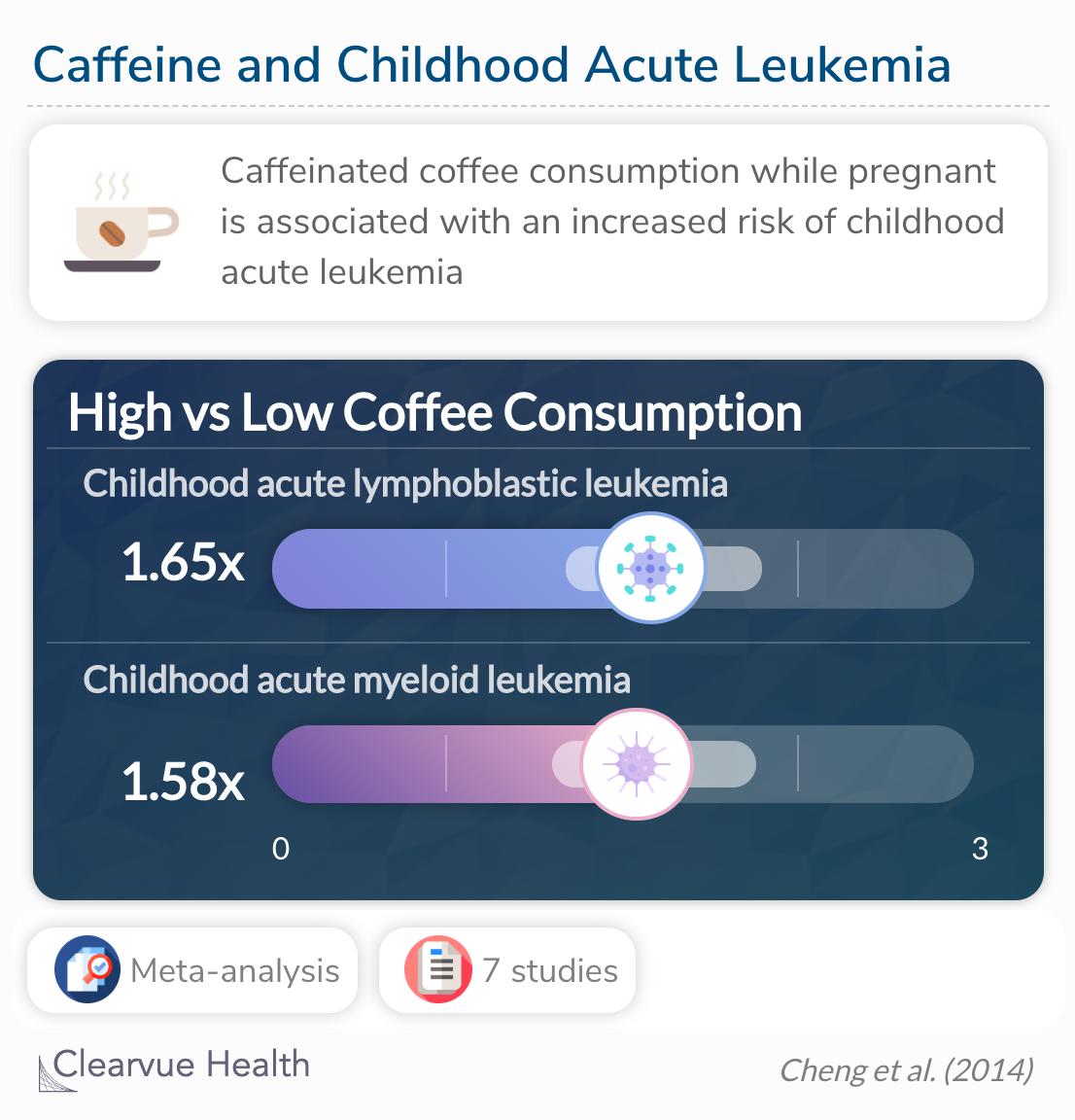
Caffeine is a stimulant found in a variety of popular beverages, including coffee, tea, energy drinks, and chocolate. While moderate coffee consumption is generally considered safe, high levels of caffeine intake have been linked to several pregnancy risks, including miscarriage, low birth weight, and growth restriction.Risks Associated with Caffeine Consumption During Pregnancy
Research has shown that maternal caffeine consumption during pregnancy is associated with an increased risk of fetal growth restriction. A study published in the American Journal of Obstetrics and Gynecology found that caffeine clearance from the mother's blood slows down significantly during pregnancy, leading to higher caffeine levels in the fetus. This can result in adverse effects on fetal development and an increased risk of miscarriage.Guidelines for Safe Coffee Consumption During Pregnancy
To minimize the risks associated with caffeine consumption during pregnancy, it is essential to follow guidelines set by health professionals. According to the American College of Obstetricians and Gynecologists (ACOG), pregnant women should limit their caffeine intake to less than 200 milligrams per day. This translates to about one 12-ounce cup of coffee per day.How Much Caffeine is Too Much?
Excessive caffeine consumption can have severe consequences, including jitteriness, increased heart rate, raised blood pressure, anxiety, and trouble sleeping. To avoid these side effects, it is crucial to be mindful of the amount of caffeine consumed daily. Women who experience any of these symptoms or have concerns about their caffeine intake should consult their healthcare provider for personalized advice.Benefits and Risks of Caffeine Consumption
Caffeine can be beneficial in moderation, and some studies suggest that moderate coffee consumption may be associated with a lower risk of certain diseases, such as coronary artery disease and atrial fibrillation. However, individuals with pre-existing medical conditions, such as heart conditions, may need to limit or avoid coffee due to the caffeine content.Alcohol Consumption During Pregnancy

Decaf and Half-Caf Coffees
For those who cannot or prefer not to consume caffeinated coffee, decaf and half-caf options are available. Decaf coffee contains minimal amounts of caffeine, while half-caf options contain half the amount of caffeine found in regular coffee. These alternatives can be a healthier choice for pregnant women who still want to enjoy their morning coffee.Takeaway Message
In conclusion, while moderate coffee consumption is generally considered safe during pregnancy, excessive caffeine intake can pose significant risks. It is essential to follow health guidelines and be mindful of caffeine intake to minimize the risk of miscarriage, low birth weight, and growth restriction. Women should consult their healthcare provider for personalized advice on coffee consumption and lifestyle choices during pregnancy.Additional Resources
- National Institutes of Health (NIH) Study on Caffeine Consumption During Pregnancy
- American College of Obstetricians and Gynecologists (ACOG) Guidelines on Caffeine Consumption During Pregnancy
- World Health Organization (WHO) Food Safety Framework and Guidance on Caffeine Intake






:max_bytes(150000):strip_icc()/drinking-when-trying-to-conceive-4118991-v12-b7e4490a50964a20b1af217215237642.png "Is Too Much Decaf Coffee Bad for You? Uncovering the Truth Behind the ...")