Causes of FOMO in Relationships
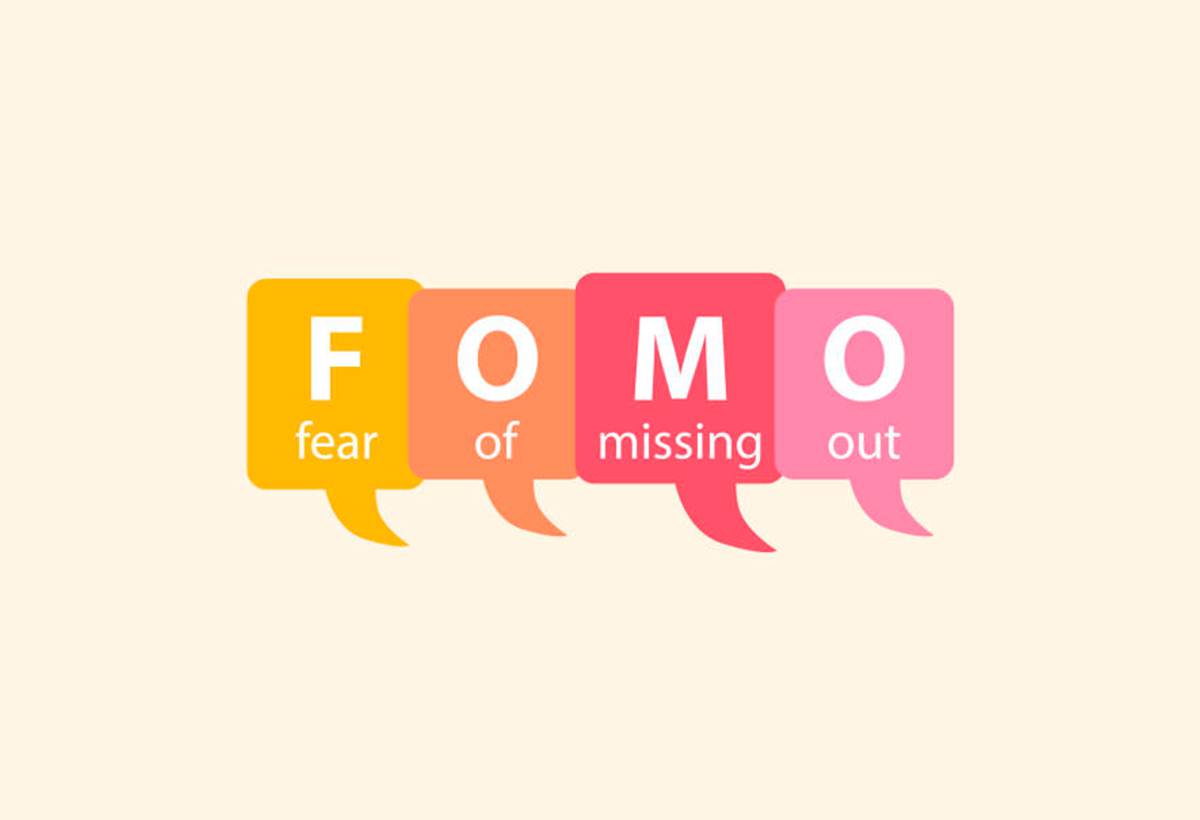
The fear of missing out (FOMO) is a common phenomenon that affects individuals in various aspects of their lives, including their relationships. FOMO is the feeling or idea that you are missing out on something important or enjoyable that others are experiencing. In the context of relationships, FOMO can be particularly debilitating, leading individuals to seek relationships out of anxiety rather than genuine connection.
Unrealistic Expectations and Social Media Comparison
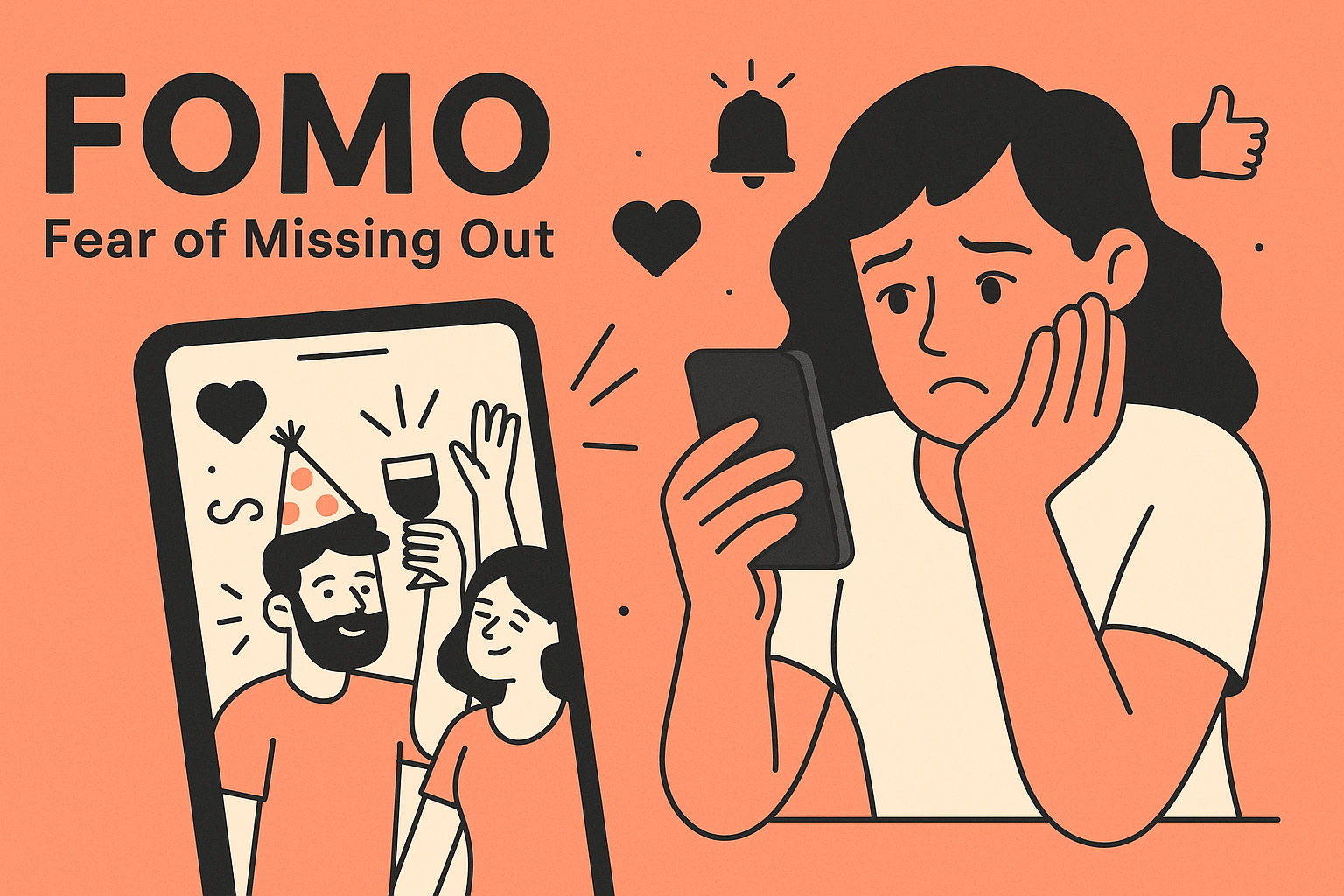
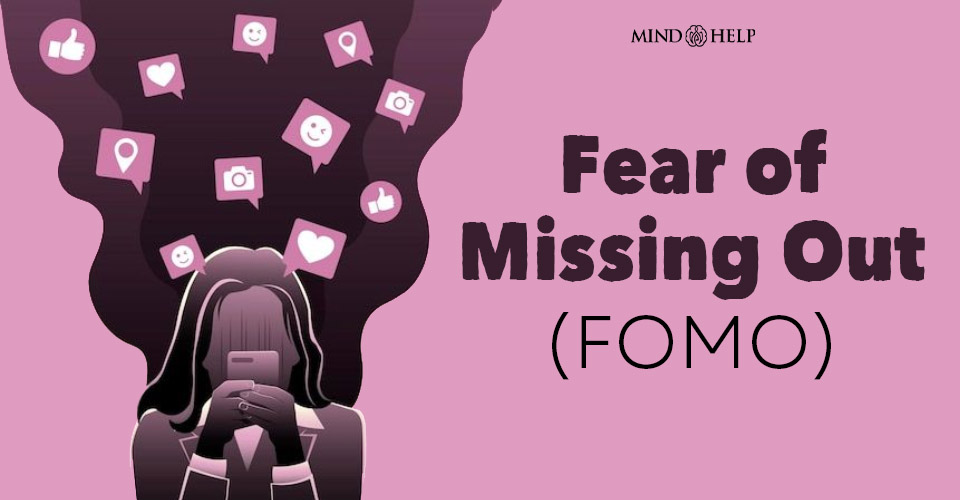
One of the primary causes of FOMO in relationships is the unrealistic expectations that individuals form based on their social media feed. Social media platforms showcase the highlight reels of other people's lives, creating an unrealistic expectation of what a perfect relationship should look like. This can lead to feelings of inadequacy and FOMO, as individuals compare their own relationships to the seemingly perfect ones they see on social media.
Comparison and Envy
Another cause of FOMO in relationships is comparison and envy. When individuals compare their own relationships to those of others, they may feel envious or jealous of what others have. This can lead to feelings of resentment and dissatisfaction with their own relationship, exacerbating FOMO.
Perceived Loss of Opportunities
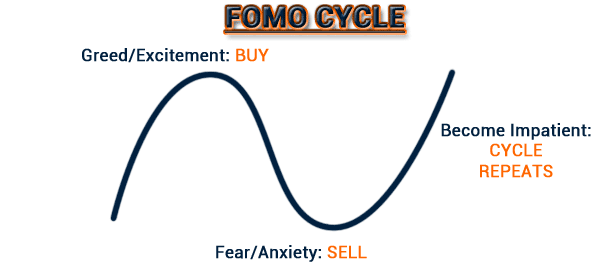
Perceived loss of opportunities is another cause of FOMO in relationships. When individuals feel that they are missing out on better relationships or experiences, they may experience FOMO. This can lead to anxiety and a sense of urgency, causing individuals to act impulsively and seek out new relationships without fully considering the consequences.
Low Self-Esteem and Insecurities
Low self-esteem and insecurities can also contribute to FOMO in relationships. When individuals struggle with self-doubt and low self-esteem, they may feel that they are not worthy of a fulfilling relationship. This can lead to FOMO, as individuals seek out relationships to validate their self-worth.

Unclear Communication and Unfulfilled Needs
Unclear communication and unfulfilled needs can also cause FOMO in relationships. When individuals feel that their needs are not being met or that their partner is not communicating effectively, they may feel FOMO. This can lead to anxiety and feelings of frustration, causing individuals to seek out new relationships or experiences to fulfill their needs.
Therapy and FOMO in Relationships
Therapy can be an effective tool for addressing the underlying causes of FOMO in relationships. By working with a therapist, individuals can develop strategies to reduce feelings of inadequacy, build self-awareness, and create healthier relationships with social media and their own expectations. Therapy can also help individuals to communicate more effectively and to fulfill their needs in a healthy and fulfilling way.
Conclusion
In conclusion, FOMO in relationships is a complex phenomenon that can be caused by a variety of factors, including unrealistic expectations, comparison and envy, perceived loss of opportunities, low self-esteem and insecurities, and unclear communication and unfulfilled needs. By understanding the causes of FOMO in relationships, individuals can take steps to address these issues and build healthier, more fulfilling relationships.
Key Takeaways
- Unrealistic expectations and social media comparison can lead to FOMO in relationships.
- Comparison and envy can contribute to FOMO in relationships.
- Perceived loss of opportunities can cause FOMO in relationships.
- Low self-esteem and insecurities can contribute to FOMO in relationships.
- Unclear communication and unfulfilled needs can cause FOMO in relationships.
- Therapy can be an effective tool for addressing FOMO in relationships.
.png "8 Ways 'FOMO' Causes Damage In Relationships - YourTango")