Guidelines for Phone Hacking Prevention: Protect Your Personal Information
With the increasing use of smartphones for both personal and professional purposes, the risk of phone hacking has become a significant concern. Hackers can gain access to your personal information, steal your identity, and compromise your online security. In this article, we will provide you with guidelines for phone hacking prevention to help you protect your personal information and stay safe online.
Understand Common Hacker Attack Methods
Hackers use various methods to gain access to your phone, including phishing, malware, and other mobile security threats. Phishing attacks involve sending you fake emails or text messages that ask you to provide sensitive information, such as passwords or credit card numbers. Malware, on the other hand, is software that is designed to harm your phone or steal your data. To prevent phone hacking, it's essential to understand these common attack methods and take necessary precautions.
Set PINs and Passwords
One of the simplest ways to prevent phone hacking is to set a strong PIN or password on your phone's home screen. This will prevent unauthorized access to your phone in case it's lost or stolen. It's also essential to use different passwords for each of your important log-ins, such as email, banking, and personal sites. Additionally, configure your phone to automatically lock after a short period of inactivity.
Use Stronger Security Measures
Installing security software on your phone is a crucial step in preventing phone hacking. A combination of a virtual private network (VPN) and antivirus software can provide adequate protection against hackers. A VPN will encrypt your internet traffic, making it difficult for hackers to intercept your data, while antivirus software will detect and remove malware from your phone.
Be Cautious with Apps
Malicious apps can be a significant threat to your phone's security. Be cautious when downloading apps, and only install them from reputable sources. Read reviews and check the app's ratings before installing it. Also, avoid rooting or jailbreaking your phone, as this can make it vulnerable to malware and other security threats.
Regularly Update Your Phone's Software
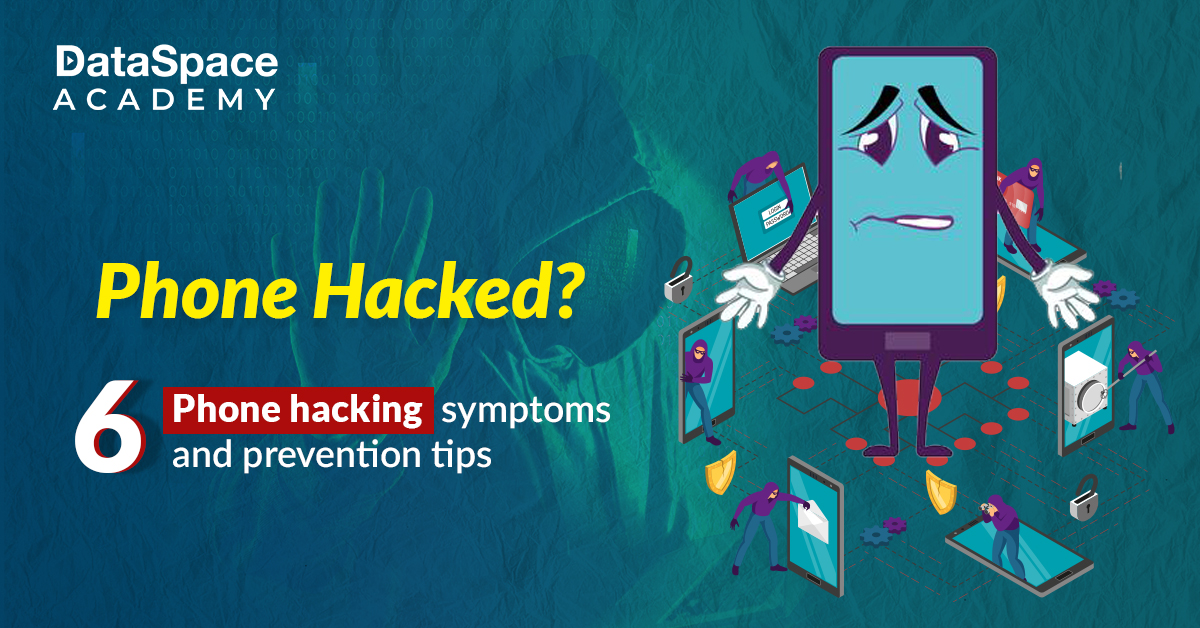
Keeping your phone's software up to date is essential to prevent phone hacking. Regular software updates often include security patches that fix vulnerabilities that hackers can exploit. Make sure to regularly check for software updates and install them as soon as they become available.
Back Up Your Data
Backing up your data regularly can help you recover your personal information in case your phone is hacked or compromised. Use a cloud backup service or a local backup device to store your data securely.
Monitor Your Phone's Activity
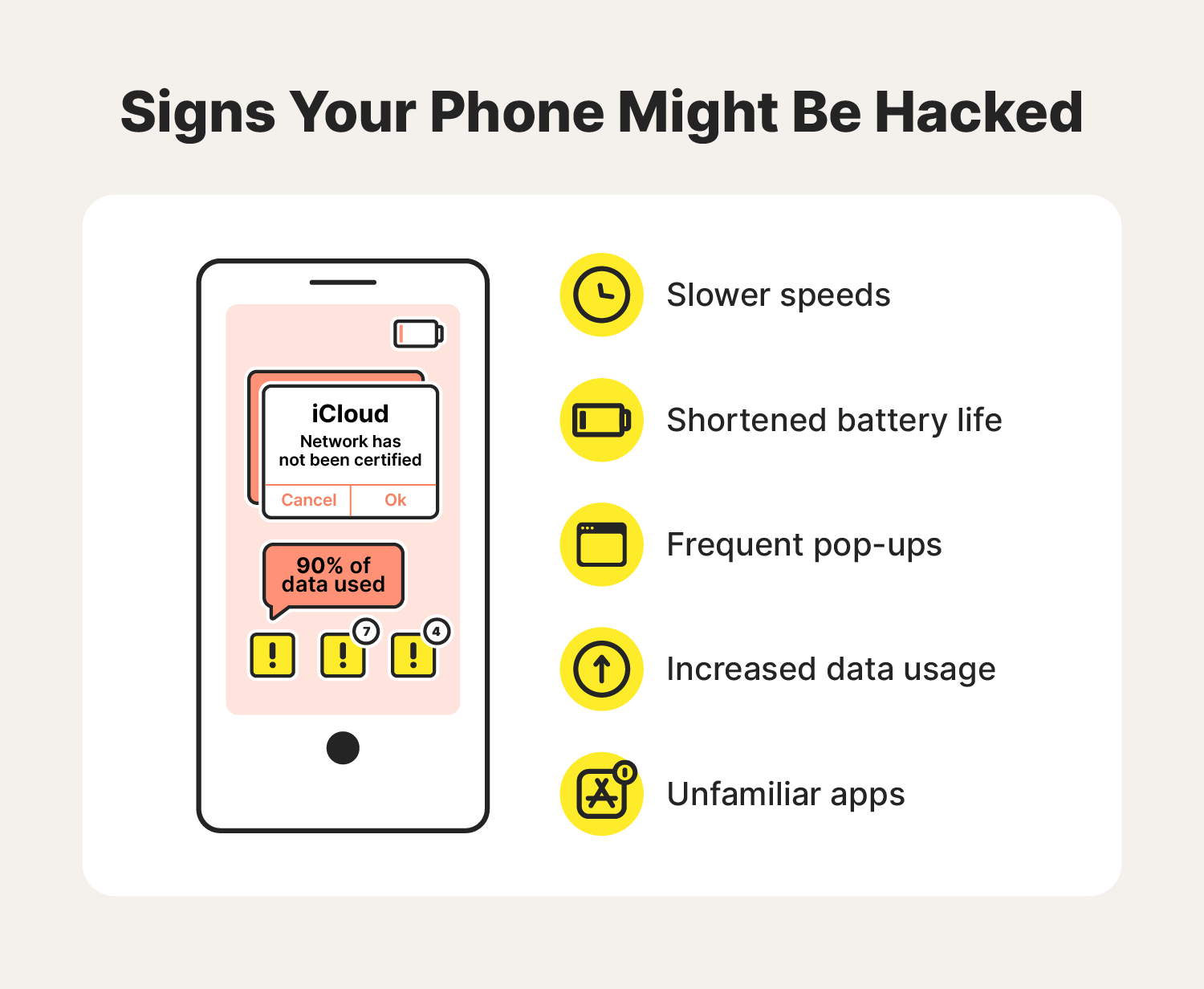
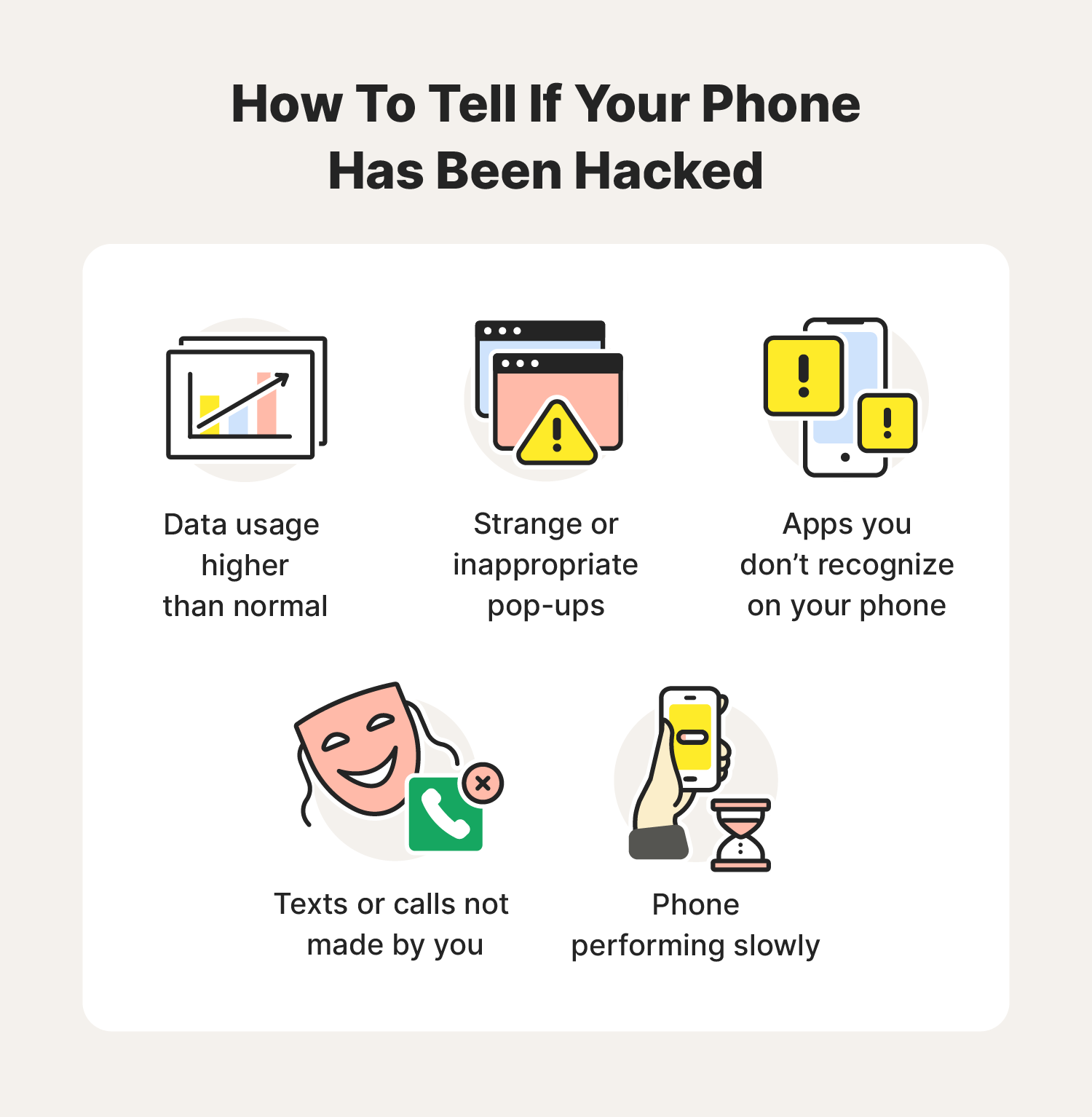
Regularly monitor your phone's activity to detect any suspicious behavior. Check your phone's settings and look for any unfamiliar apps or settings that may indicate a hack. Also, be cautious of unexpected messages or emails that may be phishing attacks.
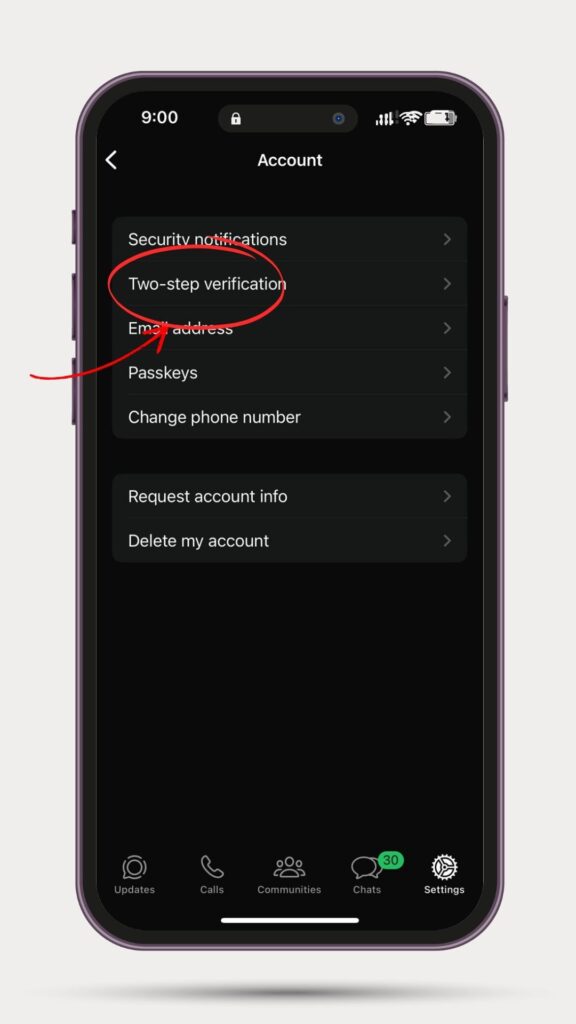
Use Two-Factor Authentication
Two-factor authentication (2FA) is a security feature that requires you to provide a second form of verification, such as a code sent to your phone or a fingerprint scan, in addition to your password. This can provide an extra layer of security and prevent hackers from accessing your accounts.
Conclusion
Phone hacking is a significant concern in today's digital age. By following these guidelines for phone hacking prevention, you can protect your personal information and stay safe online. Remember to set strong PINs and passwords, use security software, be cautious with apps, regularly update your phone's software, back up your data, monitor your phone's activity, and use two-factor authentication. By taking these precautions, you can prevent phone hacking and enjoy a secure online experience.