What Makes a Small Business Successful? Essential Tips for Entrepreneurs
In today's competitive market, it's easier than ever to start a small business. However, success is not guaranteed, and many entrepreneurs struggle to make a lasting impact. What makes a small business successful? Is it a clear vision and mission, a unique value proposition, or a strong network of clients and employees? In this article, you'll discover the essential tips and characteristics of a successful small business.1. Clear Vision and Mission
Every successful business begins with a clear vision and mission. These foundational elements serve as the compass that guides every decision, strategy, and action within the company. A well-crafted vision statement articulates the long-term goals and aspirations of your business, painting a picture of what you hope to achieve in the future. It should be ambitious, yet achievable, and be communicated to all employees to ensure everyone is working towards the same objectives.2. Unique Value Proposition
A unique value proposition is critical to differentiating your small business from its competitors. It's what sets your business apart and makes it more attractive to potential customers. Identify what makes your business unique, whether it's your products, services, or values, and ensure it's communicated consistently across all marketing channels.>3. Employee Empowerment
Successful businesses empower their employees to make decisions, take risks, and innovate. When employees feel trusted and valued, they're more likely to be engaged, motivated, and committed to the business. Provide opportunities for ongoing learning and development, recognize and reward outstanding performance, and encourage open communication to foster a positive work culture.>4. Customer-Centric Approach
Delivering exceptional customer experiences is crucial to building a loyal customer base and driving business growth. Develop a deep understanding of your target audience's needs, preferences, and pain points, and tailor your products and services to meet those needs. Foster strong relationships with your customers through regular communication, feedback, and loyalty programs.>5. Adaptability and Agility
The business landscape is constantly changing, and entrepreneurs must be prepared to pivot and adapt quickly. Stay close to your market and keep an eye on industry trends, competitor activity, and emerging technologies to stay ahead of the curve.>6. Financial Management

>7. Market Research and Analysis
Conduct thorough market research and analysis to understand your target audience, industry trends, and competitor activity. Use this data to inform your business strategies, product development, and marketing campaigns.>8. Strategic Partnerships
Strategic partnerships can be a valuable asset for small businesses, providing access to new markets, customers, and expertise. Identify potential partners that align with your business goals and values, and develop mutually beneficial partnerships.Conclusion
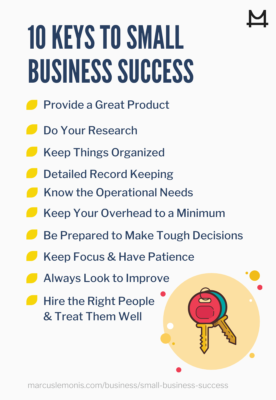
What makes a small business successful is a combination of these essential tips and characteristics. By focusing on your business's unique value proposition, empowering your employees, delivering exceptional customer experiences, adapting to change, managing finances effectively, conducting market research, and seeking strategic partnerships, you'll be well on your way to creating a successful and sustainable business. Remember, starting a business is just the first step – it's the ongoing effort and dedication that truly sets successful entrepreneurs apart.References:
SCORE Idaho mentor, David Callon brings experience in franchising, restaurant management and operations, small company management, sales and marketing, business management and construction. He can help you clarify and focus your business goals, and serve as a practical sounding board as you make key decisions.
The Small Business Administration's local assistance finder can connect you with local guidance in planning your exit strategy. It's also helpful to seek advice from your lawyer and a business evaluation expert, along with other business professionals including accountants, bankers, and the IRS.