Exploring the World of Upholstery Fabrics
The Importance of Choosing the Right Fabric
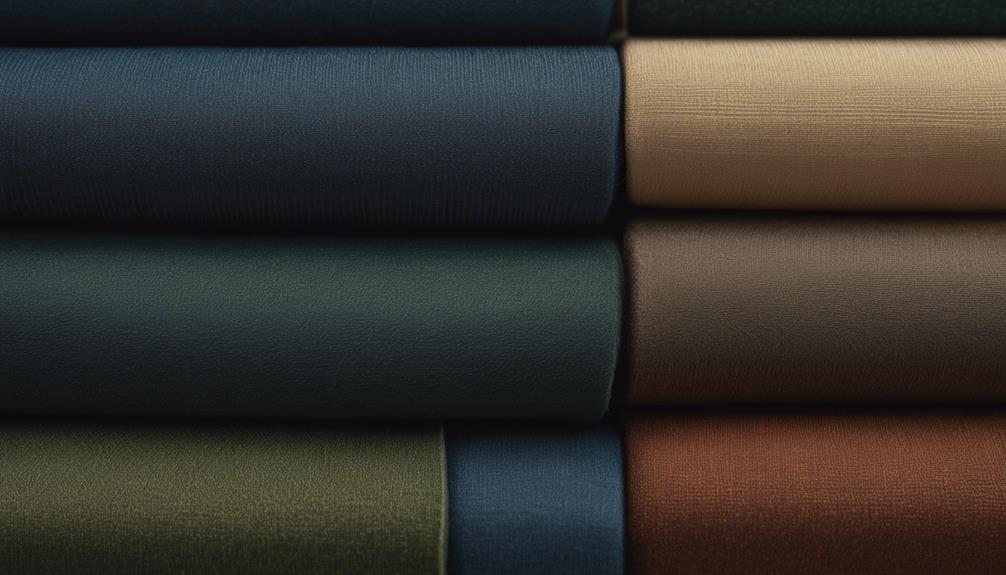
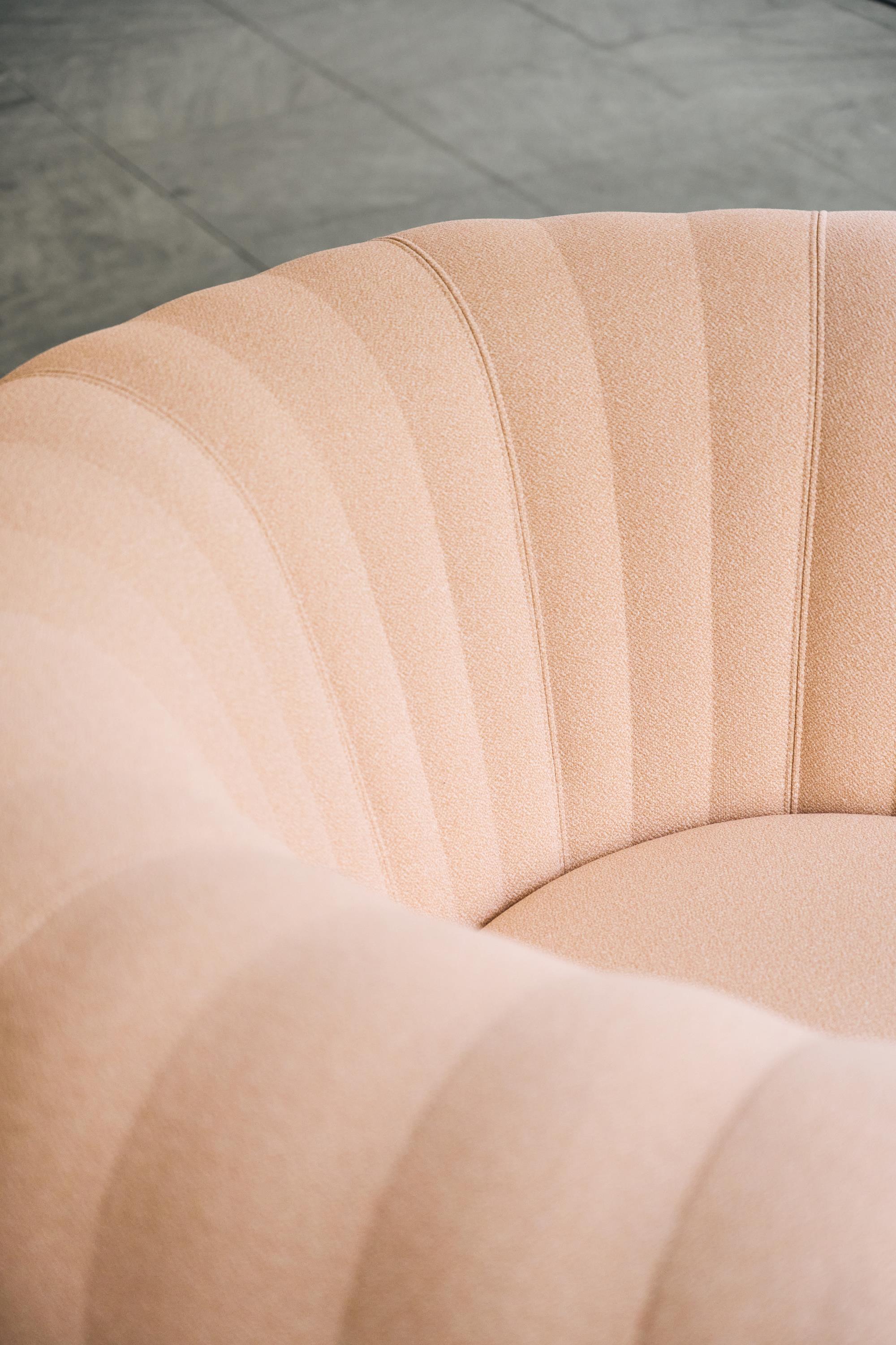
When it comes to upholstering your furniture, choosing the right fabric can be a daunting task. With a vast array of upholstery fabrics available in the market, it's easy to get overwhelmed. From cotton to polyester, velvet to leather, each fabric has its unique characteristics, benefits, and drawbacks. In this article, we will delve into the world of upholstery fabrics, discussing the different types, features, and considerations to help you make an informed decision.Types of Upholstery Fabrics
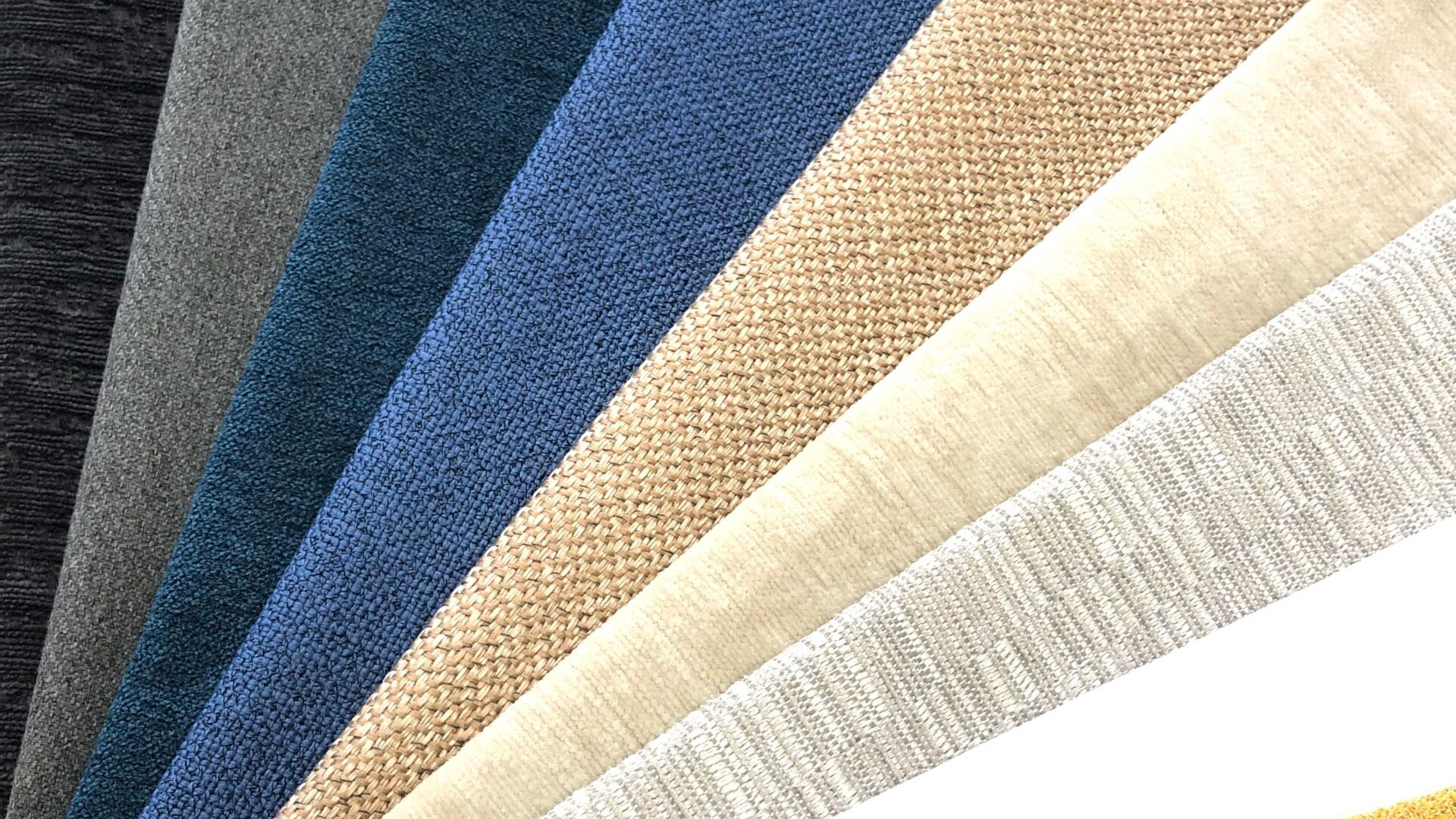
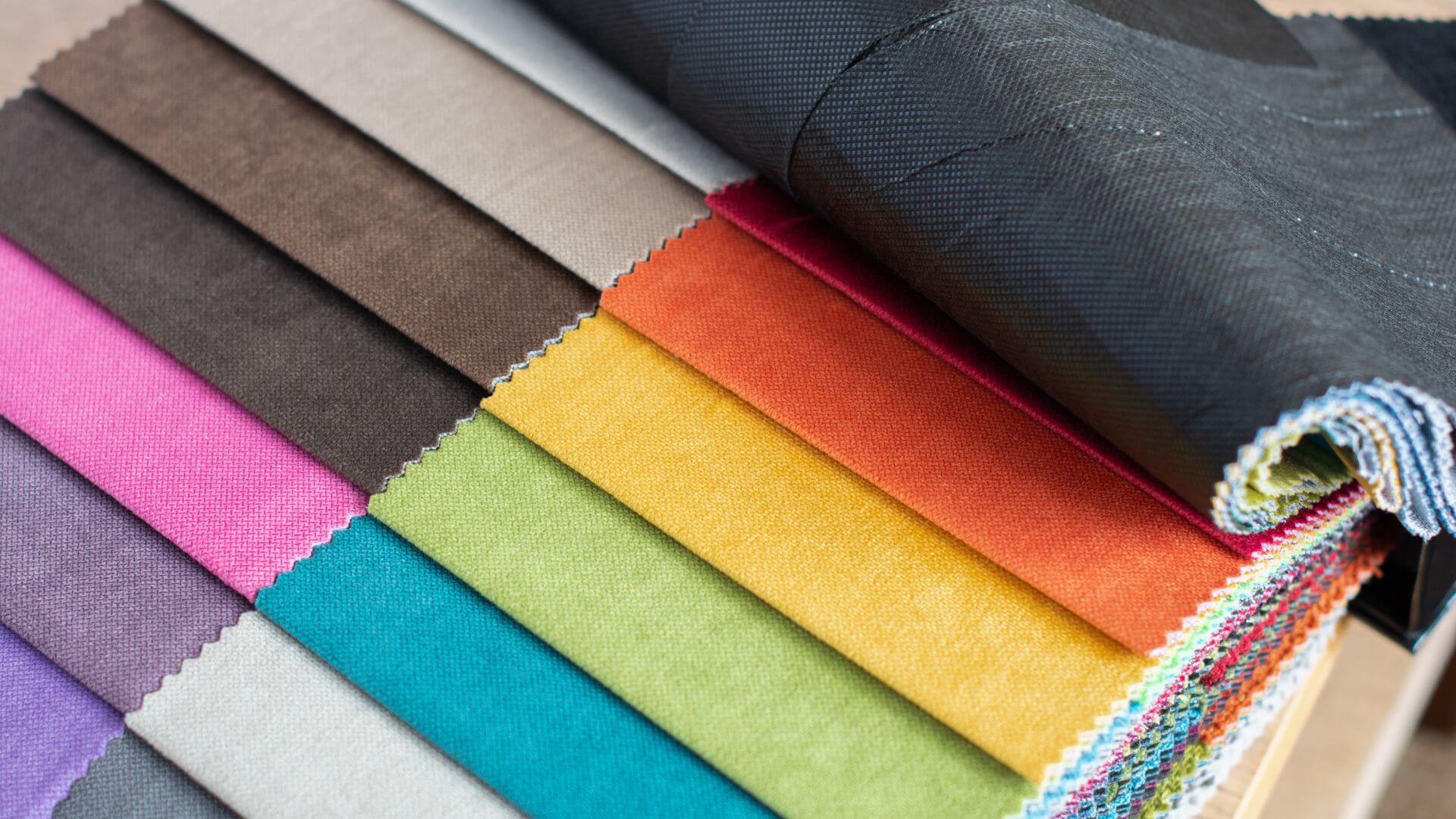
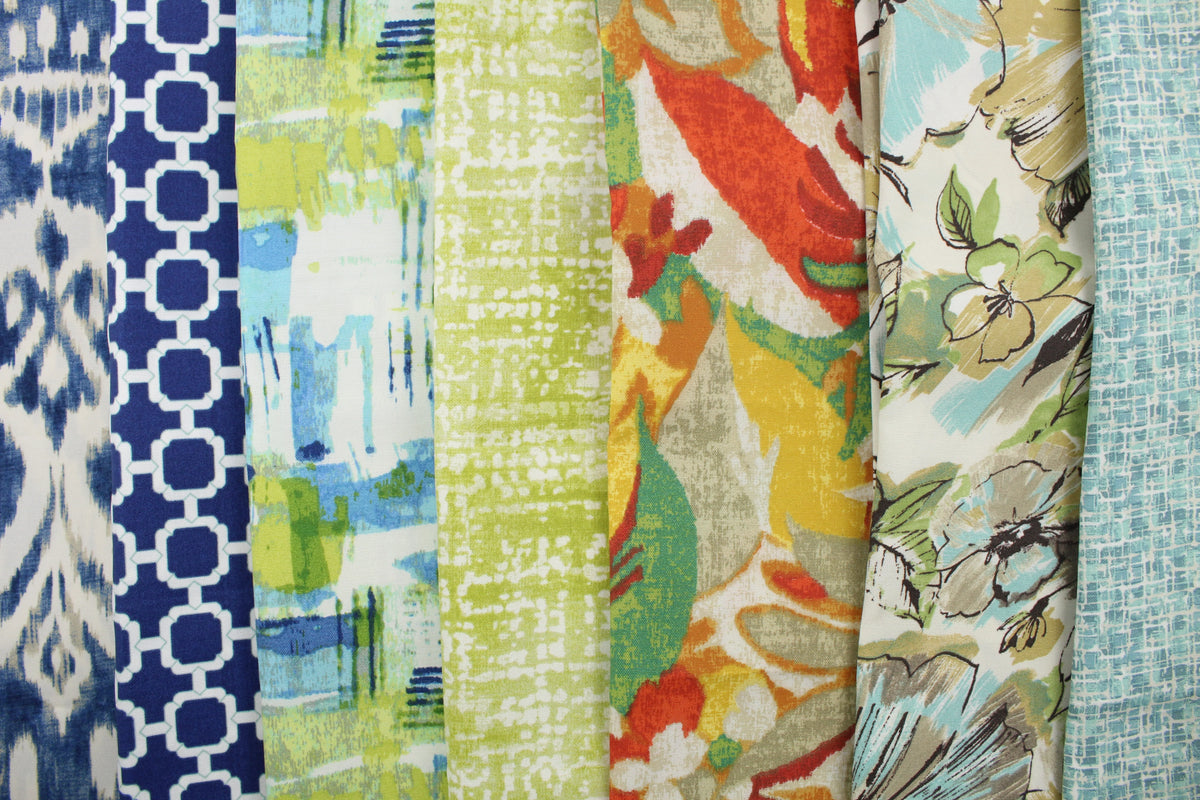
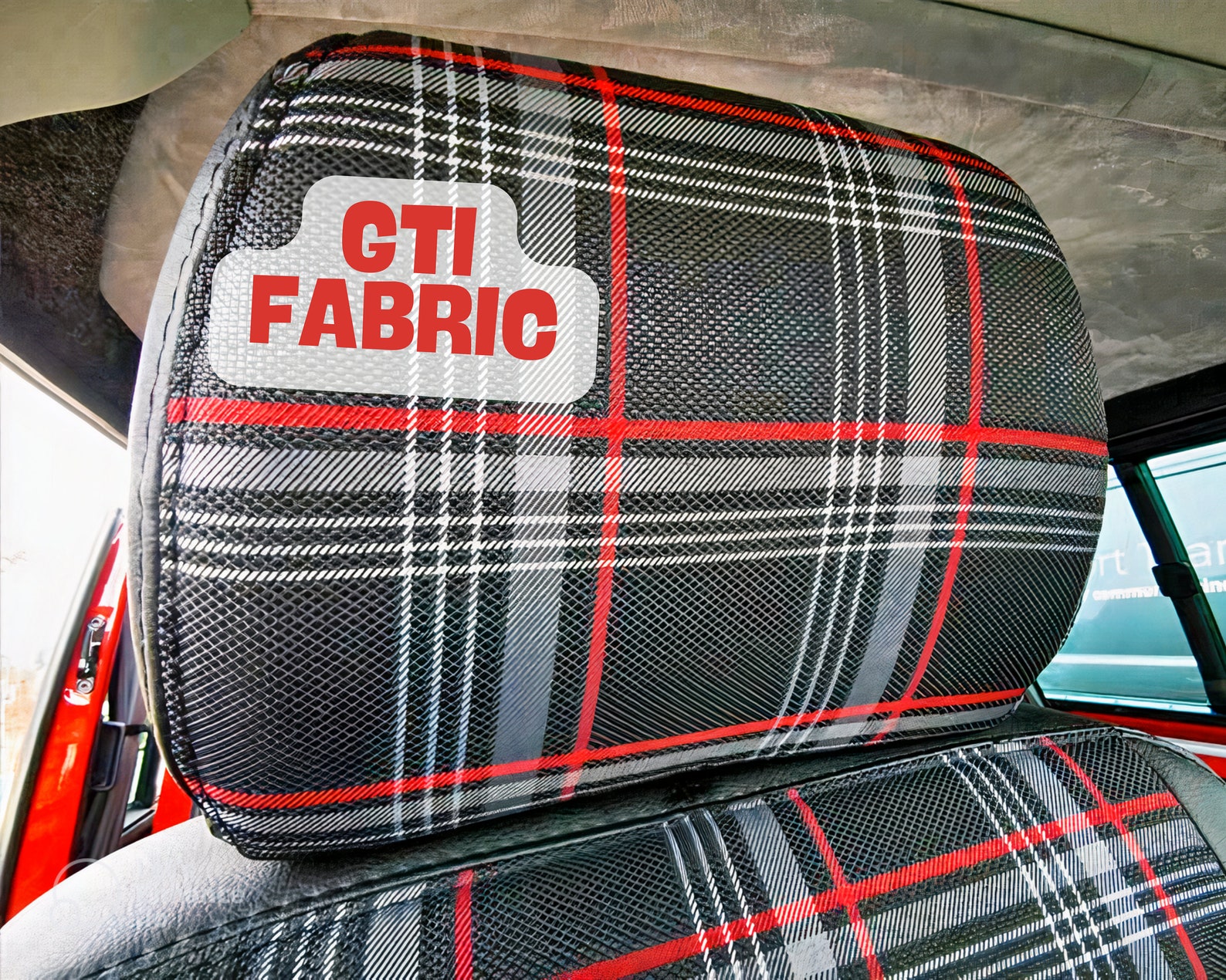
1. **Natural Fibers:** Natural fibers like cotton, linen, and silk are breathable, durable, and often eco-friendly. However, they can be prone to wrinkles and may not be suitable for heavy traffic areas. 2. **Synthetic Fibers:** Synthetic fibers such as polyester, nylon, and vinyl are easy to clean, resistant to stains, and often less expensive than natural fibers. However, they may lack the natural feel and breathability of natural fibers. 3. **Leather:** Leather upholstery fabrics are durable, easy to clean, and add a touch of luxury to any furniture piece. However, they can be expensive and may not be suitable for all styles of furniture. 4. **Printed Fabrics:** Printed fabrics feature designs and patterns, adding a touch of personality to your furniture. They can be made from natural or synthetic fibers and come in a wide range of designs and themes. 5. **Performance Fabrics:** Performance fabrics are designed to withstand heavy traffic, spills, and scratches. They are often used in commercial or heavy-duty applications and are available in a range of textures and styles.Features to Consider
When choosing upholstery fabrics, consider the following features: * **Color and Pattern:** Choose a fabric that complements the color scheme and style of your furniture and decor. * **Material and Texture:** Select a fabric that suits your lifestyle, considering factors like durability, maintenance, and aesthetics. * **Breathability and Moisture Resistance:** Opt for breathable fabrics to ensure airflow and moisture wicking properties to prevent water stains. * **Allergen-Friendliness:** Consider fabrics treated with allergen-repelling chemicals or made from hypoallergenic materials for better indoor air quality.Industry Trends and Insights