Setting Up a Trust Fund: A Step-by-Step Guide
When it comes to securing your family's future and protecting your assets, setting up a trust fund is an important decision to make. In this article, we'll walk you through the trust fund setup steps and help you understand the different types of trusts available.
Understanding the Types of Trusts
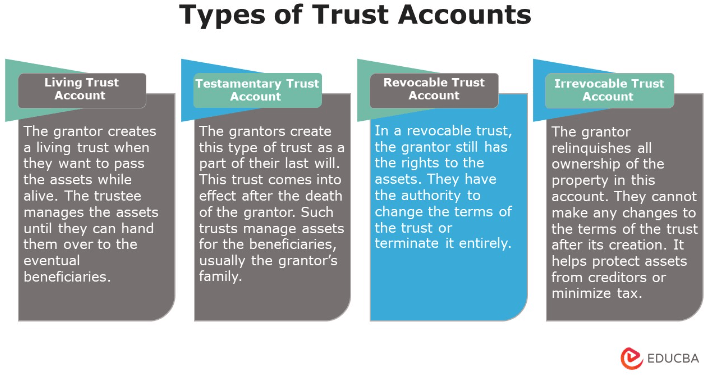
There are several types of trusts to choose from, including revocable, irrevocable, living, and testamentary trusts. The right type of trust for you will depend on your personal situation, the assets you want to pass on, and the goals you want to achieve.
- Revocable trusts allow you to make changes to the trust at any time during your lifetime.
- Irrevocable trusts cannot be changed once they're set up, providing greater asset protection for beneficiaries.
- Living trusts are used to distribute assets while you're still alive, bypassing probate.
- Testamentary trusts are created through a will and take effect after your passing.
Step 1: Determine the Purpose of Your Trust Fund
Before setting up a trust fund, it's essential to consider the purpose and goals you want to achieve. Do you want to protect your assets from creditors? Ensure that your loved ones are taken care of? Or create a financial legacy for future generations?
- Identify the assets you want to include in the trust fund, such as real estate, investments, or cash.
- Decide on the beneficiaries of the trust fund, including family members, charities, or other organizations.
- Consider the tax implications and potential benefits of setting up a trust fund.
Step 2: Choose a Trustee
The trustee is responsible for managing and distributing the assets in the trust fund according to the terms set by you. This can be a trusted family member, friend, or professional advisor.
- Consider the qualifications and experience of the trustee.
- Evaluate the trustee's ability to manage the trust fund effectively.
- Choose a backup trustee in case the primary trustee is unable to serve.
Step 3: Create a Trust Agreement

The trust agreement outlines the terms and conditions of the trust fund, including who will receive the assets, how they will be distributed, and when.
- Work with an attorney to create a customized trust agreement that meets your needs.
- Include provisions for managing trust assets, paying taxes, and reporting to beneficiaries.
- Review and update the trust agreement as needed to ensure it remains aligned with your goals.
Step 4: Fund the Trust
Once the trust agreement is in place, you'll need to transfer the assets into the trust fund. This can be done through a variety of methods, including:
- Transferring ownership of real estate.
- Assigning investment accounts or other financial assets.
- Depositing cash or other liquid assets.
Conclusion
Setting up a trust fund is a complex process that requires careful consideration and planning. By following the trust fund setup steps outlined above, you can ensure that your assets are protected and passed on to your loved ones as intended. With the right guidance and support, you can create a legacy that lasts for generations to come.
Additional Resources
For more information on setting up a trust fund, consult with an experienced attorney or financial advisor who can provide personalized guidance and support. Some additional resources to consider include:
- Online resources and tutorials on trust fund setup and management.
- Professional associations and industry organizations offering guidance and support.
- Success stories and case studies from individuals who have successfully set up and managed trust funds.