Smartphone Water Damage Cleanup: A Step-by-Step Guide
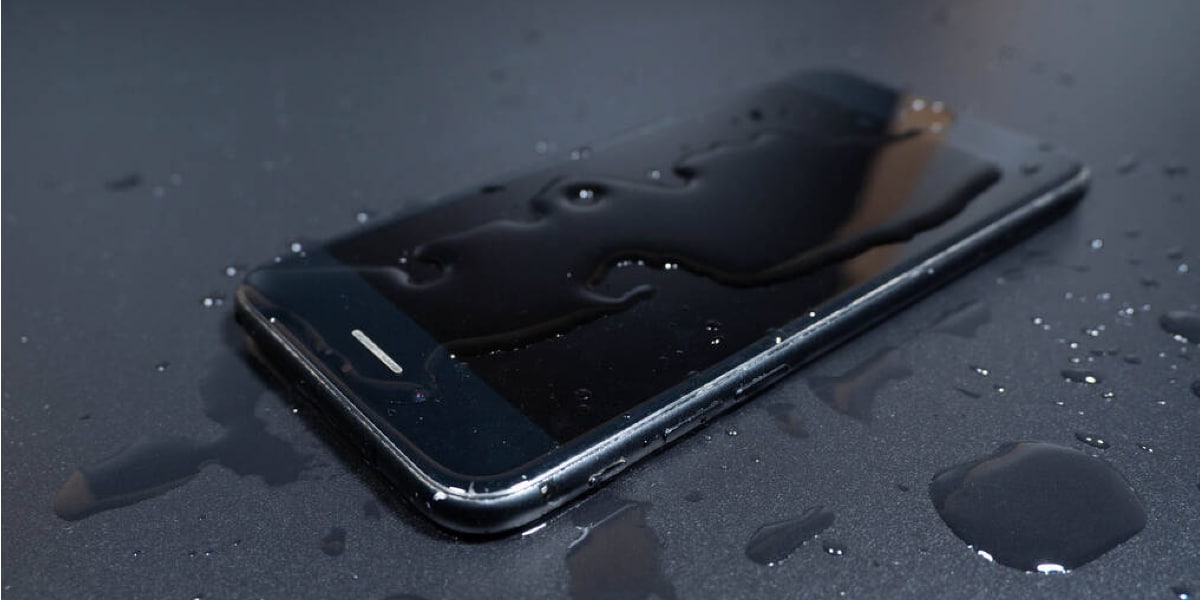
Are you in a panic because your smartphone has fallen into water? Don't throw it away yet! In this article, we'll walk you through a step-by-step guide on how to perform smartphone water damage cleanup and potentially save your device.
What to Do Immediately After Your Phone Gets Wet
When you drop your phone in water, the most critical thing to do is to act fast. The sooner you respond, the better chances you have of saving your phone. Remember, every minute counts in this situation.
- Retrieve your phone from the water as quickly as possible.
- Turn it off immediately to prevent any short circuits that could damage the internal components.
- Remove any accessories, such as cases or SIM cards, to prevent them from causing further damage.
Removing Excess Water
After you've turned off your phone, it's essential to remove any excess water from the device. This step is crucial to prevent further damage and corrosion.
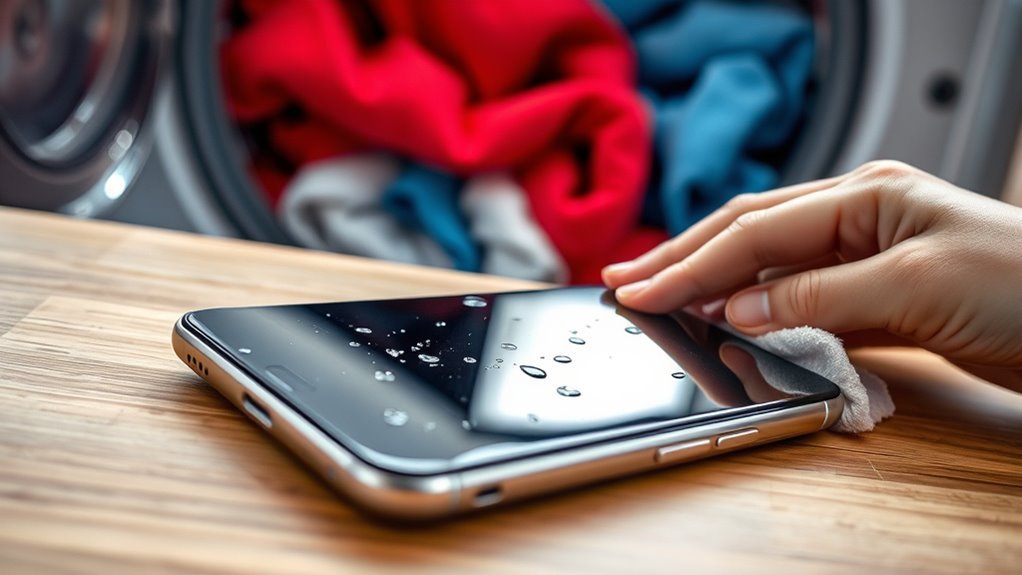
- Use a soft cloth to gently pat the phone dry, focusing on the exterior.
- Avoid using a vacuum cleaner or towels, as they can push the water further into the device and exacerbate the damage.
- Use a desiccant, such as silica gel or uncooked rice, to absorb the excess water. However, make sure to follow the proper method and ratio for using these products.
Cleaning and Inspecting the Phone
Once you've removed the excess water, it's time to thoroughly clean and inspect your phone for any signs of damage. This step can make all the difference in saving your device.
- Use a soft brush and mild soap solution to gently clean the exterior and interior of the phone.
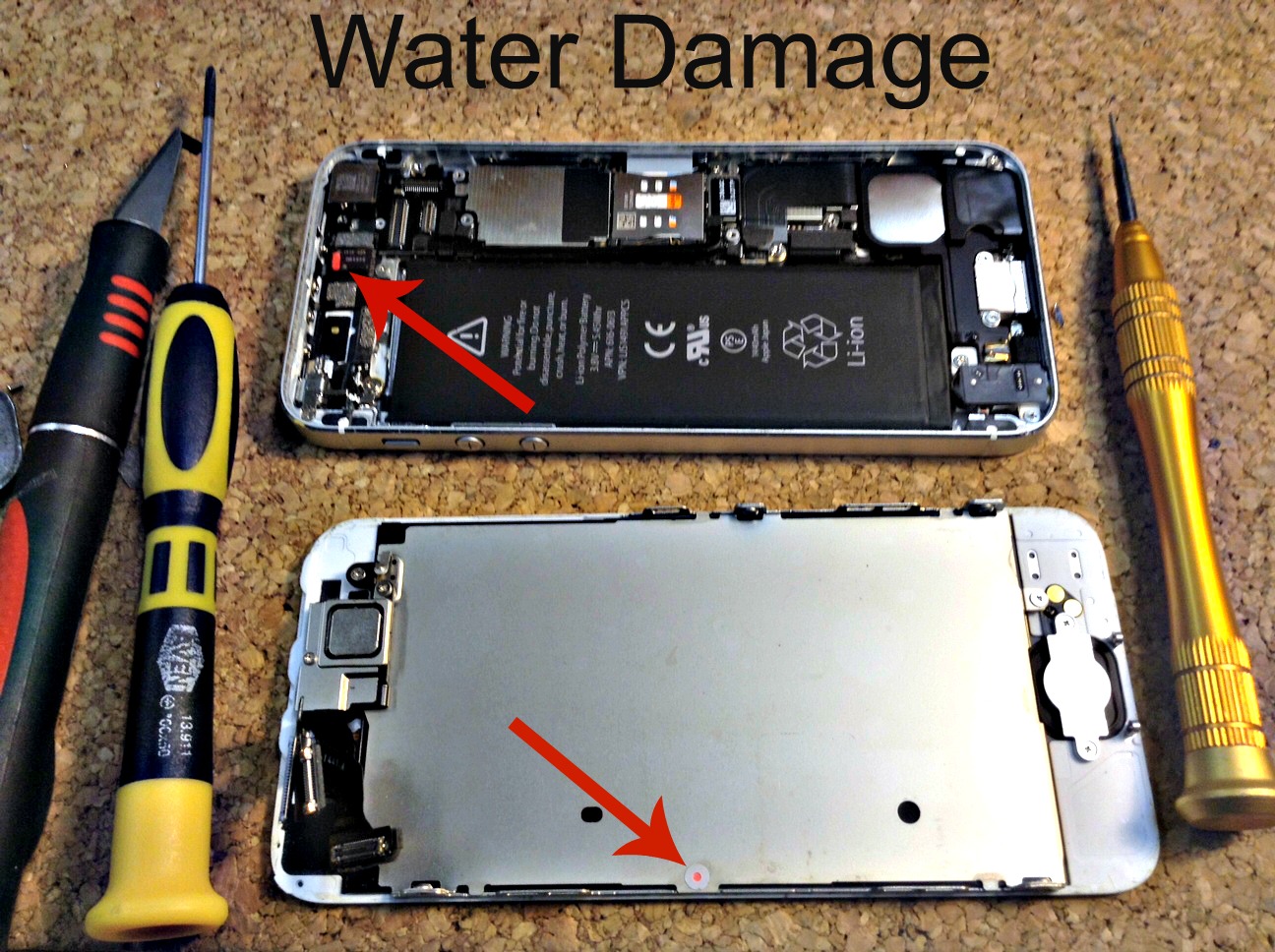
- Inspect the phone's internal components for any signs of corrosion, damage, or water intrusion.
- Use a cleaning solution, such as distilled water and a mild detergent, to clean any affected areas.
Reassembling and Testing the Phone
After you've cleaned and inspected your phone, it's time to reassemble it and test its functionality. Make sure to handle the internal components with care and avoid applying any force that could cause further damage.
- Reassemble the phone in the reverse order that you disassembled it, ensuring that all internal components are properly secured.
- Turn on your phone and test its functionality, including its charging capabilities, camera, and other features.
- If your phone doesn't turn on or exhibits any signs of damage, it's best to seek professional help from a qualified repair technician.
Preventing Future Water Damage
After successfully performing smartphone water damage cleanup, it's essential to take steps to prevent future water-related issues. By following these tips, you can protect your device and ensure it continues to serve you well:
- Keep your phone away from water sources, such as sinks, bathtubs, and swimming pools.
- Use a waterproof case or pouch to protect your phone from accidental drops or splashes.
- Regularly inspect and maintain your phone's water seals and gaskets to prevent water intrusion.
Conclusion
Performing smartphone water damage cleanup requires patience, care, and attention to detail. By following the steps outlined in this article, you can potentially save your device and prevent costly repairs. Remember to act fast, be gentle, and seek professional help if needed. With these tips, you'll be well-equipped to handle any smartphone water damage cleanup situation that comes your way.