Screen Time Monitoring for Teens: A Comprehensive Guide for Parents
In today's digital age, teenagers spend an average of 4-6 hours per day staring at screens. This excessive screen time can lead to a range of negative effects, including obesity, sleep disorders, and decreased attention span. As a parent, it's essential to monitor your teen's screen time habits to ensure their physical and mental well-being. In this article, we'll explore the importance of screen time monitoring for teens and provide tips on how to do it effectively.
The Importance of Screen Time Monitoring for Teens
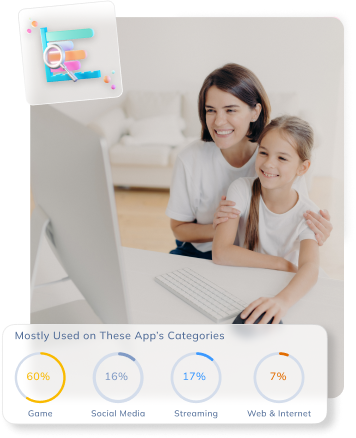
Screen time monitoring is crucial for teens because it helps parents understand how much time their children are spending on screens, what they're doing online, and with whom they're interacting. By monitoring screen time, parents can:
- Prevent excessive screen time and its associated risks
- Identify potential online safety risks, such as cyberbullying or online predators
- Foster responsible screen use habits and digital literacy skills
- Encourage physical activity and other healthy lifestyle choices
Tools for Screen Time Monitoring
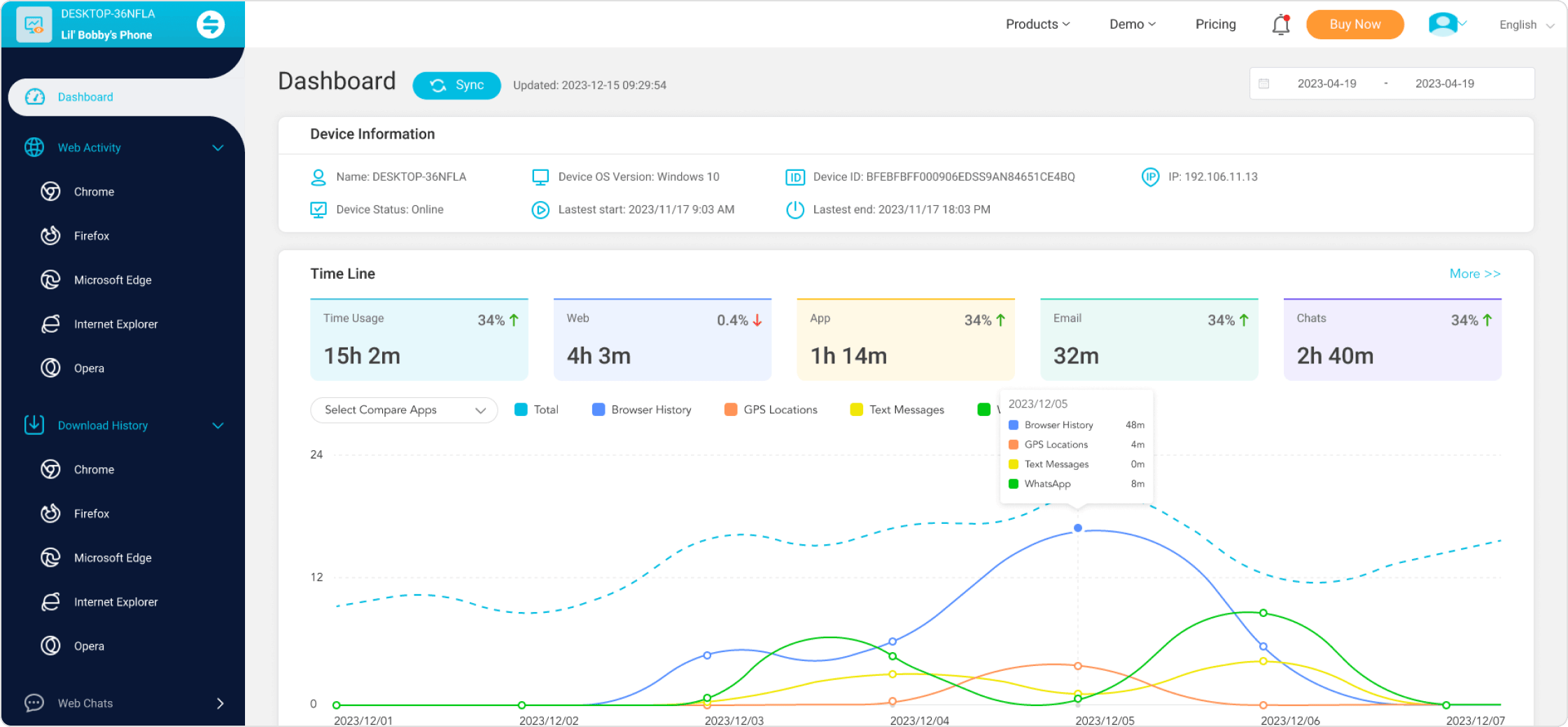
There are several tools available for parents to monitor their teen's screen time, including:
- Parental control apps, such as Qustodio, Bark, and Norton Family
- Social media monitoring tools, like Circle and Kaspersky Safe Kids
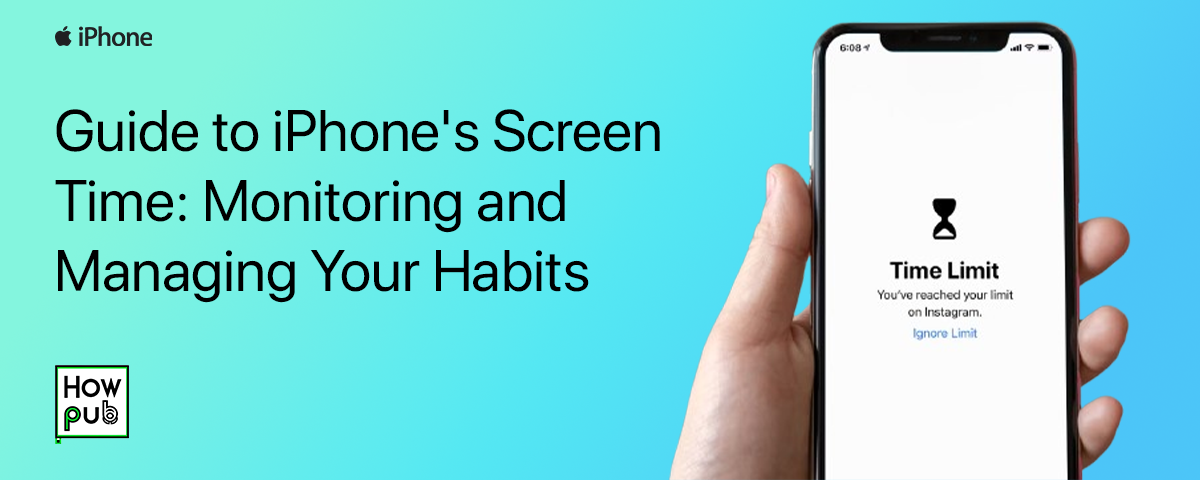
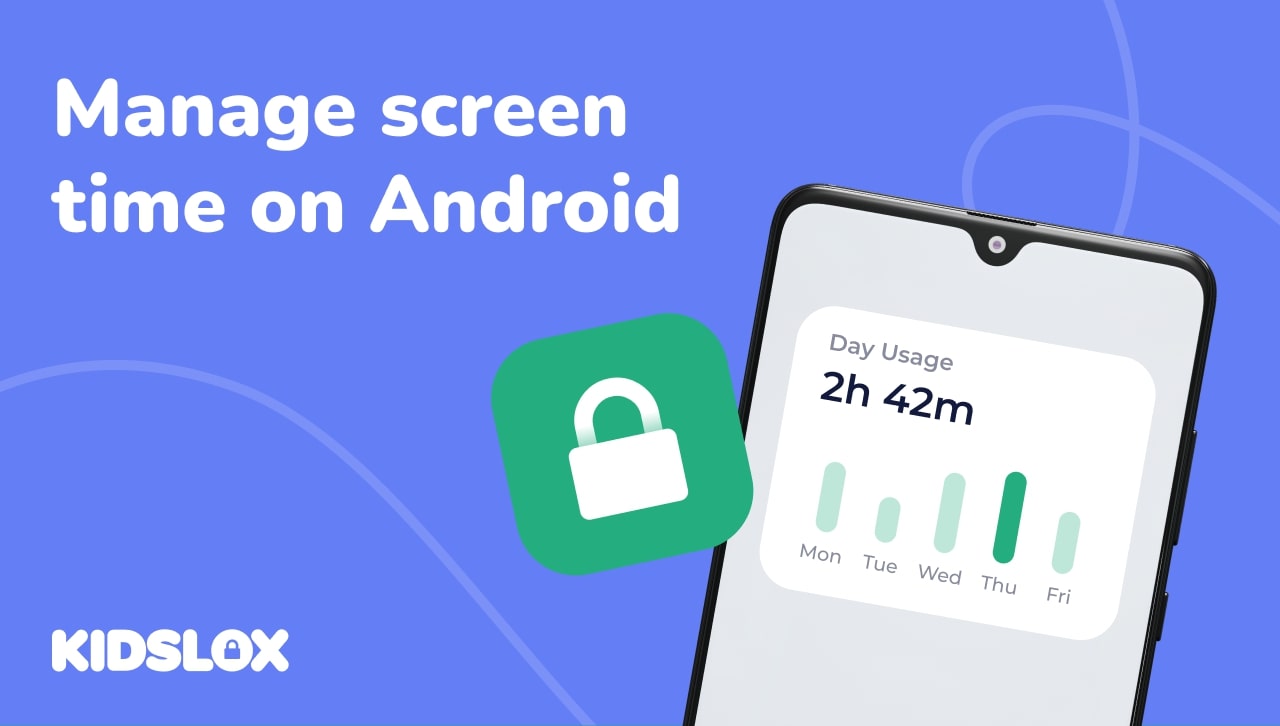
- Device management software, like Apple's Screen Time and Google's Family Link
How to Use Screen Time Monitoring Tools Effectively
To use screen time monitoring tools effectively, parents should:

- Set clear rules and guidelines for screen use
- Monitor their teen's screen time regularly, but also give them autonomy
- Use the data collected to have open and honest conversations with their teen
- Encourage their teen to take ownership of their screen use habits
Ongoing Conversations with Your Teen
Screen time monitoring is not just about tracking data, but also about having ongoing conversations with your teen about their screen use habits. Parents should:
- Ask open-ended questions about their teen's online activities
- Listen attentively to their teen's responses and validate their feelings
- Encourage their teen to reflect on their own screen use habits and set goals for improvement
Benefits of Screen Time Monitoring for Teens
By monitoring their teen's screen time, parents can provide them with a safe and healthy digital environment, which can lead to a range of benefits, including:
- Improved mental health and well-being
- Increased physical activity and outdoor play
- Better sleep habits and reduced sleep disorders
- Enhanced digital literacy skills and online safety knowledge
Conclusion
Screen time monitoring for teens is a vital aspect of maintaining their physical and mental well-being. By using the right tools, having ongoing conversations with their teen, and setting clear rules and guidelines, parents can help their teen develop healthy screen use habits and a positive relationship with technology. Remember, screen time monitoring is not about controlling or restricting, but about empowering and educating your teen to make informed choices about their screen use.
/images/2025/04/27/familykeeper_-_screen_time_limit_1.png "The 3 Best Parental-Control Apps to Manage Screen Time (and Keep Your ...")