Protect Kids from Excessive Screen Time: A Parent's Guide
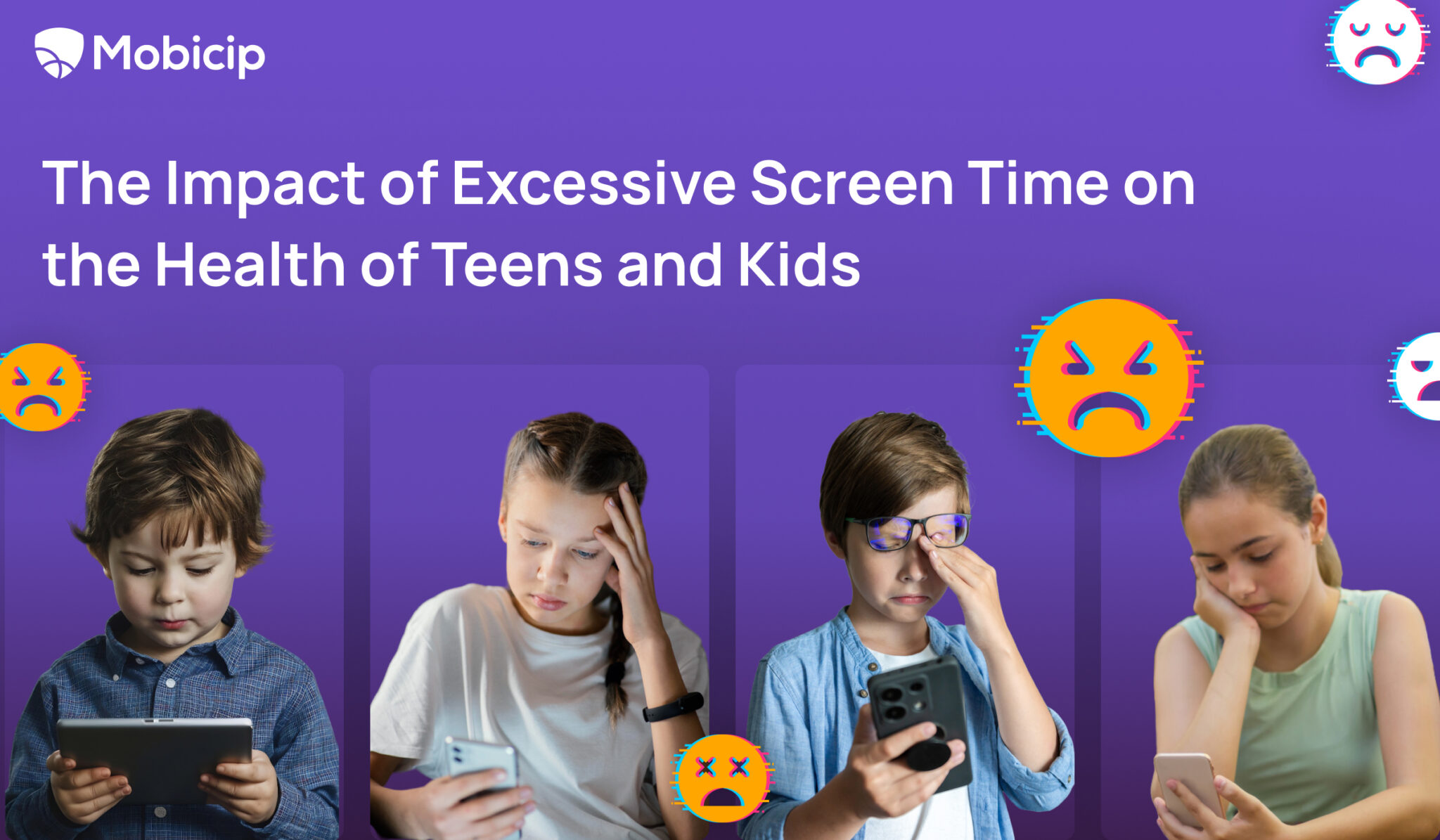
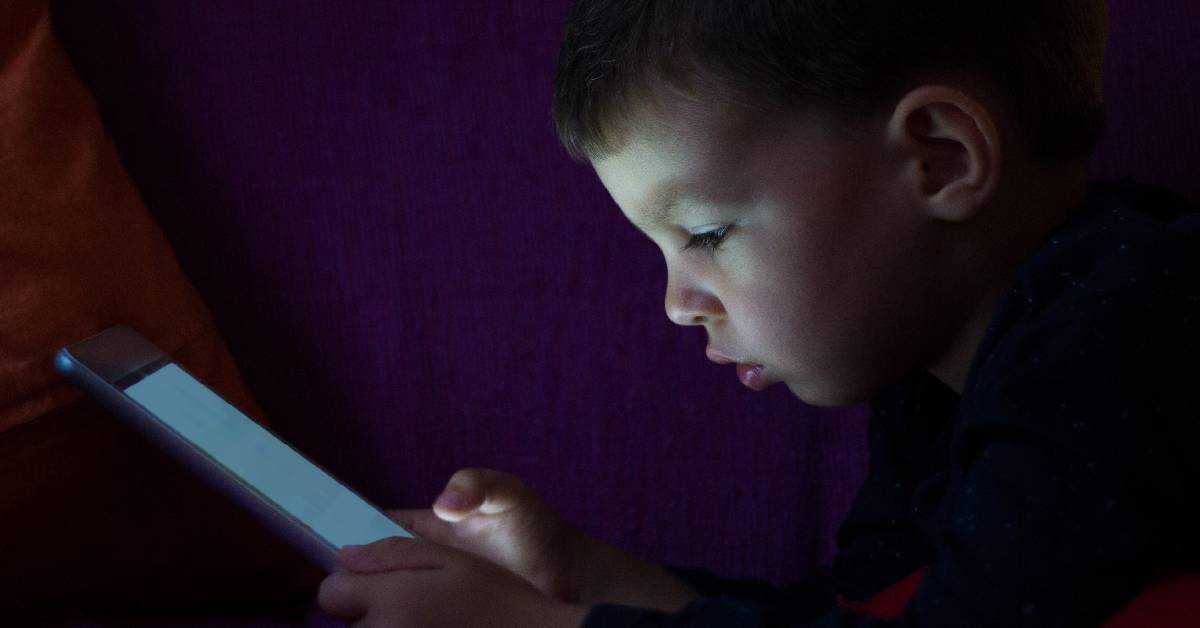
In today's digital age, it's easy for kids to get sucked into the world of screens. With smartphones, tablets, and gaming consoles, it's tempting to let them spend hours on end staring at screens. However, excessive screen time can have serious consequences on a child's physical and mental health, social skills, and academic performance. As a parent, it's essential to set limits and establish healthy screen use habits for your child.
Why is Excessive Screen Time a Concern?
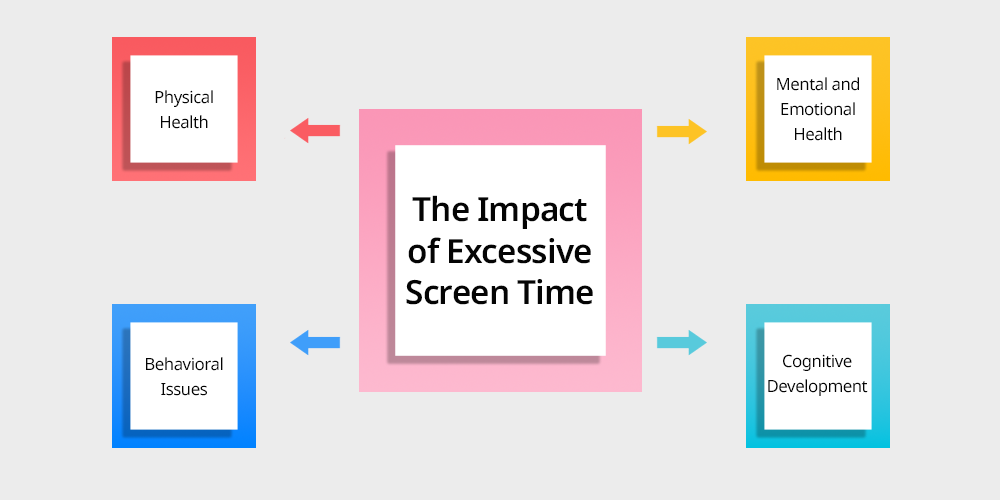
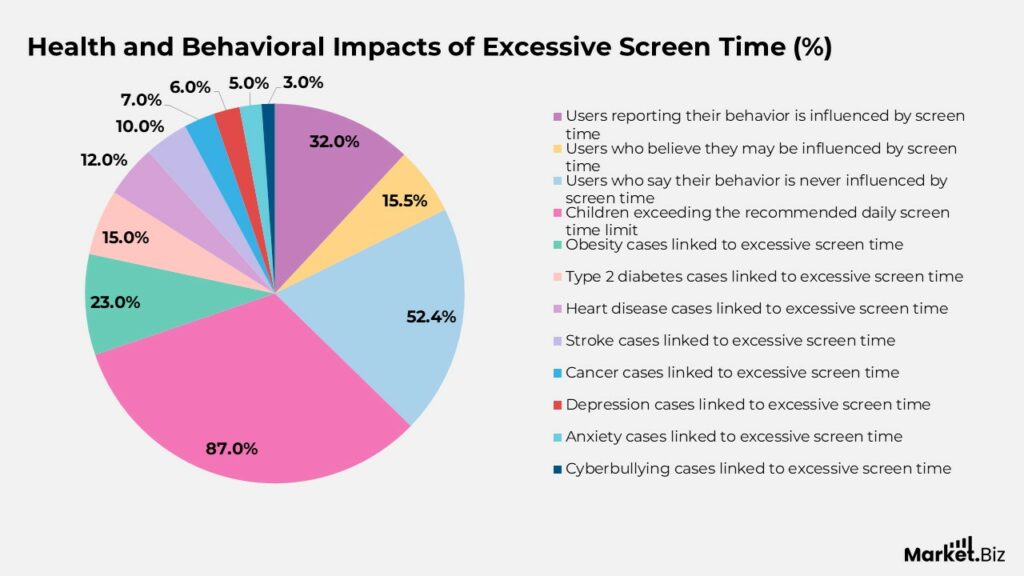
Excessive screen time has been linked to a range of negative effects on children, including:
- Myopia (nearsightedness)
- Speech delay
- Autism-like symptoms
- Obesity
- Sleep problems
- Behavioral issues, such as aggression and anxiety
- Reduced physical activity
- Decreased attention span
- Impact on social skills and relationships
Setting Limits and Establishing Healthy Screen Use Habits
So, how can you protect your kids from excessive screen time? Here are some practical tips:

- Set screen-free zones and times: Designate screen-free zones in your home, such as the dinner table or bedrooms, and establish screen-free times, like during meals or an hour before bedtime.
- Establish screen time limits: Set daily limits on screen time, and enforce them consistently. The American Academy of Pediatrics recommends:
- Children under 2 years: No screen time except for video chatting
- Children 2-5 years: 1 hour of high-quality educational programming per day
- Children 6 and older: Place consistent limits on screen time, making sure that it does not interfere with physical activity, sleep, and other activities
- Encourage physical activity: Regular physical activity can help reduce screen time and improve overall health. Encourage your child to engage in sports, dance, or simply play outside.
- Monitor and track screen time: Use parental control software or apps to monitor and track your child's screen time, and set reminders to remind them to take breaks.
- Model healthy behavior: As a parent, you're your child's most significant role model. Make sure you're modeling healthy screen use habits yourself.
- Offer alternative activities: Engage your child in activities that promote learning, creativity, and socialization, such as reading, drawing, or playing board games.
- Set up screen-free days: Designate one day a week as a screen-free day, where your child can engage in other activities, like outdoor play or board games.
Conclusion
Protecting your kids from excessive screen time requires a combination of setting limits, establishing healthy screen use habits, and modeling healthy behavior. By following these tips, you can help your child develop a healthy relationship with screens and reduce the risk of negative effects on their physical and mental health, social skills, and academic performance.
Additional Resources
For more information on protecting your kids from excessive screen time, check out these additional resources:
- American Academy of Pediatrics: Screen Time
- Children's Hospital of Philadelphia: Excessive Computer Use Harms Children
- World Health Organization: Protecting Children from the Negative Effects of Screen Time