Password Protection Strategies: Essential Tools for Securing Critical Accounts
Overview of Password Management
Password protection is a critical aspect of data security that involves implementing policies, processes, and technologies to secure and manage passwords for sensitive accounts. By employing robust password protection strategies, organizations can significantly reduce the risk of breaches and minimize security risks. In today's cyber landscape, where hackers constantly exploit vulnerabilities in password security, it's essential for businesses to adopt reliable password management practices.Password Protection Strategies: Balancing Security and Convenience
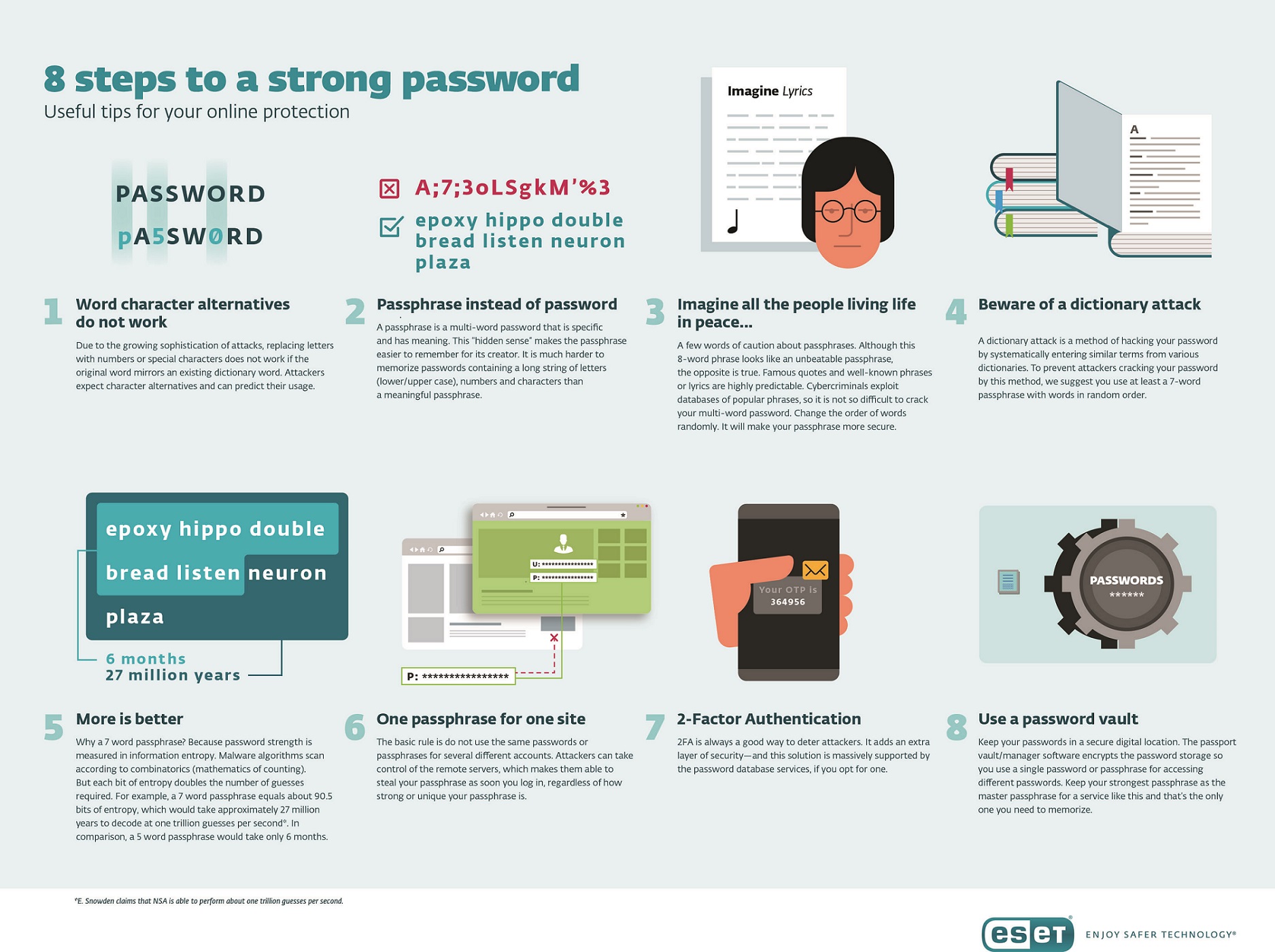
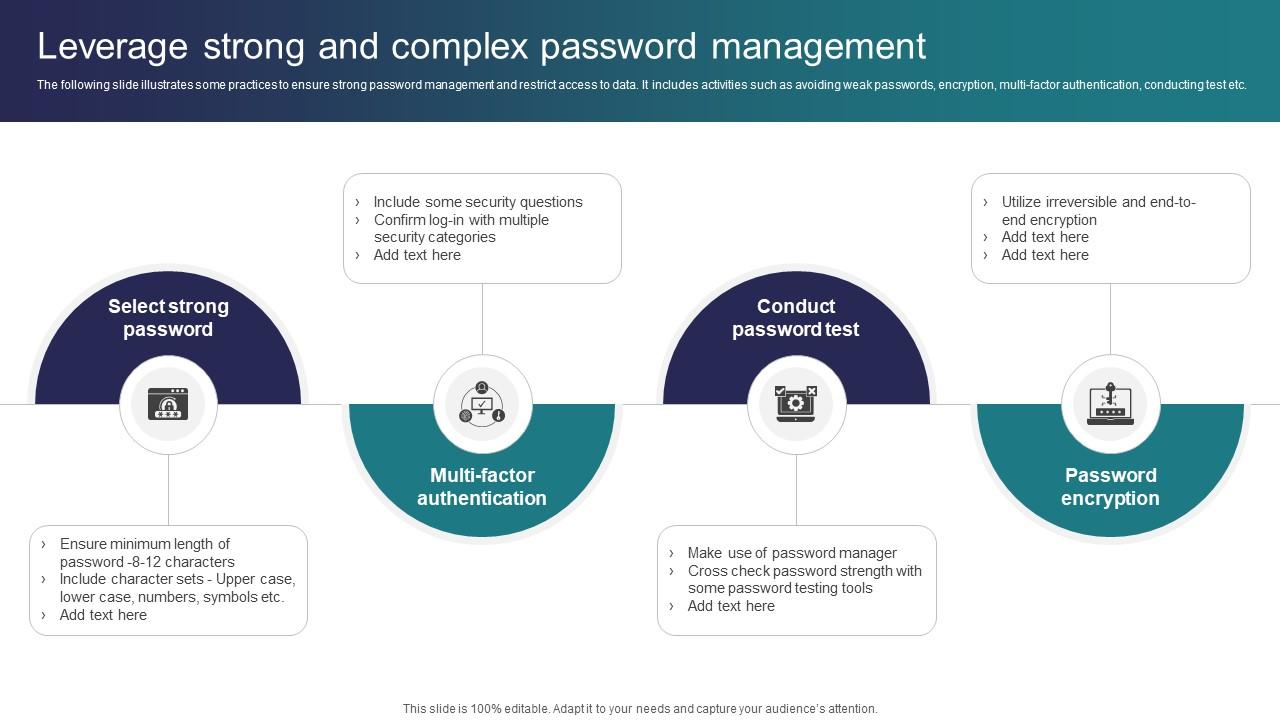
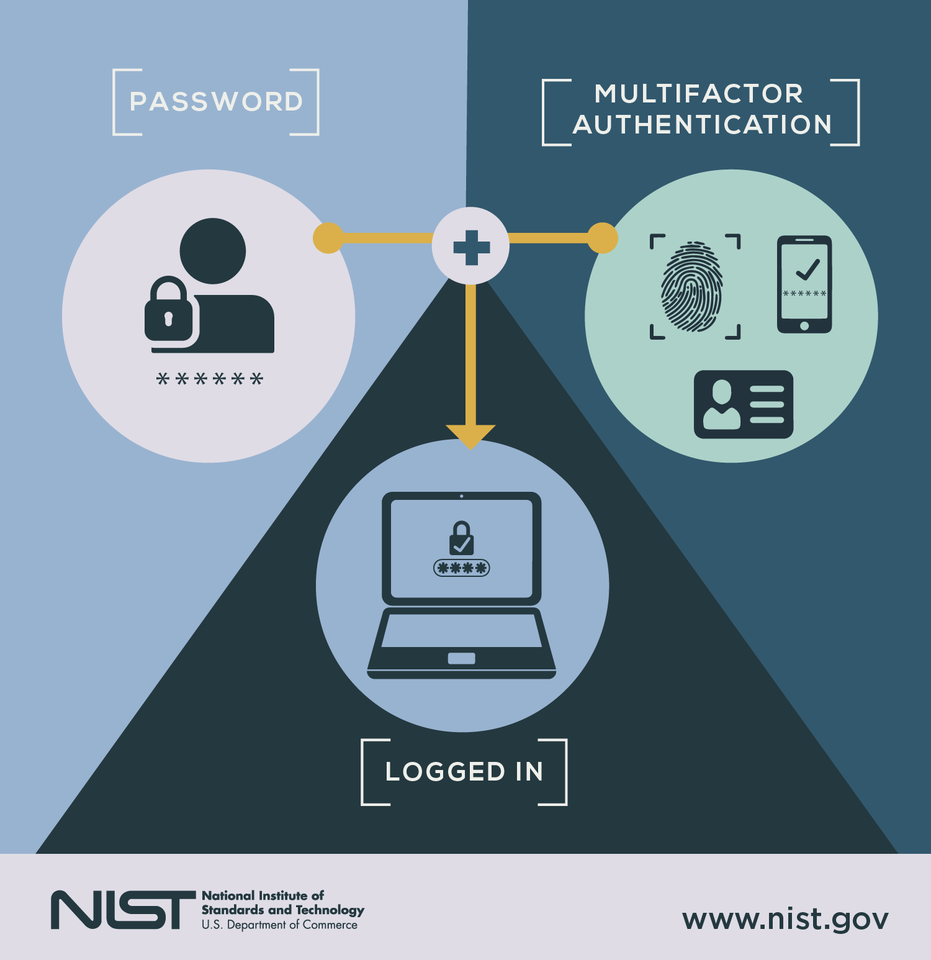
To protect sensitive data, it's crucial to implement password protection strategies that balance security and convenience. Here are some essential password management best practices to consider:- Implement Multi-Factor Authentication (MFA): MFA provides an extra layer of security that can help protect a user's account even if their password is compromised.
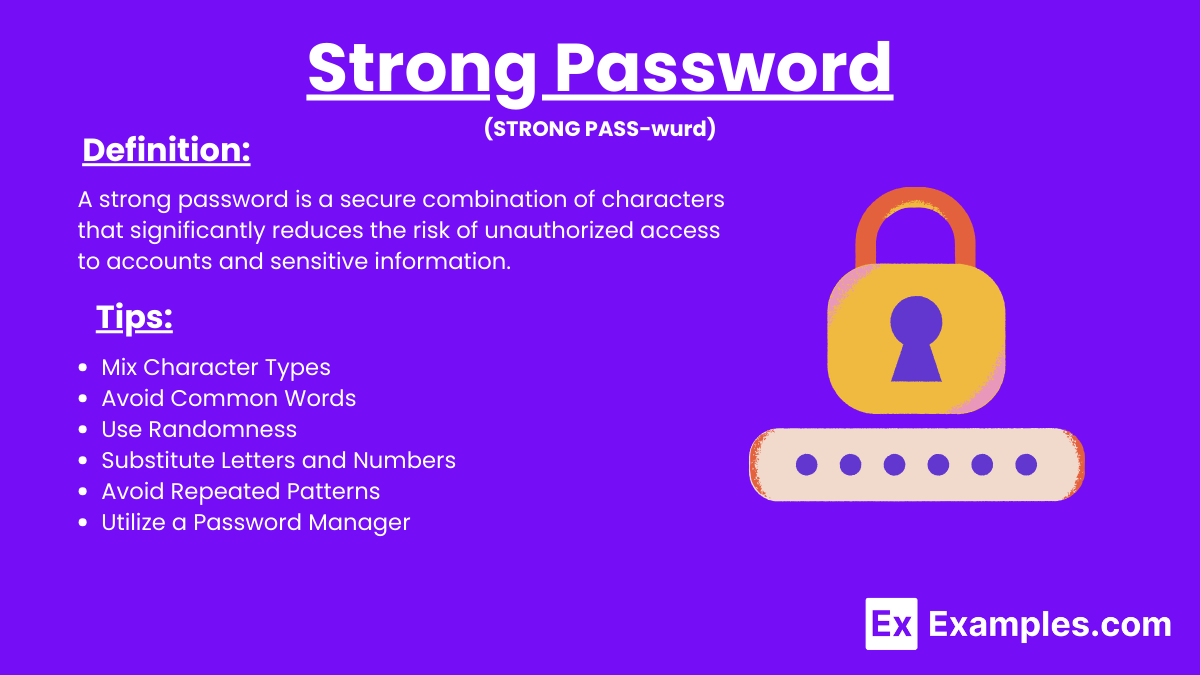
- Use a Password Manager: A password manager simplifies the login experience by securely logging into accounts and storing passwords securely.
- Use Strong Passwords: A strong password is the first line of defense against hackers. Use a combination of characters, numbers, and special characters to create a unique password.
- Change Passwords Regularly: Change passwords regularly to minimize the risk of password compromise.
- Use Unique Passwords: Use a unique password for each account to prevent password reuse.
- Enable Account Lockout Policies: Enable account lockout policies to lock out users after a specified number of failed login attempts.
- Regularly Update Password-Related Policies: Regularly update password-related policies to ensure they remain effective in securing sensitive data.
Best Practices for Implementing Effective Password Protections

- Regularly Conduct Security Audits: Regularly conduct security audits to identify vulnerabilities in password security.
- Use Enforced Password Policies: Use enforced password policies to ensure that users adhere to password security guidelines.
- Implement Password Hashing: Implement password hashing to store passwords securely.
- Use Two-Factor Authentication: Use two-factor authentication to provide an extra layer of security for users.
- Monitor Account Activity: Monitor account activity to detect suspicious activity and respond promptly to security incidents.