Job Search Strategies for People with a Strong Portfolio
Having a strong portfolio is a game-changer in the modern job market. It serves as a visual representation of your skills, experience, and achievements, making it an essential tool for job seekers. In this article, we'll explore the strategies that can help you leverage your portfolio to land your dream job.
Why a Strong Portfolio Matters
A strong portfolio is more than just a collection of your work; it's a strategic tool that sets you apart from the competition and helps you stand out to potential employers. According to a recent study, most recruiters spend only 2-5 minutes reviewing a portfolio, so it's crucial that yours is well-crafted and skimmable. A portfolio showcases your impact, creativity, and skills, giving you a competitive edge in the job search process.
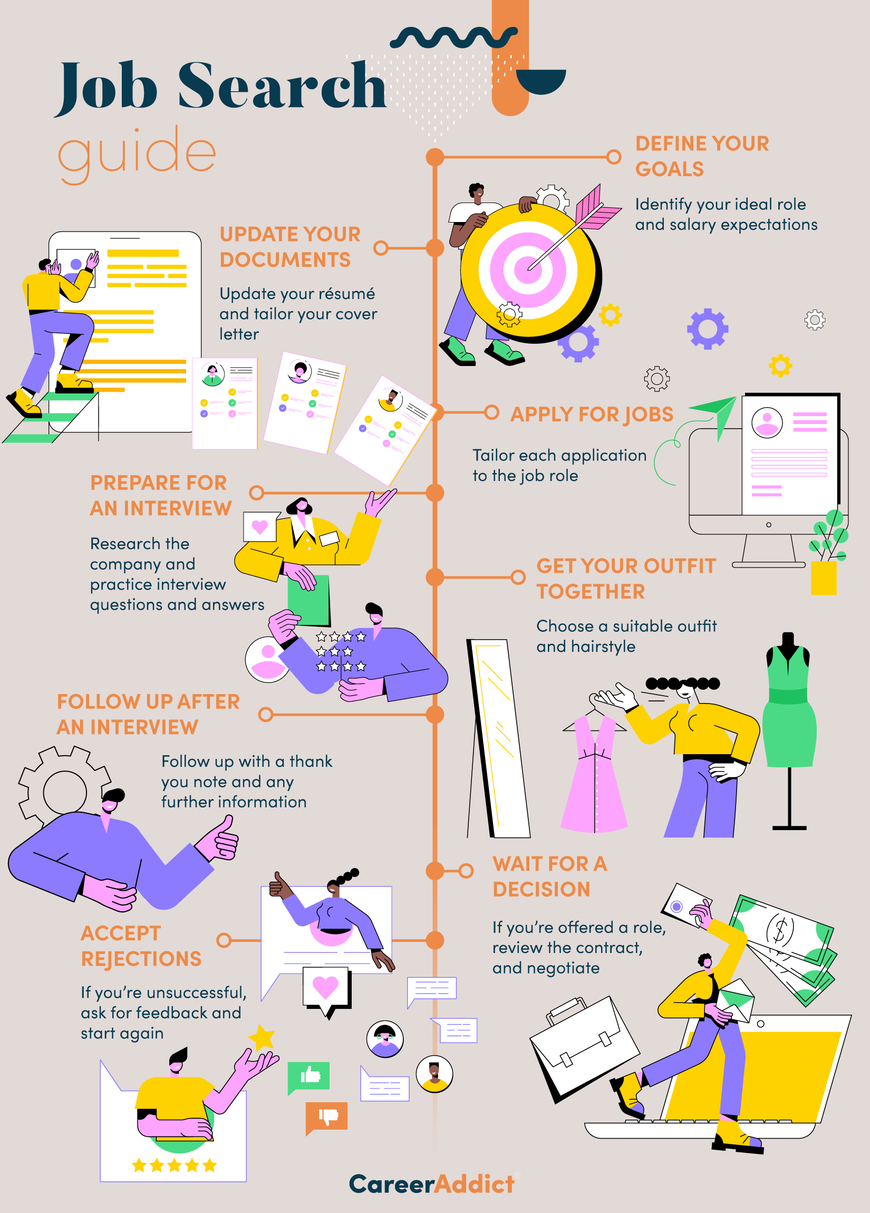
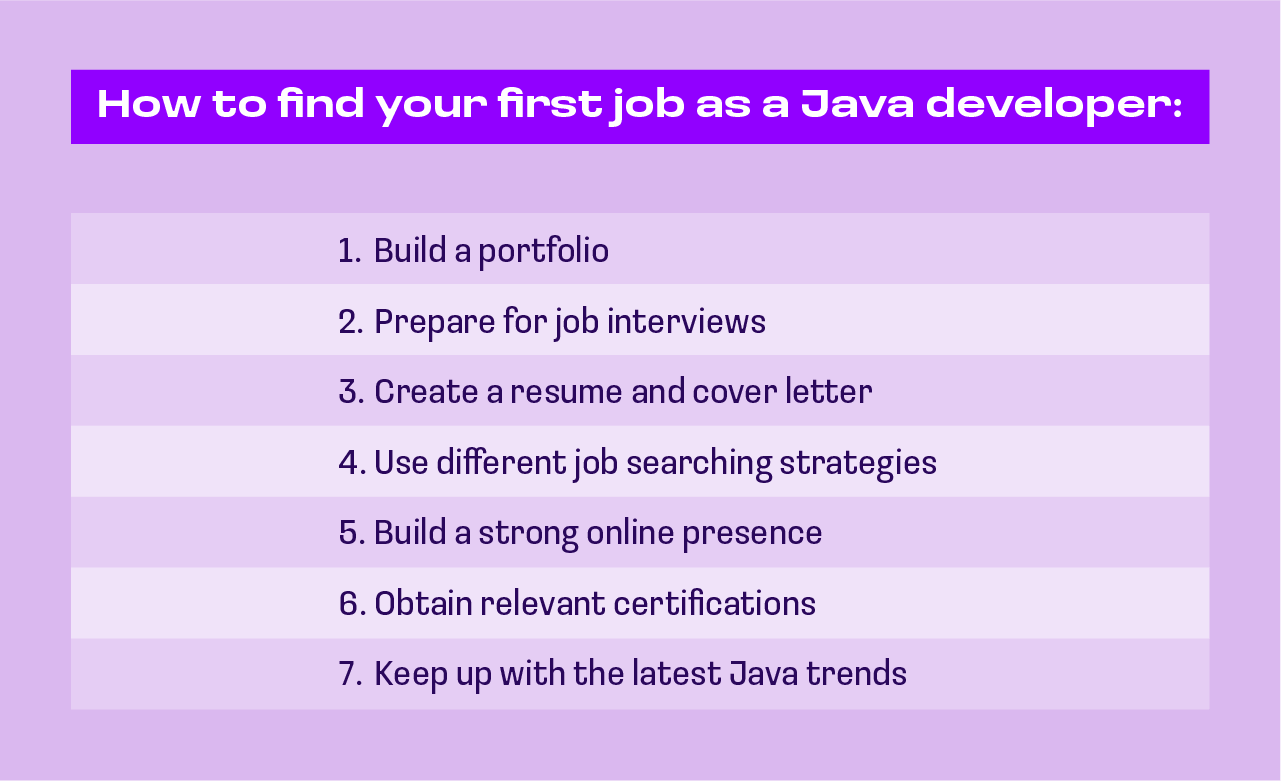
7 Advanced Steps to Turn Your Work into a Strategic Pitch
- Identify Your Goals**: Understand what you want to achieve with your job search and tailor your portfolio accordingly. What industry, role, or specific job are you targeting? Make sure your portfolio reflects your career aspirations.
- Curate Your Best Work**: Select only the most impressive and relevant projects that demonstrate your skills and expertise. Avoid including redundant or outdated work that doesn't add value to your profile.
- Customize Your Portfolio**: Create a visually consistent and well-designed portfolio that reflects your brand and professional image. Use a clear and concise layout, making it easy for recruiters to navigate and find the information they need.
- Use Storytelling Techniques**: Use narratives to describe your projects, highlighting your role, achievements, and impact. This will help recruiters get a deeper understanding of your skills and experience.
- Include Quantifiable Results**: Use numbers and data to demonstrate the impact of your work. This will help recruiters understand the value you can bring to their organization.
- Make it Accessible**: Ensure your portfolio is easily accessible on various devices and platforms, including your computer, phone, and tablet. Use high-quality images and ensure your portfolio is optimized for search engines.
- Continuously Update and Refine**: Regularly update your portfolio to reflect new skills, experiences, and achievements. This will show potential employers that you're proactive and committed to your career growth.

Best Practices for Creating a Digital Portfolio
When it comes to creating a digital portfolio, here are some additional strategies to keep in mind:
- Use AI Tools**: Utilize tools like Grammarly, Hemingway Editor, or ProWritingAid to improve the quality and clarity of your writing.
- Optimize for Search Engines**: Ensure your portfolio is optimized for search engines by using relevant keywords, meta descriptions, and optimizing images.
- Use High-Quality Images**: Use high-quality images, infographics, or videos to showcase your work and make it visually appealing.
- Keep it Concise**: Aim for a 2-3 page portfolio, maximum. Keep it concise, easy to read, and free of clutter.
- Use Clear Headings**: Use clear headings, subheadings, and bullet points to make your portfolio easy to scan and understand.
- Get Feedback**: Get feedback from peers, mentors, or even a professional coach to ensure your portfolio is effective and impactful.
Conclusion
Creating a strong portfolio is just the first step in your job search journey. By following these strategies, you'll be able to showcase your skills, experience, and achievements, making you a more competitive candidate in the modern job market. Remember to continuously update and refine your portfolio, and don't be afraid to experiment and try new things. With the right approach, your portfolio will be the key to unlocking your dream job.
.png?format=2500w "Job Seekers Guide: Best Strategies for a Successful Job Hunt ... - Forbes")