Learn the Art of Meditation: A Beginner's Guide
Meditation is a practice that has been around for thousands of years, originating from Hinduism and Buddhism. The main goal of meditation is to understand and focus on your mind, reaching a higher level of awareness and inner calm. While meditation is an ancient practice, scientists are still discovering its numerous benefits, from controlling emotions and enhancing concentration to reducing stress and promoting overall mental well-being.
What is Meditation? How to Meditate Properly
Meditation is not just a spiritual practice, but also a mental and physical discipline. It involves training your mind to focus on one thing, usually your breath, and let go of distractions. Through regular meditation practice, you can calm your mind, reduce stress, and increase your self-awareness. To get started, you need to learn the basics of meditation, including the different types of meditation techniques and how to incorporate them into your daily routine.
Benefits of Meditation
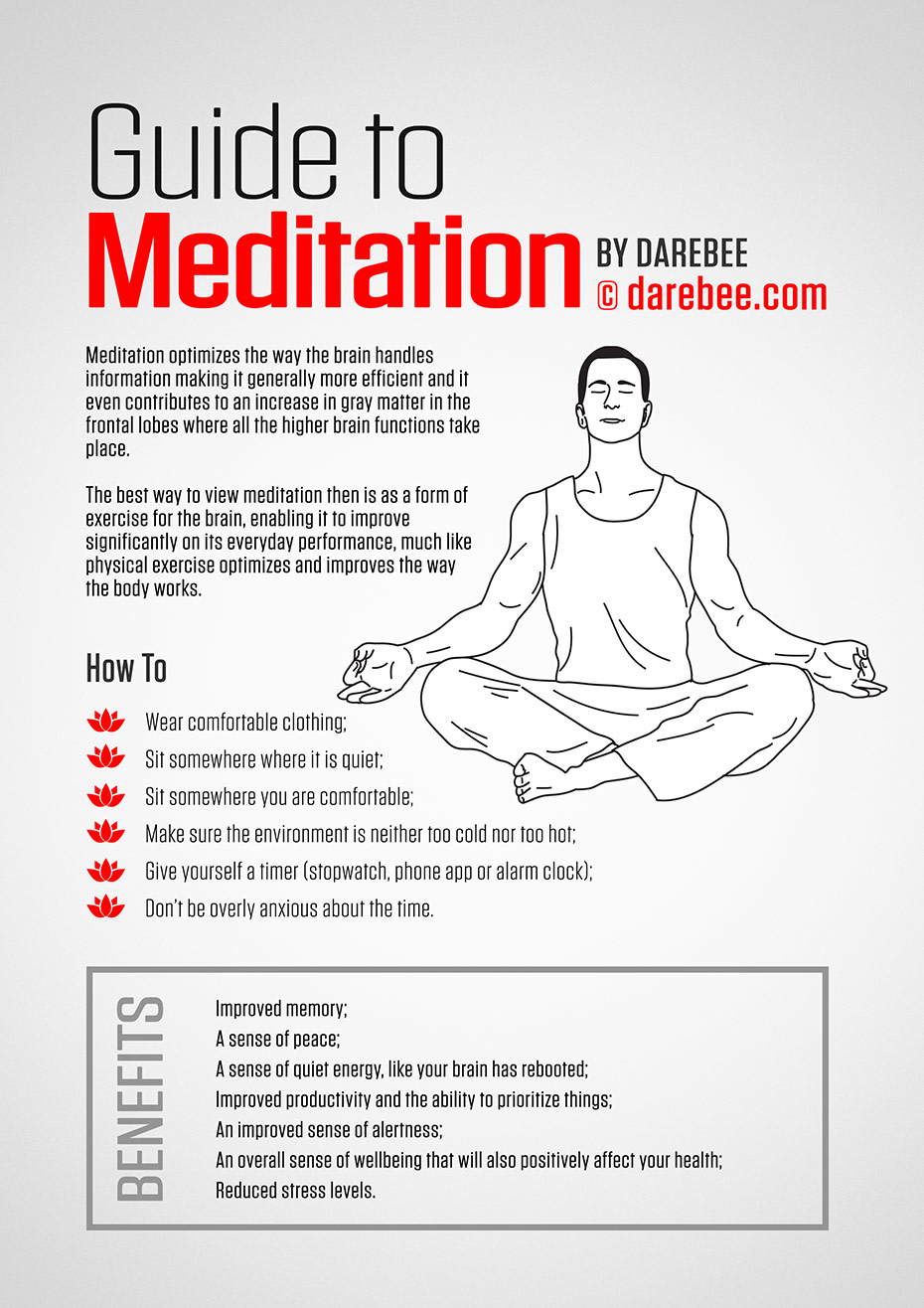
- Reduces stress and anxiety
- Improves concentration and focus
- Enhances mental clarity and awareness
- Improves emotional regulation
- Boosts self-esteem and confidence
- Improves sleep quality
- Supports weight loss
- Increases creativity and productivity
How to Start a Meditation Practice
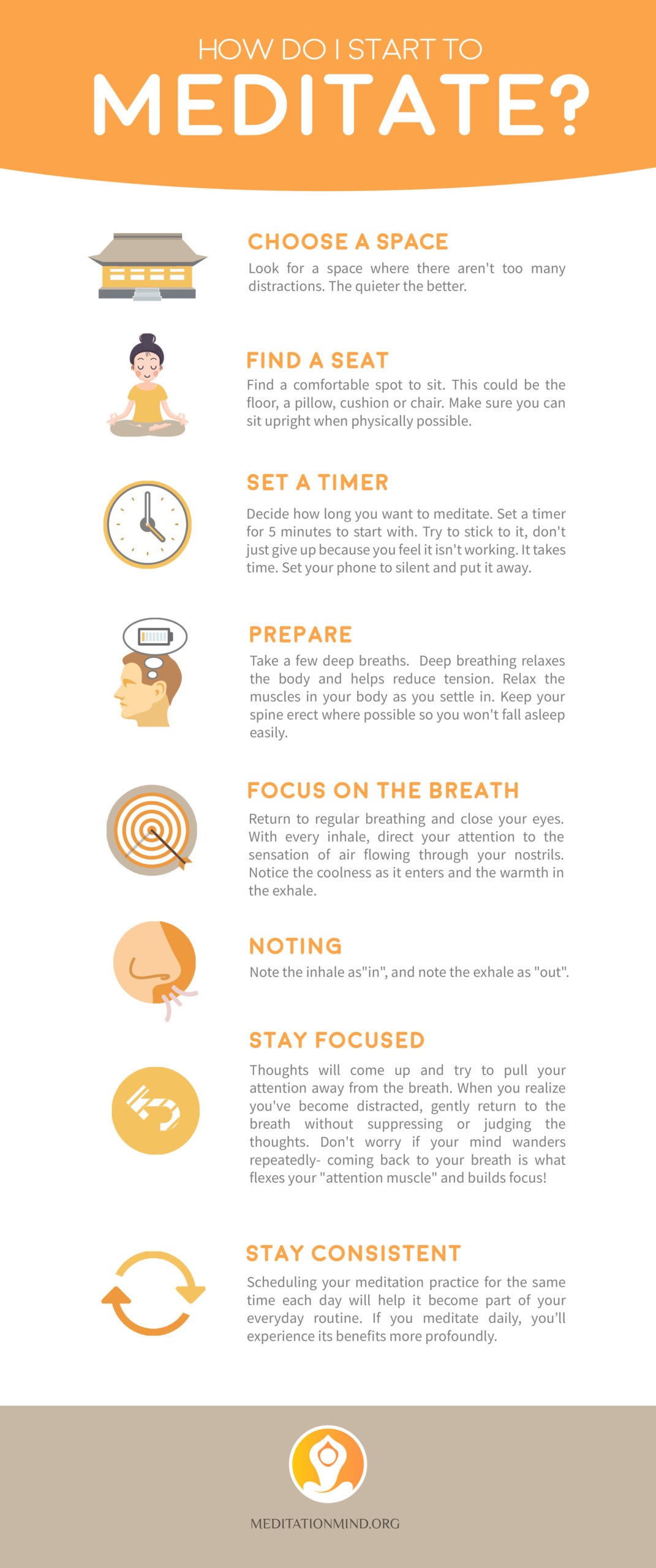
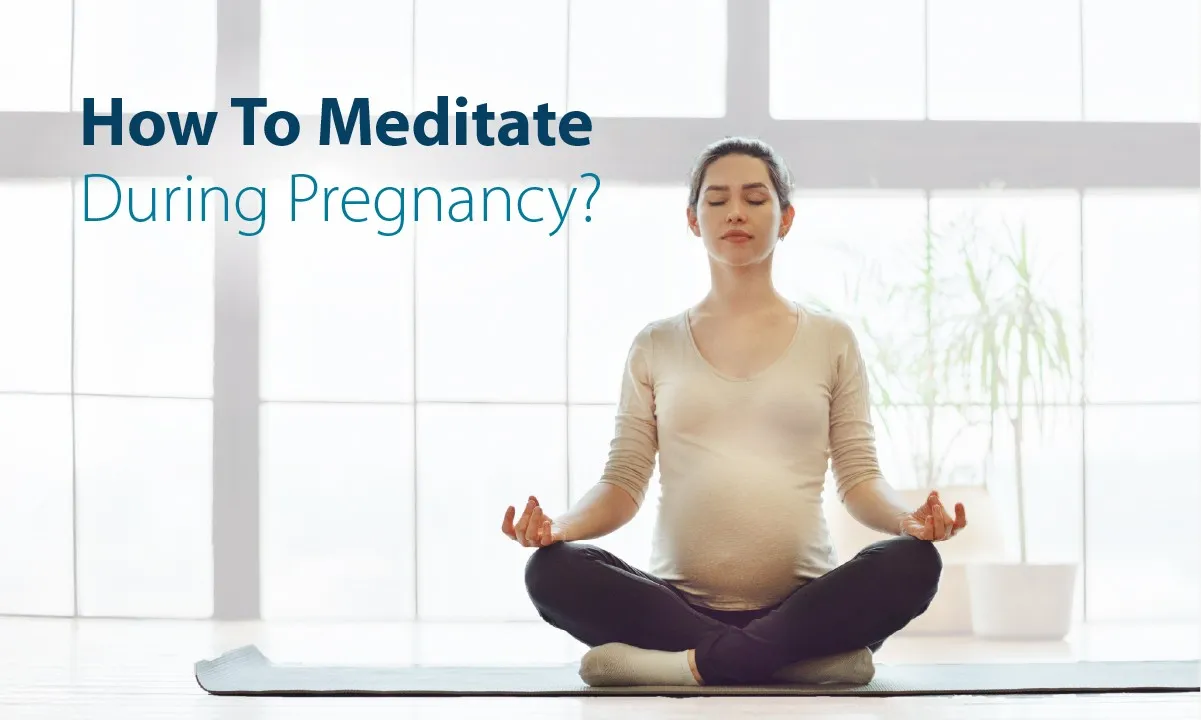
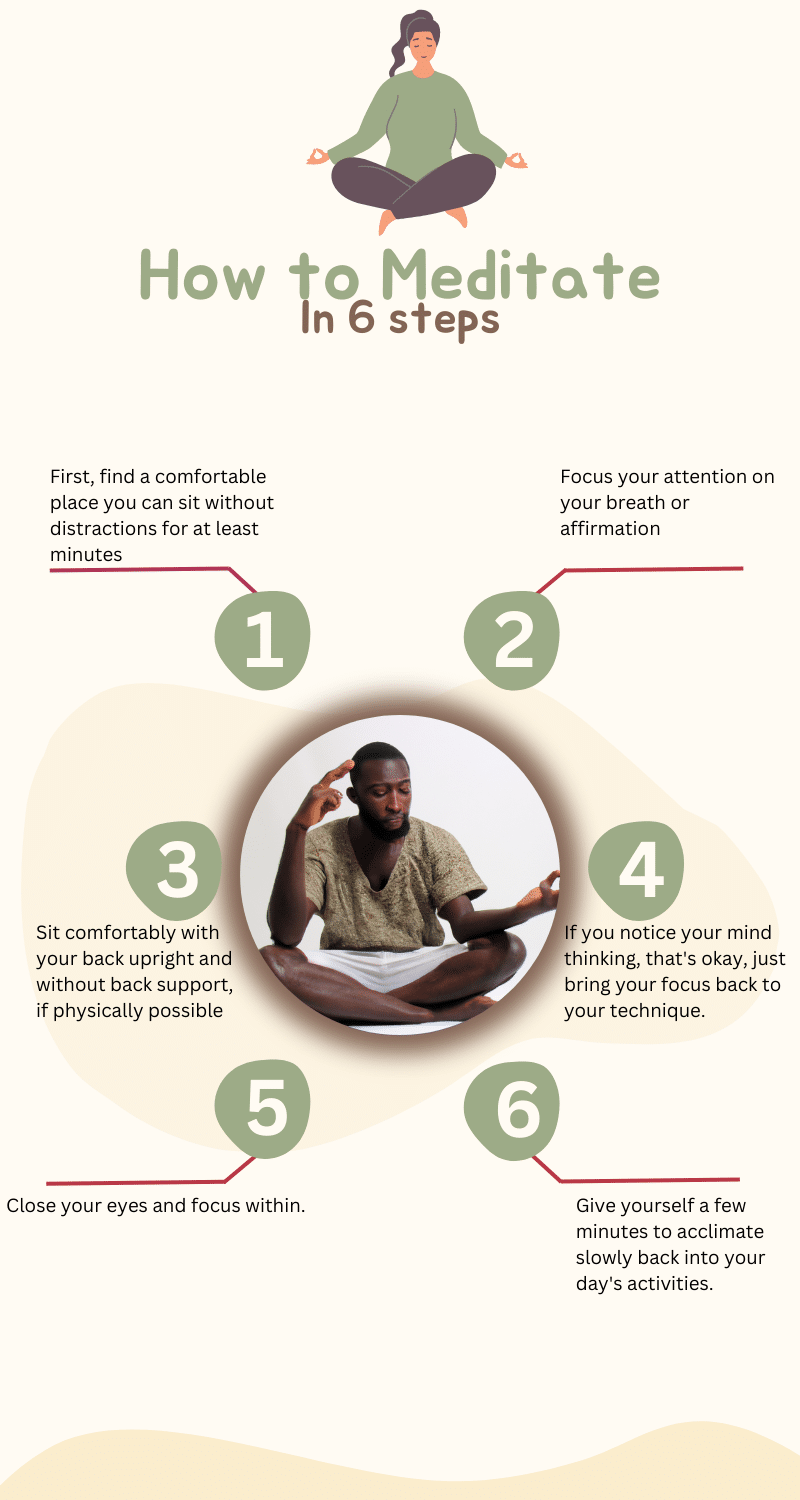
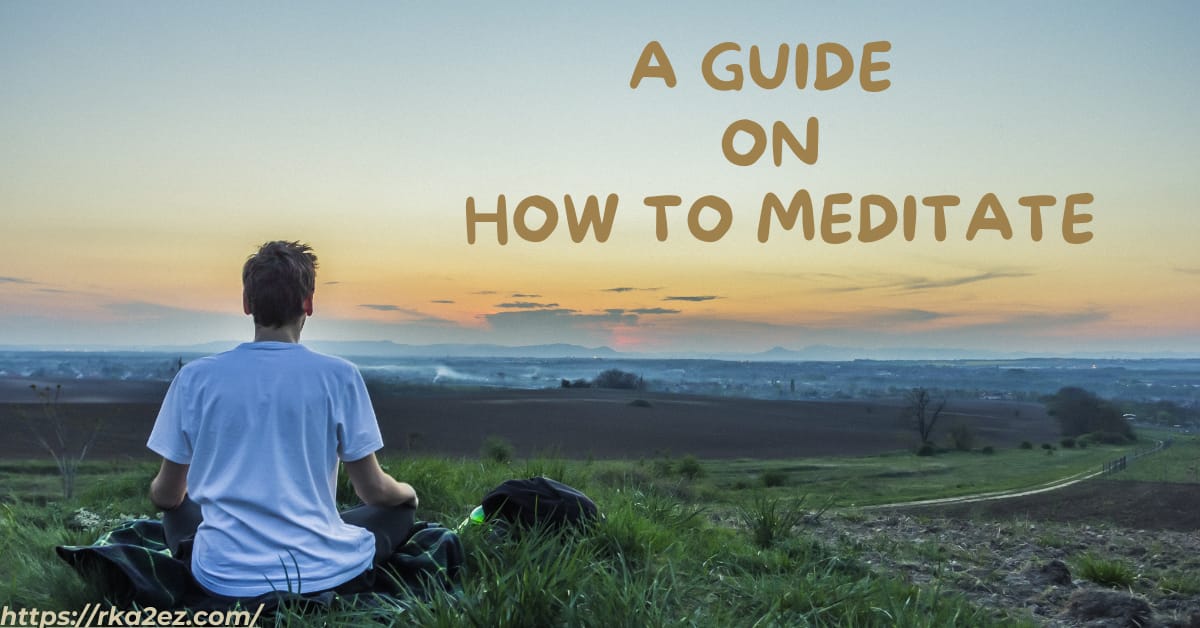
To start meditating, you need to create a peaceful and quiet environment. Find a comfortable seated position, either on a cushion on the floor or on a chair, with your back straight and your hands placed gently on your lap. Close your eyes and focus on your breath, feeling the sensation of the air entering and leaving your nostrils. When your mind wanders, gently bring it back to your breath without judgment. Start with short sessions, 5-10 minutes a day, and gradually increase the duration as you become more comfortable with the practice.
Types of Meditation
- Mindfulness meditation: focuses on the present moment
- Guided meditation: uses visualizations and sounds to lead you through a meditation
- Transcendental meditation: uses a mantra to quiet the mind
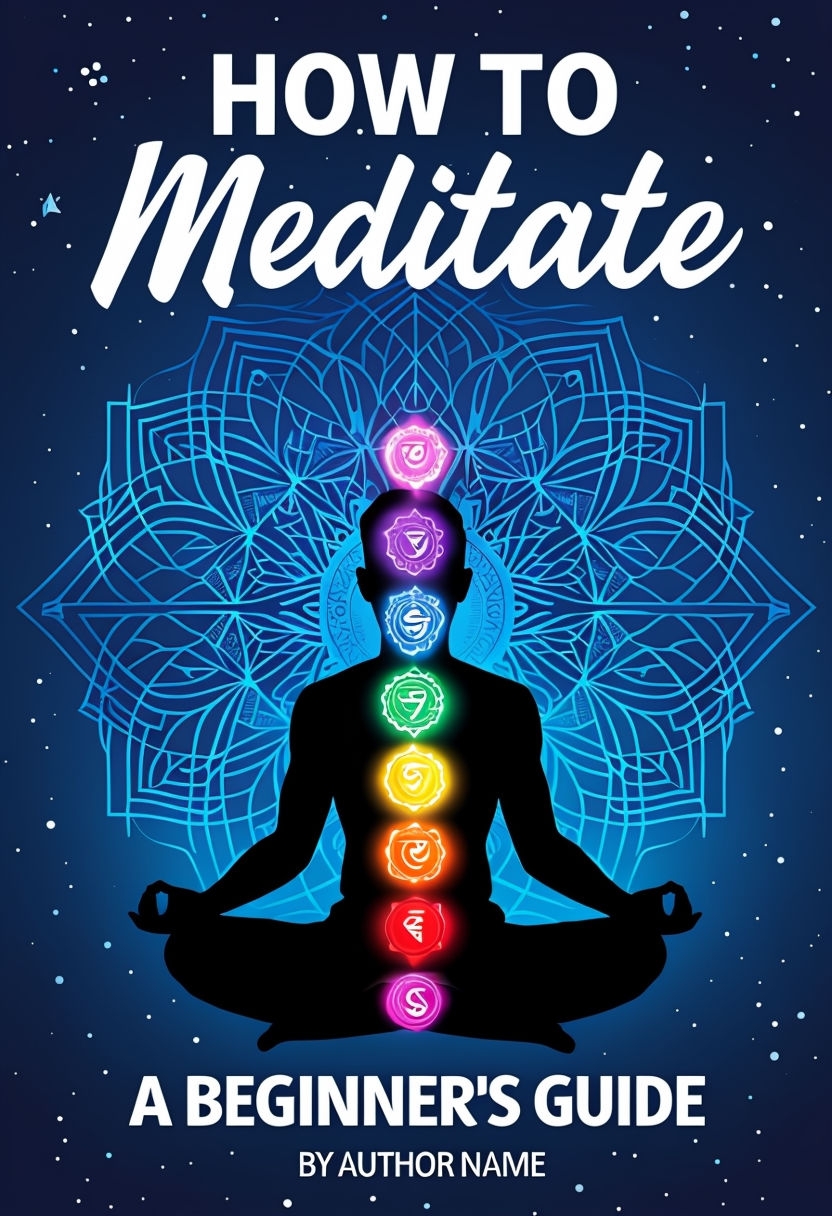
- Chakra meditation: focuses on the energy centers in the body
- Loving-kindness meditation: cultivates compassion and kindness
Tips for Successful Meditation
- Set aside a dedicated time for meditation
- Find a quiet and peaceful space
- Be consistent with your practice
- Start with short sessions and gradually increase the duration
- Be patient and gentle with yourself
- Experiment with different types of meditation
Conclusion
Meditation is a powerful tool for achieving a healthier and happier life. With regular practice, you can reduce stress, improve your focus and concentration, and cultivate a sense of inner peace. Start your meditation journey today by incorporating the tips and techniques outlined in this guide. With time and patience, you'll be able to adapt how to meditate to your needs and enjoy the numerous benefits of meditation.
Final Tips
- Be gentle with yourself and remember that meditation is a practice
- Experiment with different types of meditation to find what works best for you
- Make meditation a regular part of your daily routine
- Seek guidance from a qualified meditation teacher or app