Honey in Pregnancy Diet: A Comprehensive Guide
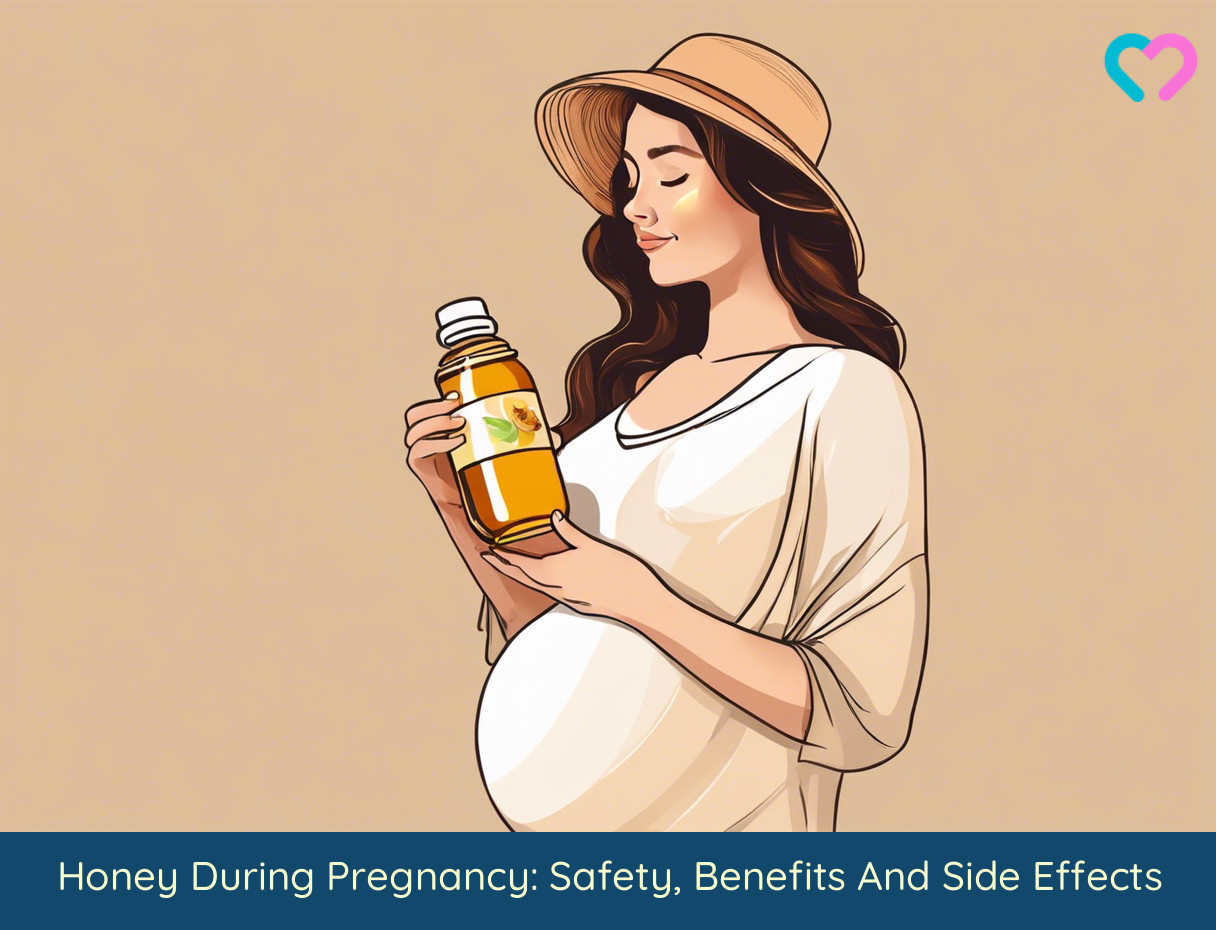
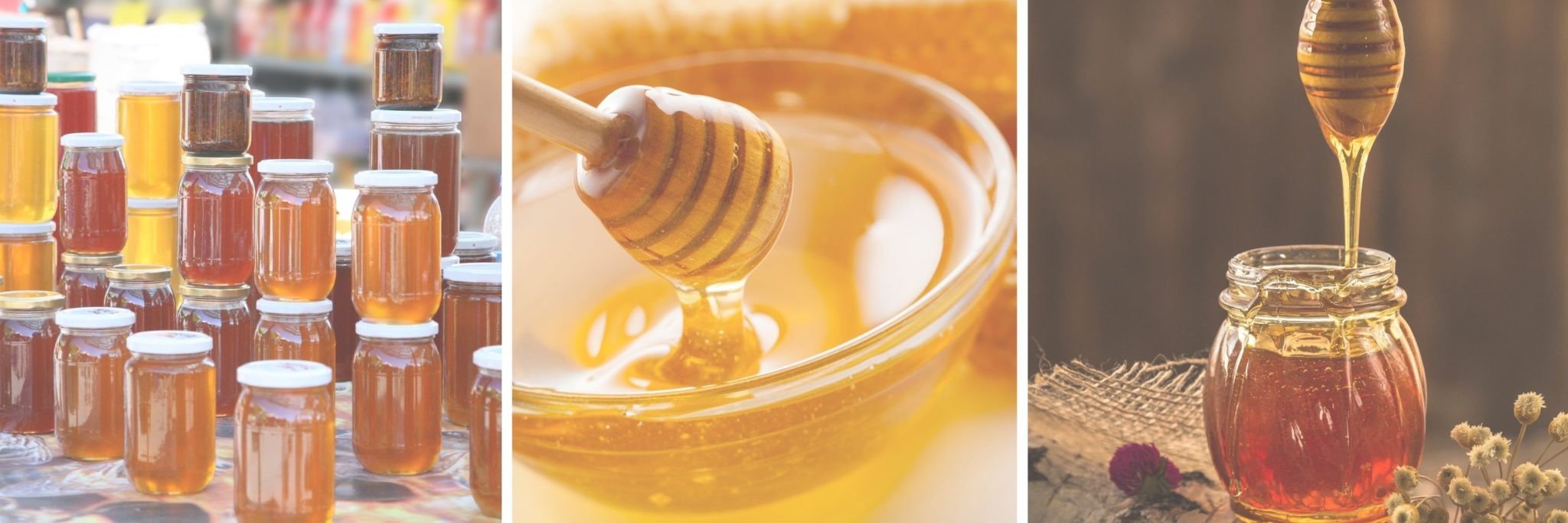
Honey is a sweet, viscous liquid that has been a part of human diet for thousands of years. It is produced by honeybees from the nectar of flowers and contains various minerals, vitamins, and antioxidants. Honey is not only a natural sweetener but also has antibacterial and antifungal properties. As a pregnant woman, you may be wondering if honey is safe to include in your diet.
Is Honey Safe During Pregnancy?
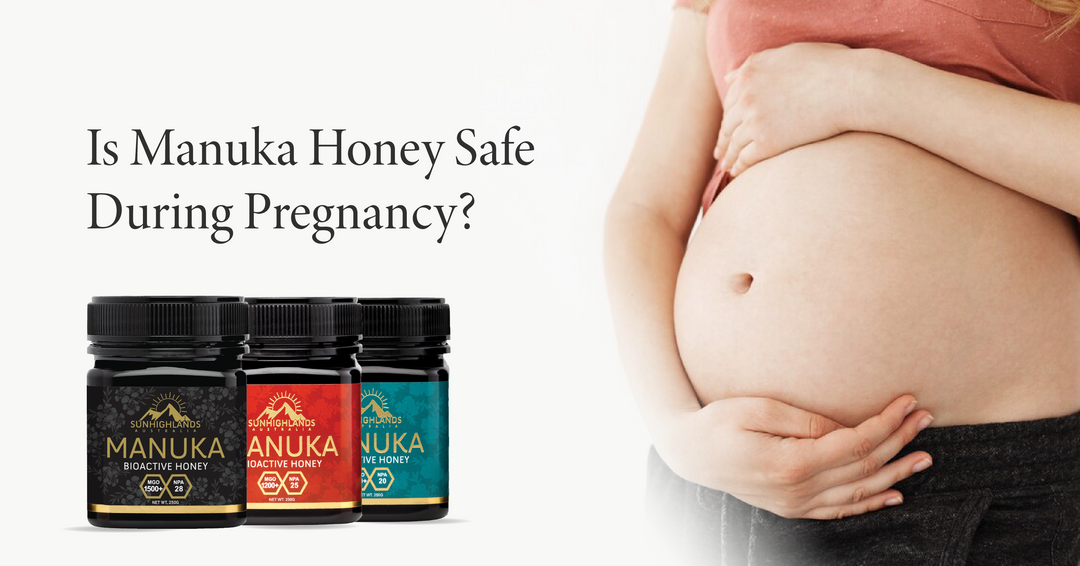
Generally, honey is safe to eat during pregnancy, but it's essential to take some precautions. Raw honey can contain spores of Clostridium botulinum, a bacteria that can cause botulism. Botulism is a rare but serious illness that can affect pregnant women, especially those in the third trimester. Pasteurized honey, on the other hand, has been heat-treated to kill any bacteria and spores, making it safe for consumption.
Benefits of Honey During Pregnancy
Honey is a natural source of energy and antioxidants, which can be beneficial for pregnant women. Here are some potential benefits:
Sothes a sore throat: Honey has antibacterial and anti-inflammatory properties that can help soothe a sore throat, a common issue during pregnancy.
Aids digestion: Honey has been used to treat various digestive issues, including constipation, which is a common problem during pregnancy.
Supports immune function: Honey contains various minerals and vitamins, including iron, zinc, and calcium, which are essential for immune function.
Helps with sleep: Honey has been shown to improve sleep quality, which is crucial during pregnancy.
Reduces stress and anxiety: Honey has a calming effect on the mind and body, reducing stress and anxiety, which are common issues during pregnancy.
Risks of Honey Consumption During Pregnancy
While honey is generally safe, there are some potential risks to consider:
Botulism: Raw honey can contain spores of Clostridium botulinum, which can cause botulism, a rare but serious illness.
High sugar content: Honey is high in sugar, which can lead to excessive weight gain and gestational diabetes.
Interference with gut bacteria: Honey can interfere with the balance of gut bacteria, which is essential for a healthy immune system.
Safe Practices for Honey Consumption During Pregnancy

To enjoy the benefits of honey safely during pregnancy, follow these guidelines:
Choose pasteurized honey: Pasteurization kills any bacteria and spores, making it safe for consumption.
Consume in moderation: Honey is high in sugar, so consume it in moderation to avoid excessive sugar intake.
Avoid raw honey: Raw honey can contain spores of Clostridium botulinum, which can cause botulism.
Use in moderation: Avoid using honey as the primary source of sugar in your diet. Instead, use it as a natural sweetener or in moderation.
Conclusion
Honey can be a delicious and beneficial addition to your pregnancy diet when consumed responsibly. Its natural sweetness, combined with health benefits, makes it a preferable choice over processed sugars and artificial sweeteners. To enjoy the benefits of honey safely during pregnancy, choose pasteurized honey, consume in moderation, avoid raw honey, and use it as a natural sweetener or in moderation.
Recommended Daily Intake
The recommended daily intake of honey during pregnancy is 1-2 tablespoons per day. This moderate intake allows pregnant women to enjoy the benefits of honey while staying within the daily sugar limits recommended during the first trimester.
Frequently Asked Questions
Is honey safe during pregnancy? Generally, yes, but it's essential to take some precautions. Raw honey can contain spores of Clostridium botulinum, while pasteurized honey is safe for consumption.
What are the benefits of honey during pregnancy? Honey can help soothe a sore throat, aid digestion, support immune function, improve sleep quality, and reduce stress and anxiety.
What are the risks of honey consumption during pregnancy? Honey can cause botulism, high sugar content, and interference with gut bacteria.