Digital Hygiene: Keeping Your Online Life Healthy and Safe
Digital hygiene refers to the practices that keep your online presence clean, safe, and protected. In today's digital age, it's more crucial than ever to maintain good digital hygiene to safeguard your online identity, devices, and data from cyber threats. In this article, we'll explore the significance of digital hygiene, why it matters, and provide you with 8 tips to improve your digital hygiene habits.
What is Digital Hygiene?
Digital hygiene is a set of practices and habits that help individuals maintain the health, security, and overall well-being of their digital lives. It's the equivalent of personal hygiene, where you take care of your physical health by washing your hands, brushing your teeth, and taking regular showers. Similarly, digital hygiene involves taking care of your online presence by following certain best practices to stay safe and secure.
Why is Digital Hygiene Important?
The importance of digital hygiene cannot be overstated. In today's digital age, our personal and professional lives are deeply intertwined with the internet. A single security lapse can expose our sensitive information, making rigorous digital hygiene strategies essential across different identities. Consider the following statistics:
- 93% of data breaches involve human error (Source: IBM)
- 62% of users reuse the same password across multiple accounts (Source: LastPass)
- 45% of cybersecurity breaches are caused by phishing attacks (Source: Verizon Data Breach Investigations Report)
These statistics highlight the need for better digital hygiene practices to prevent these incidents.
8 Tips to Improve Your Digital Hygiene
Here are 8 simple yet effective tips to improve your digital hygiene:
- Use strong and unique passwords**: Use a password manager to generate and store complex passwords for all your accounts. Avoid reusing passwords across multiple accounts.
- Update your software regularly**: Keep your operating system, browser, and other software up-to-date to patch security vulnerabilities.
- Be cautious of suspicious links and emails**: Verify the authenticity of emails and links before clicking on them. Be wary of phishing attempts that ask for sensitive information.
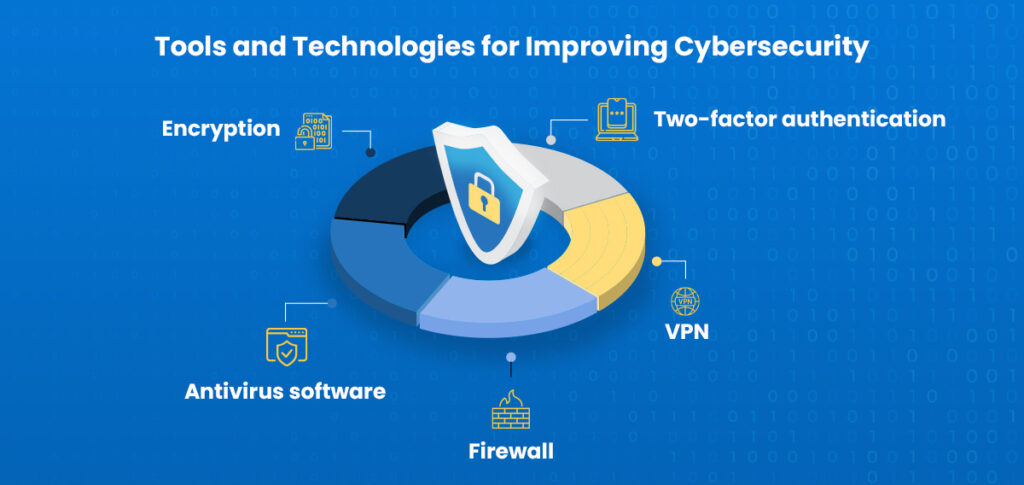
- Use multi-factor authentication**: Enable two-factor authentication (2FA) whenever possible to add an extra layer of security to your accounts.
- Use a VPN**: A virtual private network (VPN) encrypts your internet traffic, protecting your data from interception and eavesdropping.
- Monitor your accounts and credit report**: Regularly check your bank and credit card statements for any suspicious activity, and monitor your credit report for any errors or signs of identity theft.
- Secure your devices**: Use full-disk encryption, disable Bluetooth and Wi-Fi when not in use, and keep your devices up-to-date with the latest security patches.
- Back up your data regularly**: Regularly back up your important data to avoid losing it in case of a security breach or device failure.
Conclusion
Digital hygiene is a crucial aspect of our online lives, and it's essential to treat it with the same importance as personal hygiene. By following these 8 tips, you can significantly improve your digital hygiene habits and protect yourself from cyber threats. Remember, digital hygiene is not a one-time task, but an ongoing process that requires regular practice and attention. Stay safe online by adopting these simple habits and maintaining a healthy digital hygiene routine.