Getting a Job in a Digital Project Management Industry: A Comprehensive Guide
The digital project management industry has been growing rapidly in recent years, with more and more companies realizing the importance of effective project management in achieving their business goals. If you're interested in pursuing a career in this field, you're in luck! Here's a comprehensive guide on getting a job in a digital project management industry.
What is a Digital Project Manager?
A digital project manager is responsible for overseeing a project from start to finish, ensuring it is completed on time, within budget, and to the satisfaction of the stakeholders. They coordinate the work of team members, manage resources, and make strategic decisions to ensure the project's success.
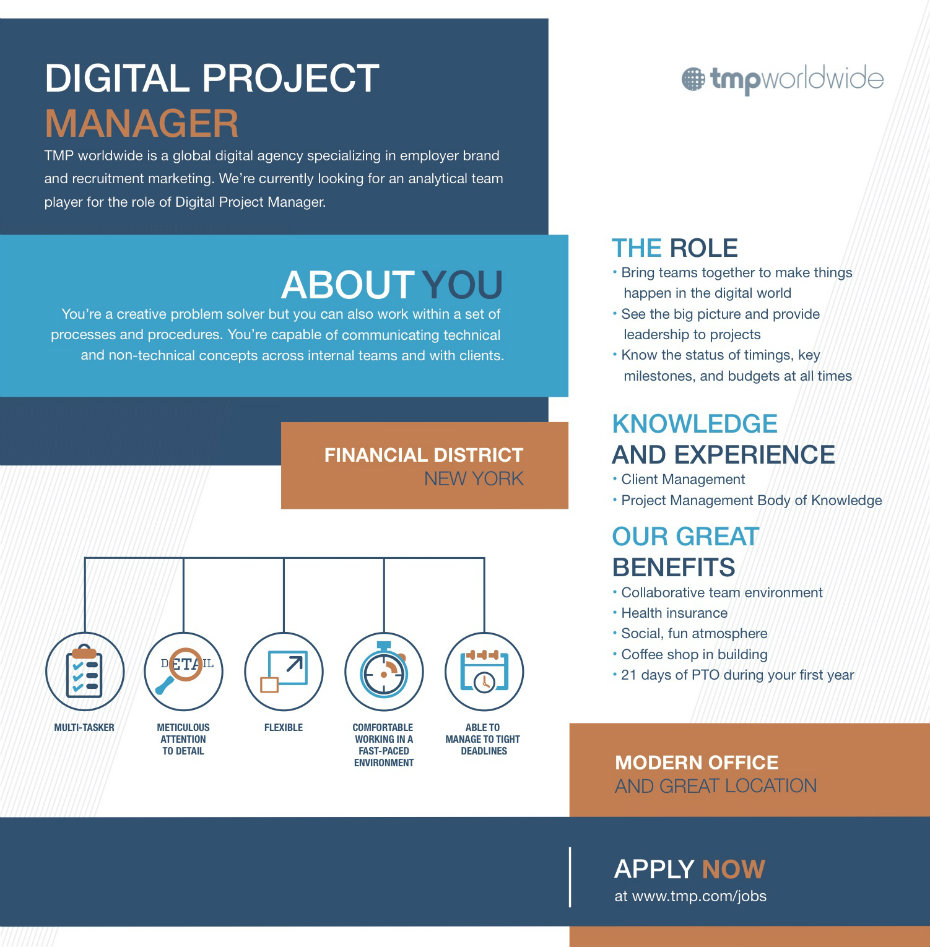
Key Skills Required for a Digital Project Manager
- Communication skills**: The ability to communicate effectively with team members, stakeholders, and clients is crucial for a digital project manager.
- Organizational skills**: Strong organizational skills are necessary to manage multiple priorities and deadlines.
- Technical skills**: Familiarity with project management software such as Asana, Trello, or Microsoft Project is essential.
- Leadership skills**: The ability to lead and motivate team members is critical to the success of a digital project manager.
- Problem-solving skills**: Strong problem-solving skills are necessary to identify and resolve issues that may arise during the project.
How to Get Started as a Digital Project Manager
Here are some steps you can take to get started as a digital project manager:
- Gain relevant experience**: Get some experience in a related field, such as digital marketing or web development.
- Build a strong foundation in project management**: Take courses or get certified in project management, such as the Project Management Professional (PMP) certification.
- Develop digital and project management skills**: Identify and build digital and project management skills, such as communication, organizational, technical, leadership, and problem-solving skills.
- Research peers' careers and network**: Research peers' careers and network to learn more about the industry and make connections.
- Take on project management duties**: Take on project management duties before applying for a manager role.
Job Opportunities in Digital Project Management

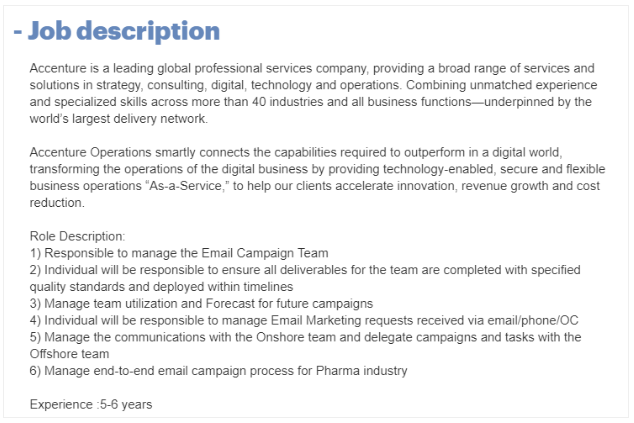
There are many job opportunities available in digital project management, including:
- Junior Digital Project Manager**: Assist senior project managers with project coordination and execution.
- Senior Digital Project Manager**: Oversee multiple projects and lead teams to achieve project goals.
- Project Manager**: Manage projects from start to finish, ensuring they are completed on time, within budget, and to the satisfaction of the stakeholders.
Salary Range for Digital Project Managers
The salary range for digital project managers varies depending on experience, location, and industry. According to Indeed, the average salary for a digital project manager in the United States is around $80,000 per year. However, salaries can range from $60,000 to over $120,000 per year, depending on the individual's experience and qualifications.
Final Thoughts
Getting a job in a digital project management industry requires a strong foundation in project management, technical skills, and leadership skills. With the right experience, education, and training, you can pursue a rewarding career in this field. Remember to stay up-to-date with industry trends and best practices to remain competitive in the job market.
Resources
Here are some resources to help you get started as a digital project manager:
- Project Management Institute (PMI) Certification**: Gain knowledge and skills in project management with the PMI Certification.
- Asana or similar project management software**: Familiarize yourself with project management software such as Asana or Trello.
- Career readiness is key**: Develop a strong foundation in project management and digital skills to ensure a successful career.
- Industry reports and research**: Stay up-to-date with industry trends and best practices by reading industry reports and research.




:max_bytes(150000):strip_icc()/essential-project-manager-skills-2062461-final-300a73f3c77545a89641cc2e17a54bb5.png "10 Essential IT Certifications for 2026 - Coursera")