Breaking into the Exciting World of Cognitive Psychology: A Comprehensive Guide
Are you fascinated by the intricacies of the human mind and eager to contribute to the field of psychology through research and applied practice? Then, a career in cognitive psychology might be the perfect fit for you. In this article, we'll delve into the ins and outs of getting a job in the cognitive psychology industry, exploring the various career options, required skills, and educational paths.
Understanding Cognitive Psychology
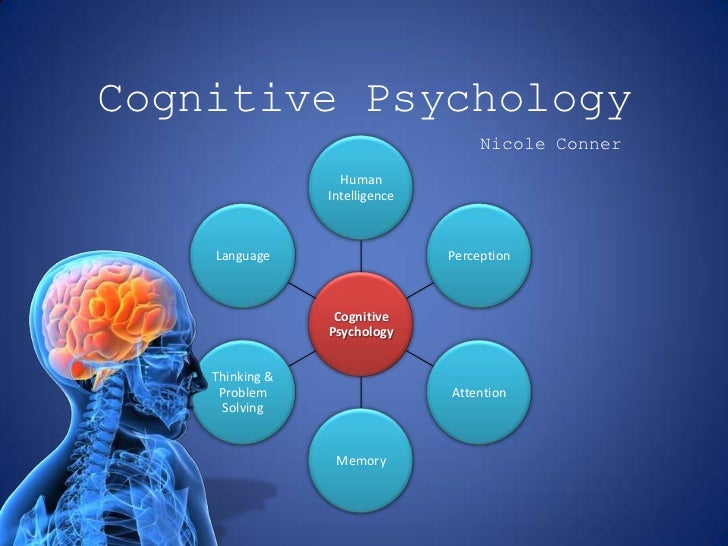
Cognitive psychology is a branch of psychology that studies mental processes such as attention, memory, and problem-solving. It aims to understand how individuals acquire, process, and store information, and how they use this knowledge to navigate their environment. Cognitive psychologists investigate the brain's functions to help individuals deal with cognitive dysfunctions related to brain injury, old age, or developmental issues.
Getting a Job in Cognitive Psychology: Career Options
There are various careers in cognitive psychology, including:
- Research Specialist: Conduct research in areas such as language development, memory, decision-making, and learning.
- Cognitive Behavioral Therapist: Helps individuals manage mental health conditions like anxiety, depression, and trauma.
- Neuropsychologist: Works with patients with brain injuries or disorders, assessing and rehabilitating cognitive functions.
- Human Factors Specialist: Improves the design of products and environments to minimize cognitive errors and maximize user experience.
- UX Designer: Applies cognitive psychology principles to create user-centered designs for websites, apps, and other digital products.
Education and Qualifications
To pursue a career in cognitive psychology, you typically need a graduate degree in psychology. A bachelor's degree in psychology is a good starting point, but a master's or doctoral degree is often required for research, teaching, or clinical positions. Employers also look for skills like analytical thinking, attention to detail, and strong research skills.
Salary and Job Outlook
The average annual salary for cognitive psychologists in the United States is around $92,813. The job outlook is promising, with a growing demand for cognitive psychologists in various settings, including universities, hospitals, corporations, and private practice.
Getting Started
Ready to embark on a career in cognitive psychology? Here are some steps to help you get started:
- Gain a solid understanding of cognitive psychology principles and theories through coursework and research.
- Develop strong analytical and research skills to excel in research and applied settings.
- Network with professionals in the field and attend conferences to stay updated on the latest developments.
- Consider pursuing a graduate degree in psychology or a related field to advance your career.
Conclusion
Careers in cognitive psychology offer a unique blend of research, practical application, and personal fulfillment. With a growing demand for cognitive psychologists, this field is an exciting and promising career path. By understanding the ins and outs of cognitive psychology, you can navigate the various career options, required skills, and educational paths to land a job in the cognitive psychology industry.





![Becoming a Cognitive Psychologist [2026 Guide] - Careers, Duties and ...](https://wiseacademy.uk/wp-content/uploads/2024/09/Psychology.png "Becoming a Cognitive Psychologist [2026 Guide] - Careers, Duties and ...")