Email Account Hacking Prevention: Understanding the Risks and Taking Action
With the rise of cyber threats, protecting your email account has become more crucial than ever. Email account hacking prevention is essential to safeguard your personal and professional information from falling into the wrong hands. In this article, we will delve into the world of email account hacking, explore the risks, and provide actionable tips to prevent email account hacks.
Why Email Accounts are Vulnerable to Hacking
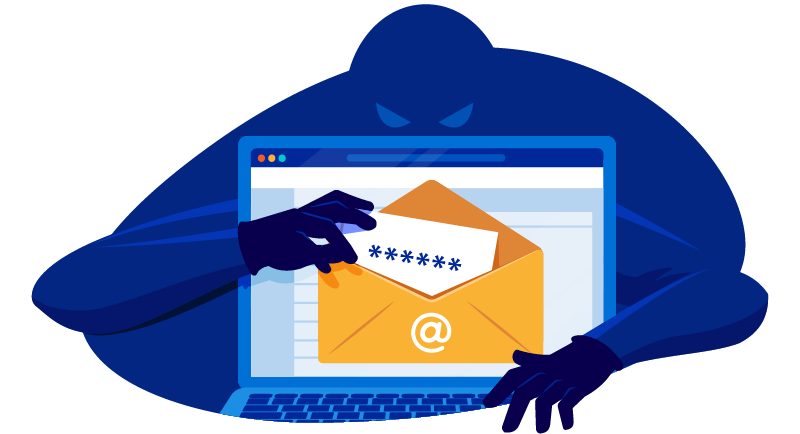
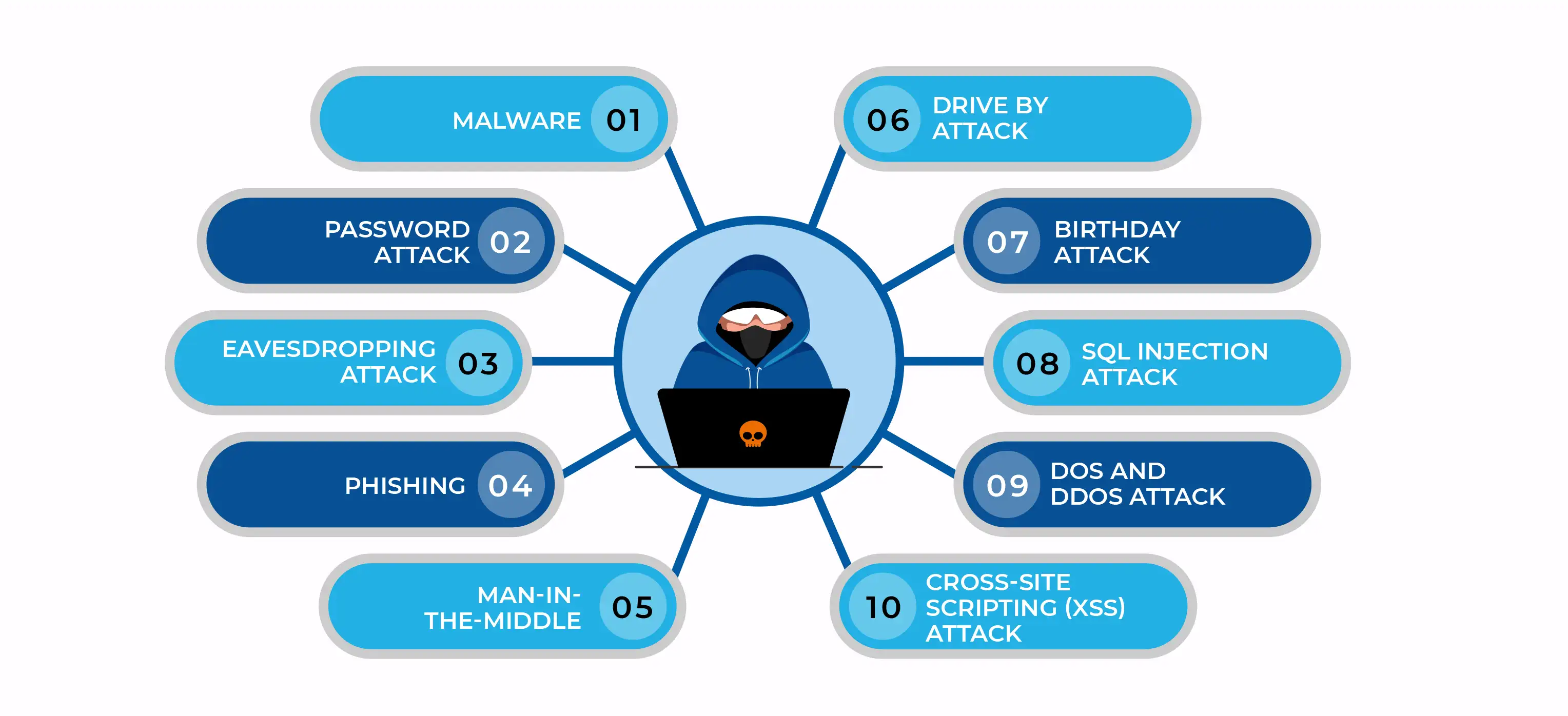
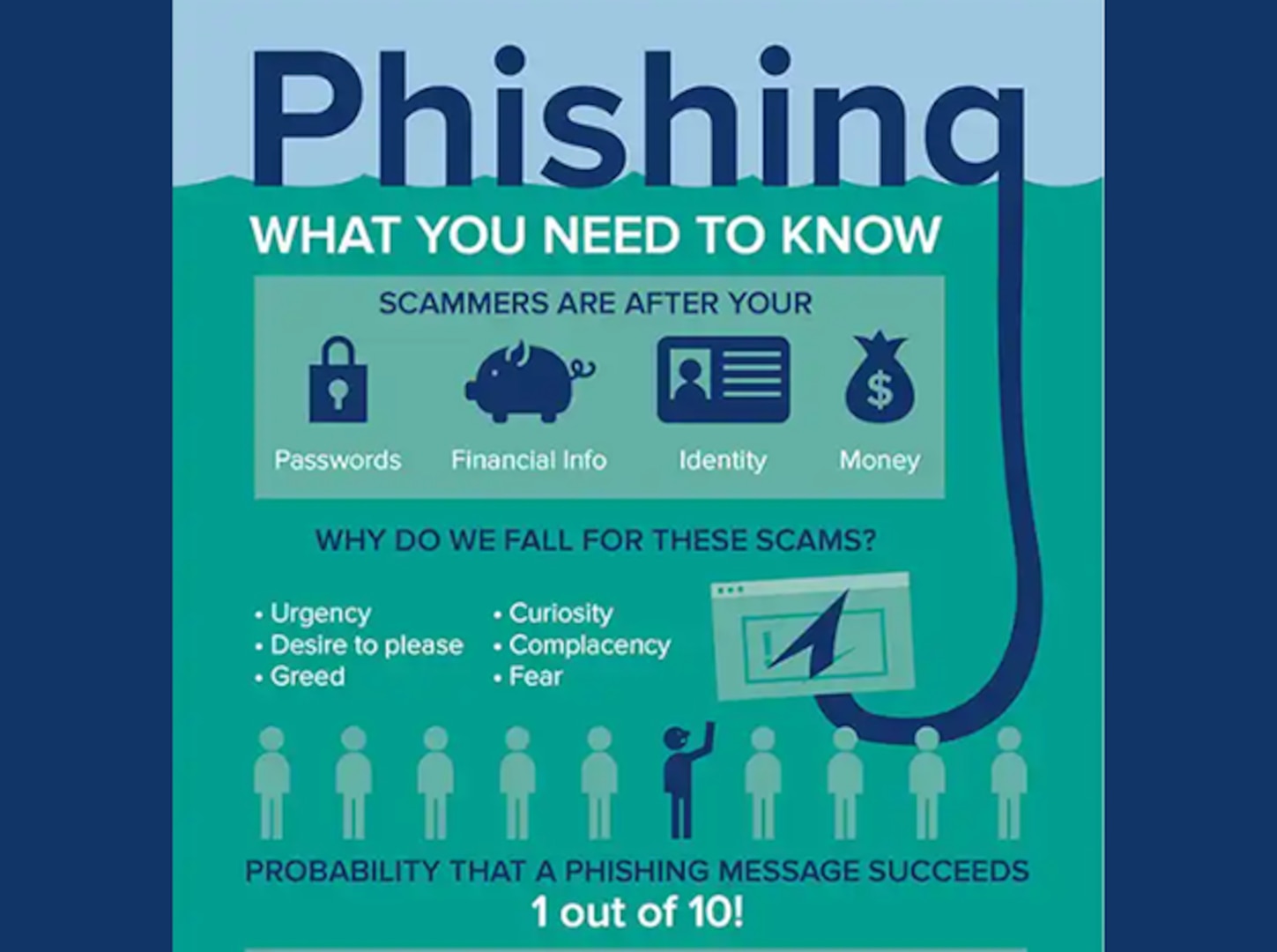
Email accounts are often compromised through phishing attacks, weak passwords, and inadequate security measures. Cybercriminals use various tactics to gain unauthorized access to email accounts, including:
- Phishing emails that trick users into revealing sensitive information
- Weak passwords that can be easily guessed or cracked
- Outdated security software that fails to detect malware and other threats
- Unsecured email clients and servers that leave data exposed to hackers
The Consequences of Email Account Hacking
Once an email account is hacked, the consequences can be severe. Hackers can:
- Steal sensitive information, including passwords, financial data, and personal details
- Impersonate the account owner, sending malicious emails to friends, family, and colleagues
- Use the compromised account to reset passwords, gaining access to other online accounts
- Engage in fraudulent activities, such as sending spam emails or using the account for malware distribution
Best Practices for Email Account Hacking Prevention

To prevent email account hacking, follow these essential best practices:
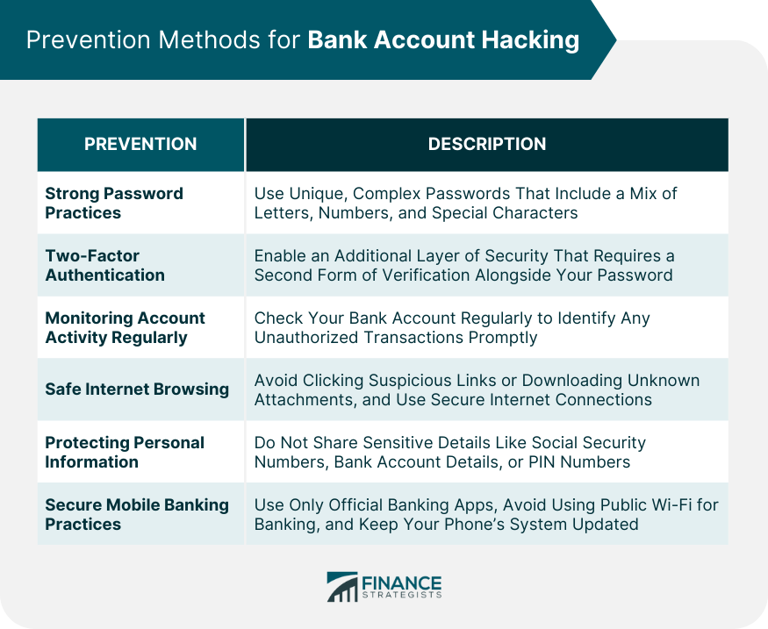
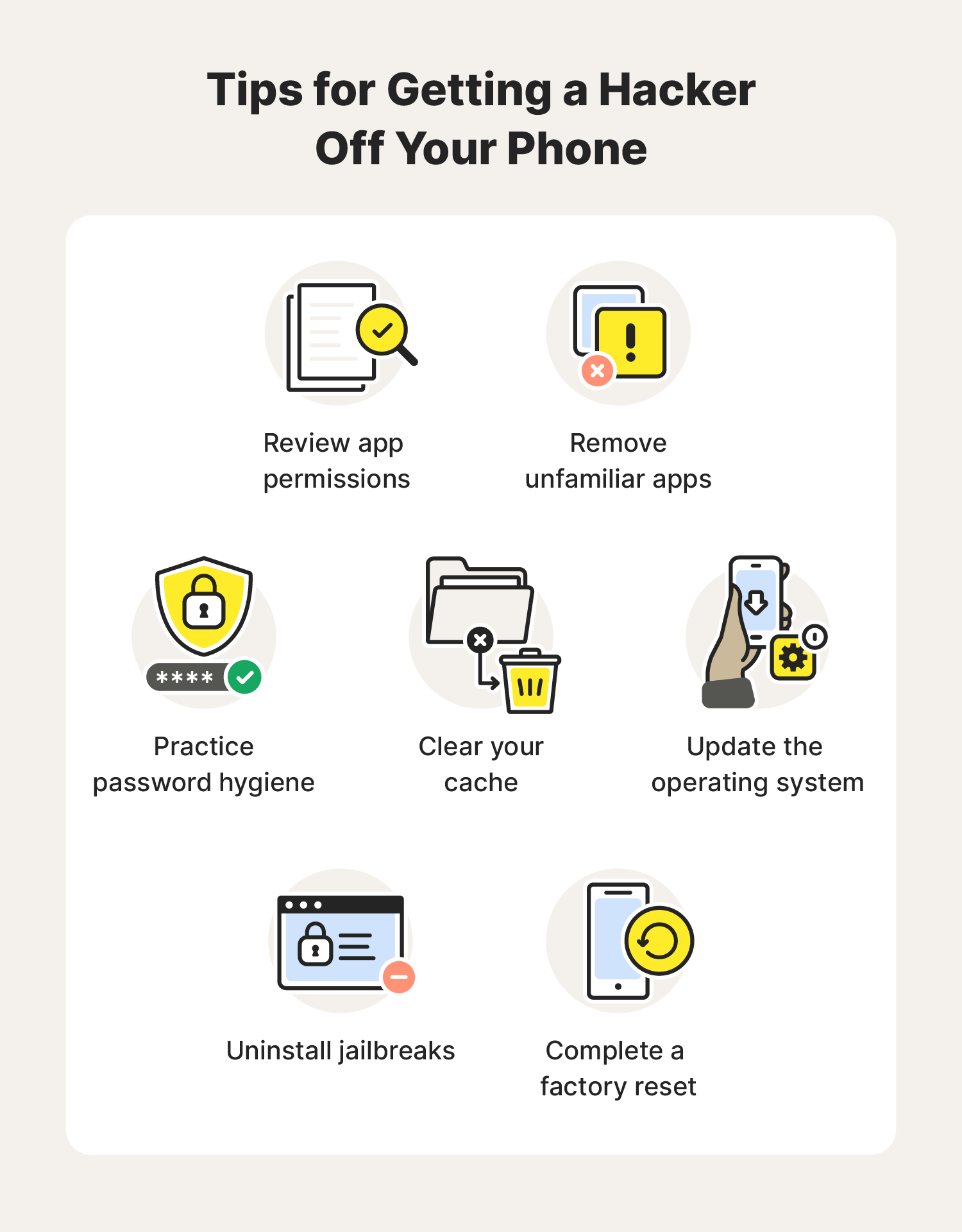
- Use a strong and unique password: Avoid using easily guessable passwords, such as your name, birthdate, or common words. Use a combination of characters, numbers, and symbols to create a strong password.
- Enable two-factor authentication (2FA): 2FA adds an extra layer of security by requiring a second form of verification, such as a code sent to your phone or a biometric scan.
- Keep your email client and server up-to-date: Regularly update your email client and server software to ensure you have the latest security patches and features.
- Use a reputable antivirus software: Install a reputable antivirus program to scan your device and detect potential threats.
- Beware of phishing attacks: Be cautious of suspicious emails, even if they appear to be from a trusted sender. Hover over links to verify the sender's email address, and never click on suspicious links or download attachments from unknown senders.
- Monitor your account activity: Regularly review your email account activity to detect any suspicious logins or activity.
- Use a secure email provider: Choose an email provider that offers robust security features, such as encryption, secure connections, and automated backups.
Additional Tips for Email Account Security
In addition to these best practices, consider the following tips to further enhance your email account security:
- Use a password manager: A password manager can help you generate and store unique, complex passwords for each of your online accounts.
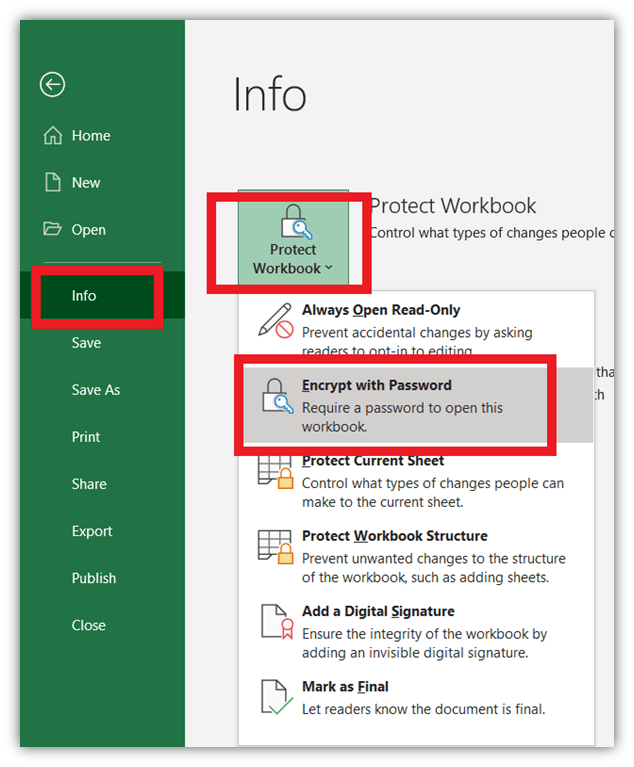
- Enable email encryption: Encryption can protect your email content from being read or intercepted by unauthorized parties.
- Use a secure email client: Choose an email client that offers robust security features, such as encryption and secure connections.
- Regularly update your device and software: Keep your device and software up-to-date to ensure you have the latest security patches and features.
Conclusion
Email account hacking prevention is a crucial aspect of cybersecurity. By understanding the risks, implementing best practices, and following additional tips, you can significantly reduce the likelihood of your email account being hacked. Remember to stay vigilant, update your security software regularly, and use strong passwords and 2FA to safeguard your email account and prevent email account hacking.
With these comprehensive best practices and additional tips, you can protect your email account from hackers and maintain the integrity and security of your personal and professional information.
-1920w.png "How To Protect Your Email From Being Hacked In 2026")