Effect of Excessive Screen Time in Children: A Growing Concern
Children's heavy reliance on screen media has raised serious public health issues since it might harm their cognitive, linguistic, and social-emotional growth. This article examines the effects of screen time on many developmental domains and covers management and limitation techniques for kids' screen usage.
Understanding Screen Time
Screen time refers to the amount of time spent using digital devices with screens—including smartphones, tablets, computers, televisions, and gaming consoles. For children, excessive screen time can impact:
- Cognitive development, including delays in speech and poor brain development
- Social and emotional growth, including weakened social bonding, sleep disturbance, and lower self-esteem
- Behavioral issues, such as lower empathy and increased tantrums
- Physical health, including a sedentary lifestyle and higher risk for obesity
Sleep Disturbances and Screen Time
Excessive screen time, especially before bedtime, can lead to sleep disturbances in children. Prolonged exposure to screens can suppress melatonin production, making it difficult for children to fall asleep. Moreover, exposure to screens before bedtime can also disrupt sleep patterns and reduce the quality of sleep.
Health Risks Associated with Excessive Screen Time
Excessive screen time has been linked to various health risks in children, including:
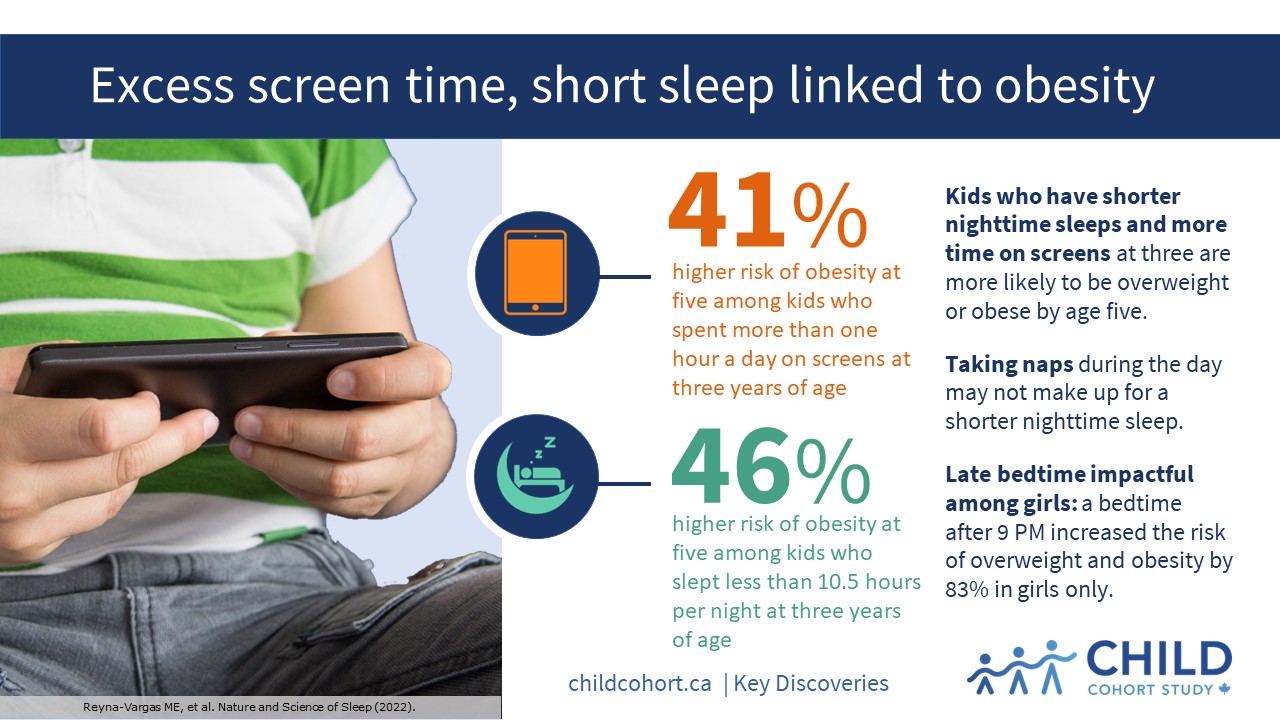
- Obesity and related health problems, such as diabetes and heart disease
- Increased risk of sleep disorders, including insomnia and sleep apnea
- Psychological issues, such as anxiety, depression, and decreased self-esteem
- Social isolation and decreased social skills
Managing Screen Time in Children
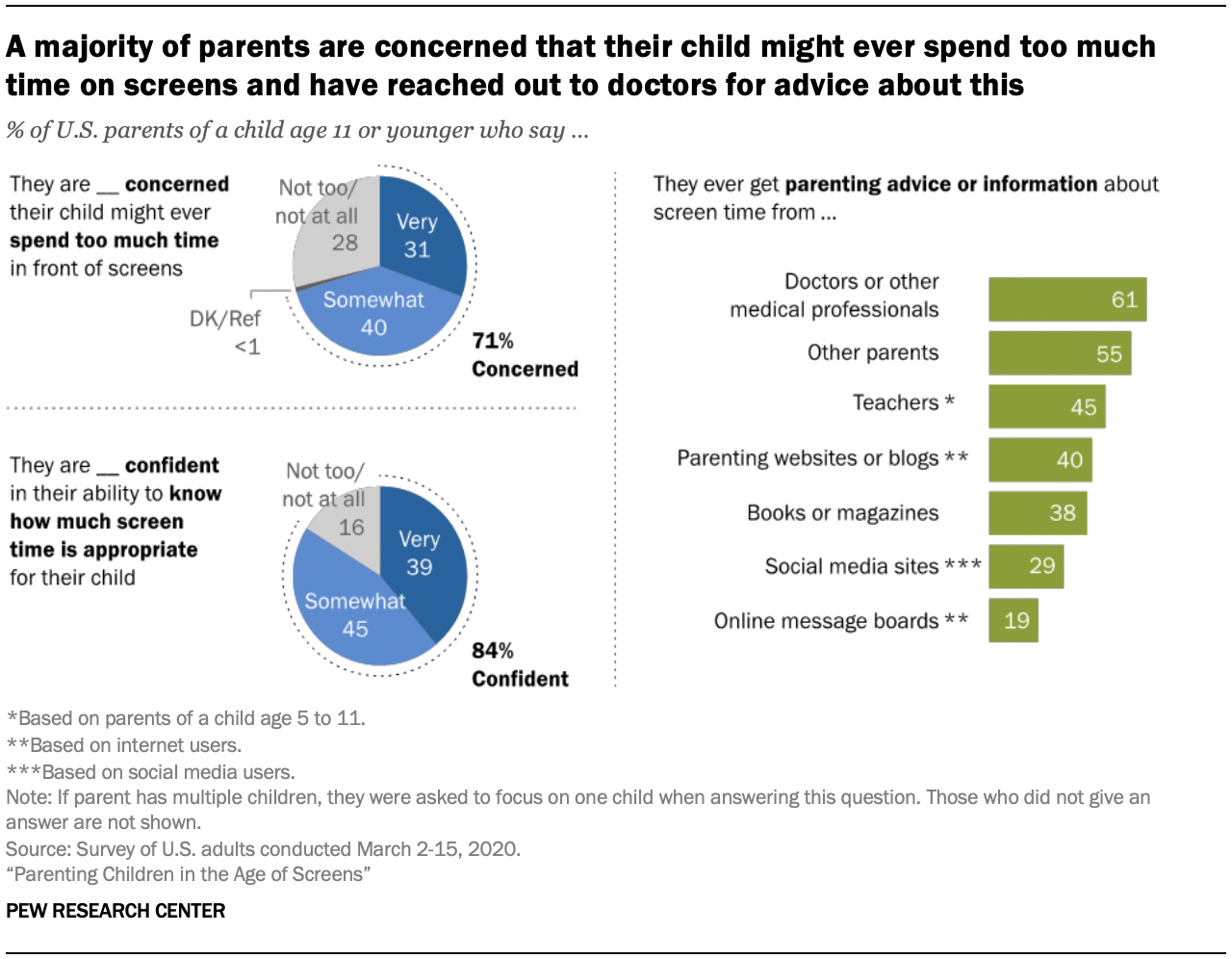
Parents and caregivers play a crucial role in managing screen time for children. Establishing screen-free zones and times, setting limits on screen time, and encouraging physical activity and social interaction can help mitigate the negative effects of screen time.
Best Practices for Reducing Screen Time
To reduce screen time and promote healthy habits in children, try the following:
- Implement a screen-free morning and evening routine
- Set screen time limits and enforce them consistently
- Encourage physical activity and outdoor play
- Support social interaction and playdates
- Monitor screen time and adjust limits as needed
Conclusion
Excessive screen time in children is a growing concern that requires attention from parents, caregivers, and policymakers. By understanding the effects of screen time and implementing strategies to manage it, we can promote healthy habits and mitigate the negative impacts of screen time on children's cognitive, social, and emotional development.