Data Tracking: Unlocking the Power of Data Driven Decision Making
889 views in the past 3 months Have you ever wondered how businesses, organizations, and individuals can gain a deeper understanding of their customers, users, or clients? The answer lies in data tracking, a process that involves selecting, collecting, organizing, and analyzing various types of data to gain valuable insights. In this article, we'll delve into the world of data tracking, exploring its benefits, types, and best practices for effectively using this powerful tool.
What is Data Tracking?
According to experts, data tracking is the systematic collection, analysis, and interpretation of various types of data to gain insights into consumer behaviors, preferences, and interactions. This process provides valuable information for making informed decisions, creating messaging, products, and services that meet the needs of the target audience.
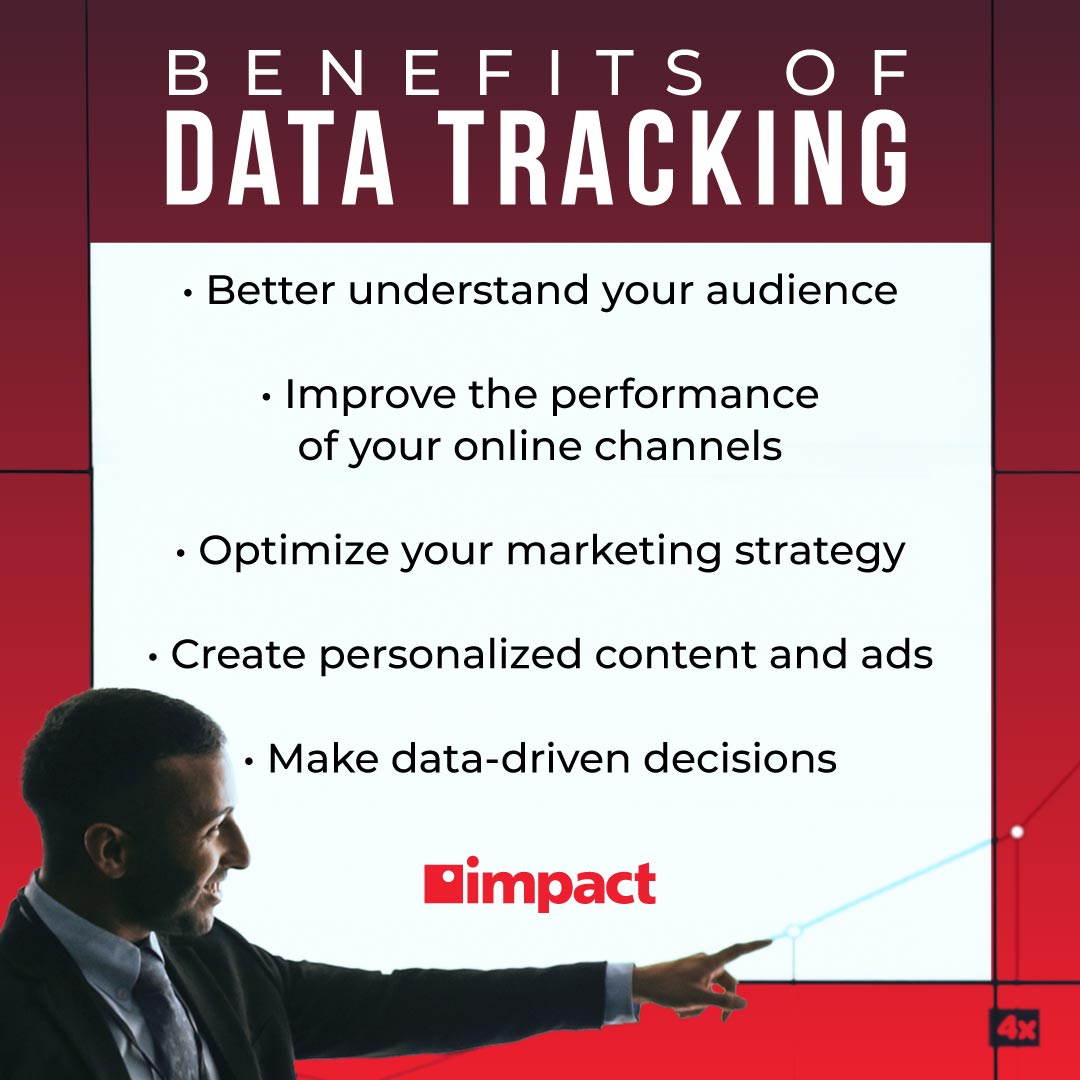
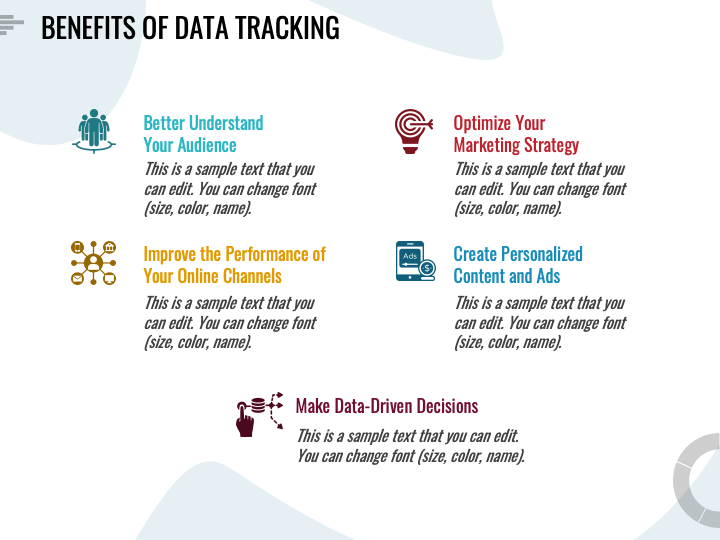
Benefits of Data Tracking
- Improved decision-making: Data tracking provides valuable insights that help businesses and individuals make informed decisions, leading to better outcomes.
- Enhanced customer experience: By understanding customer behavior and preferences, businesses can create tailored experiences that meet their needs and improve satisfaction.
- Increased revenue: Data tracking helps organizations identify areas of improvement, leading to increased revenue and growth.
- Better resource allocation: By analyzing data, businesses can allocate resources more efficiently, reducing waste and improving productivity.
Types of Data
There are several types of data used for tracking, including:
- Website analytics: Collecting data on website visitors, clicks, and conversions to understand user behavior.
- Customer relationship management (CRM) systems: Collecting data on customer interactions, transactions, and behavior.
- Social media data: Collecting data on social media interactions, engagement, and sentiment.
- Transaction data: Collecting data on sales, revenue, and customer purchasing behavior.
Creating a Data Tracking Plan
To get the most out of data tracking, it's essential to create a comprehensive plan that outlines the following:
Goal setting: Identify the objectives of the data tracking process and determine what information is needed to achieve those goals.
Hypothesis formation: Develop a hypothesis on what you expect to find in the data and what insights you hope to gain.
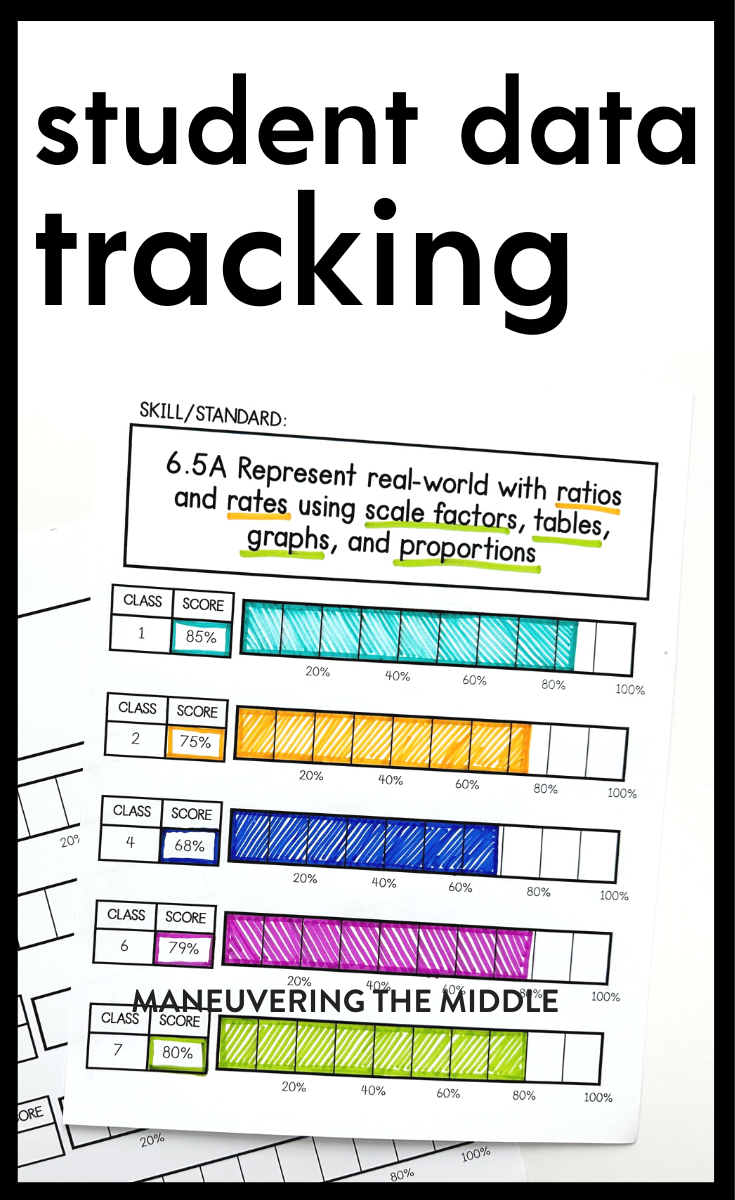
Tracking metrics: Determine the metrics that will be used to measure success and track progress.
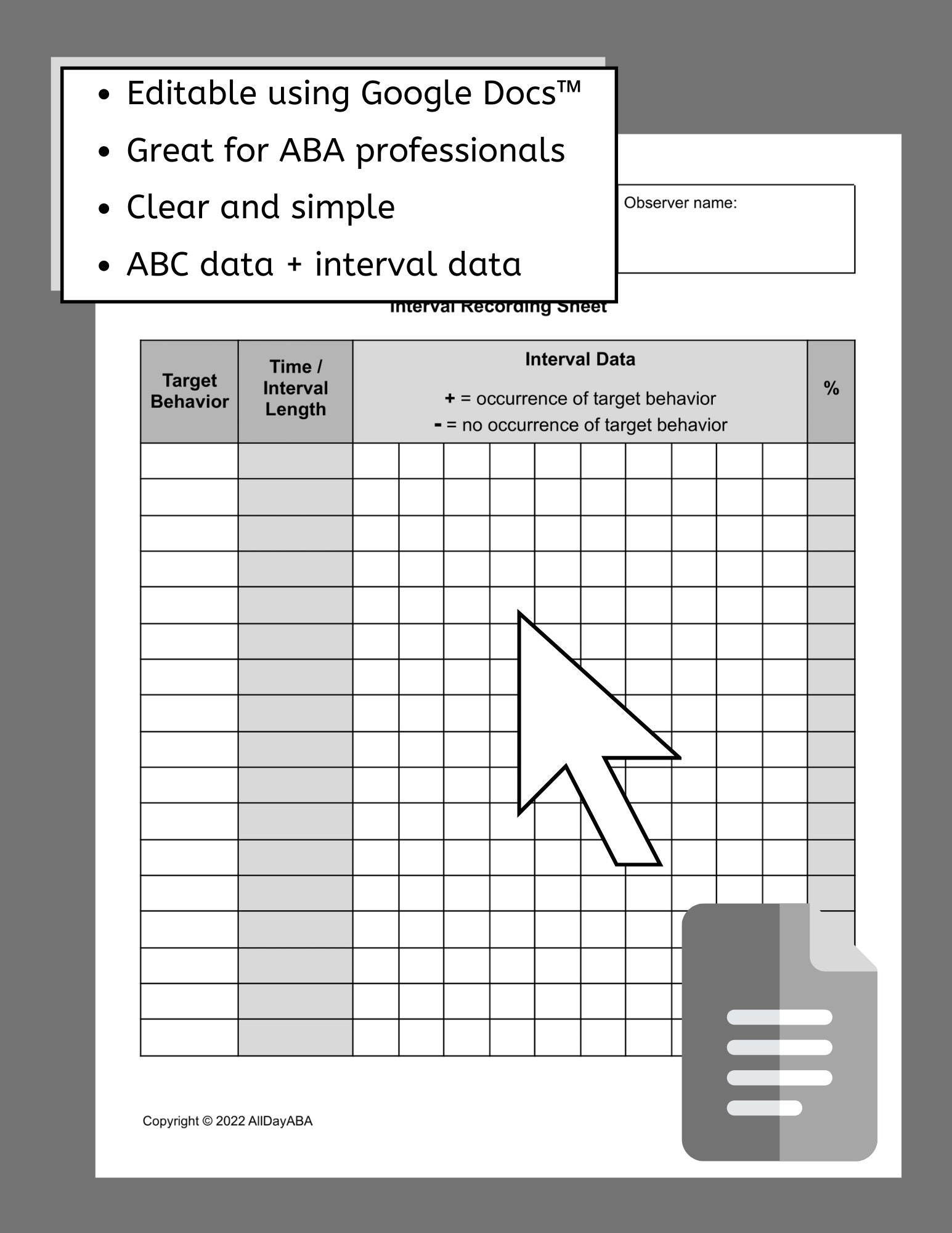
Data collection tools: Choose the tools and methods used to collect and track data.
Best Practices
To ensure effective data tracking, consider the following best practices:
- Define clear goals and objectives: Establish a clear understanding of what you want to achieve through data tracking.
- Choose the right tools: Select the most appropriate tools and methods for collecting and tracking data.
- Ensure data quality: Ensure that the data collected is accurate, complete, and relevant.
- Regularly analyze and review data: Regularly review and analyze data to identify trends, patterns, and insights.
Conclusion
Data tracking is a powerful tool that can help businesses, organizations, and individuals make data-driven decisions. By understanding the benefits, types, and best practices of data tracking, you can unlock the power of data to improve customer experiences, increase revenue, and make informed decisions. Remember to create a comprehensive data tracking plan, define clear goals and objectives, and regularly analyze and review data to get the most out of this valuable tool.