The Benefits of Mindfulness in the Workplace
Despite its increasing popularity, the concept of mindfulness in the workplace still warrants exploration. Explore the transformative power of mindfulness in the workplace and embrace these key benefits, from stress reduction to enhanced focus and productivity.
What is Mindfulness in the Workplace?
The workplace can be a fast-paced, stressful environment. Practicing mindfulness at work means being mindful in a work setting. This involves cultivating a moment-to-moment awareness of one's experience without judgment, resulting in a greater sense of calm, focus, and resilience.
Benefits of Mindfulness in the Workplace
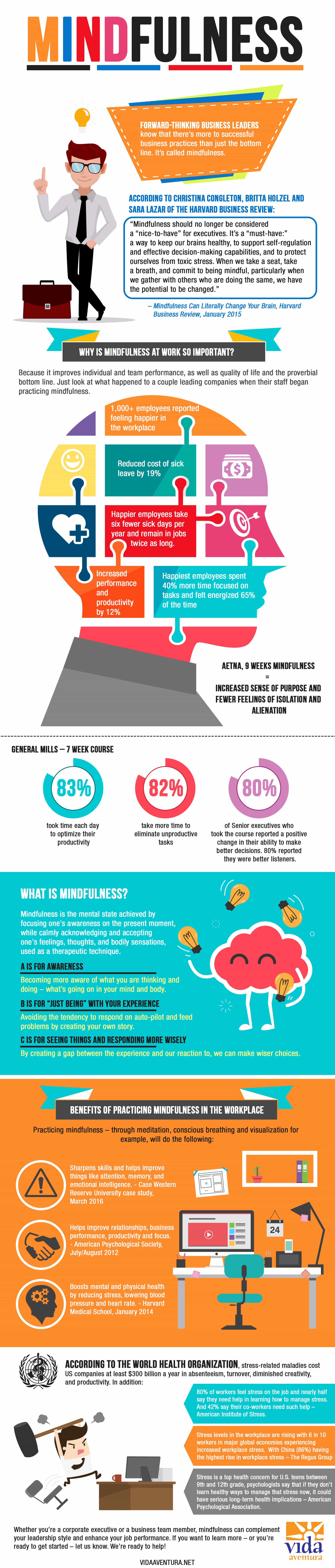
- Stress Reduction: Mindfulness can help alleviate stress and its negative effects on overall well-being.
- Enhanced Focus: By being present in the moment, employees can improve their concentration and attention to tasks.
- Increased Productivity: A mindful workforce tends to be more productive, as employees are better equipped to manage their workload and deadlines.
- Improved Creativity: Mindfulness has been shown to enhance creative thinking and problem-solving skills.
- Better Communication: By being more present and aware, employees can improve their communication skills and interpersonal relationships.
- Increased Job Satisfaction: A workplace that promotes mindfulness tends to have higher employee satisfaction rates.
- Reduced Burnout: Mindfulness practices can help employees manage their workload and reduce the risk of burnout.
- Improved Mental Health: By adopting mindfulness practices, employees can improve their mental health and well-being.
- Increased Emotional Intelligence: Mindfulness helps employees develop a better understanding of themselves and others.
- Improved Teamwork: A mindful workforce tends to be more cohesive and collaborative.
The Cost of Mindfulness in the Workplace
So can pursuing mindfulness be good for the bottom line? The answer is yes. Research has shown that companies that invest in mindfulness programs can see a significant return on investment, with benefits ranging from reduced employee turnover to improved productivity.
Implementation Strategies for Success

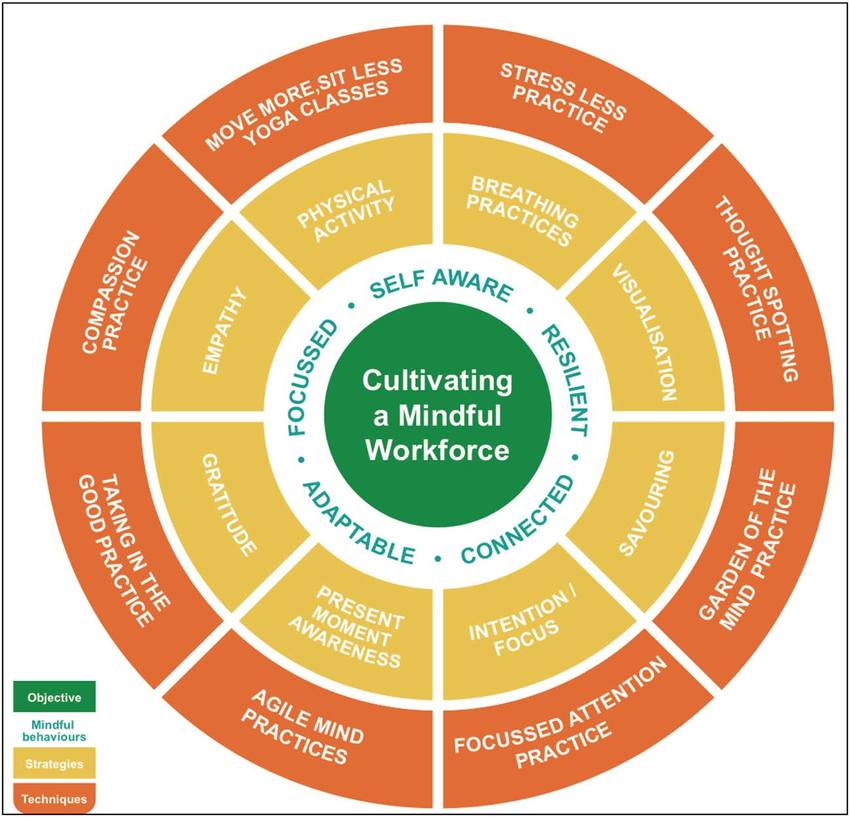
Discover proven strategies and real-world examples from top companies on how to implement workplace mindfulness programs. Learn best practices, from leadership buy-in to daily micro-practices, for a more focused, creative, and compassionate work culture.
Real-World Examples of Mindfulness in the Workplace
Companies like Aetna, Google, and Nike have successfully implemented mindfulness programs in their workplaces. Aetna, for example, saw a significant reduction in employee stress levels and an improvement in productivity after introducing a mindfulness program.
Breaking Down Barriers to Mindfulness in the Workplace
Despite the benefits, some employers may struggle to implement mindfulness programs due to various barriers, such as limited understanding of mindfulness or the lack of resources. However, with the right strategies and support, any employer can create a culture of mindfulness in the workplace.
Conclusion
The benefits of mindfulness in the workplace are clear. By cultivating a moment-to-moment awareness of one's experience, employees can reduce stress, improve focus, and increase productivity. By implementing mindfulness programs, employers can see a significant return on investment and create a more compassionate and collaborative work environment. Explore the transformative power of mindfulness in the workplace and start embracing the key benefits that come with it.