The Role of Technology in Fatigue and Stress
Introduction
The rapid expansion of digital technologies in modern workplaces has led to a phenomenon known as technostress, which describes the stress and strain individuals experience due to the introduction and ongoing evolution of technology in their work environment. Prolonged engagement with digital technologies can lead to cognitive strain, emotional exhaustion, and reduced well-being. This article aims to explore the role of technology in fatigue and stress, examining the impact of digital tools on employee productivity and well-being.Technostress and Cognitive Fatigue
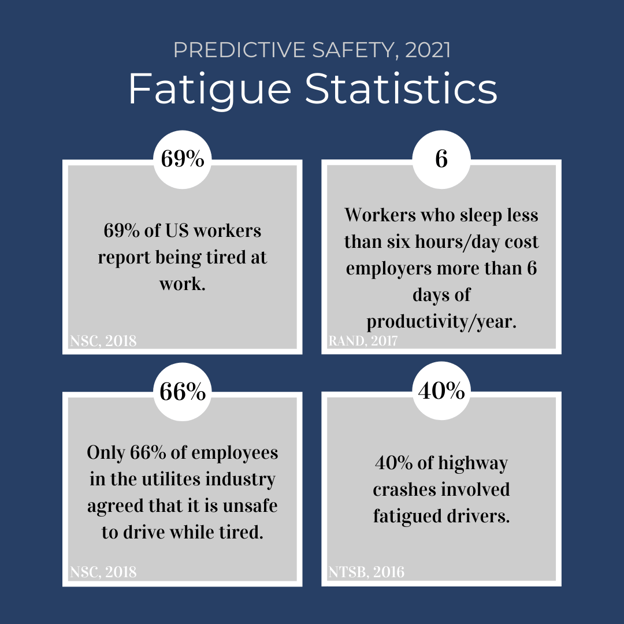
Technostress and cognitive fatigue are increasingly prevalent issues in modern workplaces where employees depend heavily on digital technologies. Prolonged engagement with these technologies can lead to cognitive strain, emotional exhaustion, and reduced well-being. Technostress, in particular, describes the stress and strain individuals experience due to the introduction and ongoing evolution of technology in their work environment. Factor contributing to technostress include:- Digital overload
- Information overload
- Communication overload
- Technological requirements and expectations
- Human-technology interaction difficulties
Digital Fatigue
Digital fatigue is a condition arising from prolonged engagement with digital tools, significantly affecting employee productivity and well-being. This condition can be caused by:- Excessive screen time
- Digitally mediated communication
- Over-reliance on digital tools
- vertime pressure
- Combination of technological requirements and expectations

The Impact of Technology on Stress and Fatigue
The use of digital technologies can have both positive and negative effects on stress and fatigue. For example:- Automation bias and cognitive offloading
- Augmented cognition and human-technology interaction
- Cognitive overload and technostress
- Fatigue and stress symptoms
- The impact of technology on mental health and well-being
Conclusion
In conclusion, the role of technology in fatigue and stress is complex and multifaceted. Technostress and digital fatigue are increasingly prevalent issues in modern workplaces, and understanding the factors contributing to these conditions is essential for mitigating their effects. By adopting strategies for effecting stress management, leaders and employees can reduce technostress and digital fatigue, and improve overall productivity and well-being.Recommendations
To reduce technostress and digital fatigue, consider the following recommendations:- Establish clear boundaries between work and personal life
- Provide training on digital technology and its use in the workplace
- Implement digital literacy programs and instructional designs that manage cognitive fatigue in AI-integrated education
- Use technology to improve work efficiency and reduce the need for overtime
- Monitor and manage technostress and digital fatigue through regular employee assessments