Secure Your Digital Self: A Comprehensive Guide to Online Safety
In today's digital age, our online presence has become an essential part of our lives. We share our personal information, thoughts, and experiences with the world, making it easier for us to connect with others and access a vast array of information. However, this increased digital activity also puts us at risk of identity theft, data breaches, and cyber attacks. To protect ourselves and our loved ones, it's crucial to understand the importance of securing our digital selves.
Why Securing Your Digital Self Matters
- Prevents Identity Theft: Securing your digital self helps prevent identity theft, which can lead to financial losses, damage to your credit score, and emotional distress.
- Protects Your Personal Data: By securing your digital self, you can protect your personal data from falling into the wrong hands, which can lead to harassment, stalking, or even blackmail.
- Ensures Online Safety: Securing your digital self ensures that your online activities, such as browsing, shopping, and socializing, are safe and secure from cyber threats.
Essential Tools and Practices for Securing Your Digital Self
To secure your digital self, you need to use the right tools and practices. Here are some essential ones:
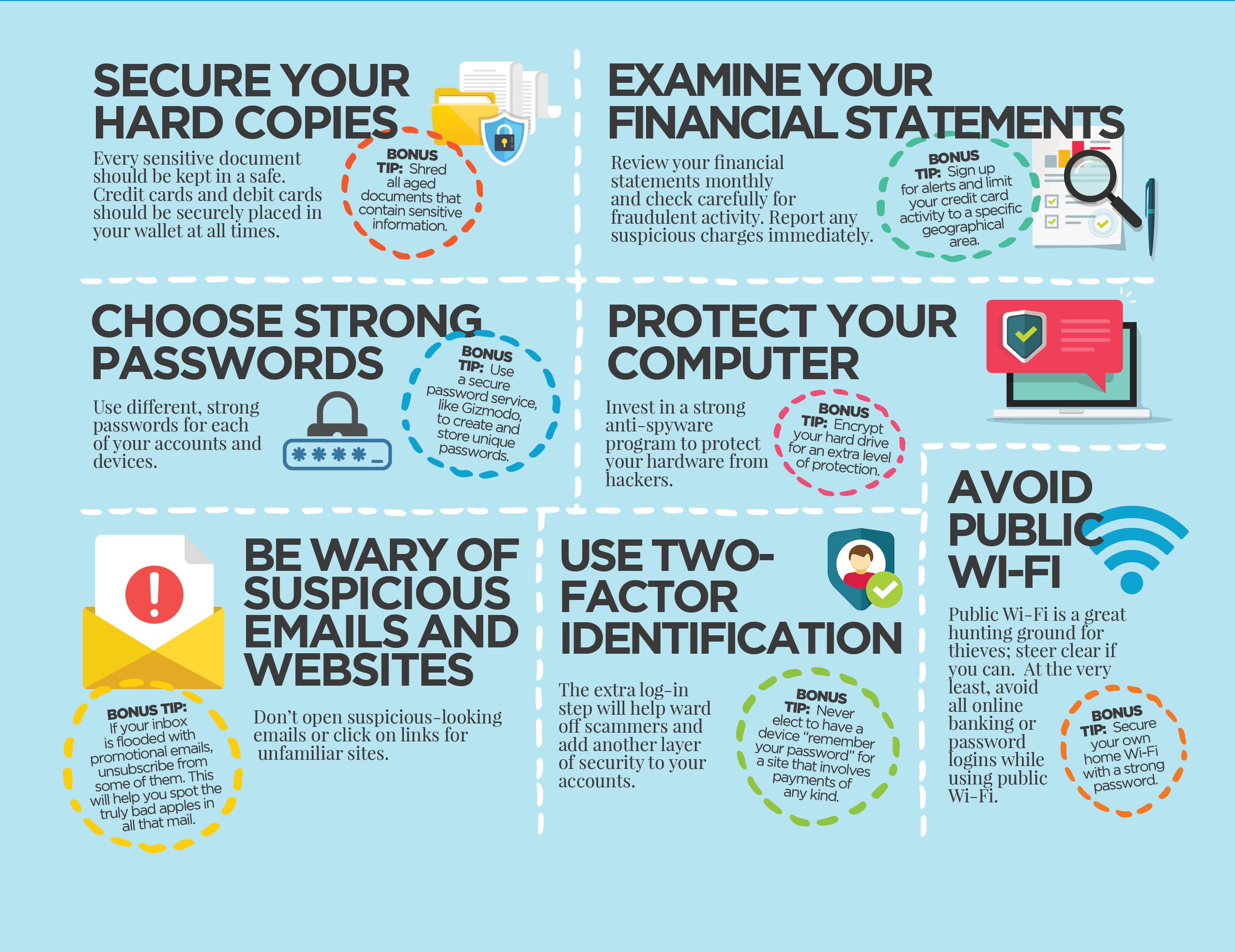
- Password Managers: Use a password manager to generate and store unique, complex passwords for each of your online accounts.
- Two-Factor Authentication: Enable two-factor authentication (2FA) on all your online accounts to add an extra layer of security.
- Digital Certificates: Use digital certificates to verify the identity of websites and applications, ensuring that you're transmitting sensitive information securely.
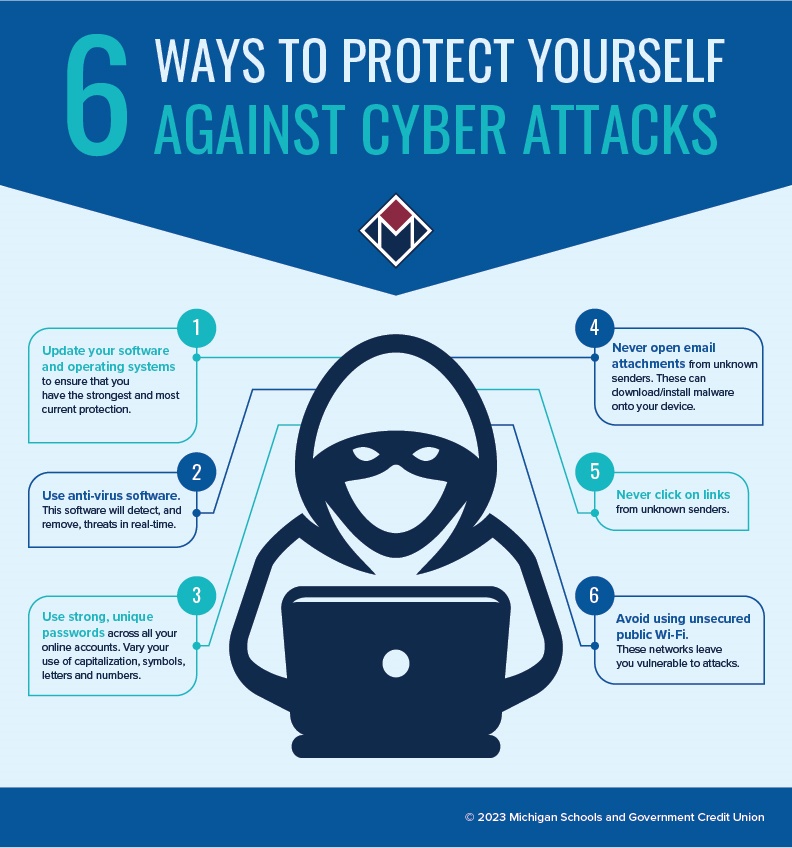
- Antivirus Software: Install antivirus software on your devices to protect against malware and viruses.
Best Practices for Securing Your Digital Self

Securing your digital self involves more than just using the right tools. Here are some best practices to follow:
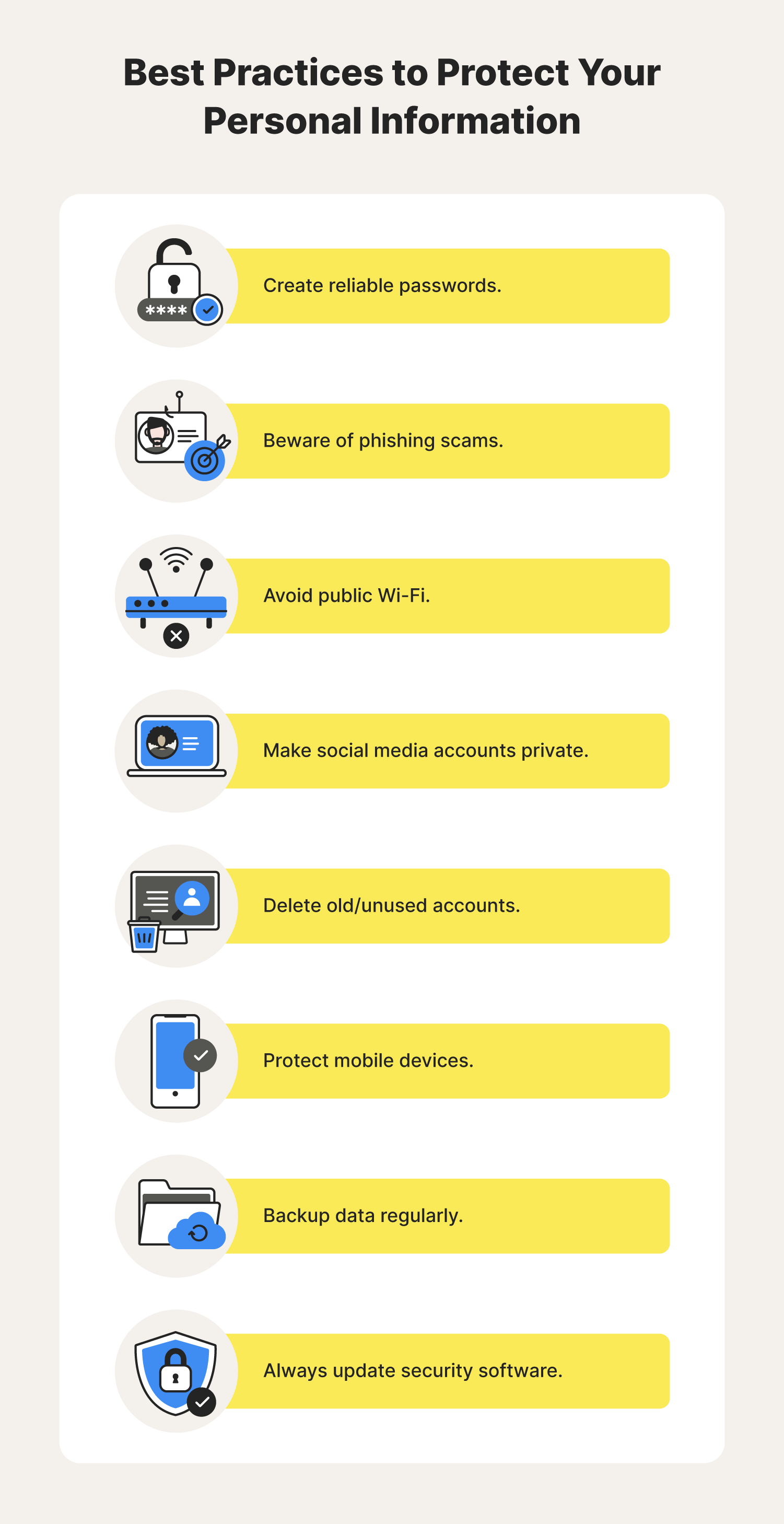
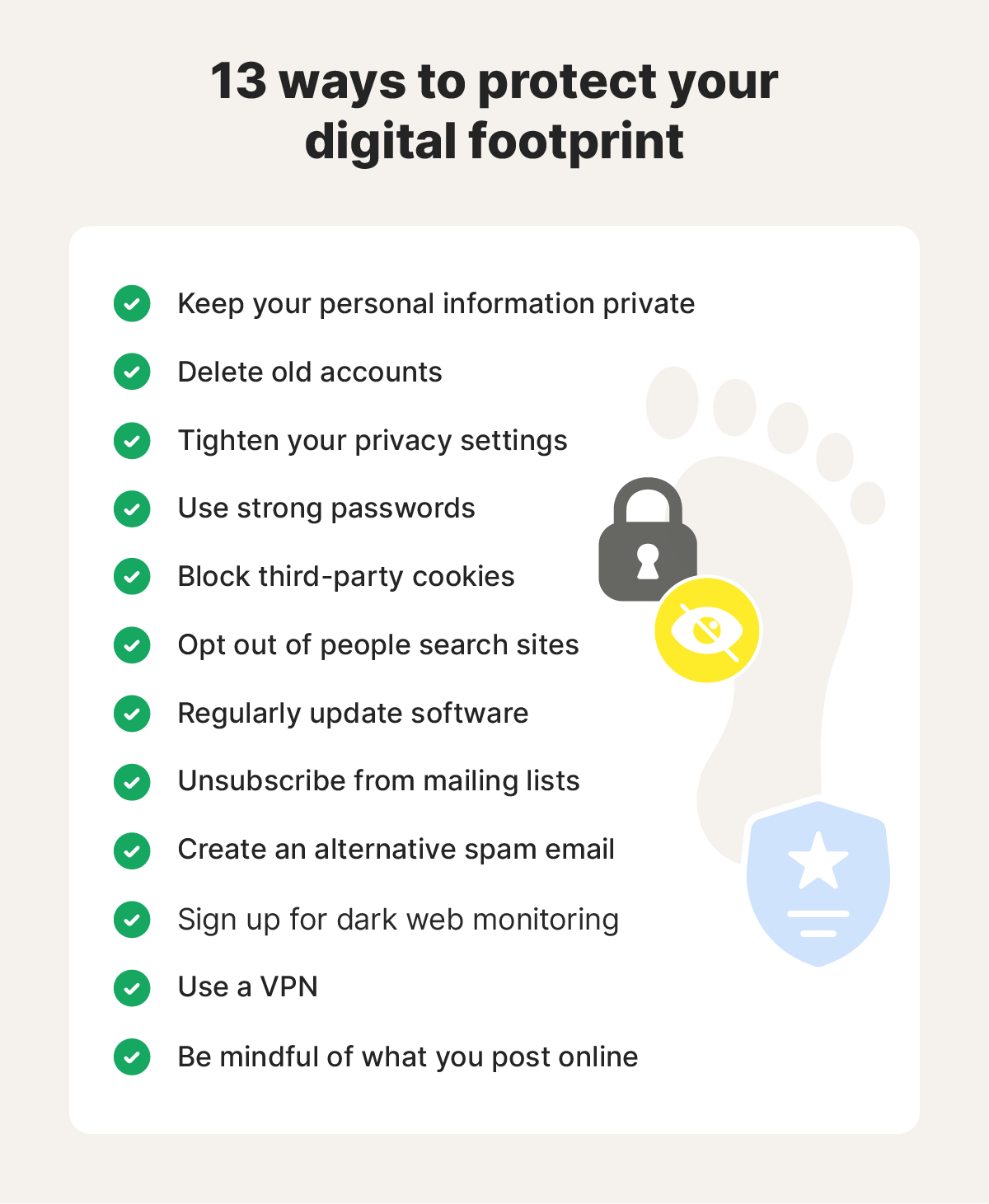
- Use Strong Passwords: Choose strong, unique passwords for each of your online accounts.
- Be Cautious with Links: Don't click on suspicious links or download attachments from unknown sources.
- Keep Software Up-to-Date: Regularly update your operating system, browser, and other software to ensure you have the latest security patches.
- Use a VPN: Use a virtual private network (VPN) to encrypt your internet traffic when using public Wi-Fi.
Stay Safe in the Digital Age
Securing your digital self is an ongoing process that requires effort and attention. Here are some tips to help you stay safe in the digital age:
- Monitor Your Credit Report: Regularly check your credit report to detect any suspicious activity.
- Use a Secure Browser: Use a secure browser, such as Tor, to browse the internet anonymously.
- Enable Browser Extensions: Enable browser extensions, such as anti-tracking tools and ad blockers, to enhance your online safety.
- Back Up Your Data: Regularly back up your data to prevent loss in case of a cyber attack or device failure.
Conclusion
Securing your digital self is a critical aspect of online safety. By using the right tools, practices, and best practices, you can protect your personal information, prevent identity theft, and ensure online safety. Remember, securing your digital self is an ongoing process that requires effort and attention. Stay vigilant, stay informed, and stay safe in the digital age.