Pregnancy and Coffee Consumption Effects: What You Need to Know
Pregnancy and coffee consumption effects are a topic of much debate, and for good reason. While moderate caffeine intake is generally considered safe during pregnancy, excessive consumption can have adverse effects on both the mother and the developing fetus.The Facts About Coffee and Pregnancy
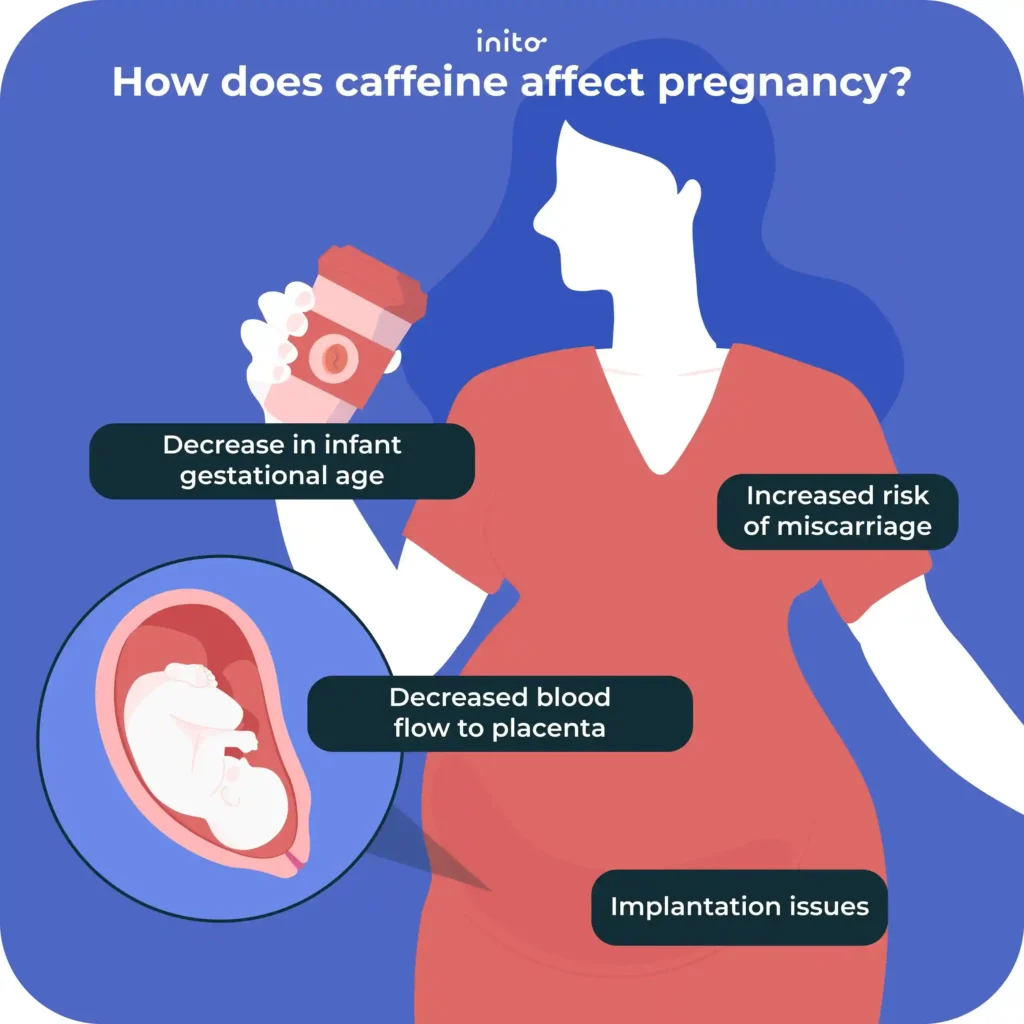
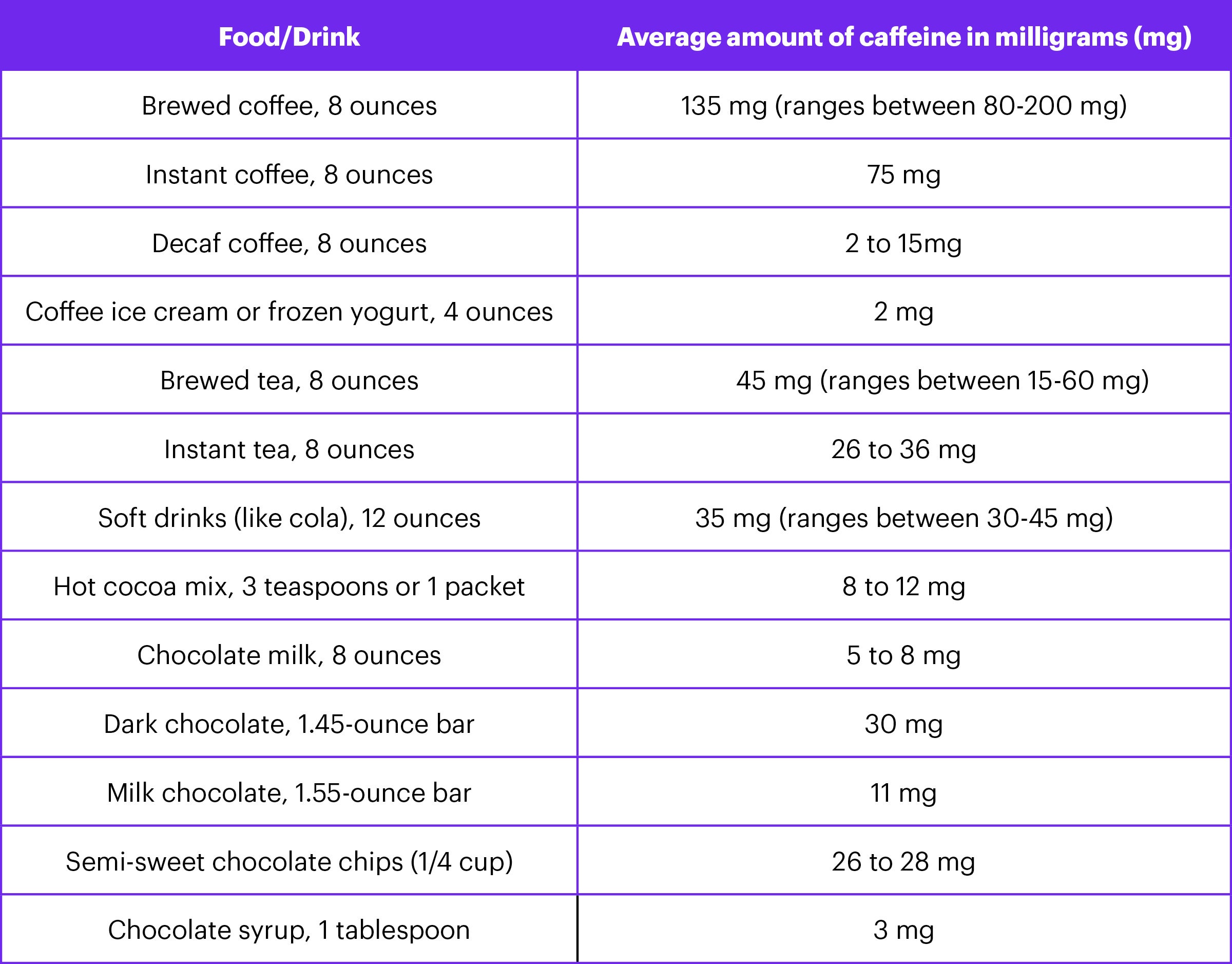
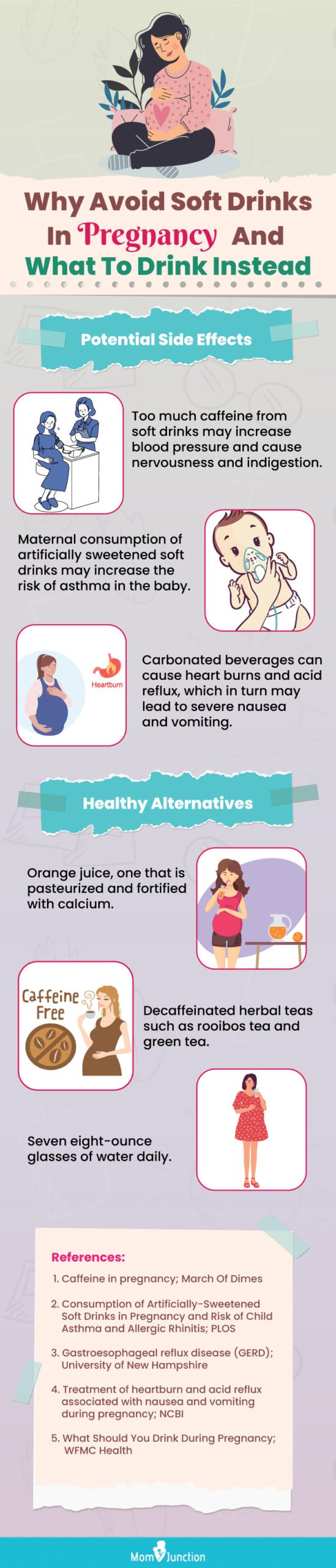
Caffeine is a stimulant found in coffee, tea, soft drinks, chocolate, kola nuts, energy drinks, and some over-the-counter medications. During pregnancy, caffeine clearance from the mother's blood slows down significantly, allowing the caffeine to accumulate and potentially harm the fetus. Observational studies have suggested that excess caffeine intake may be associated with an increased risk of miscarriage, preterm birth, low birth weight, and potential developmental issues for the fetus.The Effects of Caffeine on Pregnancy
Research has shown that high caffeine consumption during pregnancy is linked to various adverse outcomes, including: * Increased risk of miscarriage * Preterm birth * Low birth weight * Potential developmental issues for the fetus * Smaller birth size * Increased risk of fetal growth restrictionSafe Caffeine Limits During Pregnancy
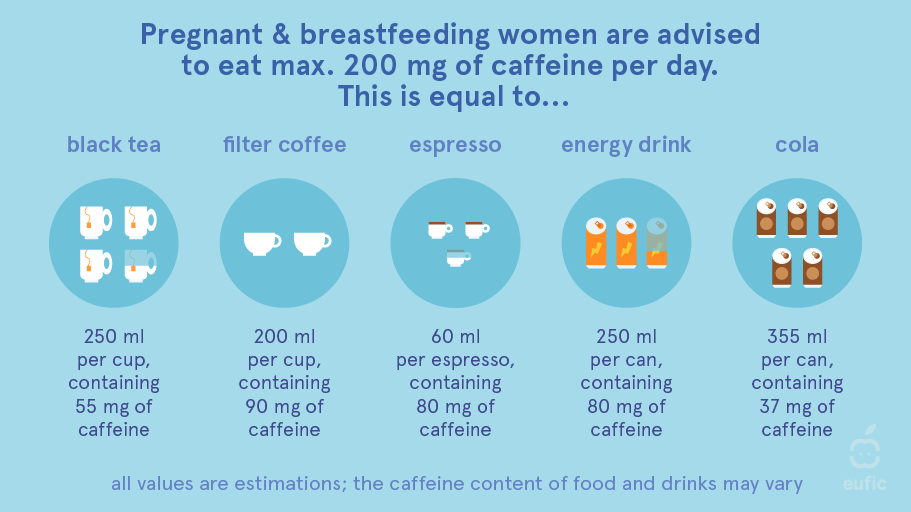
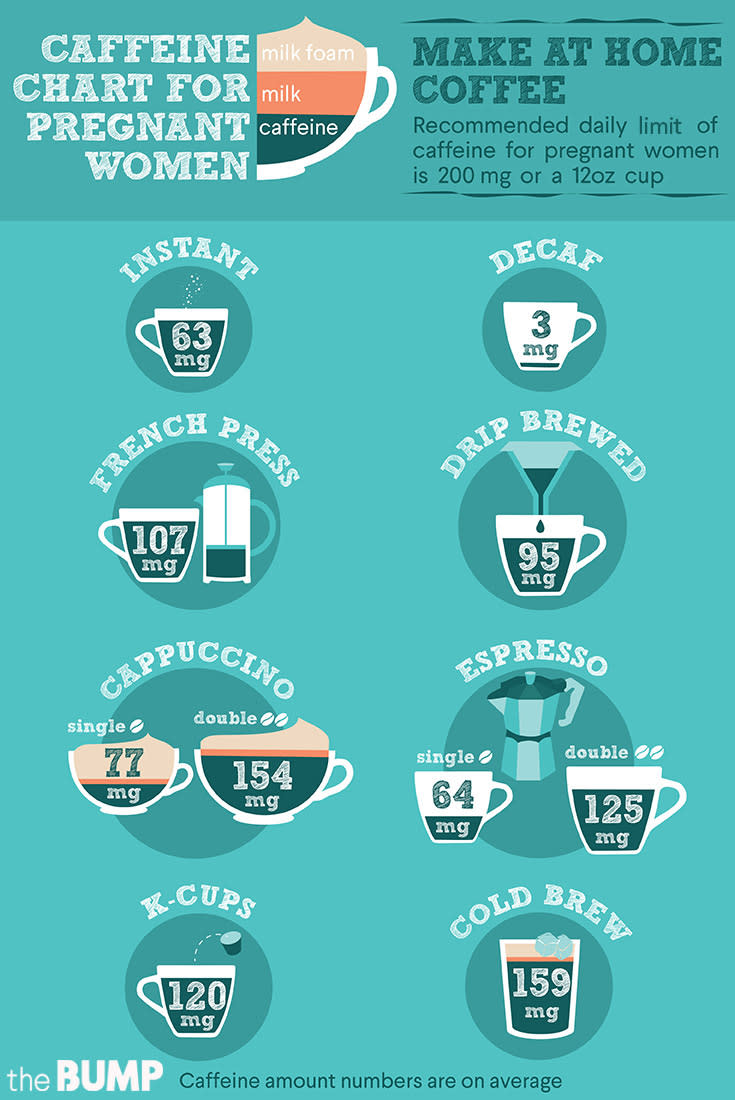
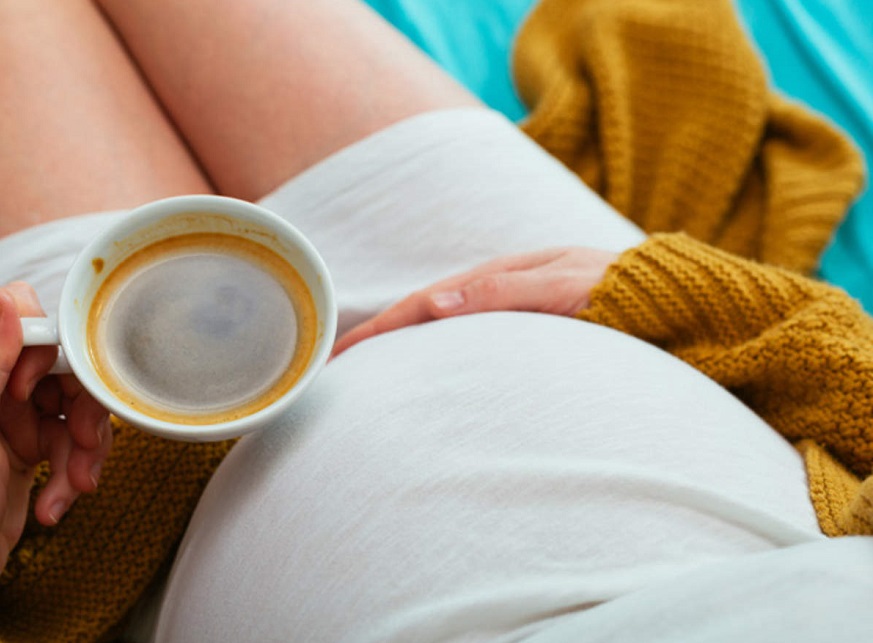
The American College of Obstetricians and Gynecologists (ACOG) recommends that pregnant women limit their caffeine intake to 200 milligrams per day, which is approximately the amount found in one 12-ounce cup of coffee. However, individual tolerance to caffeine can vary widely, and some women may experience adverse effects at much lower doses.Other Sources of Caffeine