Overcoming Hyperconnectivity Challenges: Navigating the Complexities of a Hyperconnected World
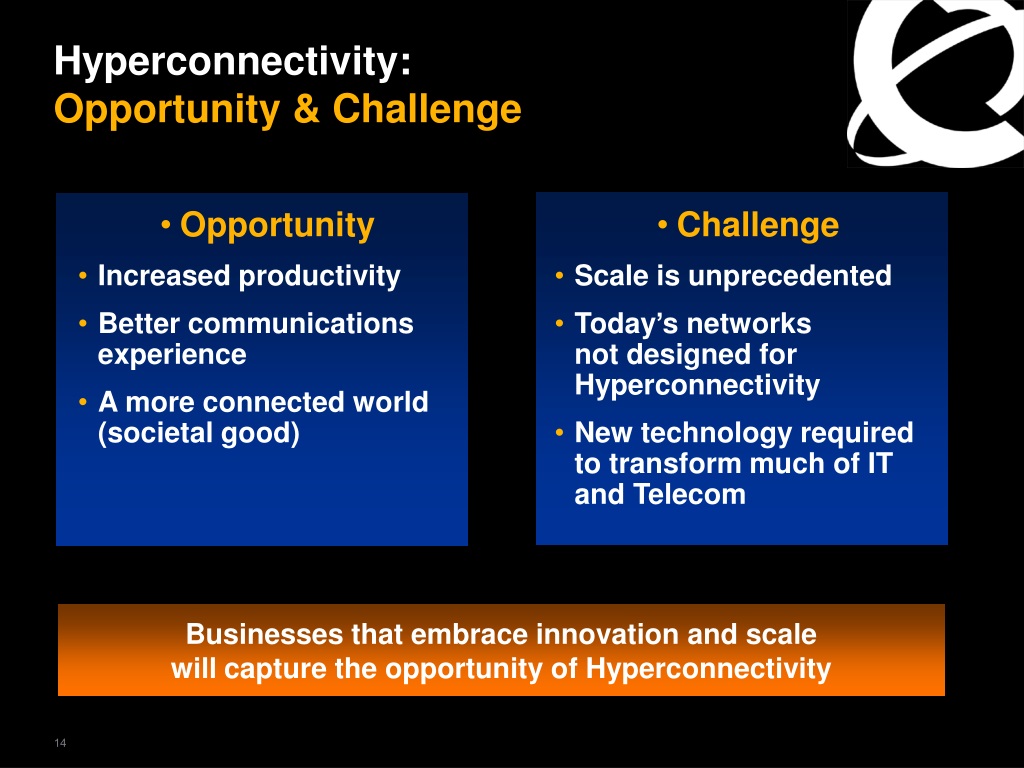
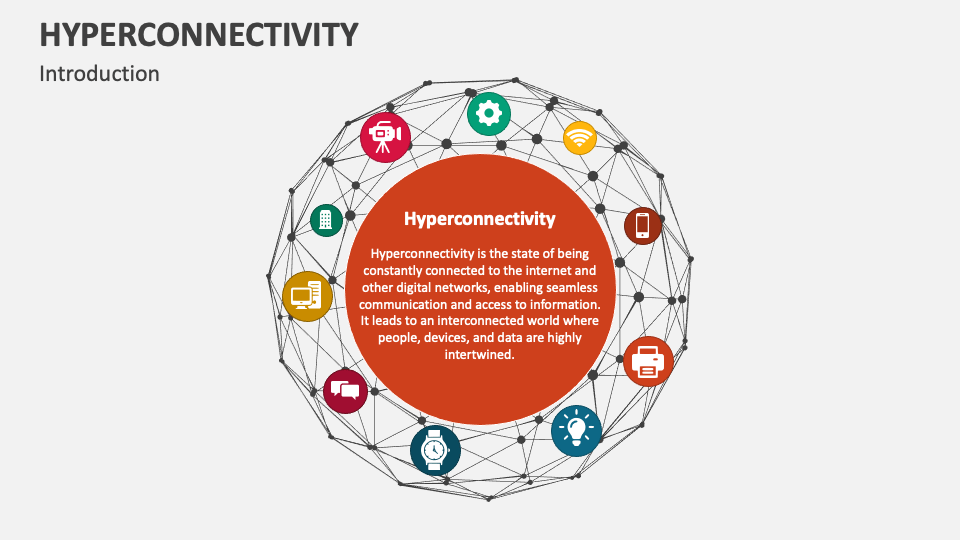
In today's hyperconnected world, we are constantly connected to various devices, networks, and platforms, leading to a convergence of politics, technology, and international relations. While hyperconnectivity presents numerous opportunities, it also poses significant challenges that must be addressed to ensure sustained success.
The Challenges of Hyperconnectivity
From security and privacy concerns to infrastructure limitations and digital divide, the challenges of hyperconnectivity are numerous and complex. The convergence of devices, networks, and platforms has created a web of interconnectedness that raises significant risks, including:
- Security Risks: The interconnectedness of devices and networks has created new vulnerabilities that can be exploited by cyber threats.
- Privacy Concerns: The collection and sharing of personal data pose significant risks to individuals and organizations.
- Infrastructure Limitations: The need for robust and reliable infrastructure to support the increasing demands of hyperconnectivity.
- Digital Divide: The uneven distribution of connectivity and digital literacy creates a divide between those who have access to hyperconnectivity and those who do not.
Leveraging Enabling Technologies for 6G
To overcome these challenges, researchers and innovators are exploring new enabling technologies for 6G, including:
- Distributed and Intelligence-Aware Cell-Free Massive Multi-Input Multi-Output (MIMO) Networks: This technology aims to provide terabits-per-second wireless connectivity and zero coverage-hole networks.
- Boundless and Fully Integrated Terrestrial and Non-Terrestrial Networks: This technology seeks to provide seamless connectivity between terrestrial and non-terrestrial networks.
- Communication-Aware Distributed Computing for Computation-Intensive Applications: This technology aims to provide real-time processing and analysis of large datasets.
Strategies for Maintaining Balance
To navigate the challenges of hyperconnectivity, organizations must implement strategies that promote a healthier work-life balance and address the digital divide. Some actionable techniques include:
- Set Boundaries: Establish clear working hours and stick to them.
- Communicate Your Availability: Inform colleagues and clients of your availability to avoid overcommitting.
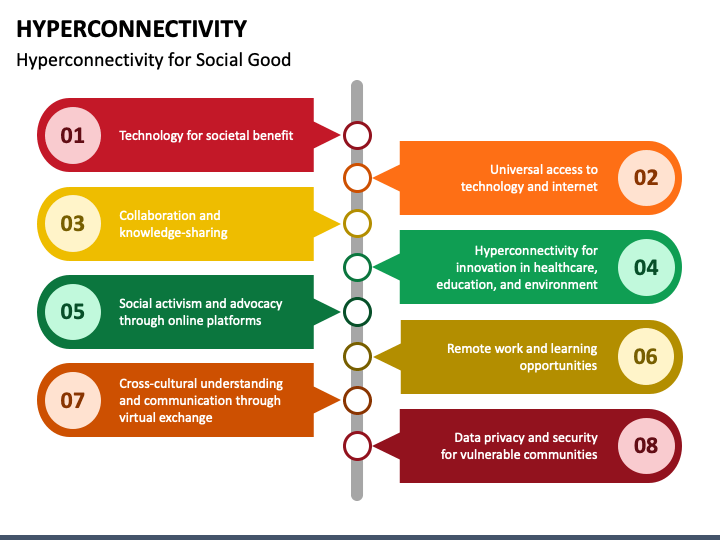
- Develop Digital Literacy Programs: Provide training and education to address the digital divide and promote digital inclusion.
The Future of Hyperconnectivity
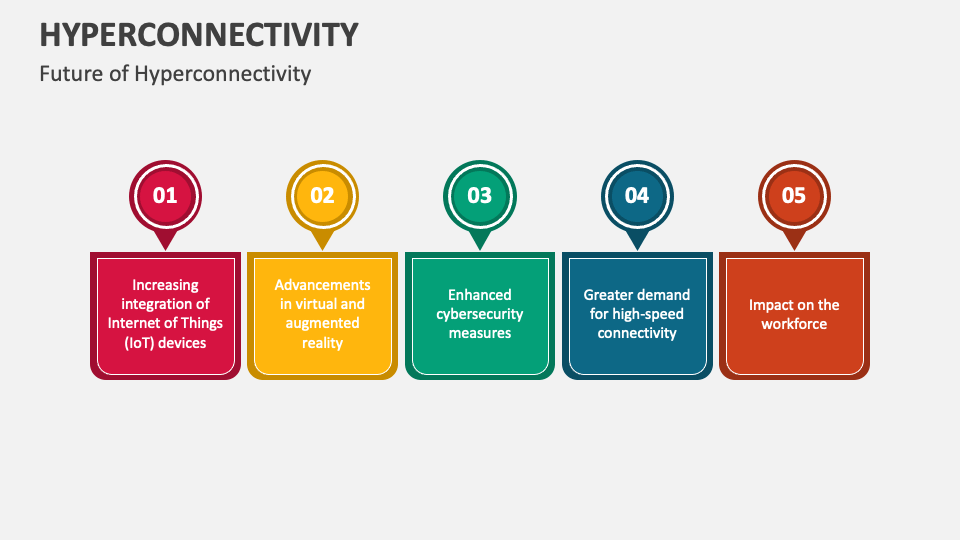
As we move forward in this hyperconnected world, it is essential to address the challenges and complexities that arise from this interconnectedness. By leveraging enabling technologies, implementing strategies for maintaining balance, and promoting digital inclusion, we can unlock the full potential of hyperconnectivity and create a more connected, efficient, and innovative world.
Conclusion
Hyperconnectivity presents both opportunities and challenges. To overcome these challenges, we must work together to develop strategies that promote a healthier work-life balance, address the digital divide, and leverage enabling technologies for 6G. By doing so, we can create a more connected, efficient, and innovative world that benefits everyone.